Invest in the Plastic Bottles, Pipes and Packaging Behind Everyday Life for Passive Income: $90,000 Across These 3 Chemical Stocks Pays More Than $4,400 a Year

This post may contain links from our sponsors and affiliates, and Flywheel Publishing may receive compensation for actions taken through them.
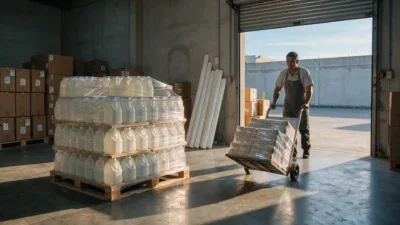
Milk jugs, PVC drain lines and the shrink wrap on a grocery store pallet all start with a short list of chemical producers. These companies turn natural gas liquids and oil feedstocks into the resins, polymers, and specialty plastics that end up in packaging, construction, and consumer goods.
Several of them also send a large share of their cash flow back to shareholders through quarterly dividends.
Here is how much annual dividend income a $90,000 investment would produce if it were split evenly ($30,000 apiece) across three NYSE-listed chemical majors. Using Nov. 25, 2026 closing prices and each company’s current annualized dividend, the group pays more than $4,400 a year, or about $4,505.
All yields below are forward yields. Falling share prices explain part of each yield, and two of the three companies have cut their payouts since 2025, so dividend safety comes first in every profile.
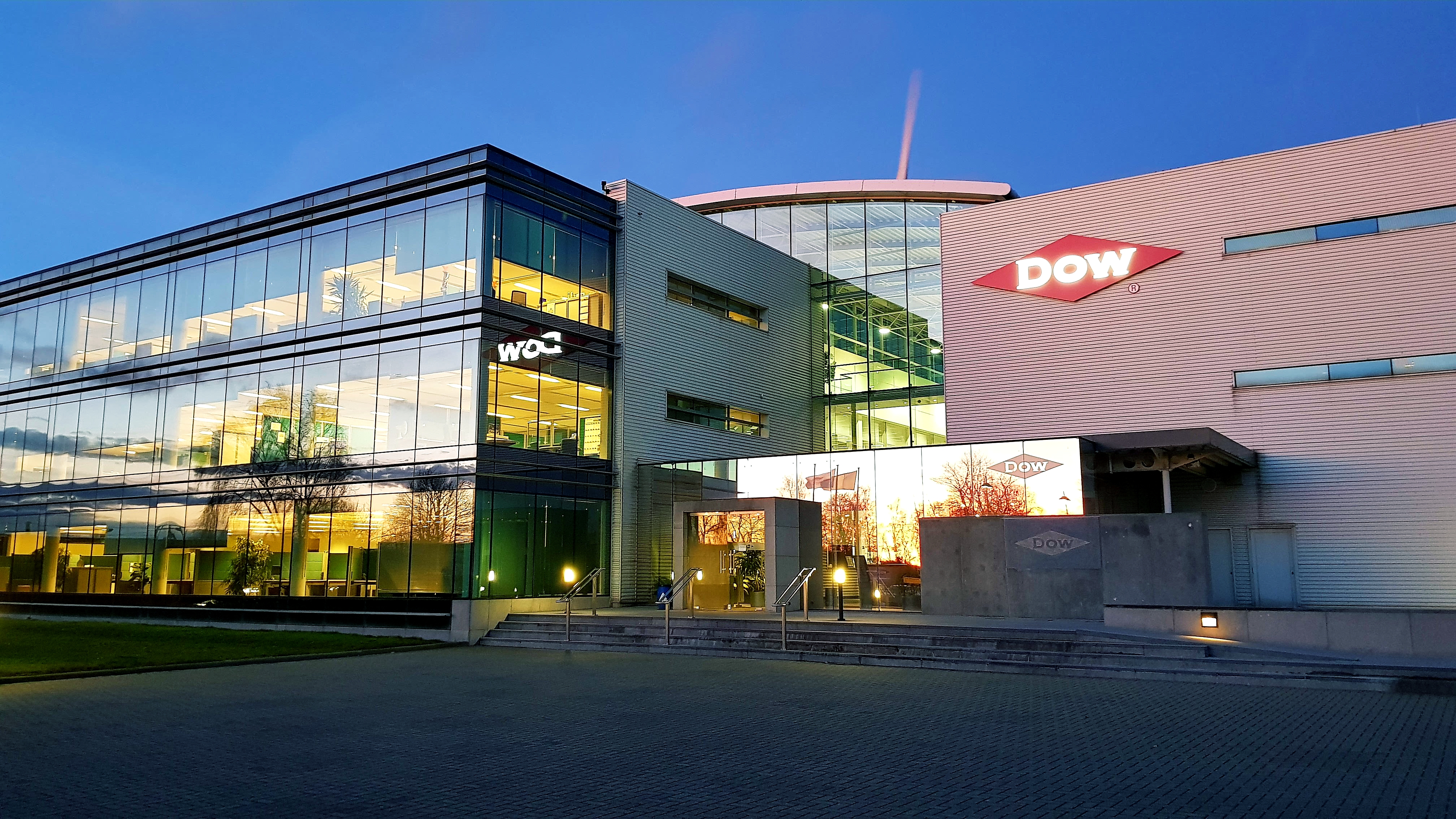
Dow
- Stock #3: Dow (NYSE:DOW | DOW Price Prediction)
- Yield: 4.72%
- Shares for $30,000: 1,011.46
- Annual Passive Income: ~$1,416
Packaging & Specialty Plastics is Dow’s largest segment. It makes polyethylene for flexible packaging, and the Industrial Intermediates & Infrastructure segment supplies polyurethanes and construction chemicals. In the third quarter, sales rose to $13.1 billion, helped by higher polyethylene prices.
Dow paid $0.70 per share per quarter from 2019 until it halved the dividend to $0.35, starting with the Aug. 29, 2025 ex-date. Its trailing diluted EPS of -$1.29 leaves GAAP earnings short of the payout. Third-quarter operating EPS of $0.71 covered the $0.35 quarterly dividend about twice, though more than $400 million of that came from releasing working capital.
The key risk is persistent global overcapacity in commodity chemicals. Shares have fallen 12.74% over the past month.
LyondellBasell
- Stock #2: LyondellBasell Industries (NYSE:LYB)
- Yield: 4.85% (forward, post-cut rate)
- Shares for $30,000: 526.69
- Annual Passive Income: ~$1,454
LyondellBasell ranks among the world’s largest producers of polyethylene and polypropylene, the building blocks of plastic bottles, pipes and packaging films. Beyond that, it makes propylene oxide, oxyfuels and acetyls, and it is the largest licensor of polyethylene and polypropylene technologies.
The company cut its quarterly dividend from $1.37 to $0.69, effective March 2, 2026. The yield above uses the reduced rate. Its trailing dividend of $3.44 still includes a pre-cut payment, making the forward figure a more accurate measure.
The board reset the payout when the cycle turned, which leaves this yield dependent on the cycle. Shares have fallen 15.43% over the past month after third-quarter adjusted EPS of $2.54[1] missed analyst estimates.
That quarter’s earnings still covered the dividend, with the payout at roughly 27%. Operating cash flow of $1.7 billion[1] less $303 million in capex left about $1.397 billion in free cash flow. Quarterly dividends cost the company about $224 million[2]. LyondellBasell repaid a €500 million note in September. The main risk is weak European demand: management guided European O&P operating rates to just 60%[1].
Eastman Chemical
- Stock #1: Eastman Chemical (NYSE:EMN)
- Yield: 5.45%
- Shares for $30,000: 486.70
- Annual Passive Income: ~$1,636
Eastman is a specialty materials company based in Kingsport, Tennessee. Its Advanced Materials segment makes specialty plastics such as Tritan copolyester, which is used in bottles and packaging. Three other segments, Additives & Functional Products, Chemical Intermediates and Fibers, make up the rest of the company.
Eastman has raised its regular dividend every year since 2012, most recently to $0.84 a quarter, and its payment record goes back to 1999. The higher yield partly reflects a 32.37% five-year share price decline. The annual dividend of $3.36 equals about 54% to 56% of the company’s 2026 adjusted EPS guidance of $6.00 to $6.20[3].
Guidance for roughly $850 million[3] in operating cash flow and $400 million in capex implies about $450 million in free cash flow. Quarterly payouts run around $96 million[4]. Net debt rose to $4.45 billion, and the main risk is rising raw material and distribution costs linked to the Middle East conflict.
Three Chemical Dividends, One Income Stream
| Name | Yield | Annual Dividend Income |
|---|---|---|
| Dow | 4.72% | $1,416 |
| LyondellBasell | 4.85% | $1,454 |
| Eastman Chemical | 5.45% | $1,636 |
| Total | 5.01% | $4,505 |
Combined, these 3 positions generate $4,505 in annual passive income on a $90,000 investment, a blended yield of 5.01%. Eastman Chemical contributes $1,636, LyondellBasell adds $1,454, and Dow rounds out the group with $1,416.
Dividend shares can be sold in a single trading session, while a rental property takes months to sell and carries closing costs. That liquidity lets an income investor trim a position, rebalance, or invest cash quickly when a payout changes.
In a cyclical sector where two of these three companies have already reset their dividends, being able to adjust quickly matters for income investors (we laid out the seven warning signs that a big yield is about to be cut in a free report here).
Contact [email protected] for any questions or corrections.
David Beren has been a Flywheel Publishing contributor since 2022. Writing for 24/7 Wall St. since 2023, David loves to write about topics of all shapes and sizes. As a technology expert, David focuses heavily on consumer electronics brands, automobiles, and general technology. He has previously written for LifeWire, formerly About.com. As a part-time freelance writer, David’s “day job” has been working on and leading social media for multiple Fortune 100 brands. David loves the flexibility of this field and its ability to reach customers exactly where they like to spend their time. Additionally, David previously published his own blog, TmoNews.com, which reached 3 million readers in its first year. In addition to freelance and social media work, David loves to spend time with his family and children and relive the glory days of video game consoles by playing any retro game console he can get his hands on.