The Fed Enters Its Blackout Period This Weekend With a December Rate Hike 100% Priced In

This post may contain links from our sponsors and affiliates, and Flywheel Publishing may receive compensation for actions taken through them.
Federal Reserve officials stop talking about policy at 12:00 a.m. ET on Saturday, November 28, and bond investors used the last session before that silence to sell. The 10-year Treasury yield closed Friday, November 27, at 4.94%, up from 4.85% on Wednesday, even though stocks rallied.
Long bonds took most of the damage. The iShares 20+ Year Treasury Bond ETF (NASDAQ:TLT) fell 1.2% to close at $81.27. Futures-implied odds of a rate raise at the December 9 meeting stayed at 100%, a reading that has held for about two weeks.
TLT holders who rely on the fund for income need to know whether that price already reflects the worst of this tightening cycle. Officials will speak to that with new forecasts on December 9, and until then they cannot push expectations in either direction.
What the Blackout Covers and What Markets Assume
The blackout runs from November 28 through Thursday, December 10. During that window, officials can speak on non-policy topics, as Governor Michelle Bowman did with a bank-supervision speech on November 25, but they cannot talk about the economy or rates.
That puts the weight on data. The November jobs report comes Friday, December 4, at 8:30 a.m. ET, and it is the last major input before the December 8 and 9 meeting.
The target range stands at 3.75% to 4.00% after a 10-2 vote to hold on October 28, when Lisa Cook and Beth Hammack dissented in favor of a quarter-point raise. The statement said, “Inflation remains elevated.”
A raise is priced in, though officials still have to decide. Futures show 64% odds that the range is at least 50 basis points higher, at 4.25% to 4.50%, after the January 27, 2027 meeting (a basis point is one hundredth of a percentage point). A second gauge shows a 25-basis-point December raise fully priced and about 71 basis points of hikes by mid-2027.
Why Friday’s Selloff Hit TLT Hardest
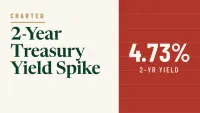
The 2-year yield rose to 4.69% from 4.61%, and the 30-year climbed to 5.33% from 5.24% in a shortened session that closed at 2 p.m. ET. The 10-year’s 9-basis-point rise was its biggest since November 12, leaving it exactly where it ended October after topping out at 5.15% on November 13.
TLT holds Treasuries maturing in 20 years or more, which gives it long duration, a measure of how far a bond’s price falls when yields rise. The longer the maturity, the bigger the loss for the same yield move.
Inflation gave officials reason to lean militant before going quiet. October PCE rose 3.8% from a year earlier, and core PCE rose 3.3%, with both up 0.3% for the month.
New York Fed President John Williams said November 23 that “inflation is simply too high,” and Vice Chair Philip Jefferson agreed. He said November 19 that “the AI buildout is exerting upward pressure on demand and inflation.”
Reasons to Doubt the Hawkish Consensus
Jefferies economist Mohit Kumar said the meeting “should mark the peak in [the] Fed’s hawkishness,” and Jefferies doubts the Fed will hike as much as markets price. If inflation cools, long yields would fall, and TLT would gain while paying more income than it did when rates were lower.
The Summary of Economic Projections matters more than the rate hike itself because it shows where officials expect rates in 2027 and beyond. Long bonds price that entire path.
On the bear side, hot inflation and AI-driven demand could force more hikes, and TLT is already down 3.1% year to date and 35.24% over five years.
Should You Buy or Sell TLT ETF
My view is that TLT’s risks outweigh its rewards right now. With core inflation at 3.3% and hikes priced into mid-2027, a 5.33% 30-year yield does not pay enough to justify the price risk ahead of projections that could extend the tightening path.
Short-term Treasuries offer a better trade-off. On November 27, 13-week bills yielded 4.27% and 52-week bills 4.58%, and their prices barely move when rates change.
Short-term Treasury ETFs carry that same low sensitivity, while intermediate Treasury funds sit in between, offering more upside if yields fall with moderate price risk. You give up TLT’s recovery if Kumar is right.
In practical terms, if the December 4 jobs report is soft and the 10-year closes below its November 5 low of 4.84%[1] after the December 9 projections, this call is wrong, while a close above 5.15% would confirm it.
Contact [email protected] for any questions or corrections.
Omor Ibne Ehsan is a writer at 24/7 Wall St. He is a self-taught investor with a focus on growth, cyclical, and dividend equities that have strong fundamentals, value, and long-term potential. He also has an interest in high-risk, high-reward investments such as penny stocks.