Should You Buy XRP Directly or a Spot XRP ETF?
Until late 2025, owning XRP (CRYPTO:XRP) meant one thing: you opened an account on a crypto exchange, bought the coin, and figured out how to keep it safe. Now there’s a second door. Spot XRP ETFs let you get the…

This post may contain links from our sponsors and affiliates, and Flywheel Publishing may receive compensation for actions taken through them.

Until late 2025, owning XRP (CRYPTO:XRP) meant one thing: you opened an account on a crypto exchange, bought the coin, and figured out how to keep it safe. Now there’s a second door. Spot XRP ETFs let you get the same price exposure inside a regular brokerage account.
Both options track the same coin, which trades around $1.20 today, so your gains and losses move the same either way. What changes is everything around the coin: the fees you pay, the taxes you owe, how much control you have, and how much you have to manage yourself. The right choice depends on what you actually want out of holding XRP, so here’s how each one works and how to decide.
What You’re Actually Choosing Between
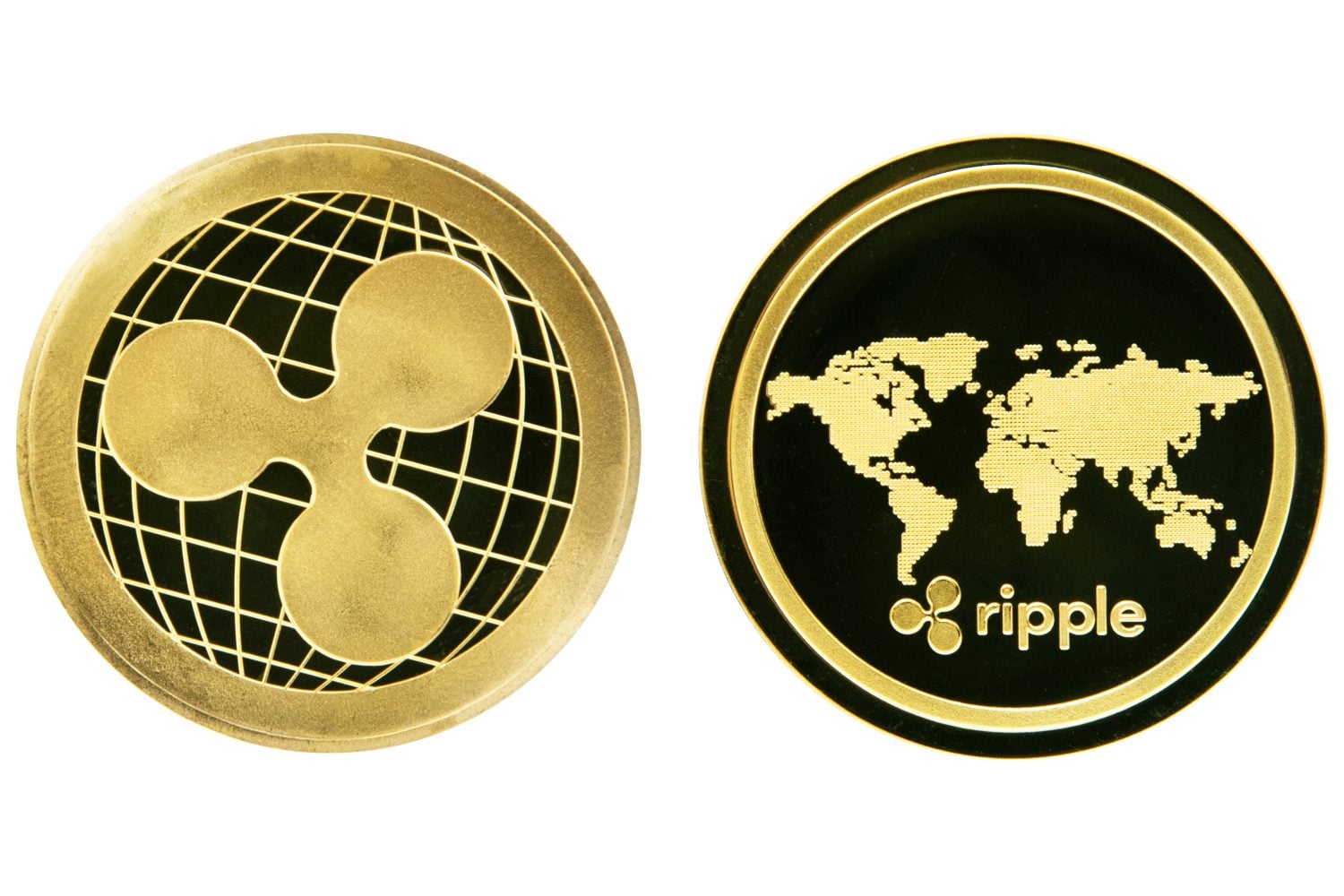
The two routes sound similar but put very different things in your hands. Buying XRP directly means going to a crypto exchange like Coinbase or Kraken, buying the coin, and either leaving it on the exchange or moving it to your own wallet. The XRP is yours, and you can hold it, send it, or spend it.
A spot XRP ETF works differently. A fund company like Bitwise, Franklin Templeton, or Grayscale buys real XRP, holds it for you, and sells you shares that rise and fall with the price. The “spot” part means the fund owns actual XRP, not futures contracts or anything synthetic. You buy those shares in your normal brokerage account, the same way you’d buy Apple stock.
So the core difference is ownership. When you buy directly, you hold the coin itself, but when you buy the ETF, you hold a share that tracks the coin, while the fund does the holding. That one distinction drives every trade-off that follows. If you lean toward the fund, our guide to buying an XRP ETF walks through the steps.
Why You Might Buy XRP Directly
Owning the coin yourself has clear advantages, starting with cost. A crypto exchange charges a one-time fee when you buy, usually around 0.1% to 0.5%, and that’s it. An ETF charges a fee every single year you hold it. For someone planning to hold XRP for years, that yearly charge quietly adds up, while the coin you bought directly just costs you nothing to keep.
You can also trade whenever you want. Crypto markets never close, so you can buy or sell your XRP on a Saturday night or at 3 a.m. if you feel like it. An ETF only trades during stock market hours, which means you’re locked out on weekends and holidays, exactly when crypto sometimes makes its biggest moves.
Most of all, the coin is genuinely yours to use. You can move it to a wallet, send it to someone, or put it to work on the XRP Ledger, things an ETF share simply can’t do. The catch is that all of this puts you in charge of security. If you hold your own XRP and lose your password or recovery phrase, the coin is gone for good, with no support line to call and no way to reset it. That responsibility is the price of full control.
Why a Spot XRP ETF Might Suit You Better
For a lot of people, the ETF removes the exact headaches that make direct ownership stressful. You buy it through a broker you probably already use, like Schwab, Vanguard, or Fidelity, right alongside your other investments.
There are no wallets to set up, no recovery phrases to guard, and a regulated custodian holds the actual XRP for you. Some of those brokers won’t sell you the coin directly at all, so the ETF is the only way to hold XRP in the account you already have. It’s also opened the door to big traditional managers like T. Rowe Price putting XRP in front of advisors and retirement money for the first time.
That said, the ETFs do charge an annual fee, and it’s worth shopping around because the range is wide. Franklin Templeton’s fund (XRPZ) is the cheapest at 0.19%, Bitwise’s fund (XRP) is the most heavily traded at 0.34%, and the REX-Osprey fund (XRPR) is the priciest at 0.75%. On a long hold those differences matter, but they’re small next to the ETF’s biggest draw.
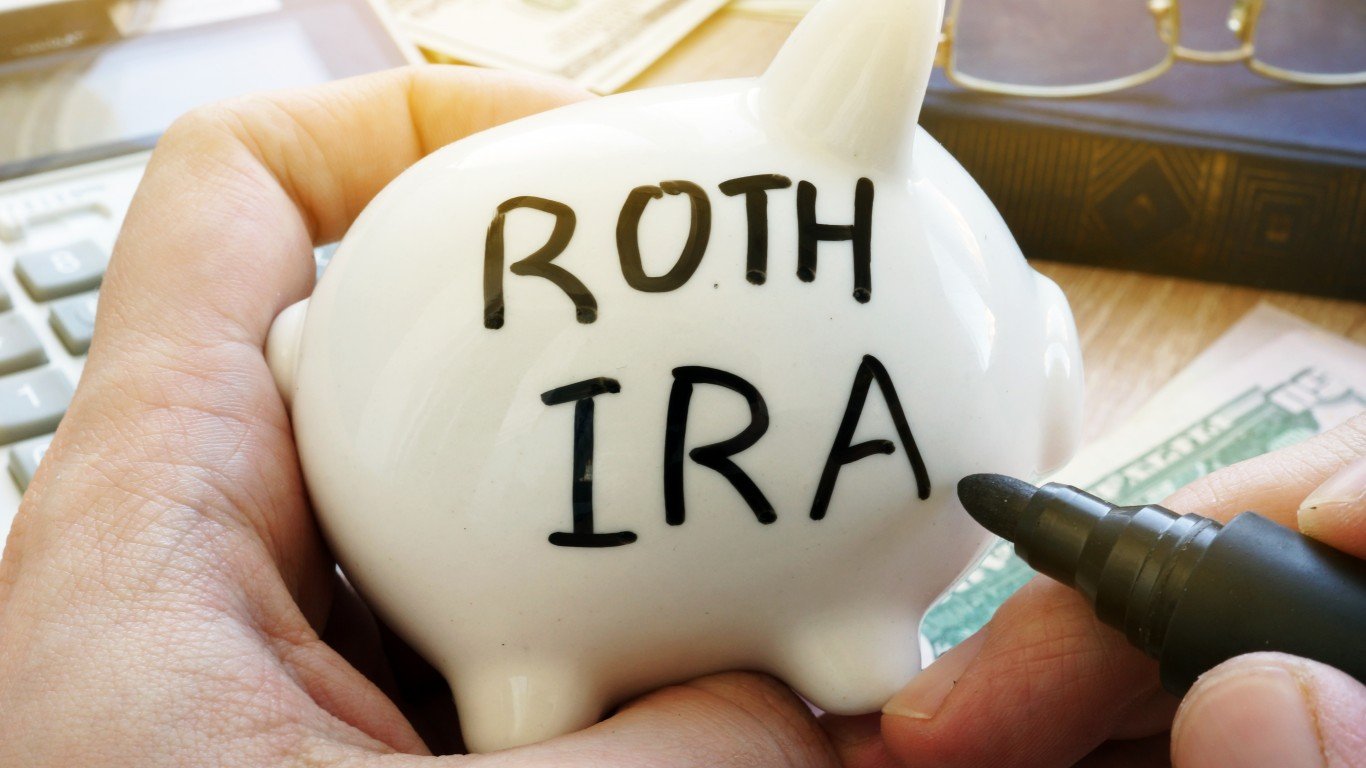
That draw is the retirement account. You can hold an XRP ETF inside a Traditional IRA, a Roth IRA, or a 401k, which direct XRP almost never allows. The Roth is the standout, because you pay tax on the money going in and the gains can come out completely tax-free. The difference is huge, too, because a position that grows from $50,000 to $500,000 would hand you a tax bill of roughly $108,000 in a normal account, and nothing at all in a Roth. No fee saving from owning the coin directly comes close to that.
How to Decide Which Is Right for You

Start by asking yourself a few plain questions. The first is where the money is going. If you’re investing through a retirement account, especially a Roth for those tax-free gains, the ETF is your answer, because direct XRP generally can’t go in one.
If it’s regular money outside a retirement account, the next question is how long you plan to hold. If you’re buying to hold for years and you don’t want to pay a fee every one of them, owning the coin directly is usually the cheaper road. The question after that is whether you actually want to use XRP or just bet on its price.
If you want to move it, hold your own keys, trade on weekends, or use it on the XRP Ledger, you need the real coin. If you only care about the price going up, the ETF gives you that just fine.
The last thing to weigh is how you feel about security. If managing keys and wallets sounds like a job you don’t want, the ETF’s regulated custody takes that worry off your plate. If you’re comfortable looking after your own coins, that’s no barrier at all, and direct ownership stays on the table.
Which Should You Buy: Spot XRP or Spot XRP ETF?
For most people, the whole decision depends on a single question: is this money going into a retirement account? If the answer is yes, the ETF wins almost on its own, because the tax break beats every other factor. If it’s regular taxable money, then it really is about whether you want to use XRP or just own its price.
It’s also worth remembering this isn’t an either-or choice. Plenty of investors run both, holding an ETF in their IRA for the tax advantage and keeping some XRP directly for the control and the freedom to actually use it. Start with where your money lives and what you want XRP to do for you, and the right door tends to pick itself.
Contact [email protected] for any questions or corrections.
Sam Daodu is a crypto analyst who's spent nearly a decade making blockchain understandable—no easy task when most whitepapers read like fever dreams. He writes for 24/7 Wall St., covering Bitcoin, altcoins, and crypto market analysis for investors. Before crypto, he was a tech writer (back when explaining "the cloud" was peak innovation). Since 2018, he's written for CoinTelegraph, Yahoo Finance, The Block, Cryptonews, Zypto, Rain, and more—basically anywhere people want crypto news without the headache. Sam runs MacLabs Marketing, a content agency for crypto brands tired of sounding like AI wrote their website. He also publishes free crypto education on his site for Web3 enthusiasts who think "gas fees" is a typo. When he's not writing or staring at charts, Sam's either: - Watching anime (currently convinced One Piece has better tokenomics than most altcoins) - At the gym sculpting himself into a Greek god - Listening to the music your mum warned you only bad boys listen to Connect: LinkedIn | Email | MacLabs Marketing