Ethereum ETFs Experience $366 Million Loss in Just Two Days as Whales Capitalize on the Dip
Ethereum ETFs bled hundreds of millions in two days while whale wallets moved in the opposite direction, and the two camps could not have read the same market data more differently.


In a span of just 48 hours, Ethereum (CRYPTO:ETH) has shown two contrasting trends. Ethereum Exchange Traded Funds have fallen sharply, while major whale wallets have been buying during the dip.
This divergence reflects differing views on Ethereum’s outlook, and the price has already shown which side was right.
BlackRock Led Two Days of Ethereum ETF Selling
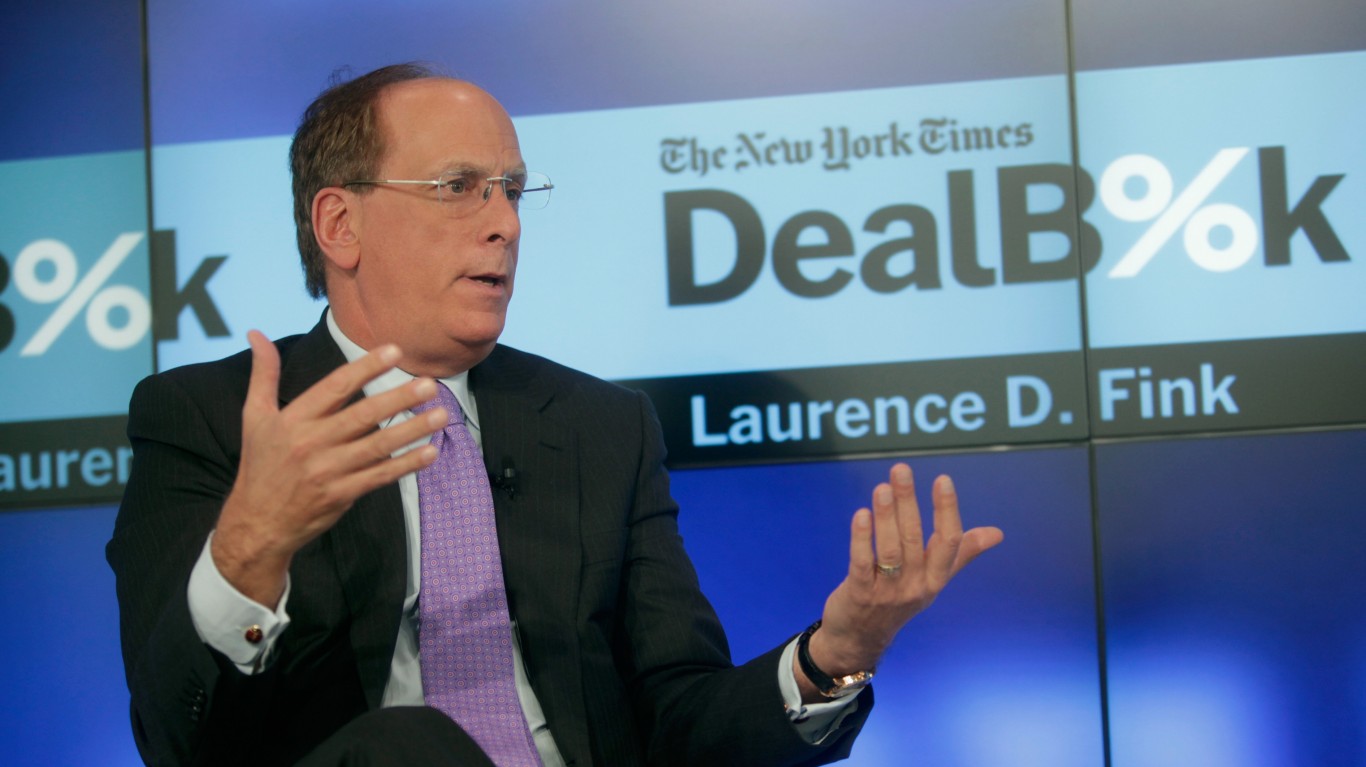
On September 15, US spot Ethereum ETFs recorded an outflow of $141.47 million, followed by another $224.11 million on September 16, the largest single-day outflow of the month. BlackRock (NYSE:BLK | BLK Price Prediction) drove nearly half of the second day’s losses, contributing $110.03 million.
The reversal ended four consecutive weeks of inflows, and the fund’s net assets plunged from $16.42 billion on September 14 to $15.16 billion by the close on September 16. That $1.26 billion drop came against only $366 million in withdrawals, so roughly $894 million was the price of Ethereum falling rather than investors leaving.
The Federal Reserve supplied the trigger. On September 16, it raised its target range by a quarter point, to 3.75% to 4.00%, its first increase since 2023, and the 10-year Treasury yield closed at 5.01% the same day, its highest in a year.
BitMine and SharpLink Staked Instead

In contrast to the funds’ losses, the staking numbers surged. Staking involves locking ETH to validate transactions while earning a yield of around 3% to 4%, and those coins can only leave through an exit queue that currently runs for days to weeks.
More than one-third of circulating ETH is now staked, and exchange balances have fallen to multi-year lows. Lower exchange inventory means less sellable Ethereum is available, suggesting whales are taking a longer-term view.
BitMine stakes approximately 85% of its Ethereum holdings, while SharpLink stakes almost all of its own. Their actions reflect a commitment to hold ETH for extended durations, countering the short-term strategies employed by the ETFs.
One Group Can Sell Tomorrow, the Other Can’t

Institutional allocators and whale investors read the same market data, but they differ in how quickly they can act on it. ETF investments are typically reassessed against benchmarks and risk models, particularly when interest rates fluctuate.
With the target range at 3.75% to 4.00% and the 10-year at 5.01%, the discount rate an allocator applies to a volatile asset rises, and the share of the book Ethereum can defend falls. The VIX at 17.71 on September 16, up 16.6% for the month, was not panic, yet it was enough to justify a trim.
Conversely, those locking ETH into staking focus on long-term value. They are waiting on future trading performance rather than the immediate fluctuations dictated by Fed meetings, and a staked coin cannot be exited in an afternoon regardless of what the next meeting brings.
So Who Was Right About Ethereum?
The whales’ strategy seems to have paid off. Ethereum dipped to $2,372 on September 17 and reached $2,609.61 by September 18, a 10% recovery from its low, and it is up 6.3% for the week and 24.9% for the month. The clearest sign came on the 17th, when the funds recorded a $39.24 million outflow and their net assets rose anyway.
Two days is a relatively short time frame, and both groups have had varied performance over longer periods. The funds are also smaller than the headlines imply, holding $15.42 billion against Ethereum’s $318.55 billion market capitalization, or 4.84%.
That share is small enough that a week of outflows moves the price far less than any flow number suggests. Ethereum holding above $2,372 keeps the dip-buyer read alive, and losing it turns a vindicated buy back into an early one.
Contact [email protected] for any questions or corrections.
Sam Daodu is a crypto analyst who's spent nearly a decade making blockchain understandable—no easy task when most whitepapers read like fever dreams. He writes for 24/7 Wall St., covering Bitcoin, altcoins, and crypto market analysis for investors. Before crypto, he was a tech writer (back when explaining "the cloud" was peak innovation). Since 2018, he's written for CoinTelegraph, Yahoo Finance, The Block, Cryptonews, Zypto, Rain, and more—basically anywhere people want crypto news without the headache. Sam runs MacLabs Marketing, a content agency for crypto brands tired of sounding like AI wrote their website. He also publishes free crypto education on his site for Web3 enthusiasts who think "gas fees" is a typo. When he's not writing or staring at charts, Sam's either: - Watching anime (currently convinced One Piece has better tokenomics than most altcoins) - At the gym sculpting himself into a Greek god - Listening to the music your mum warned you only bad boys listen to Connect: LinkedIn | Email | MacLabs Marketing