Ethereum’s Layer-2 Tokens Rallied Up to 26% in a Day. Why Ethereum Only Managed 7%
When a market rally lifted all boats, two small tokens built on Ethereum left the flagship cryptocurrency far behind, and the reason reveals something uncomfortable about how investors chase gains in crypto markets.

This post may contain links from our sponsors and affiliates, and Flywheel Publishing may receive compensation for actions taken through them.

On September 18, 2026, Ethereum (CRYPTO:ETH) ended the day at $2,611.34, up 6.8% from the previous day, and trades at $2,700 as of September 21. Meanwhile, two prominent tokens built on Ethereum, Arbitrum (CRYPTO:ARB) and Starknet (CRYPTO:STRK), saw much larger price jumps. Arbitrum surged about 17% that day and 26% over 24 hours to $0.2212, while Starknet gained 18%, reaching its highest price since June 19.
Since then, the Ethereum price has risen an additional 4%, but ARB has dipped back to around $0.20, and STRK is trading near $0.049. This raises a question for investors: why did the smaller tokens rise three to four times higher than Ethereum, and does that mean ARB or STRK is a better investment?
Arbitrum and Starknet Process Transactions That Ethereum Then Settles

Layer-2 networks like Arbitrum and Starknet operate differently from Ethereum. They handle transactions off the main Ethereum chain and then submit a summary of those transactions back to Ethereum for final verification. By bundling thousands of transactions into one batch, these networks let users pay lower fees, while Ethereum benefits by collecting a small fee to process the batch.
It’s important to note that ARB and STRK are distinct from the Layer-2 networks themselves. ARB is primarily a governance token, meaning that holders can vote on decisions regarding updates and treasury spending on Arbitrum. STRK, by contrast, is used for transactions on the Starknet platform and can be staked to help secure the network. Neither token directly represents ownership in Ethereum.
During a price rally, traders can overlook this distinction. When ARB jumps 26% while Ethereum rises 6.8%, traders often assume ARB’s gains are directly linked to Ethereum’s performance. In reality, ARB benefited from targeted buying in a smaller market, along with its own positive news.
Standard Chartered Gave Arbitrum a Catalyst the Ethereum Price Did Not Have
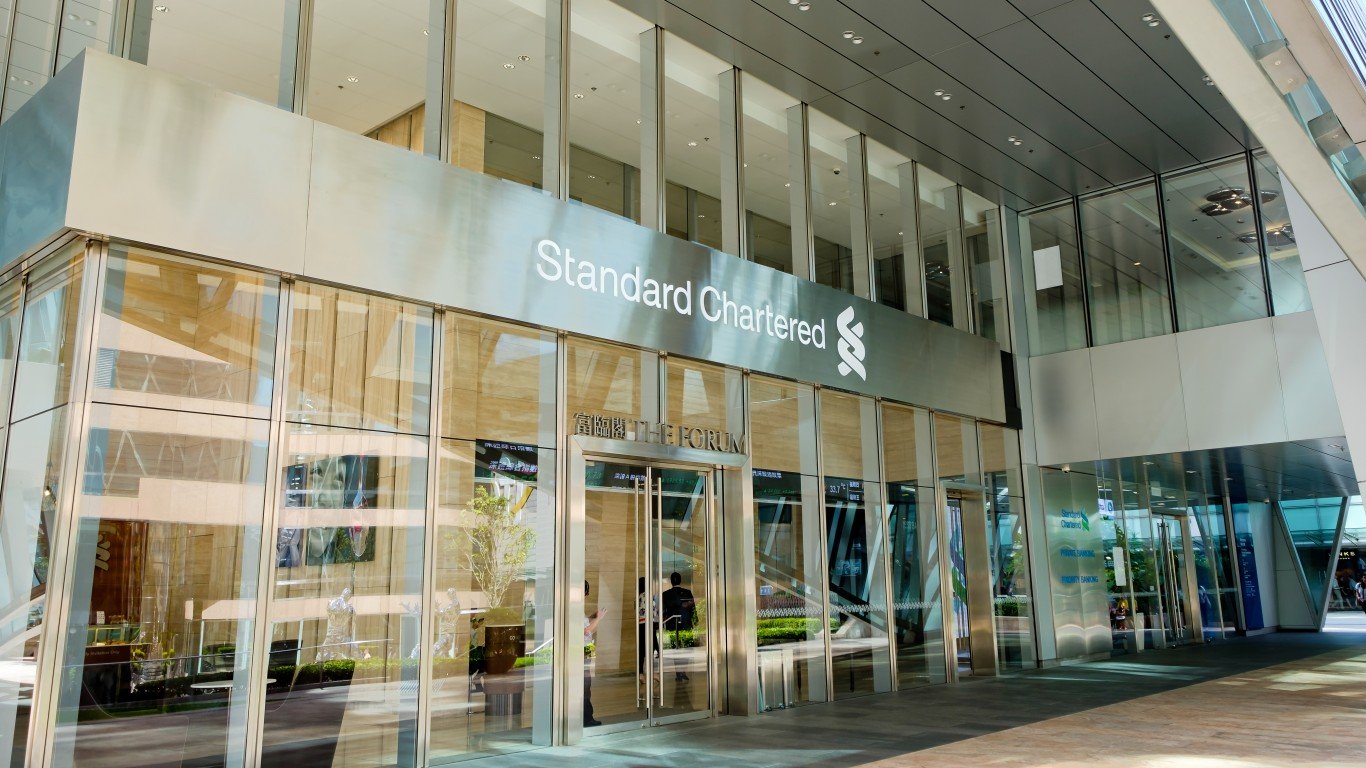
Arbitrum’s price increase began with a note from Standard Chartered on September 16. The bank initiated coverage of ARB with a target price of $0.50 for the end of 2026 and $10 for 2030. This positive outlook was influenced by the Arbitrum Expansion Program, which allows chains using Arbitrum’s technology, like the recently launched Robinhood Chain, to return 10% of their net revenue to the Arbitrum DAO.
This revenue has already started to come in. The Arbitrum DAO reported $6.19 million in income for the first half of 2026, with monthly revenue now about $5 million—over five times its previous levels. On the same day, approximately 92.65 million ARB, around 1.4% of the circulating supply, became available, yet the price continued to rise, indicating strong demand.
Two days later, a market rally followed as Bitcoin rose above $80,000 and the 10-year Treasury yield dropped below 5%. With positive sentiment and fresh research backing ARB, it saw the largest gains.
Starknet also had encouraging news, including a release of 127 million STRK on September 15, valued at about $3.9 million, which didn’t negatively impact its price. Additionally, the network launched a private prediction market on September 20. In contrast, Ethereum had no major catalysts that week, aside from a recovery above the $2,600 mark.
The Smaller Token Moves Further in Both Directions

As of September 21, Ethereum’s market value stood at about $332 billion, while Arbitrum’s was around $1.4 billion—making Ethereum over 200 times larger. This size difference affects how order books function; Ethereum needs tens of millions of dollars in buy or sell orders to move even a small percentage, which isn’t the case for ARB and STRK. So the same buying pressure that lifted Ethereum by 7% also allowed ARB to surge 26%.
However, the reverse is also true. A token that jumps 26% on a good day may fall a similar amount during a downturn. ARB, for example, is still trading about 91% below its 2023 peak of $2.39, even after seeing a significant rise from its 2026 low of $0.07. Similarly, STRK fell around 9% following an earlier unlock.
Overall, the percentage gains reflect the token’s market size rather than its overall value. Ethereum’s 6.8% gain stemmed from broader market news and significant investment inflows, while ARB’s spike was driven by targeted interest backed by news. While ARB had a notable increase, it has already started to lose some of those gains, underscoring the volatility of smaller tokens.
Why Did the Ethereum Price Increase Only 6.8% While Its Layer-2 Tokens Jumped Up to 26%?
Ethereum’s smaller price change is mostly because it is over 200 times larger than the Layer-2 tokens built on it. Additionally, recent news affecting Arbitrum and the Starknet unlock was mainly related to the rollups, driving their price movements. The market-wide buying on September 18 impacted all coins, and the price changes mirrored the size of each market. Thus, the 6.8% rise in Ethereum and the 26% jump in Layer-2 tokens were driven by the same buyers.
Switching from ETH to ARB or STRK for a bigger percentage gain comes with risks. ARB has already tripled in a month and can lose a quarter of its value in just one session. If Ethereum stays above $2,672 and ETF inflows keep coming, it could reach $2,950 with smaller fluctuations. However, if overall buying momentum slows, the tokens that surged by 26% could drop just as quickly, while Ethereum might decline by only a few percent.
Contact [email protected] for any questions or corrections.
Sam Daodu is a crypto analyst who's spent nearly a decade making blockchain understandable—no easy task when most whitepapers read like fever dreams. He writes for 24/7 Wall St., covering Bitcoin, altcoins, and crypto market analysis for investors. Before crypto, he was a tech writer (back when explaining "the cloud" was peak innovation). Since 2018, he's written for CoinTelegraph, Yahoo Finance, The Block, Cryptonews, Zypto, Rain, and more—basically anywhere people want crypto news without the headache. Sam runs MacLabs Marketing, a content agency for crypto brands tired of sounding like AI wrote their website. He also publishes free crypto education on his site for Web3 enthusiasts who think "gas fees" is a typo. When he's not writing or staring at charts, Sam's either: - Watching anime (currently convinced One Piece has better tokenomics than most altcoins) - At the gym sculpting himself into a Greek god - Listening to the music your mum warned you only bad boys listen to Connect: LinkedIn | Email | MacLabs Marketing