Crypto Thieves Broke Into a Home and Threatened a Pregnant Woman to Get the Keys. How Do You Keep a Crypto Holding Private?
Armed robbers broke into a home near Birmingham, threatened a pregnant woman at knifepoint, and walked away with cryptocurrency worth potentially hundreds of thousands of dollars because they already knew exactly where to look. Your public wallet address may be…

This post may contain links from our sponsors and affiliates, and Flywheel Publishing may receive compensation for actions taken through them.
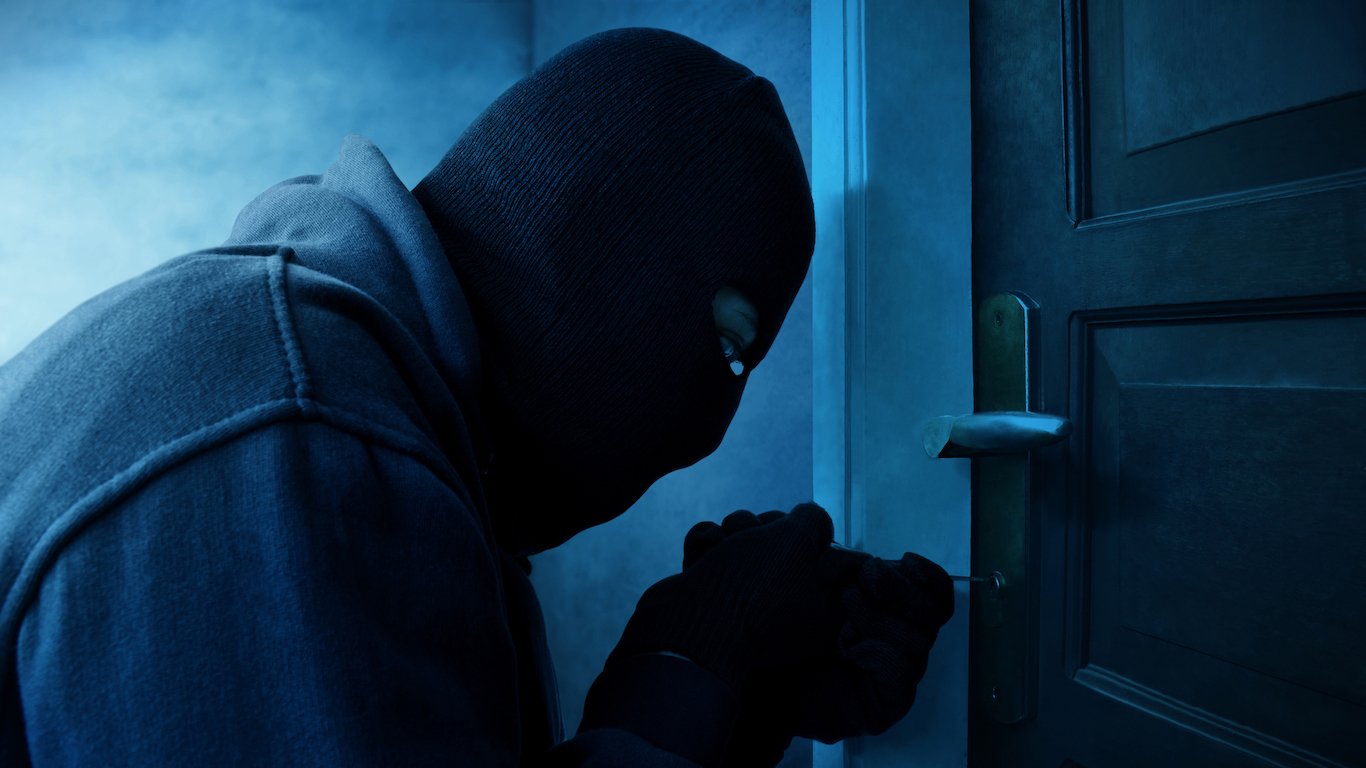
A troubling incident recently highlighted the risky world of crypto: three men broke into a home in Smith’s Wood, near Birmingham, England, on December 13, 2025. They forced a couple to transfer their cryptocurrency while injuring the husband and threatening his pregnant wife with a knife. A fourth accomplice directed the attack via video call. This shocking event underscores the importance of keeping crypto holdings private and securing both your identity and your keys.
The robbers not only stole crypto but also made off with luxury watches and drove away in a black BMW X3. In September 2026, Crimestoppers, a UK charity, offered a £10,000 reward for any information leading to their arrest. Authorities believe this couple was specifically targeted, raising the question: how do thieves find out who holds valuable cryptocurrency, and what measures can holders take to protect themselves?
Crypto Thieves Target the Person Who Holds the Keys
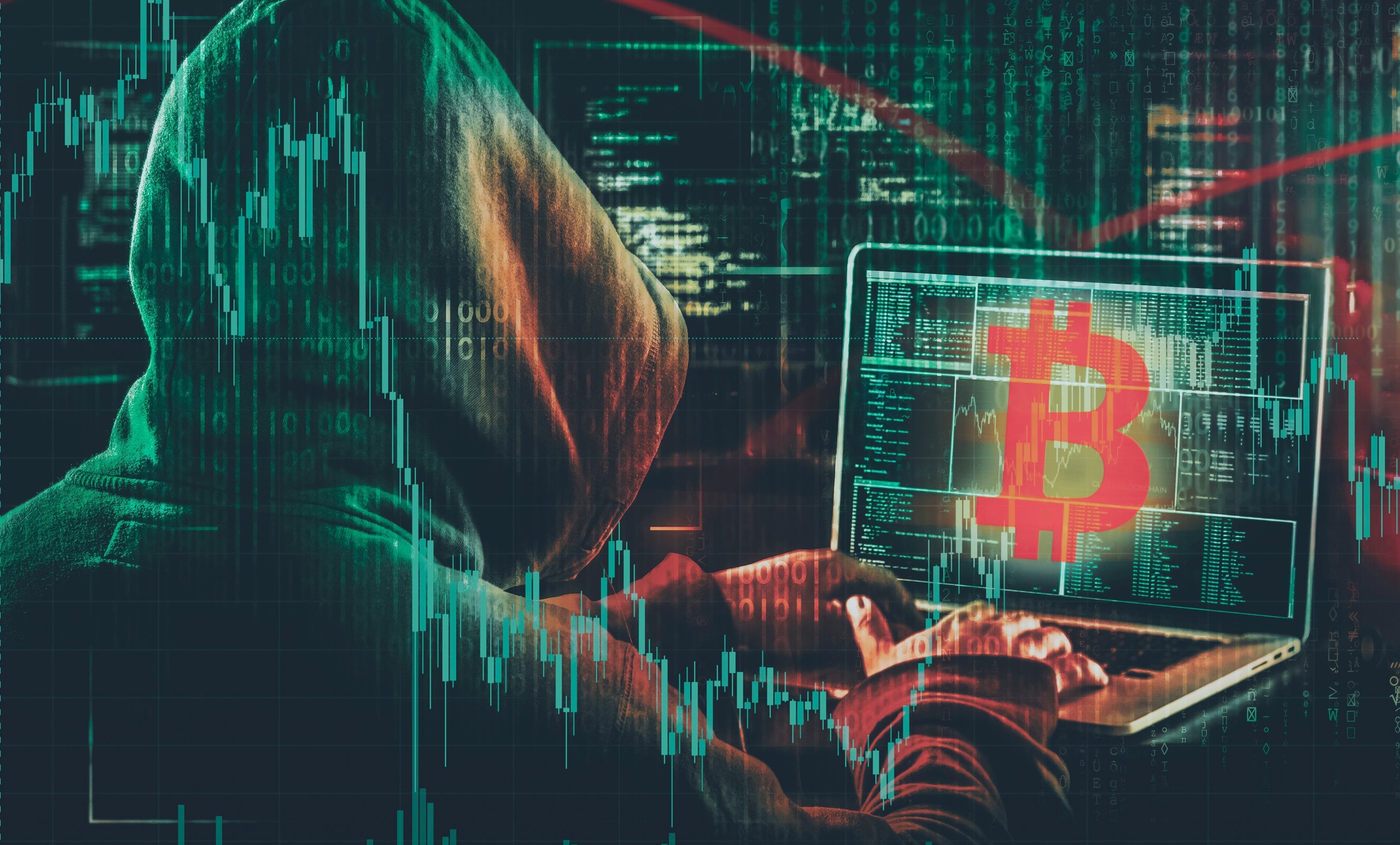
Owning a cryptocurrency wallet is like keeping cash in a drawer; whoever holds the private keys—the secret codes needed to approve transactions—controls the coins. Unlike traditional bank transfers, which a bank can often freeze or recall, a Bitcoin (CRYPTO:BTC) transaction cannot be undone once the network confirms it.
As Bitcoin hovers around $85,000, even a single coin can represent more wealth than many families’ car investments. Security firm CertiK noted a rise in “wrench attacks” in the first half of 2026—robberies using force to steal crypto assets.
| Wrench attacks, per CertiK | First half of 2025 | First half of 2026 |
|---|---|---|
| Wrench attacks | 39 | 52 |
| Home invasions | 1 | 20 |
| Average loss | $270,000 | $2.4 million |
Victims reportedly lost about $124 million in these 52 attacks. France alone recorded 33 incidents, which CertiK attributes in part to significant government data leaks that exposed personal information.
How a Public Wallet Address Can Lead Thieves to a Home Address
Every Bitcoin transaction is permanently recorded on a public ledger. Free tools known as blockchain explorers can display any address’s balance, along with every incoming and outgoing transaction.
This makes cryptocurrency pseudonymous—meaning it is not completely anonymous. An address acts like a pen name, protecting its owner until someone successfully links the name to a real person. Once that connection is made, anyone can monitor the address and see how its balance changes.
Unfortunately, holders may unintentionally provide these links through:
- Social Media Posts: Sharing portfolio screenshots or transaction details can connect an address to the person behind it.
- Public Profiles: Using the same username across platforms or mentioning a crypto job can give away crucial identifiers.
- Conferences and Meetups: Name badges and event photos can inadvertently reveal identity to strangers.
- Online Forums: Asking for help with a specific transaction often ties addresses to usernames.
- Word of Mouth: Friends and family may unknowingly disclose your crypto holdings.
Criminals only need one link between your identity and a public address, often finishing the puzzle with information from a leaked database or public record.
How Separate Addresses and Silence Keep Crypto Private

To limit the potential fallout from a leak, holders should separate their coins across multiple addresses. For instance, one address might handle everyday transactions, while long-term savings are stored elsewhere—ideally in addresses not linked to a person’s identity. This way, if one address is exposed, thieves only see a small portion of the overall holdings.
Moreover, silence can significantly reduce the risk. Avoid posting updates on balances, profits, or losses. Simply keeping that information private can prevent connections from being made.
Also review old posts. Delete any information that shows balances or addresses, as old posts may still link your identity to compromised addresses. When an address is linked to your name, it can reveal the full balance to anyone checking the blockchain explorer.
Bitcoin ETFs and Custodians Take the Keys Out of the Home but Add Company Risk
Another critical decision for crypto holders is who controls the keys. Using a regulated custodian or an exchange-traded fund (ETF) means a robber who breaks in may find no keys to demand. In this case, owning shares in a Bitcoin ETF would let individuals trade like a stock.
However, this choice comes with trade-offs. While custody removes some personal risk, it introduces reliance on the company’s stability and honesty. The collapse of FTX in 2022 is a cautionary tale for this model. On the other hand, self-custody eliminates company risk but increases physical risk at home.
A potential middle ground includes solutions like multi-signature wallets, which require two or more keys to approve a transaction, or vaults with withdrawal delays. These options improve security because one person at home cannot be coerced into moving everything.
How Do You Keep a Crypto Holding Private?
To keep your cryptocurrency holdings private, maintain a low profile, store long-term coins in addresses not tied to your name, and only keep as much on hand as you can protect.
The Smith’s Wood incident is a stark reminder of the risks crypto holders face and the importance of these privacy measures. So as balances grow, how much should a household keep in self-custody to keep crypto private and its members safe?
Contact [email protected] for any questions or corrections.
Sam Daodu is a crypto analyst who's spent nearly a decade making blockchain understandable—no easy task when most whitepapers read like fever dreams. He writes for 24/7 Wall St., covering Bitcoin, altcoins, and crypto market analysis for investors. Before crypto, he was a tech writer (back when explaining "the cloud" was peak innovation). Since 2018, he's written for CoinTelegraph, Yahoo Finance, The Block, Cryptonews, Zypto, Rain, and more—basically anywhere people want crypto news without the headache. Sam runs MacLabs Marketing, a content agency for crypto brands tired of sounding like AI wrote their website. He also publishes free crypto education on his site for Web3 enthusiasts who think "gas fees" is a typo. When he's not writing or staring at charts, Sam's either: - Watching anime (currently convinced One Piece has better tokenomics than most altcoins) - At the gym sculpting himself into a Greek god - Listening to the music your mum warned you only bad boys listen to Connect: LinkedIn | Email | MacLabs Marketing