Solana Launches Open Source Settlement Tool for Institutions: What Does It Mean for SOL?
Solana just gave Wall Street a way to settle trades in seconds without clearinghouses, but the tool at the center of this breakthrough barely touches SOL at all, raising real questions about what institutional adoption actually does for the token's…

This post may contain links from our sponsors and affiliates, and Flywheel Publishing may receive compensation for actions taken through them.

The Solana Foundation recently unveiled Solana DvP, an open-source tool that lets institutions settle trades on the Solana (CRYPTO:SOL) blockchain in seconds. This system allows the asset and payment to transfer simultaneously, addressing critical needs in the professional finance sector, where transactions can involve millions of dollars and failed settlements can lead to significant losses.
Interestingly, Solana’s own developer guide pairs a tokenized bond with USDC, a stablecoin pegged to the dollar, for payment processing. The role of SOL in this context is limited to acting as a transaction fee, rather than the primary asset involved in these trades.
As of October 6, 2026, SOL is trading at $121, down 48% over the past year and about 59% below its all-time high of $293. So, does this new settlement tool for institutions change the fundamental purpose of SOL?
How Solana DvP Settles Institutional Trades in Seconds
Delivery versus Payment, or DvP, is a principle that ensures both an asset and its payment are exchanged simultaneously. This approach eliminates counterparty risk, which is the risk that one party fulfills their side of the deal while the other does not.
In traditional markets, clearinghouses and custodians manage this risk by acting as intermediaries. They guarantee that transactions are completed, but they also charge fees, and in the U.S., stock trades can take a full business day to settle.
With Solana DvP, the process is streamlined and atomic, meaning the entire trade either goes through or fails altogether. The asset and payment are transferred in a single transaction, with the software enforcing the agreement instead of relying on a clearinghouse. The code is available as open source for institutions to use at no cost, with no licensing fees.
Solana DvP Trades Settle in USDC, Not SOL
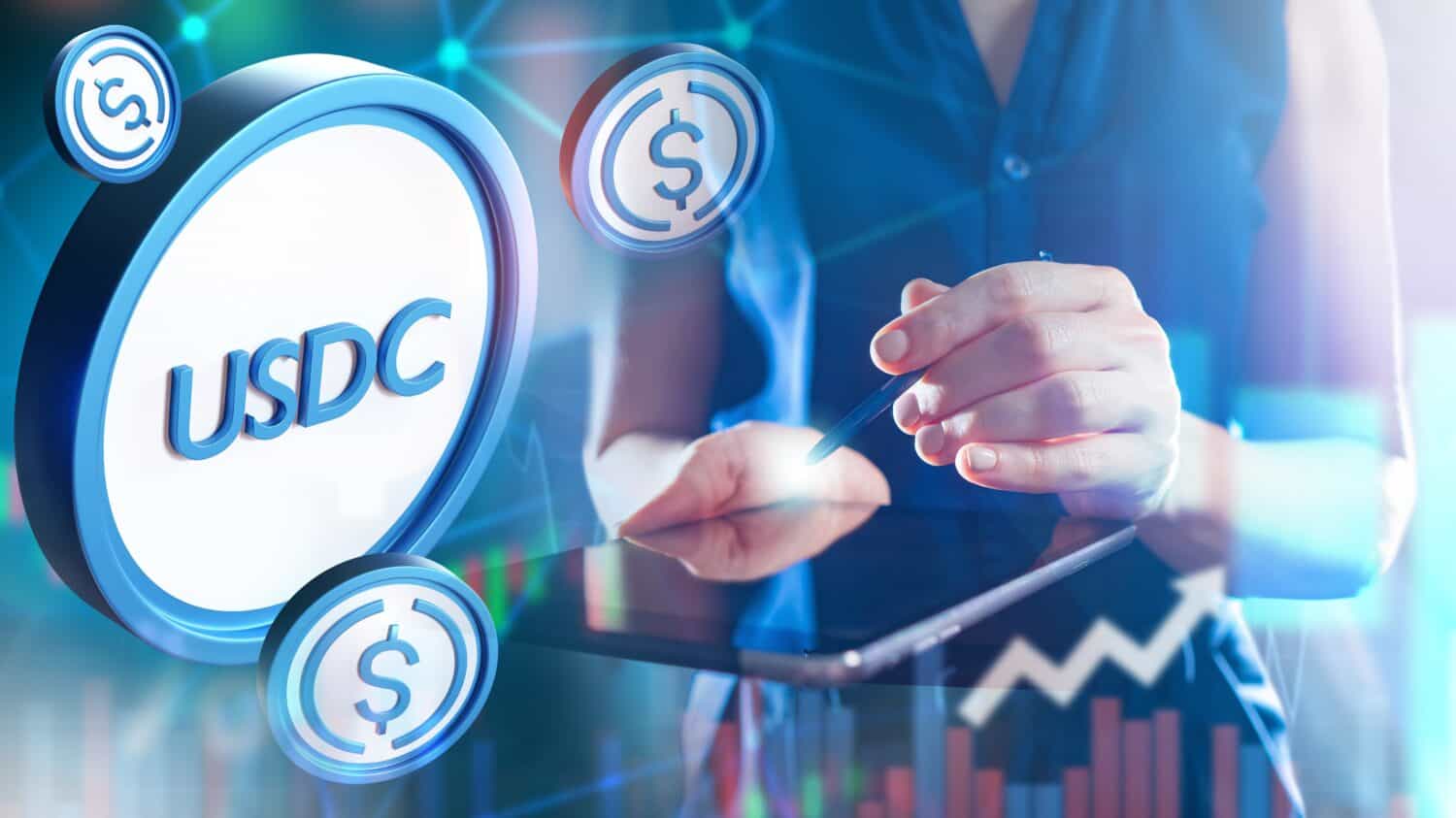
The choice of settlement asset plays a crucial role in determining who benefits from a trade. In Solana’s DvP guide, for example, an investor purchasing a tokenized bond uses USDC, and a settlement agent facilitates the exchange once both parties consent. Notably, SOL is not part of either side of the trade.
SOL’s involvement is limited to covering network fees. Every transaction on Solana incurs a base fee of 5,000 lamports, which translates to 0.000005 SOL—less than a tenth of a cent at the current price of $121, based on Solana’s fee structure. Half of this fee is burned, while the other half goes to the validator. Thus, even a surge in institutional trades may lead to only modest demand for SOL.
As of now, no users, transaction volumes, or launch dates have been identified for live settlement applications using the Solana DvP system. While Solana DvP is ready to use, it remains to be seen if institutions will adopt it.
Why SOL Has Fallen Despite JPMorgan and Citi on Solana
Despite several high-profile companies already operating on Solana—such as JPMorgan, which has issued tokenized commercial paper, and Citi, which has developed a trade finance tool—SOL’s value has dropped by about half over the past year.
New investment products haven’t reversed this trend either. For instance, Morgan Stanley launched a Solana ETF in July, yet SOL still trades significantly below its peak.
Supply dynamics also work against SOL holders. Currently, around 588 million SOL are in circulation, and there is no maximum supply cap, as Solana keeps generating new coins for stakers. For SOL to increase in value, new demand must outpace the continuous issuance of coins.
Does Solana DvP Change What SOL Is For?
The answer is no. Solana DvP broadens Solana’s capabilities for banks and asset managers, but SOL’s function remains unchanged. It still serves as a fee payment method and a means to secure the network through staking. Institutions settling trades in USDC gain access to a faster, more cost-effective solution, while SOL holders will see only a marginal increase in SOL fees.
This situation may evolve if well-known institutions start to settle significant volumes through Solana DvP, to the point where transaction fees and staking demand significantly impact SOL’s market value. Until the Foundation or any banks disclose transaction volumes, the launch of Solana DvP will join previous institutional announcements that haven’t propelled SOL back toward its former highs.
Contact [email protected] for any questions or corrections.
Sam Daodu is a crypto analyst and the editor of 24/7 Wall St.'s Crypto Desk, where he covers Bitcoin, XRP, Ethereum, Solana and the altcoins investors search for most. His work focuses on price levels, spot ETF flows, on-chain data and the regulatory decisions that move crypto markets, written so a first-time buyer and a seasoned trader can both use it.
Sam has written about crypto professionally since 2019 and has published more than 2,000 articles. Before joining 24/7 Wall St., he wrote for crypto media outlets and Web3 companies and ghostwrote for crypto founders and token launches. His analysis is syndicated on Yahoo Finance, MSN and AOL and has been cited by other crypto news sites. He also founded MacLabs Marketing, a content and personal branding agency for crypto founders and executives.
When he isn't reading charts, Sam is usually at the gym or watching One Piece, a series he maintains has better tokenomics than most altcoins.