Should You Buy Bitcoin or XRP Right Now? The Case for Each
Bitcoin and XRP have both taken hits lately, but the size of each coin's drop tells two very different stories about risk, recovery potential, and which type of investor each one actually suits.

This post may contain links from our sponsors and affiliates, and Flywheel Publishing may receive compensation for actions taken through them.

Investors pondering whether to buy Bitcoin or XRP right now are faced with two substantially different coins, both of which have experienced notable price declines recently—though not to the same extent. As of October 11, 2026, Bitcoin (CRYPTO: BTC) trades around $82,966, about 34% below its all-time high of $126,080. Meanwhile, XRP (CRYPTO: XRP) trades at about $1.39, roughly 62% below its peak of $3.65.
These different drop percentages offer two distinct paths for investors. Choosing Bitcoin may mean trusting a more established market that has shown greater resilience. Conversely, choosing XRP could signal a belief that its larger decline leaves more room for recovery.
So, which cryptocurrency best suits your investment goals based on your timeline and risk tolerance?
Why Bitcoin Might Be the Steadier Choice
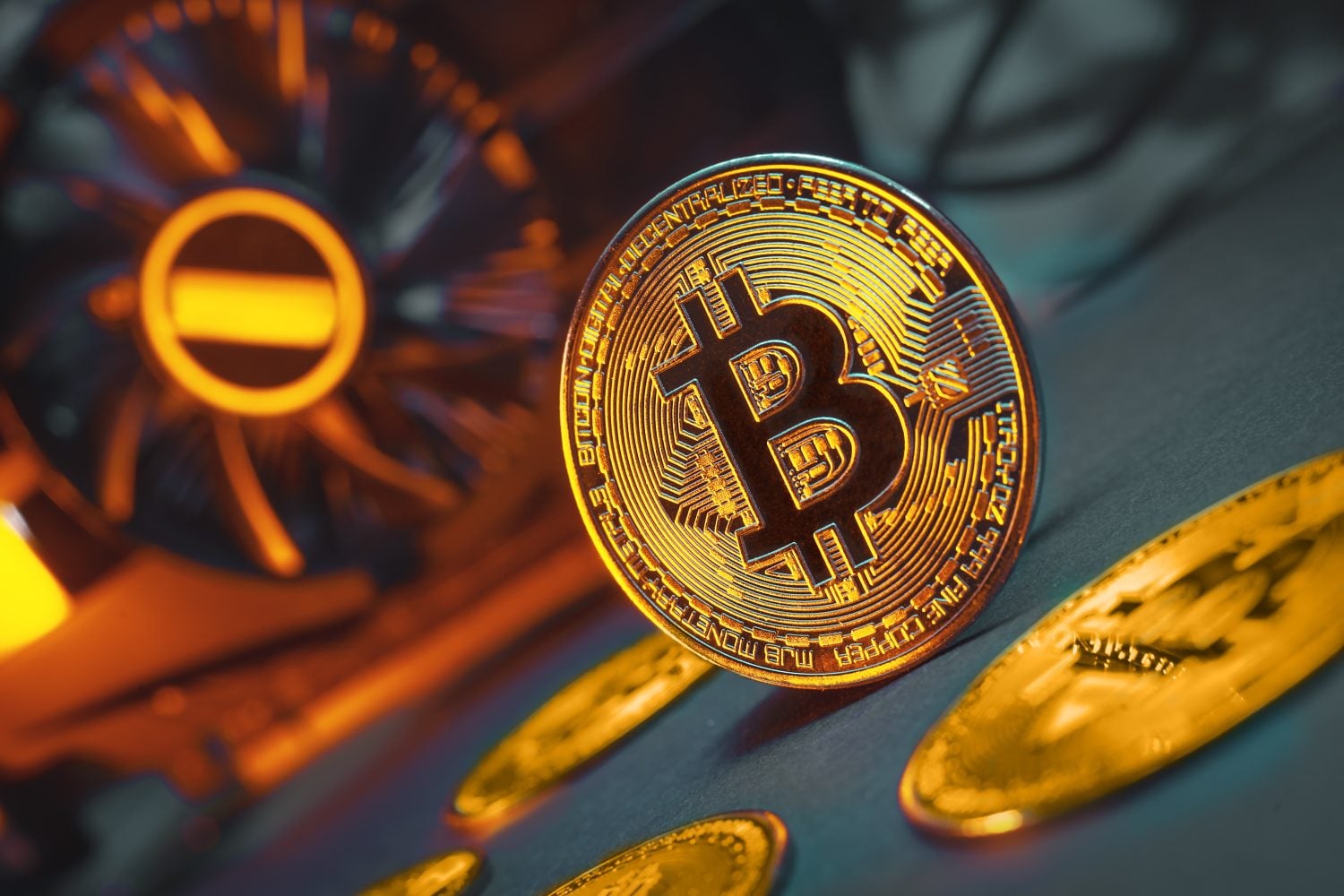
Bitcoin has seen a less severe price drop than XRP, making it look like the steadier option. In 2026, Bitcoin is down just 5.3%, while XRP is down 23.9%. In the past month, Bitcoin has gained 7.3%, significantly outpacing XRP’s 2.9% gain.
One of Bitcoin’s strongest advantages is its robust fund market. The U.S. spot exchange-traded funds (ETFs) that hold Bitcoin manage approximately $105.8 billion. In contrast, XRP ETFs are valued at about $1.6 billion, making Bitcoin’s fund market about 67 times larger.
This size difference affects who can invest in either coin. Many institutional investors, including those with retirement accounts and various managed portfolios, prefer ETFs over investing directly in cryptocurrencies. Therefore, Bitcoin’s larger market opens more doors for institutional money to flow in, as many investment guidelines allow for ETF investments but not direct crypto holdings.
However, a larger market also means Bitcoin has less potential for rapid price increases. Because it starts from a much larger market value, any percentage gains require significantly more new investment than XRP.
Why XRP Might Offer Higher Returns for Risk-Tolerant Investors
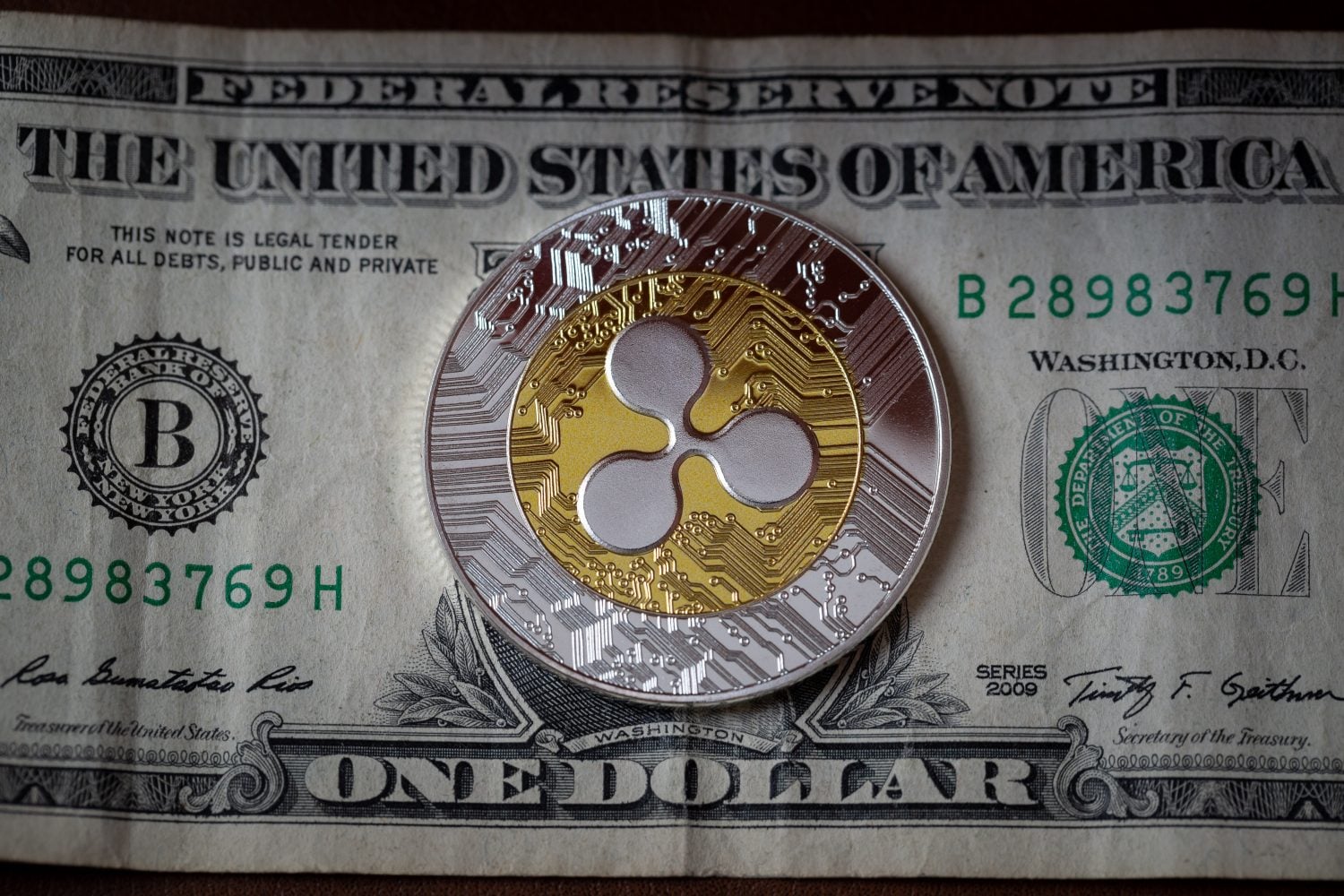
XRP’s larger price drop could actually work in its favor for investors willing to ride out more volatility. A 62% decline leaves more room for recovery if demand picks up. Additionally, XRP’s smaller market size means similar new investment could lead to a larger price increase.
XRP investors have three important developments to consider:
- The legal battle between Ripple and the Securities and Exchange Commission (SEC) has been settled, removing uncertainty from the coin’s trading landscape.
- XRP ETFs reported no outflow days in the week leading up to October 9, suggesting investors kept adding money on some days and pulled none out, even as the market dipped.
- Evernorth, a treasury company that primarily holds crypto, is set to begin trading on Nasdaq on October 12 after a brief delay. The company holds about 473 million XRP, valued at around $657 million, offering stock investors a new way to gain exposure to XRP.
XRP Has Struggled Against Bitcoin This Year
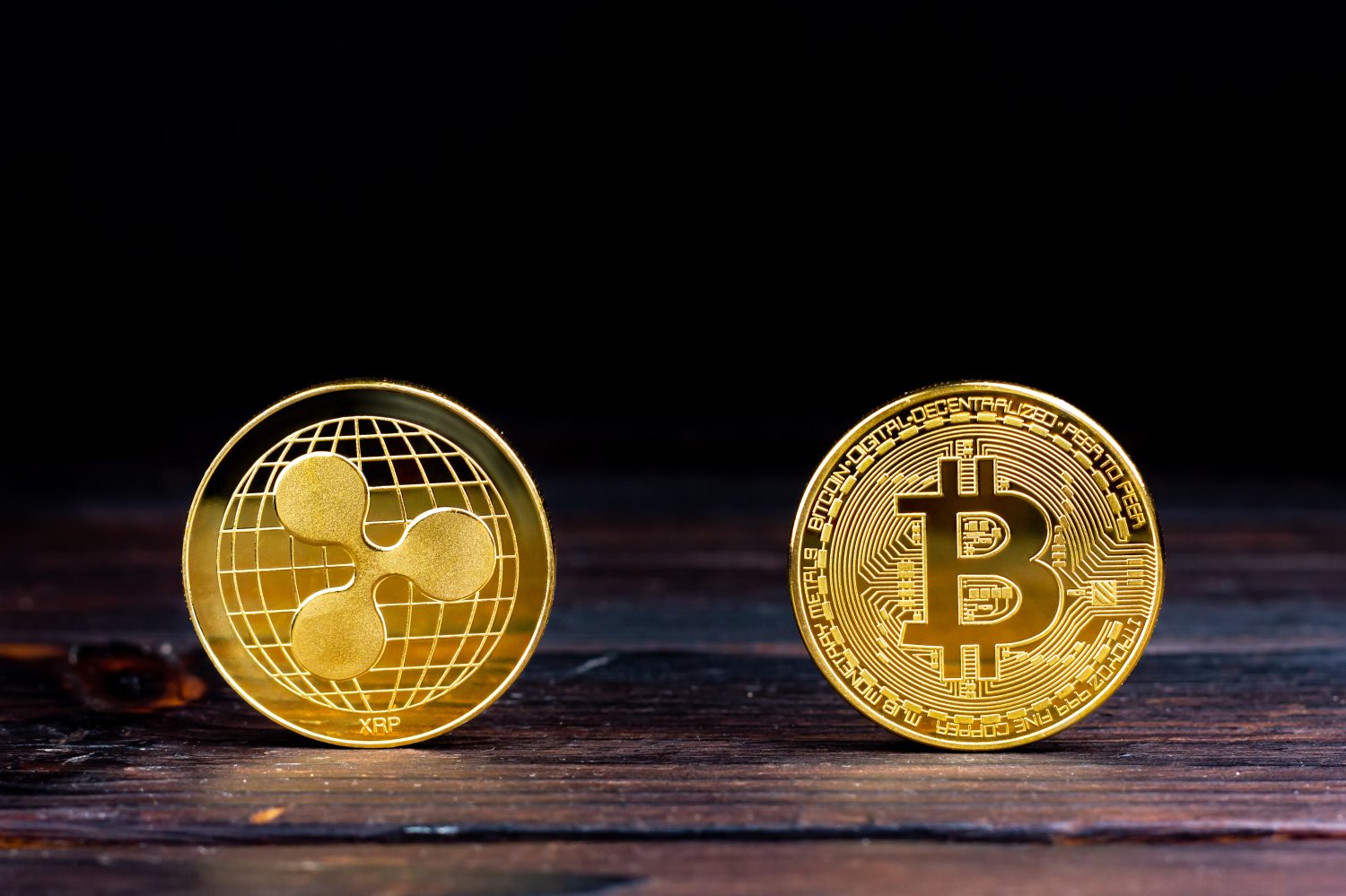
Despite these potential advantages, XRP has continued to lose ground relative to Bitcoin, dropping 7% over the past week while Bitcoin fell only 2.4%. XRP’s total decline for 2026 is stark at 23.9%, compared to Bitcoin’s modest 5.3%. Thus, any argument for an XRP recovery must also address its ongoing struggles against Bitcoin.
A significant price drop doesn’t always signal a forthcoming recovery. While some investors may see upside potential, a deeper decline can just as easily signal weaker demand.
Should You Buy Bitcoin or XRP Right Now?
For most investors—especially those looking to hold for one to two years with a moderate risk tolerance—Bitcoin appears to be the more suitable choice. Its smaller decline, solid 2026 performance, and much larger fund market provide better support during market fluctuations, though both cryptocurrencies carry risks.
On the other hand, XRP may appeal to investors with a longer time horizon and higher risk tolerance. If you believe that the resolution of the SEC case and the upcoming Evernorth listing could spur demand, XRP might be worth considering.
However, XRP investors should be prepared for greater price swings. If XRP outperforms Bitcoin over the next month and continues to see inflows into its ETFs, that could suggest its larger price drop could lead to future gains. Conversely, if XRP continues to lag behind Bitcoin, the declining-price trend may highlight underlying demand weakness, allowing Bitcoin to maintain its leading position.
Contact [email protected] for any questions or corrections.
Sam Daodu is a crypto analyst who's spent nearly a decade making blockchain understandable—no easy task when most whitepapers read like fever dreams. He writes for 24/7 Wall St., covering Bitcoin, altcoins, and crypto market analysis for investors. Before crypto, he was a tech writer (back when explaining "the cloud" was peak innovation). Since 2018, he's written for CoinTelegraph, Yahoo Finance, The Block, Cryptonews, Zypto, Rain, and more—basically anywhere people want crypto news without the headache. Sam runs MacLabs Marketing, a content agency for crypto brands tired of sounding like AI wrote their website. He also publishes free crypto education on his site for Web3 enthusiasts who think "gas fees" is a typo. When he's not writing or staring at charts, Sam's either: - Watching anime (currently convinced One Piece has better tokenomics than most altcoins) - At the gym sculpting himself into a Greek god - Listening to the music your mum warned you only bad boys listen to Connect: LinkedIn | Email | MacLabs Marketing