$1,000 in Avalanche and $1,000 in Solana at the November 2021 Top. One Is Worth $428 Today. The Other Is Worth $76.
Two Ethereum rivals launched in the same bull market with nearly identical promises, but five years later their investors are sitting in very different positions. Understanding what separated a painful loss from a catastrophic one reveals how blockchain competition actually…

This post may contain links from our sponsors and affiliates, and Flywheel Publishing may receive compensation for actions taken through them.

A buyer who invested $1,000 in Solana (CRYPTO: SOL) at its high point in November 2021 now has around $428. In contrast, that same $1,000 invested in Avalanche (CRYPTO: AVAX) is worth about $76 today. At its peak on November 21, 2021, Avalanche reached $144.96, but as of October 12, 2026, it trades near $11. Solana, by contrast, peaked at around $260 that same month and currently trades at about $111.
Both cryptocurrencies were marketed as faster, cheaper alternatives to Ethereum (CRYPTO: ETH) at the time. However, recent price movements tell a different story: Avalanche is up 47.6% over the past 30 days, while Solana has gained only 9.9%. In the last week, Avalanche fell 0.5%, while Solana fell more sharply, down 8.2%.
So, in the ongoing competition between Solana and Avalanche, what has allowed Solana to pull ahead? And what lessons can this gap teach investors exploring newer blockchain projects?
Why Solana and Avalanche Were Sold as Ethereum Killers
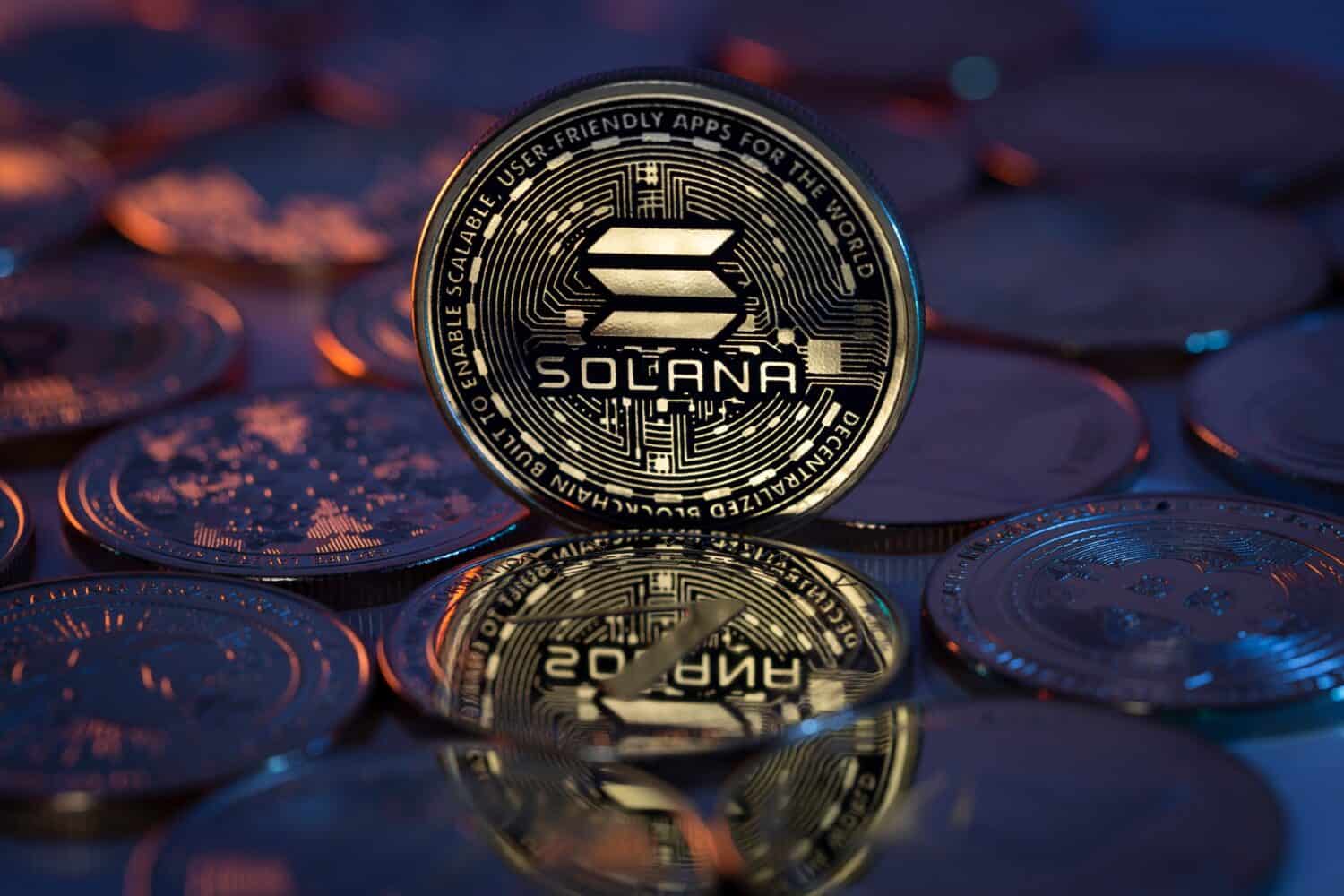
Both Solana and Avalanche entered the market with a common goal: to replace Ethereum, which had been grappling with congestion and high fees during peak usage. As the leading smart contract platform, Ethereum’s performance issues created opportunities for newer blockchains. Both Solana and Avalanche promised faster and cheaper transactions to attract those seeking alternatives.
While the strategy to address Ethereum’s shortcomings made sense, investors struggled to decide which blockchain would ultimately succeed. Diversifying investments between both options meant backing two different teams and technologies, and Solana was a less obvious choice in late 2021.
What Gave Solana the Upper Hand Over Avalanche?

Solana attracted significant consumer and trading activity. Many traders and app users flocked to its network. Solana also introduced several performance upgrades, including much faster block times—the time it takes to process and confirm transactions. Solana also gained recognition through U.S.-listed funds, allowing investors to buy it through traditional brokerage accounts.
In contrast, Avalanche took a different approach. It focused on creating dedicated application networks, building separate blockchains for specific apps or businesses while still connecting to the Avalanche mainnet. The project also ventured into tokenizing real-world assets, such as bonds and funds, represented as tokens on the blockchain. However, these initiatives haven’t impacted Avalanche’s price as positively as Solana’s developments have.
Solana and Avalanche Still Need Big Gains to Reclaim Their Highs
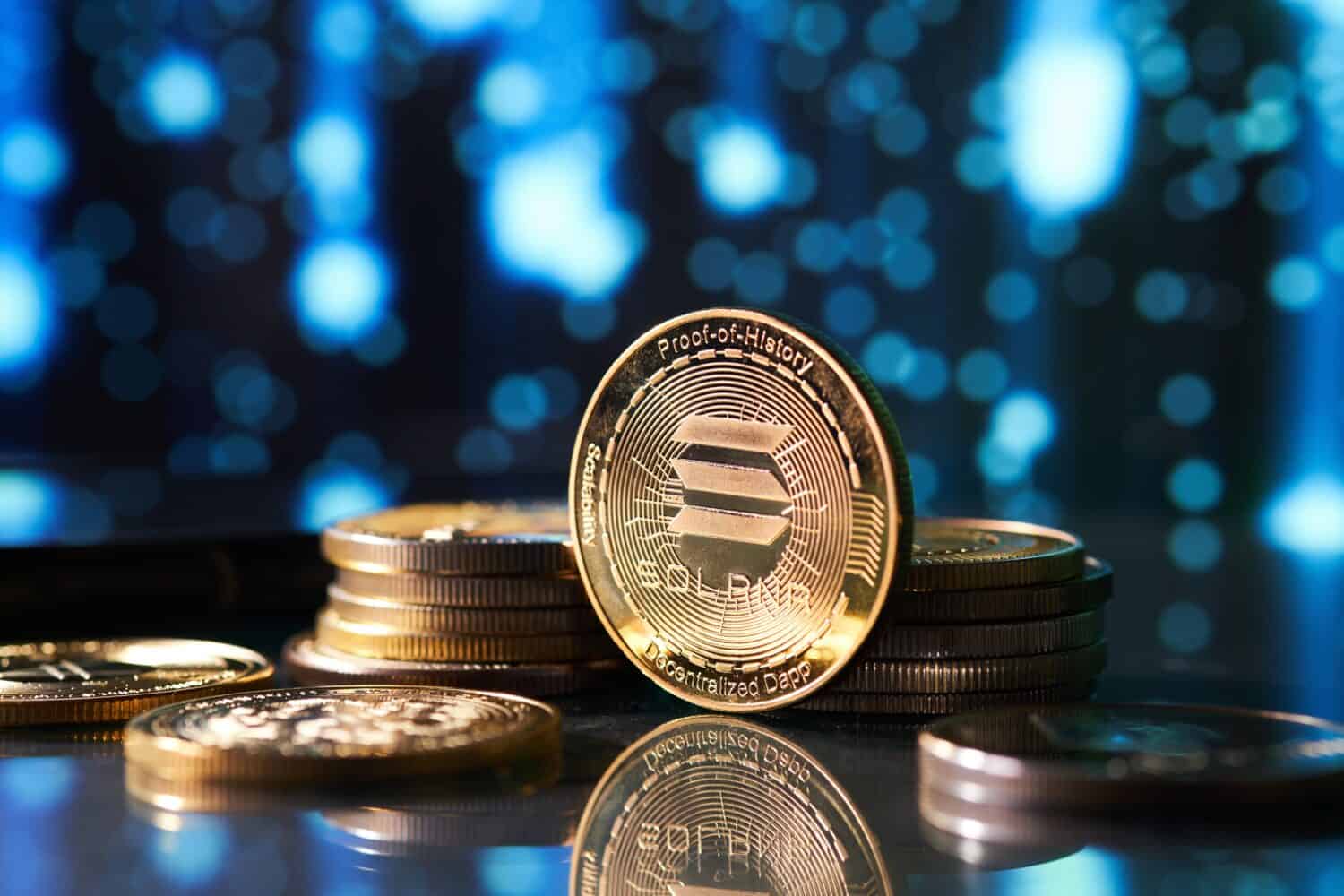
While Solana has recovered more from its previous fall, both cryptocurrencies still need substantial gains to reclaim their all-time highs. Today, a buyer who bought Solana at its peak holds about $428 of their initial $1,000 investment—down more than half after nearly five years. Solana later hit an all-time high of $293.31 in January 2025, meaning it needs to rise about 2.6 times to regain that level.
In comparison, Avalanche is trading about 92.4% below its peak and would need a 13-fold increase to return to its previous high. This stark difference highlights how a drastic decline can affect recovery, as any remaining value must rise significantly to break even.
It’s too early to determine if Avalanche’s 47.6% monthly increase marks a true reversal. Coins in a prolonged decline often see sharp rallies that eventually fade. One strong month isn’t enough to suggest a sustained recovery after a nearly 92.4% loss.
What Does the Solana vs. Avalanche Gap Teach Crypto Investors?
Investing in multiple contenders claiming to solve the same problem can lead to distinct positions. Understanding the underlying issues that various blockchains aim to address is crucial, but it doesn’t guarantee that the selected chain will thrive. The purchase price matters just as much; even Solana’s performance left top investors with only about $428 of their original investment.
For Avalanche holders, the next crucial test is mid-November. If AVAX posts a second consecutive positive 30-day gain and holds above $11, it will signal a potential upward trend rather than a temporary bounce. However, if it fails to hold its gains, the recent increase may simply represent a brief reprieve in a continuing decline, leaving the path back to its former highs still far off.
Contact [email protected] for any questions or corrections.
Sam Daodu is a crypto analyst who's spent nearly a decade making blockchain understandable—no easy task when most whitepapers read like fever dreams. He writes for 24/7 Wall St., covering Bitcoin, altcoins, and crypto market analysis for investors. Before crypto, he was a tech writer (back when explaining "the cloud" was peak innovation). Since 2018, he's written for CoinTelegraph, Yahoo Finance, The Block, Cryptonews, Zypto, Rain, and more—basically anywhere people want crypto news without the headache. Sam runs MacLabs Marketing, a content agency for crypto brands tired of sounding like AI wrote their website. He also publishes free crypto education on his site for Web3 enthusiasts who think "gas fees" is a typo. When he's not writing or staring at charts, Sam's either: - Watching anime (currently convinced One Piece has better tokenomics than most altcoins) - At the gym sculpting himself into a Greek god - Listening to the music your mum warned you only bad boys listen to Connect: LinkedIn | Email | MacLabs Marketing