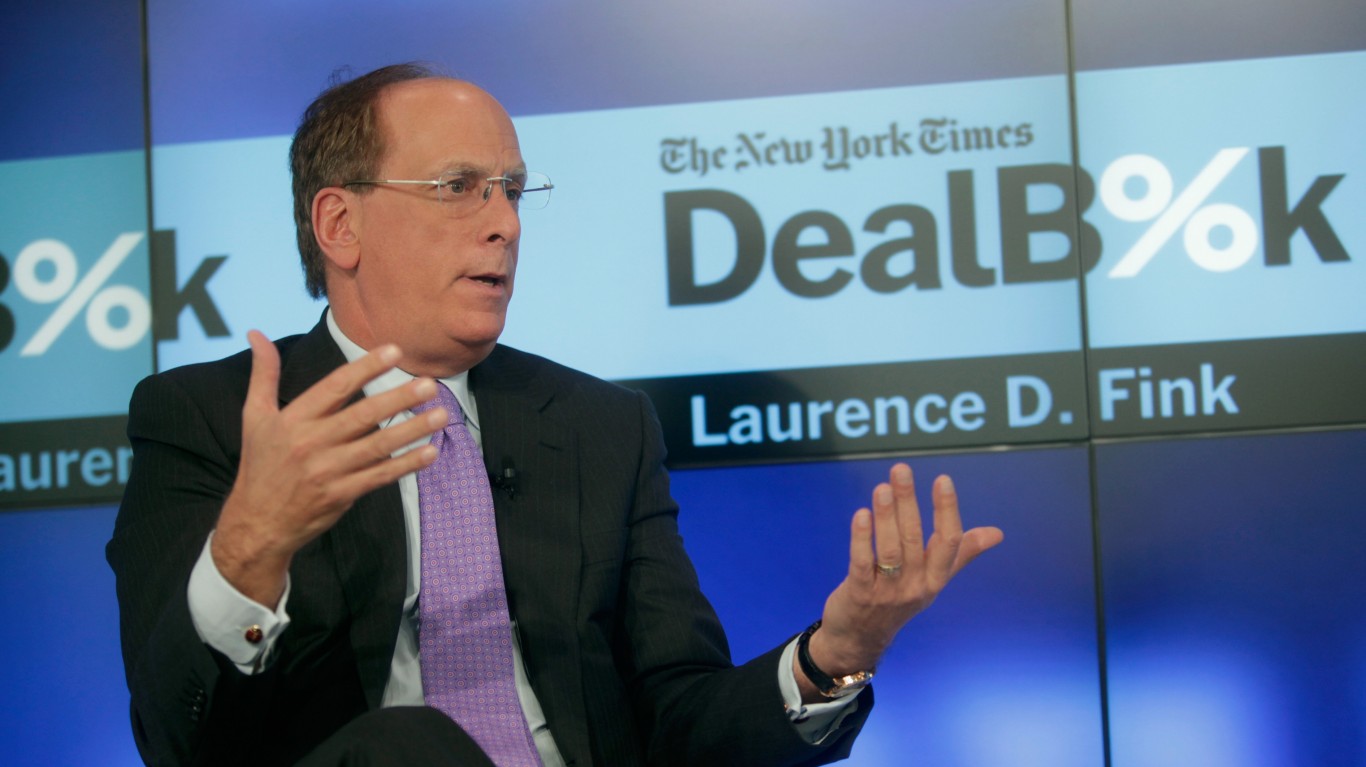
Who Really Owns the Bitcoin Inside BlackRock’s ETF?
Millions of investors hold IBIT shares believing they have exposure to Bitcoin, but the actual ownership chain running through a Delaware trust, a crypto custodian, and a handful of authorized traders tells a more complicated story.

This post may contain links from our sponsors and affiliates, and Flywheel Publishing may receive compensation for actions taken through them.

Many investors in BlackRock’s Bitcoin ETF might think the fund manager owns the Bitcoin. However, the iShares Bitcoin Trust ETF (NASDAQ: IBIT) has a different structure. While BlackRock (NYSE: BLK | BLK Price Prediction) manages the fund, a separate legal trust holds the actual Bitcoin (CRYPTO: BTC), and Coinbase (NASDAQ: COIN) acts as custodian and holds the keys.
IBIT operates as a Delaware statutory trust. Shareholders have beneficial interests in the trust, meaning they benefit from the economic value of the trust’s Bitcoin, but they don’t own the coins outright or can’t withdraw them.
Bitcoin is trading around $81,497 as of October 17, 2026, about 35% below its record high of $126,080. On October 16, shares of IBIT closed at about $46. So, who owns what, and how does this structure impact Bitcoin’s price?
A Delaware Trust Holds Every Coin in BlackRock’s Bitcoin ETF
A Delaware statutory trust is a legal entity that holds assets on behalf of others. In the case of IBIT, this means that the trust holds the legal title to every Bitcoin. So, even though BlackRock manages the ETF, the trust owns the coins.
Shareholders have what are known as beneficial interests—essentially a claim on the trust’s Bitcoin’s economic benefits. As a result, the value of each IBIT share rises and falls with the price of Bitcoin. However, shareholders do not have legal ownership of any specific Bitcoin and cannot withdraw coins directly from the trust.
This structure means that when an investor wants to exit, they must sell their shares on the stock exchange for cash. Long-term shareholders will face limitations if they want to send, spend, or store Bitcoin personally. This setup also keeps Bitcoin separate from BlackRock’s finances, meaning the company cannot list it as part of its corporate treasury or spend it.
BlackRock Manages IBIT, Coinbase Holds the Keys, and Big Traders Handle the Coins
BlackRock’s role is to sponsor the ETF. It establishes the trust, hires service providers, manages daily operations, and earns fees for running the ETF. According to an iShares prospectus, BlackRock Fund Advisors and its affiliates managed approximately $13.9 trillion in assets as of March 31, 2026, making IBIT just one of many products under this massive asset manager.
Coinbase Custody serves as the custodian, safeguarding the trust’s assets. This means Coinbase holds the private keys—the essential codes that allow access to Bitcoin on the blockchain—in separate accounts to avoid mixing them with other customers’ assets. Additionally, Anchorage Digital Bank became a second custodian in April 2025, although BlackRock said at the time it had no plans to transfer any coins there.
Authorized participants, large trading firms with contracts to create or redeem shares directly with the trust, are crucial to IBIT’s functioning. Since 2025, these participants can exchange Bitcoin for new shares or return shares to receive Bitcoin in return—ordinary shareholders, however, cannot do this.
IBIT’s Structure Doesn’t Move Bitcoin’s Price, but Its Share Flows Can

The structure of ownership doesn’t directly affect Bitcoin’s price because it doesn’t create new demand for the asset. Instead, the price is influenced by the volume of share creations and redemptions in the ETF.
When demand for IBIT shares exceeds supply, authorized participants can deliver Bitcoin to the trust in exchange for new shares, effectively taking coins off the market. Conversely, heavy selling of IBIT shares can lead to coins being redeemed and returned to traders.
That’s why IBIT closely tracks Bitcoin’s price. Over the past year, IBIT has declined 24.9%, closely mirroring Bitcoin’s 23.4% drop, with the slight difference likely due to fees and different measurement periods.
So, Who Owns the Bitcoin Inside BlackRock’s Bitcoin ETF?
In summary, the trust owns the Bitcoin, Coinbase Custody secures it, and BlackRock manages everything, while shareholders have a claim on the value of the coins. You can think of an IBIT share as a receipt for Bitcoin stored in someone else’s vault. This arrangement entails some loss of control, as holders depend on all three parties and cannot move the coins themselves.
IBIT is ideal for investors who want to capture Bitcoin’s price movements in a brokerage or retirement account without managing private keys. In contrast, a personal wallet offers direct ownership, but if you lose the seed phrase—the backup words needed to restore access to a wallet—you risk permanently losing your coins. If the trust’s Bitcoin holdings keep growing through November, authorized participants may continue pulling Bitcoin from the market, which could affect overall supply dynamics.
Contact [email protected] for any questions or corrections.
Sam Daodu is a crypto analyst who's spent nearly a decade making blockchain understandable—no easy task when most whitepapers read like fever dreams. He writes for 24/7 Wall St., covering Bitcoin, altcoins, and crypto market analysis for investors. Before crypto, he was a tech writer (back when explaining "the cloud" was peak innovation). Since 2018, he's written for CoinTelegraph, Yahoo Finance, The Block, Cryptonews, Zypto, Rain, and more—basically anywhere people want crypto news without the headache. Sam runs MacLabs Marketing, a content agency for crypto brands tired of sounding like AI wrote their website. He also publishes free crypto education on his site for Web3 enthusiasts who think "gas fees" is a typo. When he's not writing or staring at charts, Sam's either: - Watching anime (currently convinced One Piece has better tokenomics than most altcoins) - At the gym sculpting himself into a Greek god - Listening to the music your mum warned you only bad boys listen to Connect: LinkedIn | Email | MacLabs Marketing