Bitcoin ETFs Now Hold More Bitcoin Than Satoshi. Are They Helping or Hindering Bitcoin?
Wall Street now controls more Bitcoin than Satoshi Nakamoto ever mined, yet the price keeps falling. Whether that concentration represents a long-awaited rescue or a quiet institutional takeover cuts to the heart of what Bitcoin was ever supposed to be.

This post may contain links from our sponsors and affiliates, and Flywheel Publishing may receive compensation for actions taken through them.

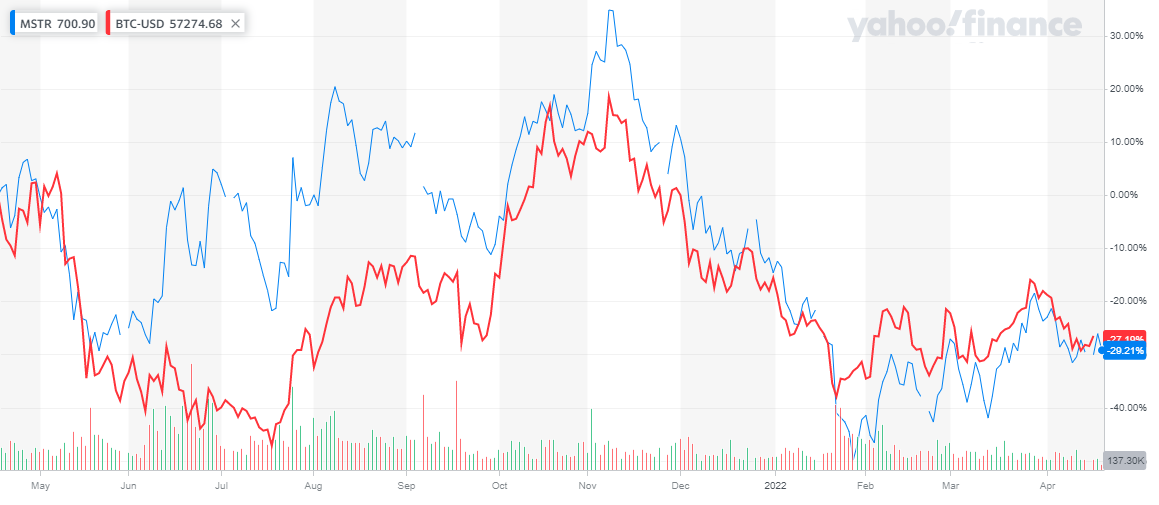
U.S. spot Bitcoin (CRYPTO: BTC) exchange-traded funds (ETFs) currently hold approximately 1.3 million Bitcoin, outpacing the estimated 1.1 million coins believed to be owned by Bitcoin’s creator, Satoshi Nakamoto. These funds officially surpassed Satoshi’s holdings in December 2024, and by October 7, 2026, had amassed $107 billion in net assets, according to SoSoValue.
However, despite this significant ownership, Bitcoin’s price remains subdued. As of October 8, the cryptocurrency was trading around $83,000, about 32% lower than a year ago and 34% below its all-time high of $126,080.
This raises the question: Did Bitcoin ETFs save Bitcoin by attracting new investors, or is Wall Street taking over the very asset Bitcoin was meant to disrupt?
Bitcoin ETF Investors Own Fund Shares, Not the Coins
A spot Bitcoin ETF acquires Bitcoin and holds it on behalf of its shareholders. When you buy ETF shares, you own a portion of the fund, not the actual coins. A custodian, a firm responsible for safeguarding the private keys that control the Bitcoin, manages the fund’s holdings.
As a result, shareholders cannot transfer Bitcoin to friends or move it to a personal wallet. Instead, investors track the price via a ticker, while the custodian retains control over the coins. This setup sparks a key debate: Satoshi designed Bitcoin for individuals to own their coins directly without intermediaries, but ETFs reintroduce a middleman into the process.
Bitcoin ETFs Hold 6.4% of All Bitcoin, More Than Satoshi

Major players in the ETF market include BlackRock’s iShares Bitcoin Trust ETF (NASDAQ: IBIT) and the Fidelity Wise Origin Bitcoin Fund (CBOE: FBTC). As of June, IBIT was holding around 794,000 Bitcoin, and together, U.S. spot funds had accumulated about 1.29 million BTC.
This means these funds now account for about 6.4% of Bitcoin’s total market value. With about 20.1 million coins in circulation and a cap of 21 million, every Bitcoin a fund buys reduces the supply available to individual buyers.
In contrast, Satoshi’s holdings constitute about 5.5% of the total supply. These coins have remained untouched, with the 1.1 million figure based on estimates from early mining activities.
Did Bitcoin ETFs Rescue Bitcoin or Capture It? Both Sides of the Debate
There are compelling arguments on both sides of the debate. Proponents of the rescue argument suggest that ETFs have opened the door to investors who might never have used a cryptocurrency exchange. By offering Bitcoin within the familiar frameworks of brokerage and retirement accounts, these funds provide audited reports and the added trust of established asset managers.
Conversely, Simon Dixon, an early Bitcoin investor and founder of Bank to the Future, argues for the capture perspective. He claims that Wall Street is working to centralize as much Bitcoin as possible under asset managers’ control, effectively co-opting the system Satoshi envisioned. Dixon emphasizes the importance of personal control over one’s keys: people must either manage their keys themselves or hand them over to someone else who may exploit that access.
Ultimately, Bitcoin’s price offers the clearest insight into this debate. Despite $6.3 billion of inflows into these funds in the third quarter, Bitcoin has still declined by approximately 32% over the past 12 months. While this downward trend challenges the rescue argument, it does not definitively support the capture theory, as a falling price does not clarify who controls the keys.
Are Bitcoin ETFs Helping or Hindering Bitcoin?
Bitcoin ETFs have claimed a significant share of Bitcoin, with about 6.4% now held in accounts where custodians manage the keys. Despite the large inflows, Bitcoin’s price has dropped 32% over the last year. For investors, the trade-off is control: a fund share tracks Bitcoin’s price, while owning coins in a personal wallet gives direct control, as Satoshi intended.
Still, this capture has its limits. ETFs currently control only a minority of the 20.1 million coins available. If the share held by funds continues to rise while the price falls, the argument for capture may become more convincing. Conversely, if increased fund buying coincides with a price rebound toward $126,080, the rescue narrative could regain traction.
Contact [email protected] for any questions or corrections.
Sam Daodu is a crypto analyst who's spent nearly a decade making blockchain understandable—no easy task when most whitepapers read like fever dreams. He writes for 24/7 Wall St., covering Bitcoin, altcoins, and crypto market analysis for investors. Before crypto, he was a tech writer (back when explaining "the cloud" was peak innovation). Since 2018, he's written for CoinTelegraph, Yahoo Finance, The Block, Cryptonews, Zypto, Rain, and more—basically anywhere people want crypto news without the headache. Sam runs MacLabs Marketing, a content agency for crypto brands tired of sounding like AI wrote their website. He also publishes free crypto education on his site for Web3 enthusiasts who think "gas fees" is a typo. When he's not writing or staring at charts, Sam's either: - Watching anime (currently convinced One Piece has better tokenomics than most altcoins) - At the gym sculpting himself into a Greek god - Listening to the music your mum warned you only bad boys listen to Connect: LinkedIn | Email | MacLabs Marketing