Stellar Just Became a Default Network in MetaMask. So Why Is XLM Down 26% This Month?
MetaMask just handed Stellar a massive distribution win, Curve deployed on its mainnet, and a $2.38 billion tokenized fund chose it as home. So why are XLM holders watching their bags shrink instead of grow?

This post may contain links from our sponsors and affiliates, and Flywheel Publishing may receive compensation for actions taken through them.
MetaMask, the self-custody wallet created by Consensys, has set Stellar (CRYPTO: XLM) as its default network in both the MetaMask Mobile app and the MetaMask Extension. Now, every MetaMask account comes with a Stellar address, which users don’t need to set up separately. Despite this integration, the XLM price continues to decline.
Additionally, Curve, a decentralized exchange, has gone live on the Stellar mainnet, marking its first deployment on a network built differently from Ethereum (CRYPTO: ETH). Both of these announcements came out between October 28 and October 29, 2026. In another development, Spiko’s SAFO fund became the largest tokenized investment fund on October 23, boasting $2.38 billion in assets, with $1.65 billion managed on Stellar.
XLM trades at $0.17, down 24.3% for the month. A modest 1.1% gain over the past 24 hours does little to offset the significant sell-off experienced throughout October. Evidence suggests that while Stellar has had many positive announcements, they haven’t been enough to lift the token’s price, and traders seem to be separating the news from the asset’s performance.
What’s New With MetaMask, Curve and Spiko on Stellar?
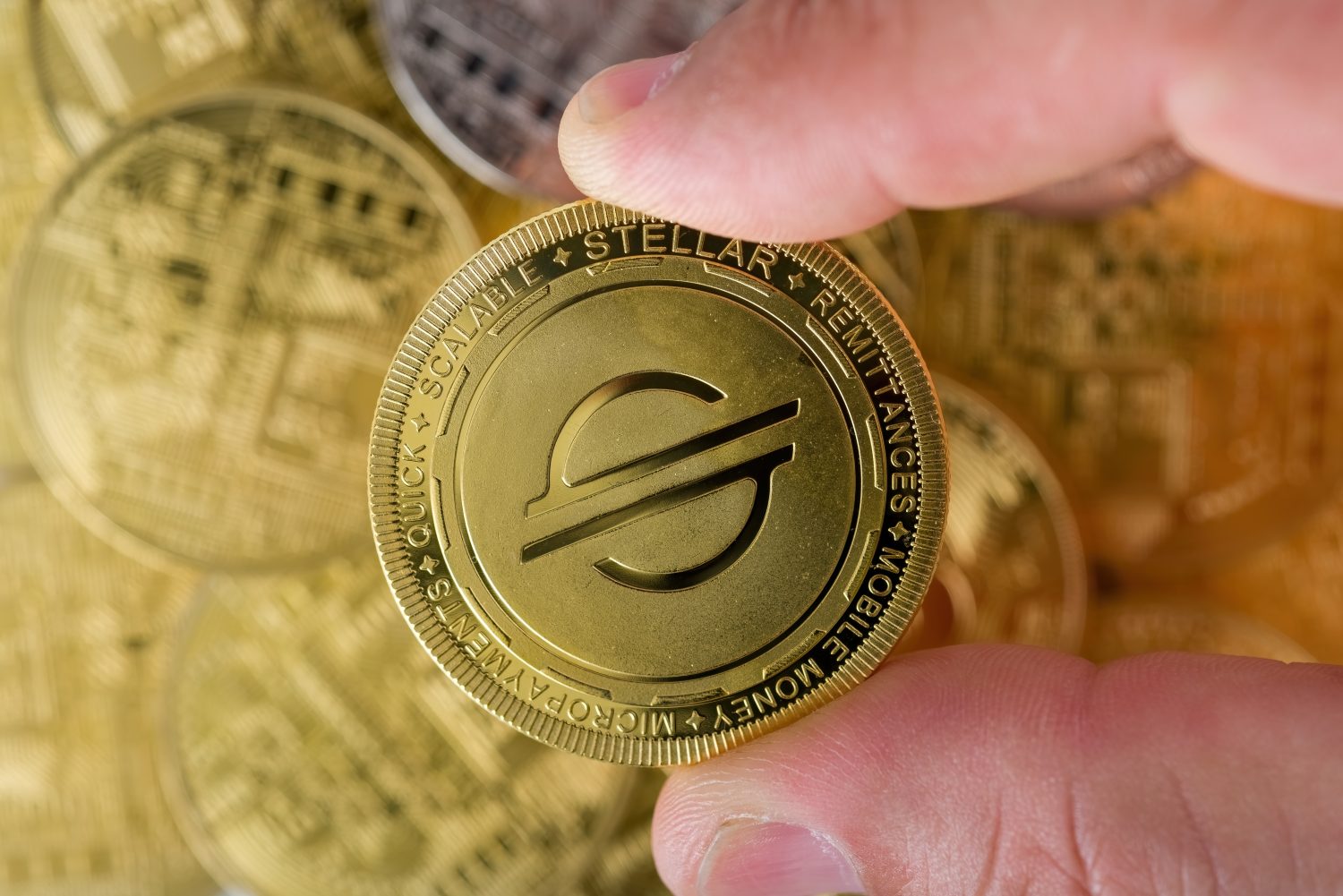
Stellar is primarily a payments blockchain designed to facilitate inexpensive transactions for stablecoins, cross-border remittances, and tokenized assets. XLM is the native token used to cover transaction fees on the network, which processed $55.6 billion in payments during 2025, an increase of 52%
MetaMask’s update adds a Stellar address to every wallet user. However, users must fund their accounts with XLM to activate them, since a small minimum balance is required. Thus, while the integration creates potential new accounts, active accounts will only emerge when users deposit funds.
Curve is best known for its StableSwap pools, which efficiently trade assets meant to have equal value, such as dollar-pegged stablecoins. Curve’s StableSwap pools were the first to go live on Stellar, with FXSwap pools to follow after a security audit.
Spiko’s SAFO fund, an investment fund that offers shares as blockchain tokens, surpassed competitors like USYC and BlackRock (NYSE: BLK | BLK Price Prediction)’s BUIDL fund to become the largest at $2.38 billion. A significant portion ($1.65 billion) of SAFO is also managed on Stellar.
Additionally, the custody firm Taurus has begun supporting Stellar smart-contract assets, while the Stellar Development Foundation has made a strategic investment in Marketnode, which is backed by major players such as Euroclear, HSBC (NYSE: HSBC), SGX, and Temasek.
Why Do Stablecoins Get the Volume While XLM Collects Minimal Fees?

Despite the exciting news, the announcements do not specify XLM as the token used for trade settlements. Instead, Spiko’s fund shares, Curve’s stablecoin pools, and Taurus’s custody offerings all utilize assets other than XLM. Institutions use Stellar as infrastructure to manage dollars and fund shares, with XLM generating only minimal network fees.
Demand for XLM comes from only two sources: a small transaction fee and the reserve each account must maintain. These fees are intentionally low and don’t increase with larger transactions, so significant fund redemptions cost as much XLM as smaller payments. As usage rises, demand for XLM can remain relatively stagnant.
The MetaMask integration doesn’t require anyone to buy XLM. While users now have access to Stellar, Consensys hasn’t released user figures for this rollout, so estimating new demand for XLM from MetaMask remains speculative.
Spiko’s figures should be interpreted with caution, as Stellar holds $1.65 billion of SAFO’s total $2.38 billion, suggesting the fund operates across multiple chains and can allocate new investments where it sees fit.
Why Did XLM Fall Further Than Bitcoin and Ethereum in October?
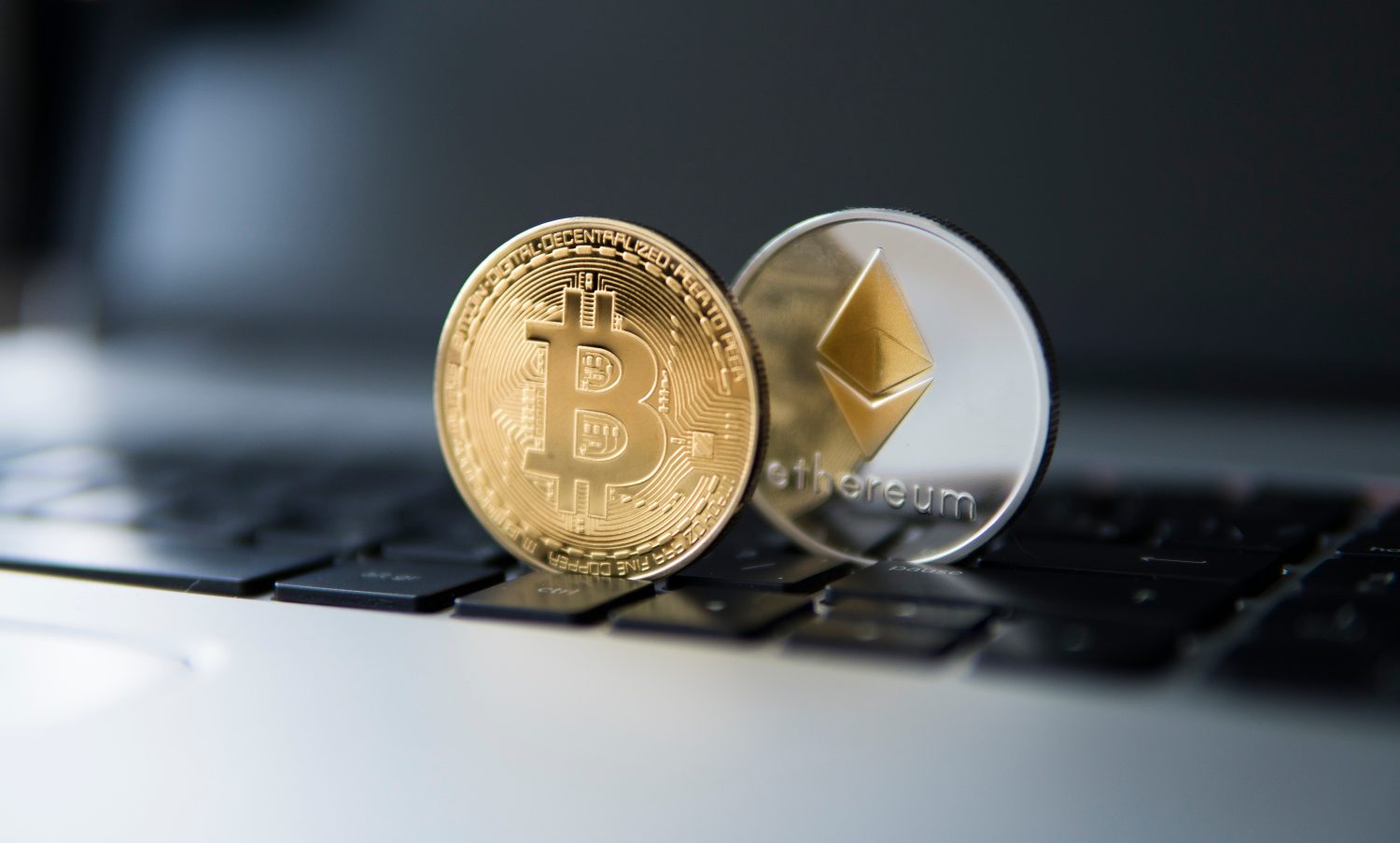
While the broader market has had its ups and downs, XLM’s decline stands out. Over the 30 days ending October 29, XLM fell 23.0%, significantly underperforming Bitcoin (CRYPTO: BTC), which dropped only 3.1%, and Ethereum, which slid 12.1%. This suggests focused selling pressure on XLM.
Much of this may be a correction after a September rally, when XLM closed at $0.23, reaching a monthly high of $0.24. Traders who capitalized on that momentum appear to be exiting their positions as news unfolds. XLM is down 45.8% year-over-year and trades 80.4% below its all-time high of $0.88, set on January 2, 2018. A single partnership or announcement typically cannot reverse such a deep decline.
Can Stellar’s MetaMask and Curve Launches Lift the XLM Price?
As it stands, Stellar’s achievements through MetaMask, Curve, and partnerships with Spiko and Taurus have not yet translated into a stronger demand for XLM. As the network expands, the token benefits only slightly from transaction fees and account reserves. Current demand is insufficient to offset the significant 23.0% drop over 30 days.
Curve’s FXSwap could launch with XLM pools that attract steady trading, or Consensys could report funded Stellar accounts in MetaMask, and either one could tie XLM demand to usage. If XLM keeps closing below its 50-day average of $0.19 after FXSwap goes live, Stellar’s partners are benefiting more than the token, and holders bear the cost. So can XLM’s price follow Stellar’s growth? Only if one of those signals appears.
Contact [email protected] for any questions or corrections.
Sam Daodu is a crypto analyst and the editor of 24/7 Wall St.'s Crypto Desk, where he covers Bitcoin, XRP, Ethereum, Solana and the altcoins investors search for most. His work focuses on price levels, spot ETF flows, on-chain data and the regulatory decisions that move crypto markets, written so a first-time buyer and a seasoned trader can both use it.
Sam has written about crypto professionally since 2019 and has published more than 2,000 articles. Before joining 24/7 Wall St., he wrote for crypto media outlets and Web3 companies and ghostwrote for crypto founders and token launches. His analysis is syndicated on Yahoo Finance, MSN and AOL and has been cited by other crypto news sites. He also founded MacLabs Marketing, a content and personal branding agency for crypto founders and executives.
When he isn't reading charts, Sam is usually at the gym or watching One Piece, a series he maintains has better tokenomics than most altcoins.