Stellar Beat Solana for New Tokenized Funds Over 90 Days. What Would XLM Be Worth if It Kept That Lead?
Stellar just outpaced Solana and Arbitrum in attracting tokenized funds, yet XLM barely moved while SOL surged 28%. The disconnect between network wins and token price raises a question every XLM holder needs to reckon with.

This post may contain links from our sponsors and affiliates, and Flywheel Publishing may receive compensation for actions taken through them.
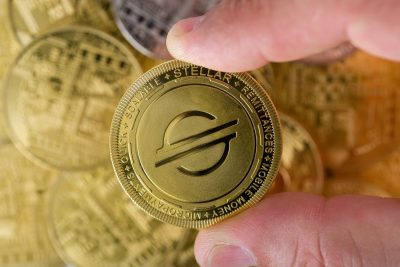
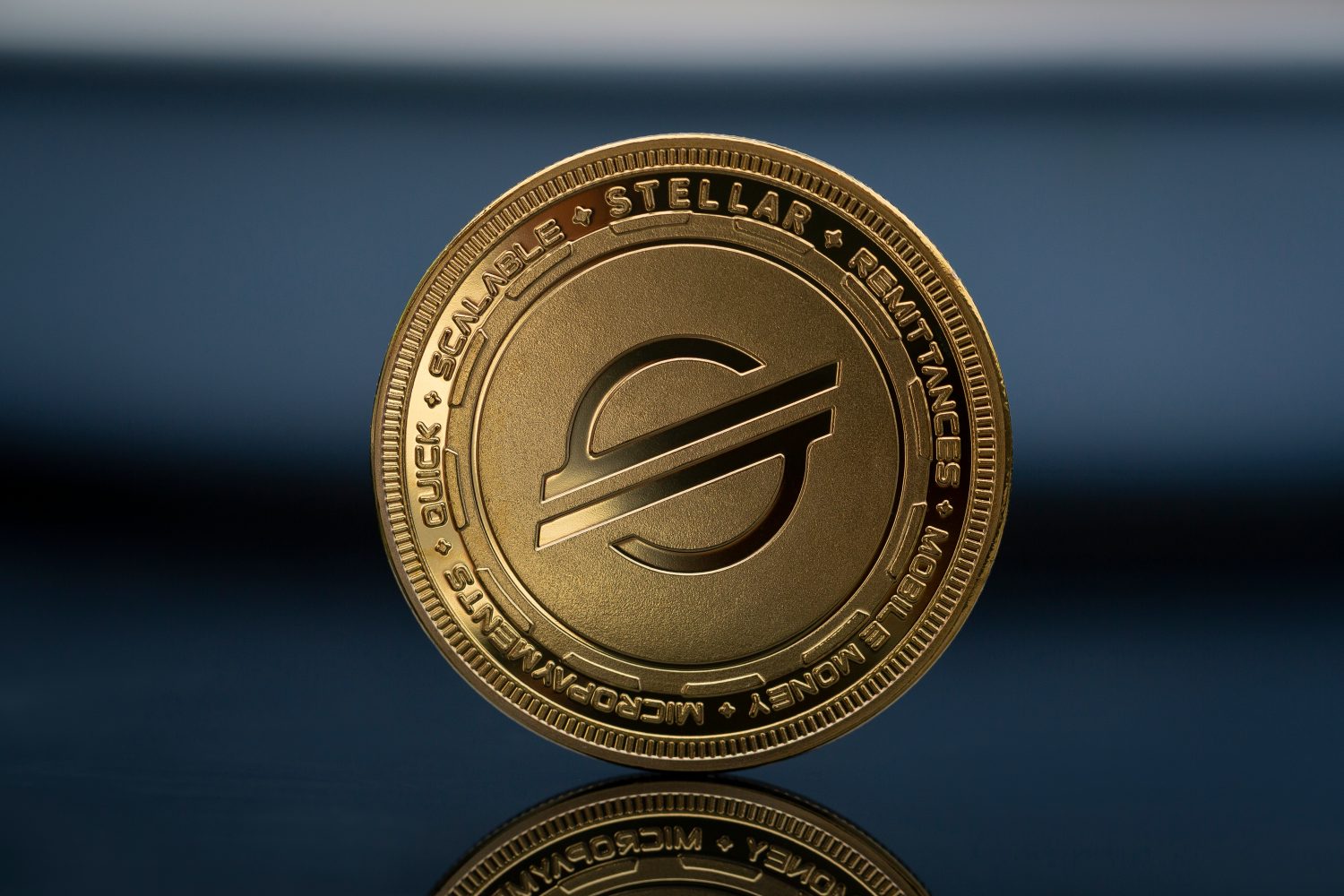
Stellar (CRYPTO: XLM) has managed to attract $757.5 million in tokenized funds over the 90 days leading up to November 2, 2026, surpassing Solana (CRYPTO: SOL), which brought in $670 million, and Arbitrum (CRYPTO: ARB) at $193.2 million, according to data from Token Terminal. A tokenized fund lets investors buy shares issued as tokens on a blockchain, and Stellar’s growth in this area has become a key strength for the network.
Despite this success in attracting funds, XLM’s performance has not mirrored that growth. Over the same 90-day period, SOL rose about 28%, while XLM dipped slightly by 0.4%.
XLM is trading at $0.17, down 22.3% over the past month after peaking at $0.23 on September 28 and dipping to $0.16 on October 29. So, what could XLM be worth by the end of 2028 if Stellar continues to lead in tokenized funds?
What XLM Could Be Worth if Stellar Keeps Its Fund Lead
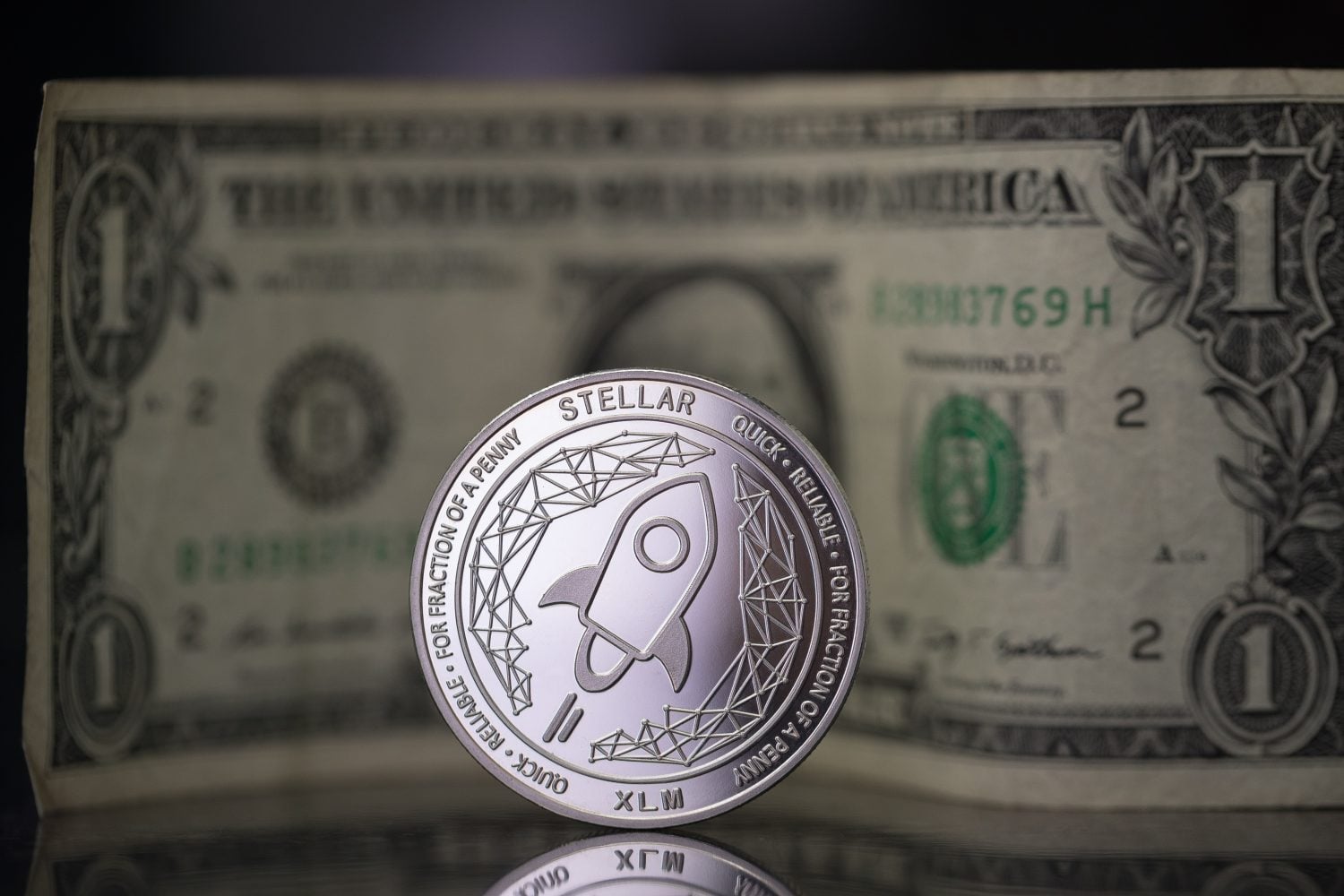
Currently, XLM has a market cap of about $5.9 billion, ranking it 19th among cryptocurrencies. In comparison, Solana’s market cap is around $55 billion, placing it 7th. Over the last 90 days, XLM’s market cap is about 7.8 times the money brought in through new funds, while Solana’s is about 82 times its own growth.
| Potential scenario by the end of 2028 | XLM market cap | XLM price |
|---|---|---|
| Fund growth continues at the current pace (7.8x ratio holds) | $5.9 billion | $0.17 |
| Fund growth doubles, but the ratio holds | $11.8 billion | $0.34 |
| The market values Stellar similarly to Solana | $62.2 billion | $1.77 |
In the third scenario, this could push XLM to about double its all-time high of $0.88 from January 2018. However, reaching that all-time high again would require significantly more investment than it did in 2018. At the current supply, if XLM reaches $0.88, its market cap would be about $30.9 billion, and XLM is currently trading nearly 81% below that benchmark.
Stellar’s Fund Growth Creates Little Demand for XLM
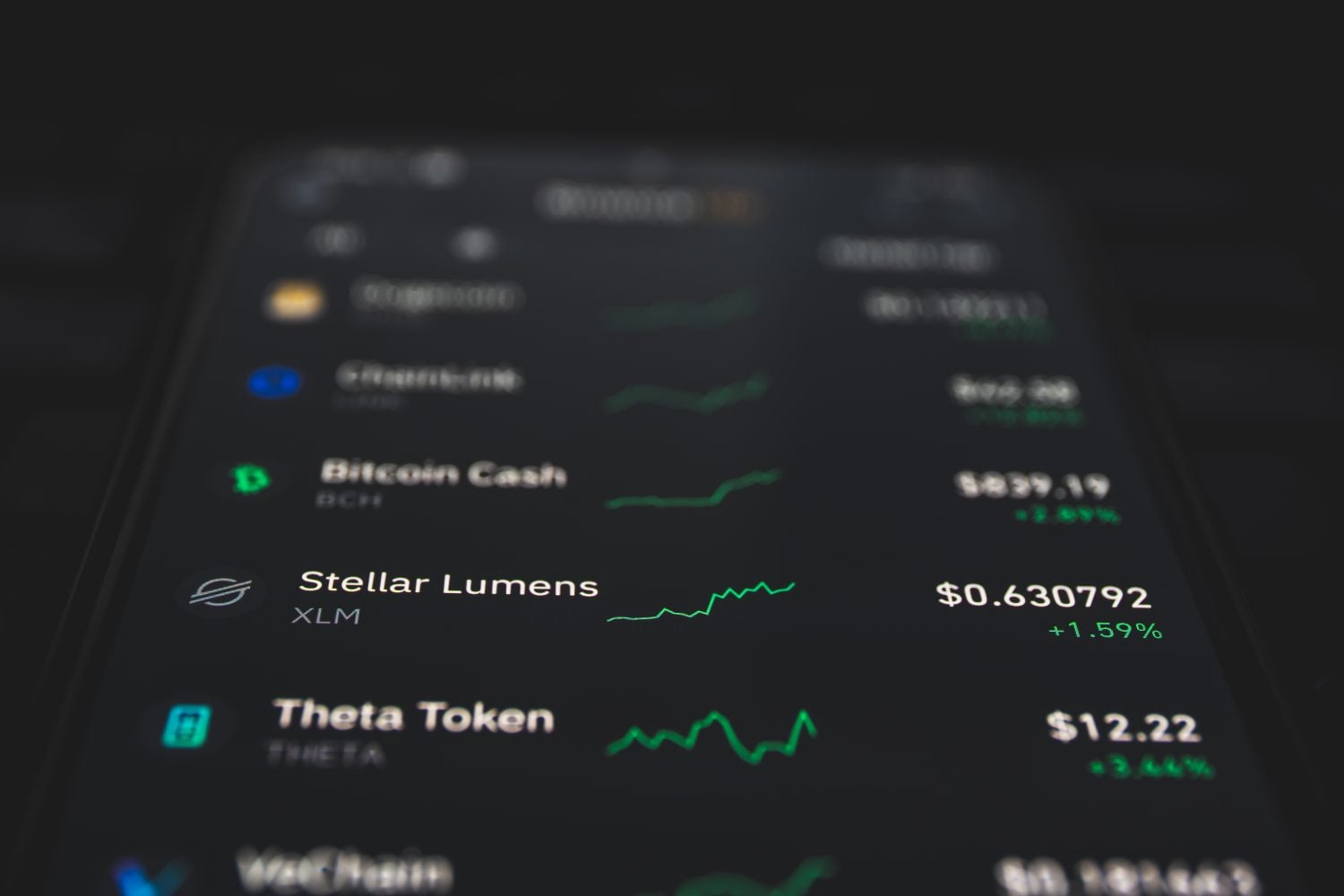
All these projections share a fundamental weakness: creating tokenized funds on a blockchain does not inherently increase demand for the underlying token (XLM). Stellar has very low transaction fees that do not scale with transaction size, and accounts require only a minimal XLM balance for maintenance, meaning even a billion-dollar fund does not require a large quantity of XLM. We highlighted this point in our earlier analysis of recent issuers on the Stellar network.
The lead in fund growth is also supported by a single data point over 90 days, with much of the increase attributed to a single issuer. Spiko’s SAFO fund, which became the largest tokenized fund as of October 23 with $2.38 billion, has $1.65 billion operating on Stellar. Since SAFO operates across multiple blockchains, it could easily shift new investments to other platforms.
Securitize and MetaMask Could Tie Stellar’s Funds to XLM
Developments such as Securitize‘s (NYSE: SECZ) recent integration with Stellar, announced at the Meridian 2026 conference, hold promise but lack specific details on fund names, launch dates, and token settlements. If the first fund settles in dollar-pegged stablecoins, XLM might see limited benefit, similar to Franklin Templeton‘s (NYSE: BEN | BEN Price Prediction) established tokenized money market fund on Stellar, which holds XLM only to cover network costs.
Additionally, MetaMask now provides every user with a Stellar address and requires an XLM balance for activation. However, the parent company, Consensys, has yet to release user statistics. Tracking the number of funded accounts could give vital insight into new demand for XLM.
For XLM to rise to $0.34, Stellar would likely need to outpace Solana again in the next report, a key issuer would have to identify XLM as a settlement or collateral asset, and XLM would need to break through its 50-day average of $0.19 and its September high of $0.23.
Can Stellar Tokenized Funds Lift the XLM Price by 2028?
Currently, it seems unlikely that XLM will reach the Solana-like target of $1.77 by the end of 2028. The most probable scenario suggests stability at current levels. The market has largely priced in Stellar’s fund growth, keeping XLM prices near August levels. Moving toward $1 would likely require wallets and funds to start holding substantial amounts of XLM.
The Depository Trust & Clearing Corporation (DTCC), a prominent U.S. clearing and settlement entity, anticipates DTC-settled assets on Stellar by 2027, providing a milestone for investors. If Securitize’s initial Stellar fund primarily uses stablecoins for settling and XLM continues to trade below $0.19, the fund lead is unlikely to benefit the token, and XLM may drift back closer to its one-year low of $0.14 recorded on May 22.
Contact [email protected] for any questions or corrections.
Sam Daodu is a crypto analyst and the editor of 24/7 Wall St.'s Crypto Desk, where he covers Bitcoin, XRP, Ethereum, Solana and the altcoins investors search for most. His work focuses on price levels, spot ETF flows, on-chain data and the regulatory decisions that move crypto markets, written so a first-time buyer and a seasoned trader can both use it.
Sam has written about crypto professionally since 2019 and has published more than 2,000 articles. Before joining 24/7 Wall St., he wrote for crypto media outlets and Web3 companies and ghostwrote for crypto founders and token launches. His analysis is syndicated on Yahoo Finance, MSN and AOL and has been cited by other crypto news sites. He also founded MacLabs Marketing, a content and personal branding agency for crypto founders and executives.
When he isn't reading charts, Sam is usually at the gym or watching One Piece, a series he maintains has better tokenomics than most altcoins.