The Binance Hacker Sold $40 Million of Uniswap and $34 Million of Ethena. Which Recovers First?
A hacker converted tens of millions in stolen UNI and ENA into Ether, and the two tokens are now in a race back to respectability with very different structural odds stacked against each of them.

This post may contain links from our sponsors and affiliates, and Flywheel Publishing may receive compensation for actions taken through them.

The Binance hacker has offloaded 7.02 million Uniswap (CRYPTO: UNI), valued at around $40 million, and 217.5 million Ethena (CRYPTO: ENA), worth approximately $34 million. UNI is trading at $6.96 after a 3.4% decline in the past 24 hours, while ENA stands at $0.19, down by 7.5%. This has led many investors to compare Uniswap vs. Ethena.
Both tokens closed at their 30-day lows on October 29. Uniswap fell 21.6% over the month, while Ethena fell more sharply by 28.5%. Both tokens originated from the Binance hack, and according to Lookonchain, an on-chain tracker that monitors wallet activities, the hacker converted both UNI and ENA into Ether (CRYPTO: ETH).
In addition to UNI and ENA, the hacker also sold other tokens, including Pepe, Chainlink, Aave, Ondo, and Worldcoin. However, the UNI and ENA sales were the most substantial. Overall, the hacker collected 70,480 ETH, which is valued at roughly $158 million.
Uniswap appears more likely to bounce back first. This is primarily because its protocol uses fees to burn UNI tokens, while Ethena relies on traders maintaining leveraged positions, which are facing reduced activity.
How Much Did the Hacker’s Sales Move Uniswap and Ethena?
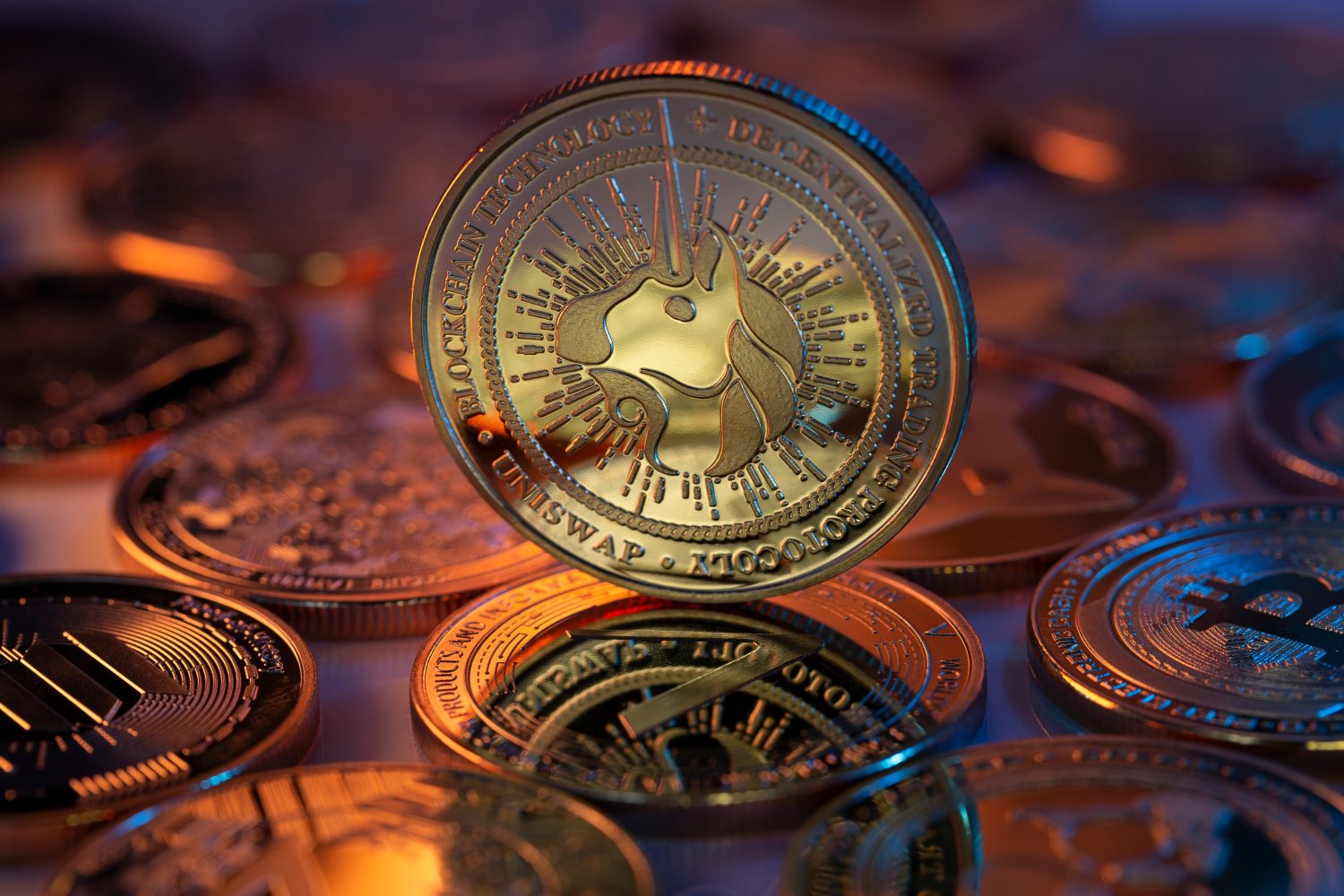
When hackers liquidate stolen altcoins, they typically swap them for Ether because ETH has high trading volume and token issuers can’t freeze it. Each swap acts like a sell order for the stolen token, pushing prices down as the hacker finds buyers.
While the dollar amounts from the sales seem substantial, their impact on trading volumes was relatively minor. The UNI sale accounted for 2.7% of Uniswap’s 24-hour trading volume, while the ENA sale represented 2.4% of Ethena’s.
The price drops were driven more by sale timing than by sale size. Traders often sell ahead of known sellers, fearing additional sales could devalue their holdings. This market sentiment was compounded by a broader decline, as Ether fell 3.9% during the same period.
Why Did Ethena Decline More Than Uniswap?

To assess trends, investors often look at moving averages, which represent average closing prices over specific timeframes. Uniswap is trading below its 20-day average of $7.20 and its 50-day average of $7.83 but still above its 200-day average of $4.67.
In contrast, Ethena is below its 20-day average of $0.20 and its 50-day average of $0.21, yet above its 200-day average of $0.13. Therefore, both tokens have lost their short-term upward momentum but have kept their long-term uptrend.
Ethena likely dropped more significantly because it had experienced a much larger gain. ENA rose 139.2% over the past 90 days, while UNI increased by 70.5%. Profit-taking usually hits the tokens that rose the most, as their holders aim to safeguard their gains. Other tokens the hacker sold, such as Aave, Chainlink, and Ondo, fell moderately, with losses ranging from 4.6% to 5.5%.
Uniswap also showed more resilience than Ether during the sell-off. UNI entered the drop from a stronger position, with 23.4% year-to-date gains and a 19.2% increase over the year. In contrast, ENA is down 5.3% year-to-date and 52.0% over the past year. Both tokens still trade well below their all-time highs, with UNI 84.5% below its 2021 peak and ENA 87.5% below its April 2024 peak.
What Gives Uniswap an Advantage Over Ethena?

Uniswap is a decentralized exchange that allows users to swap tokens without a middleman, and UNI is its governance token. In December 2025, Uniswap governance approved the UNIfication proposal, which enabled the protocol’s fee switch. This change ties protocol fees to the burning of UNI tokens, effectively reducing the total supply.
The introduction of Uniswap futures on October 20 by CME Group (NASDAQ: CME | CME Price Prediction) has also provided UNI holders with a regulated way to hedge against market drops. Futures contracts allow holders to sell UNI at a predetermined price on a future date, offering a safety net while retaining ownership of the tokens.
However, Ethena’s design makes ENA more vulnerable in a declining market. Ethena issues USDe (CRYPTO: USDE), a synthetic dollar tied to crypto collateral, and pairs it with short positions in perpetual futures, which profit when prices fall.
When the market goes down, the funding fees that Ethena earns contract, making USDe less appealing and reducing interest in ENA. This vulnerability was particularly evident in October 2025, when USDe briefly lost its dollar peg during a market downturn, triggering early sell-offs among ENA holders.
Which Token Is More Likely to Cross Its 20-Day Average First?
Given these trends, Uniswap has a better chance of recovering first and needs to surpass its 20-day average of $7.20 to signal this upward movement. Meanwhile, Ethena’s corresponding level is $0.20, and ENA may require renewed demand for USDe to regain its bullish momentum.
That ranking carries a cost, because it depends on the hacker running out of tokens to sell, and outsiders cannot confirm that yet. The 70,480 ETH the wallet collected could also fuel a new wave of selling if the hacker starts moving it. So does the Uniswap vs. Ethena recovery start with UNI above $7.20?
Contact [email protected] for any questions or corrections.
Sam Daodu is a crypto analyst and the editor of 24/7 Wall St.'s Crypto Desk, where he covers Bitcoin, XRP, Ethereum, Solana and the altcoins investors search for most. His work focuses on price levels, spot ETF flows, on-chain data and the regulatory decisions that move crypto markets, written so a first-time buyer and a seasoned trader can both use it.
Sam has written about crypto professionally since 2019 and has published more than 2,000 articles. Before joining 24/7 Wall St., he wrote for crypto media outlets and Web3 companies and ghostwrote for crypto founders and token launches. His analysis is syndicated on Yahoo Finance, MSN and AOL and has been cited by other crypto news sites. He also founded MacLabs Marketing, a content and personal branding agency for crypto founders and executives.
When he isn't reading charts, Sam is usually at the gym or watching One Piece, a series he maintains has better tokenomics than most altcoins.