MAGS Delivered 181% Since Launch, But Equal-Weighted Tech Concentration Is Now a Liability
The Roundhill Magnificent Seven ETF has crushed the broad market since its launch, but equal-weighting seven mega-cap giants cuts both ways, and 2026 is exposing exactly how badly that math can unravel when the group stops moving together.

This post may contain links from our sponsors and affiliates, and Flywheel Publishing may receive compensation for actions taken through them.

The Roundhill Magnificent Seven ETF (NYSEARCA:MAGS) exists to solve a specific problem: getting equal, concentrated exposure to the seven mega-cap stocks that have dominated US equity returns since the AI cycle began. The pitch is simple. Instead of buying seven individual tickers and rebalancing them yourself, MAGS delivers a roughly equal-weighted slice of Apple, Microsoft, Nvidia, Amazon, Alphabet, Meta, and Tesla in one line item. The fund has gathered $3.5 billion in net assets since its April 2023 launch, which tells you the demand for packaged mega-cap tech exposure is real. Whether MAGS deserves a slot in your portfolio depends almost entirely on what you already own.
What MAGS Is Actually Selling
The return engine here is pure capital appreciation from seven names. There is no options overlay, no dividend focus, no factor tilt. Per the most recent NPORT filing, the seven equity holdings sit at roughly equal weights: NVIDIA about 5%, Apple about 5%, Amazon about 5%, Meta about 5%, Tesla about 5%, Microsoft about 4%, and Alphabet about 4%. The rest of the balance sheet is dominated by Treasury bills at 52.7% and short-duration cash equivalents, which are the collateral backing swap exposure the fund uses to deliver 100% economic weight to the seven stocks. Investors get concentrated growth exposure.
Does the Strategy Deliver?
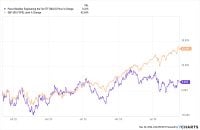
Since inception through July 2026, MAGS has returned 181%, roughly doubling SPY’s roughly 71% five-year total return. That is the good news for holders. The recent story is more complicated. Year-to-date, MAGS is up just about 1%, while SPY has returned about 9%. Over the trailing year, the two are nearly tied at roughly 19% for MAGS versus 18% for SPY. An investor who bought the concentrated bet has taken more single-name risk in 2026 for less return than the broad index.
The reason shows up in the constituent numbers. YTD dispersion within the seven names is extreme: Apple is up 20% and Alphabet 13%, while Microsoft is down 16% and Tesla down 18%. Equal-weighting the seven means the losers dragged the winners.
The Overlap Problem
Most MAGS buyers underestimate the overlap. SPY already holds NVIDIA at about 8%, Apple at about 7%, Microsoft at about 5%, and Tesla at about 2%, before counting Amazon, both Alphabet share classes, and Meta. Morningstar puts the top 10 US stocks at roughly 35% of the total market, up from 18% a decade ago. A portfolio holding SPY plus MAGS is stacking a concentrated bet on top of an already concentrated benchmark.
The Real Tradeoffs
- Single-stock blowup risk. With seven holdings, one earnings shock materially moves the fund. Tesla trades at a forward implied P/E above 200 with a beta of 1.8, meaning a de-rating there hits MAGS harder than SPY.
- Sector correlation. All seven names cluster in technology, communications, and consumer discretionary. During a tech-led drawdown, diversification benefits evaporate.
- Tax friction. Equal-weight rebalancing generates capital gains distributions in taxable accounts that a market-cap-weighted alternative like SPY, with a 9-basis-point expense ratio, largely avoids.
Who Should Own It
MAGS makes sense as a satellite tilt, sized at maybe 5% of an equity sleeve, for an investor who wants deliberate overweight exposure to mega-cap AI leaders and does not already hold SPY, QQQ, or the individual stocks. It is a poor fit for anyone whose core holding is a total-market index fund. That investor already owns these names and is simply doubling down on the same theme at a higher expense ratio. Those who want the exposure without the packaging cost can buy the seven stocks directly in a brokerage account and rebalance quarterly. The Morningstar 2026 outlook flagged this cleanly: concentration risk is rising, making portfolios more vulnerable to shocks in a few dominant names. MAGS increases that vulnerability by design. That is the trade you are making.
Contact [email protected] for any questions or corrections.
I am a long time investor and student of business, and believe finding good companies that can become great investments is the best game on earth. After 20 years of writing and researching the public markets it is clear that individuals have never had more tools and information to take control of their financial lives. From ETFs and $0 commissions to cryptos and prediction markets there has never been a greater democratization of access to investing.
I write to help people understand the investments available to them so they can make the best choice for their portfolio, whether they're starting out or looking for income in retirement.