XYLD vs GPIX vs ISPY: We Compared 3 Ways to Sell Covered Calls on the S&P 500, and the Highest Yield Is Not the Best Deal
Three S&P 500 covered-call ETFs promise income from the same underlying index, but their wildly different strategies produce returns that would shock anyone who chose a fund based on yield alone.

This post may contain links from our sponsors and affiliates, and Flywheel Publishing may receive compensation for actions taken through them.
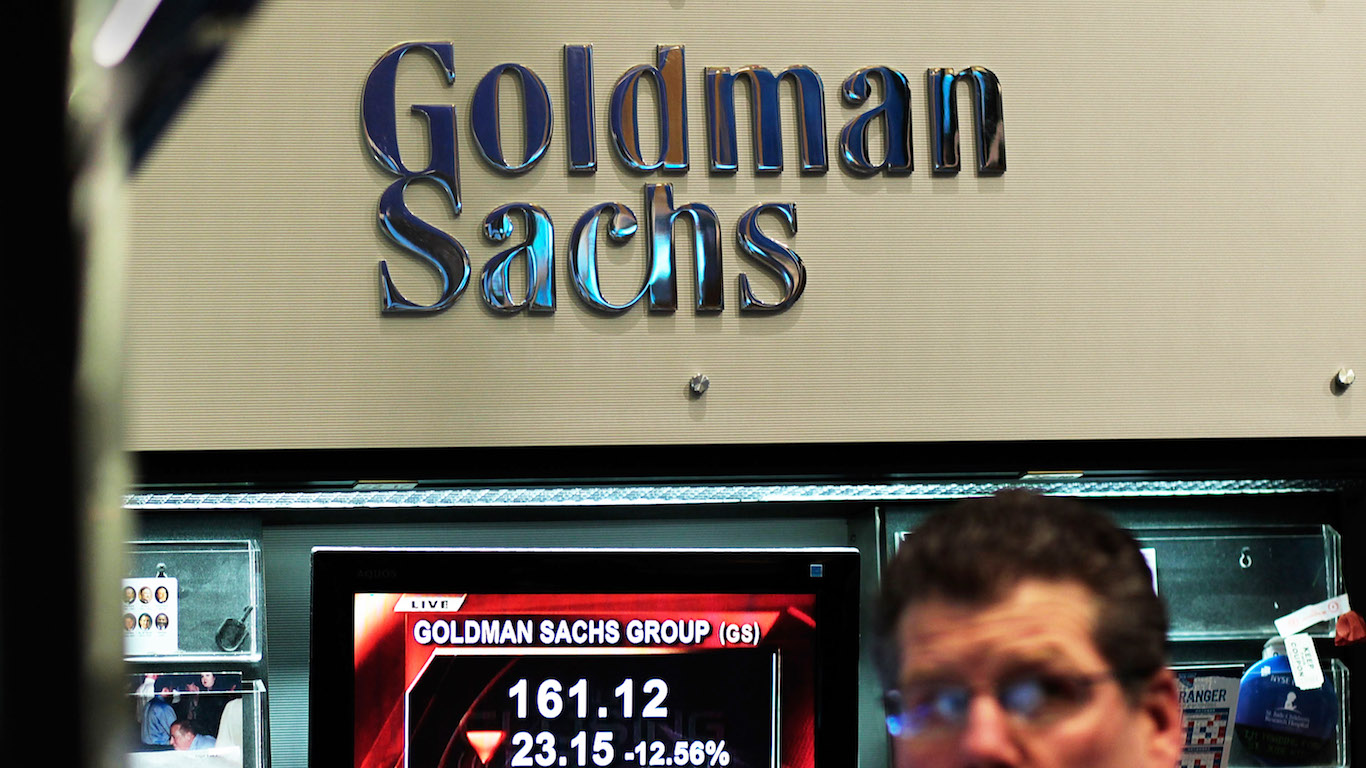
Three S&P 500 covered-call ETFs dominate the category, each converting option premium into cash distributions through very different mechanisms: Global X S&P 500 Covered Call ETF (NYSEARCA:XYLD), Goldman Sachs S&P 500 Core Premium Income ETF (NASDAQ:GPIX), and ProShares S&P 500 High Income ETF (NYSEARCA:ISPY). The headline distribution numbers make XYLD look like the obvious winner. The total-return math tells a different story.
XYLD writes at-the-money calls on the full notional value of its S&P 500 basket every month. GPIX runs an active, partial overlay engineered to preserve meaningful equity participation. ISPY sells zero-days-to-expiry calls that reset every trading session. Three approaches, three tradeoffs, and the fund with the highest trailing yield ranks last in year-to-date total return.
How the Overwrite Percentage Drives Everything
The single most important variable in any covered-call fund is how much of the portfolio is overwritten and at what strike. Full at-the-money overwrites capture the most premium and give up the most upside. Partial or out-of-the-money overwrites leave room to participate when the S&P 500 rallies. Daily overwrites collect small premiums repeatedly and reset the strike each morning, which changes the shape of returns more than the size of the income stream.
That distinction shows up clearly in 2026 performance. Year to date, GPIX has returned 13.39%, ISPY has returned 10.82%, and XYLD has returned 10.20%. All three sell calls on the same underlying index. The gap is a direct consequence of how aggressively each one caps the equity upside.
XYLD: The Full Overwrite That Caps Its Own Rally
XYLD is the purest expression of a covered-call strategy on the S&P 500. It writes one-month at-the-money calls on 100% of the notional value of its equity basket, which means every point the index climbs above the strike gets handed back to the option buyer. The fund exists to convert index volatility into cash, and it does that better than any peer on this list.
The trailing twelve months of distributions total $4.33 per share against a current price of $41.67, which puts the running yield in the low double digits. Distributions are variable rather than fixed, with the most recent monthly payment of $0.3109 falling well below the July payment of $0.4088. Investors who need predictable cash should treat the headline yield as an average that varies month to month.
The expense ratio sits at 0.60%, and net assets stood at roughly $3.1 billion at the April NPORT reporting date. The tradeoff is unambiguous. Over five years, XYLD returned 44.97% on price while the S&P 500 doubled. If your goal is monthly income and you accept giving up most upside in strong markets, XYLD delivers on its mandate. If you want participation, look elsewhere.
GPIX: Goldman’s Partial Overlay Splits the Difference
GPIX is the standout for investors who want covered-call income without giving up their equity upside. Goldman actively manages the overlay, writing calls on a portion of the portfolio at strikes that leave room for the underlying stocks to appreciate before the overwrite bites. The equity book itself looks like a slightly tilted S&P 500, with the largest holdings including Apple, Alphabet, Amazon, and Broadcom. The short-option book shows up as four Morgan Stanley derivative positions carrying negative weights totaling roughly negative 48 basis points of net assets, which is consistent with a partial rather than full overwrite.
The results in 2026 justify the design. GPIX has produced a trailing twelve-month distribution of $4.56, a forward annualized payout of $4.77, and a one-year total price return of 19.8%. That combination of high single-digit yield plus meaningful equity participation is exactly what buyers of JEPI or SPYI are usually hunting for, and GPIX has already grown to $5.69 billion in net assets since launch.
The catch is that active management introduces manager risk. If the option desk mistimes strikes into a fast rally, GPIX can lag both XYLD (which is rules-based) and a plain index fund. So far it has not.
ISPY: The Daily-Reset Contrarian Pick
ISPY is the fund most readers screening for “S&P 500 covered call” will overlook, and it belongs on this list precisely because its mechanics break the usual tradeoff. Rather than writing monthly options that lock in a strike for weeks, ISPY sells zero-days-to-expiry calls that reset every trading day. Daily resets mean the fund is never trapped in a stale strike during a multi-week rally, and the collected premiums are smaller but far more frequent. Repurchase agreements appear prominently in the disclosed portfolio as collateral for the option program, with four separate positions ranging from roughly 0.5% to 1.5% of net assets.
The equity holdings mirror the index, led by Apple at 6.00%, Microsoft at 4.38%, Amazon at 3.46%, and Broadcom at 2.77%. ISPY carries roughly $1.30 billion in net assets, the smallest of the three funds. Its trailing distribution total of $2.50 against a $48.45 price implies a running yield roughly half of XYLD’s, and monthly amounts have swung sharply, from $0.045 in August 2025 to $1.27 in May 2025. The daily strategy is newer and less understood than the monthly overlays used by XYLD, which is part of why it remains overlooked.
Which Fund Fits Which Investor
XYLD is the choice when the income line item on a monthly statement is the primary goal. Retirees drawing from the portfolio and investors who want the S&P 500 to feel like a bond substitute get what they came for, provided they understand that a sharp rally will pass them by. The 0.60% expense ratio is the highest of the three and worth paying only if the full overwrite is what you actually want.
GPIX is the best all-around option for investors who want covered-call income without surrendering the equity return that makes the S&P 500 worth owning. The one-year return of 19.8% alongside a forward payout near $4.77 is the best expression of that balance available today.
ISPY earns a place for investors who suspect the S&P 500 will keep grinding higher and want option premium as an add-on to equity returns. The daily reset preserves participation better than any monthly strategy, at the cost of a lower and lumpier income stream. Total return has beaten headline yield in 2026, and the gap between these three funds shows why.
Contact [email protected] for any questions or corrections.
Ryne Mauck is an investment writer covering exchange-traded funds, retirement planning, and portfolio strategy. Through his work at 24/7 Wall St. and other investment platforms, including Seeking Alpha, he aims to provide clear, research-driven insights that help investors make more informed decisions while maintaining a long-term approach to investing.
Ryne holds a B.Sc. in Finance and an M.A. in Political Science. He is a formerly registered Municipal Advisor Representative and has passed the Series 50, Series 63, and Series 65 exams. His articles are not intended to be, nor should they be interpreted as, financial advice.