Nvidia’s Selloff Put Two Bullish 2× ETFs to the Test. Here’s How They Fared

This post may contain links from our sponsors and affiliates, and Flywheel Publishing may receive compensation for actions taken through them.
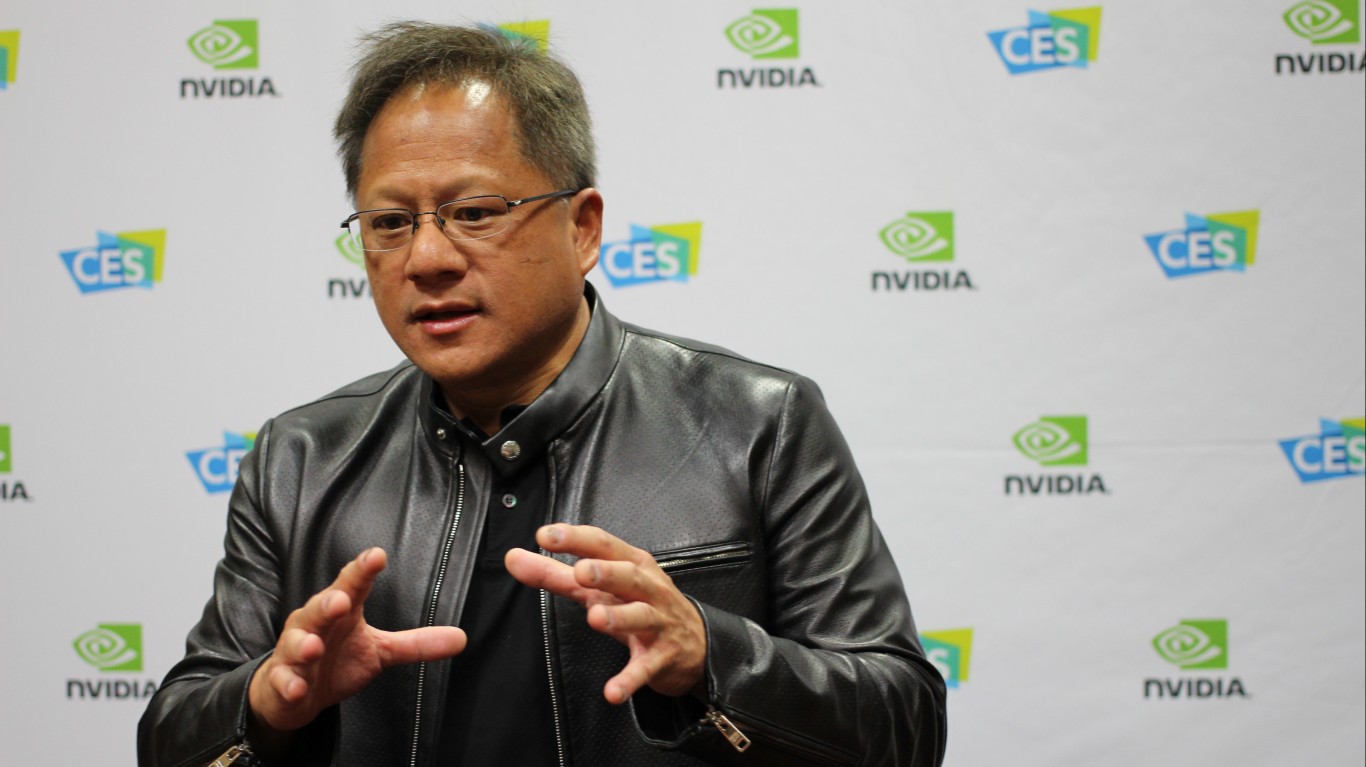
Thursday’s chipmaker leadership change hit hardest in the funds built to double a single stock’s daily moves. In Thursday’s session, Nvidia (NASDAQ:NVDA | NVDA Price Prediction) fell 4.34% to $166.19, based on prices as of 5:46 p.m. ET. Axios, NPR, CBS News and NBC News reported that Jensen Huang resigned as CEO on Thursday, Nov. 12, and Nvidia did not give a reason. According to Axios, the board named longtime CFO Colette Kress interim CEO and tied the exit to reports that Huang had two affairs, including one with a purported Chinese spy.
Two leveraged funds from different sponsors made the same bullish call and fell together. GraniteShares 2x Long NVDA Daily ETF (NASDAQ:NVDL) fell 8.97% to $18.57, and Direxion Daily NVDA Bull 2X ETF (NASDAQ:NVDU) fell 9.17% to $73.73, with prices as of about 5:45 p.m. ET. Both aim for twice Nvidia’s daily return. A straight doubling of Nvidia’s Thursday decline works out to 8.68%, so both funds ended up close to their stated target.
Two Sponsors, One Target, Nearly Identical Losses
| Fund | Thursday | One Month | Year to Date | One Year |
|---|---|---|---|---|
| NVDL | -8.97% | -49.23% | -36.7% | -42.99% |
| NVDU | -9.17% | -49.19% | -36.37% | -42.94% |
| NVDA | -4.34% | -27.28% | -10.68% | -14.04% |
Across every window, the two funds sit within a fraction of a percentage point of each other. That tight match is what you would expect from products with the same daily objective on the same stock. Small gaps typically come from fees, financing costs, and the timing of each fund’s daily rebalancing.
The real differences between them sit in cost, size, and the mix of swaps, cash, and direct stock each sponsor uses to build 2x exposure. Sponsors report those details on different schedules and in different filings, so a fair comparison means lining up each fund’s latest prospectus and holdings report as of the same date before drawing conclusions.
Why a Month of Losses Did Not Double Cleanly
Thursday continued a steep slide. Nvidia has lost 27.28% from October 13 through Thursday, while NVDL and NVDU gave up 49.23% and 49.19%. Pressure preceded the CEO news: on the August earnings call, Kress had warned that memory pricing “has exceeded our prior expectations and is headed even higher into next year,” with gross margins then expected to bottom in the 71% to 72% range in Q4.
A simple doubling of Nvidia’s monthly drop would be 54.56%. The funds lost less because they reset leverage every day. Each day’s loss applies to a smaller base during a steady decline, so compounding moderates the damage.
Choppy markets reverse that effect. Year to date, Nvidia is down 10.68%, and doubling that gives 21.36%. Yet NVDL is down 36.7% and NVDU 36.37%. When a stock swings up and down, a leveraged fund loses more on drops than it gains on rebounds. That volatility drag adds up, and the one-year figures show the same pattern.
Short-Term Trading Tools Built for Single-Day Moves
Each fund is designed to deliver 2x over one trading day. Held for weeks or months, their results drift away from any clean multiple of Nvidia’s return, as the table shows. One large adverse single-day move in Nvidia can erase most of a leveraged fund’s value, and recovering from that loss requires outsized gains afterward. They are designed for active traders who monitor positions daily. Retirement portfolios built to compound over decades typically use different kinds of holdings.
What Retirement Index Fund Holders Actually Felt
Many long-term savers felt Thursday’s selloff through ordinary index funds. Nvidia has a market value of about $4.01 trillion, making it a large weight in broad market and technology funds. Even so, diversification across hundreds of other holdings limits that weight, so a 4.34% drop in one stock moves a total-market fund only slightly.
That said, an investor holding an S&P 500 fund, a Nasdaq-100 fund, and a tech sector fund may own more Nvidia than they realize. Adding a 2x single-stock fund on top doubles that concentration on every daily move.
The next signals to monitor are how Nvidia’s board handles a permanent CEO search, whether Kress keeps the Vera Rubin ramp and margin outlook intact, and how much daily volatility follows. Choppy trading would likely widen the gap between these funds and 2x Nvidia’s return.
Contact [email protected] for any questions or corrections.
Ryne Mauck is an investment writer covering exchange-traded funds, retirement planning, and portfolio strategy. Through his work at 24/7 Wall St. and other investment platforms, including Seeking Alpha, he aims to provide clear, research-driven insights that help investors make more informed decisions while maintaining a long-term approach to investing.
Ryne holds a B.Sc. in Finance and an M.A. in Political Science. He is a formerly registered Municipal Advisor Representative and has passed the Series 50, Series 63, and Series 65 exams. His articles are not intended to be, nor should they be interpreted as, financial advice.