Video Game Sales Crash Before The Holidays,And May Be Replaced Altogether
The new Microsoft (NASADQ: MSFT) Kinect, which has already sold 1 million units, and updated versions of products from Sony (NYSE: SNE), and Nintendo had all better sell well in November and December. Otherwise, the industry is in for a…


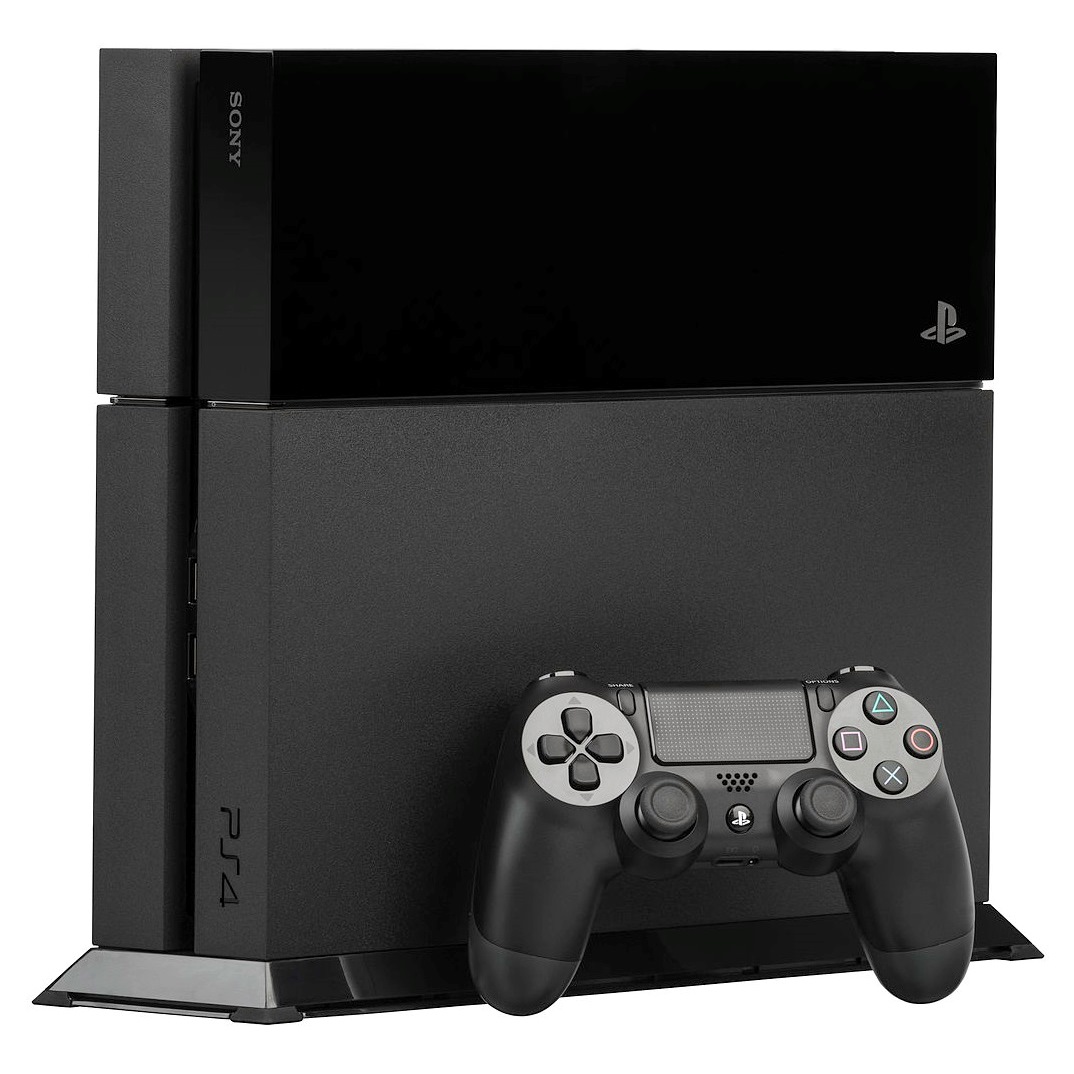
October video game sales results show that purchases were down for a seventh month. Perhaps that is because buyers have decided to wait for soon-to-be-released models.
Research firm NPD reports says that hardware sales plunged 26% to $280 million compared to the same month last year, and 2009 numbers where already depressed by the economy. Game and other software sales rose higher by 6% to $605 million. The Microsoft’s Xbox 360 was the only console which sold better than it did in October of last year.
New game titles such as “Medal of Honor” and “Call of Duty: Black Ops” may drive revenue up for the last two months of the year, but that will be cold comfort if sales are not spectacular. The earlier part of 2010 was that bad.
The industry now needs to convince cash-strapped consumers to pay $400 or $500 for a console and several video games which go with it. These games will compete this year, to some extent, with other new, top-selling consumer electronics devices such as the Amazon.com (NASDAQ: AMZN) Kindle and Apple (NASDAQ: AAPL) iPad. A number of new 42 inch plasma screens have been reduced in price to below $500. The market for home entertainment gadgets may never have been more crowded
The conventional wisdom is that video games compete with one another, and are, therefore, a closed universe. That is not true any more. TVs now can access the Internet for on-demand films and social networks. Video games can be played on the iPad and iPhone. The notion that traditional consoles are the only medium for this kind of entertainment has begun to die quickly.
Video games are not video games any more and consoles are in the early stages of obsolescence, at least for some portion of the market.
Douglas A. McIntyre
Contact [email protected] for any questions or corrections.
Douglas A. McIntyre is the co-founder, chief executive officer and editor in chief of 24/7 Wall St. and 24/7 Tempo. He has held these jobs since 2006.
McIntyre has written thousands of articles for 24/7 Wall St. He is an expert on corporate finance, the automotive industry, media companies and international finance. He has edited articles on national demographics, sports, personal income and travel.
His work has been quoted or mentioned in The New York Times, The Wall Street Journal, Los Angeles Times, The Washington Post, NBC News, Time, The New Yorker, HuffPost USA Today, Business Insider, Yahoo, AOL, MarketWatch, The Atlantic, Bloomberg, New York Post, Chicago Tribune, Forbes, The Guardian and many other major publications. McIntyre has been a guest on CNBC, the BBC and television and radio stations across the country.
A magna cum laude graduate of Harvard College, McIntyre also was president of The Harvard Advocate. Founded in 1866, the Advocate is the oldest college publication in the United States.
TheStreet.com, Comps.com and Edgar Online are some of the public companies for which McIntyre served on the board of directors. He was a Vicinity Corporation board member when the company was sold to Microsoft in 2002. He served on the audit committees of some of these companies.
McIntyre has been the CEO of FutureSource, a provider of trading terminals and news to commodities and futures traders. He was president of Switchboard, the online phone directory company. He served as chairman and CEO of On2 Technologies, the video compression company that provided video compression software for Adobe’s Flash. Google bought On2 in 2009.