10 Ways Japan’s Military is More Powerful Than China’s
Much of the world fears China becoming increasingly aggressive militarily while increasing its technological and cyber strengths. While Japan’s military is often viewed as less aggressive than during World War II, it wouldn’t be a cakewalk for China either. There…


Much of the world fears China becoming increasingly aggressive militarily while increasing its technological and cyber strengths. While Japan’s military is often viewed as less aggressive than during World War II, it wouldn’t be a cakewalk for China either.
There is no question that Japan has some advantages in a fight with China, even if it’s evident that China has the numbers regarding troops, planes, and ships. However, it’s hard to ignore that Japan has a close alliance with the United States and some geographic defenses that can’t be ignored.
10. Public Support

Whereas China controls the budget of its defense system, it does so without public backing or approval, which risks infighting and policy disagreements. Alternatively, Japanese national support for its military continues to grow, with recent indications showing that the Japanese public is aligned with increasing military spending to 2% of total GDP by 2027 to counter China and North Korea.
9. Cyber Defense

China has undoubtedly risen to the top of the cyber threat list, but Japan has many advantages. Specifically, Japan sees an advantage with its deeper integration of AI capabilities and electronic warfare systems, giving it a likely opportunity to disrupt Chinese communications rather than vice versa. China doesn’t drive the same specific focus as Japan, as it looks to be broad-stroke against various adversaries, while Japan’s military is heavily focused on defense.
8. Quad Alliance

As part of the “Quad Alliance” with the US, Japan, Australia, and India, Japan is well drilled against China’s more unilateral approach to military conflict. Otherwise known as the “Quadrilateral Security Dialogue,” this system is based on diplomatic considerations, joint military exercises, and planning. Japan’s military gets the benefit, just as it does through human and satellite intelligence, of gaming out different scenarios against China with the help of other nations.
7. Advanced Missile Systems
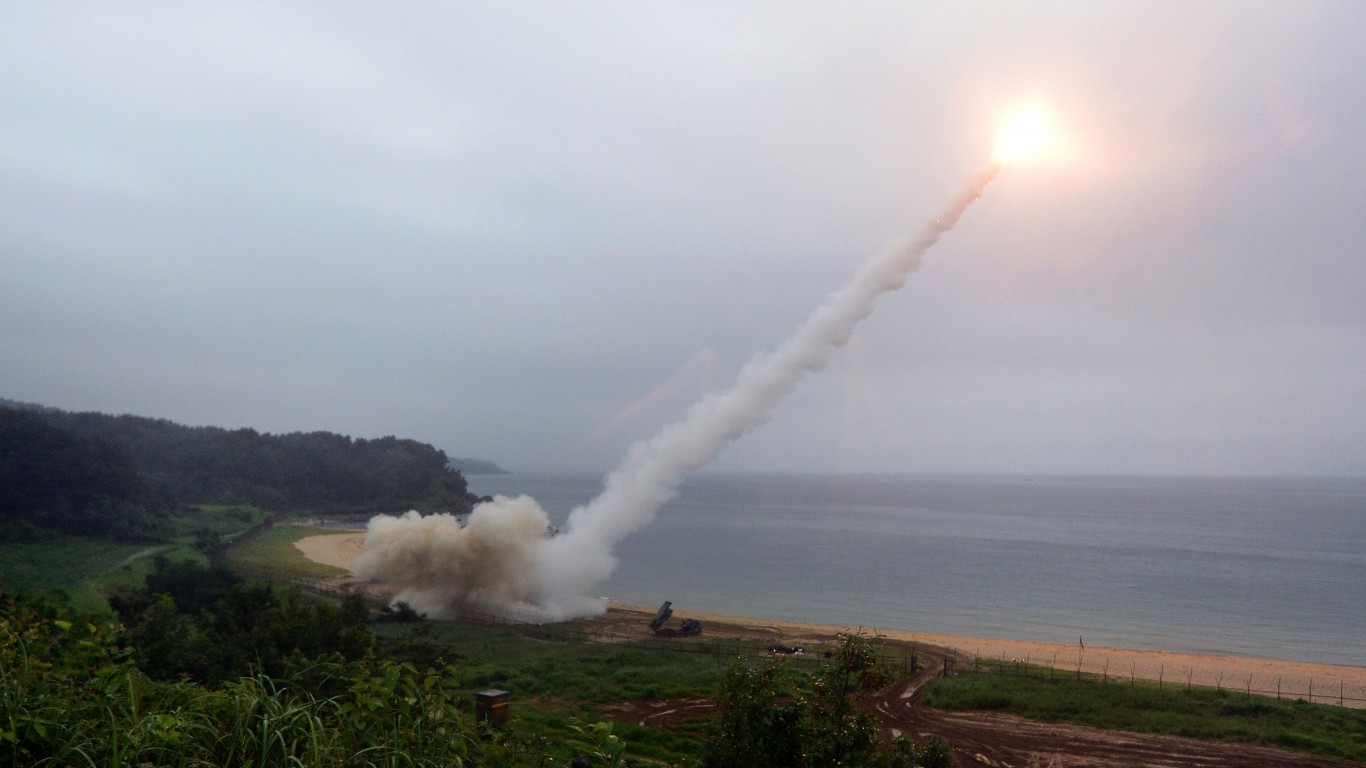
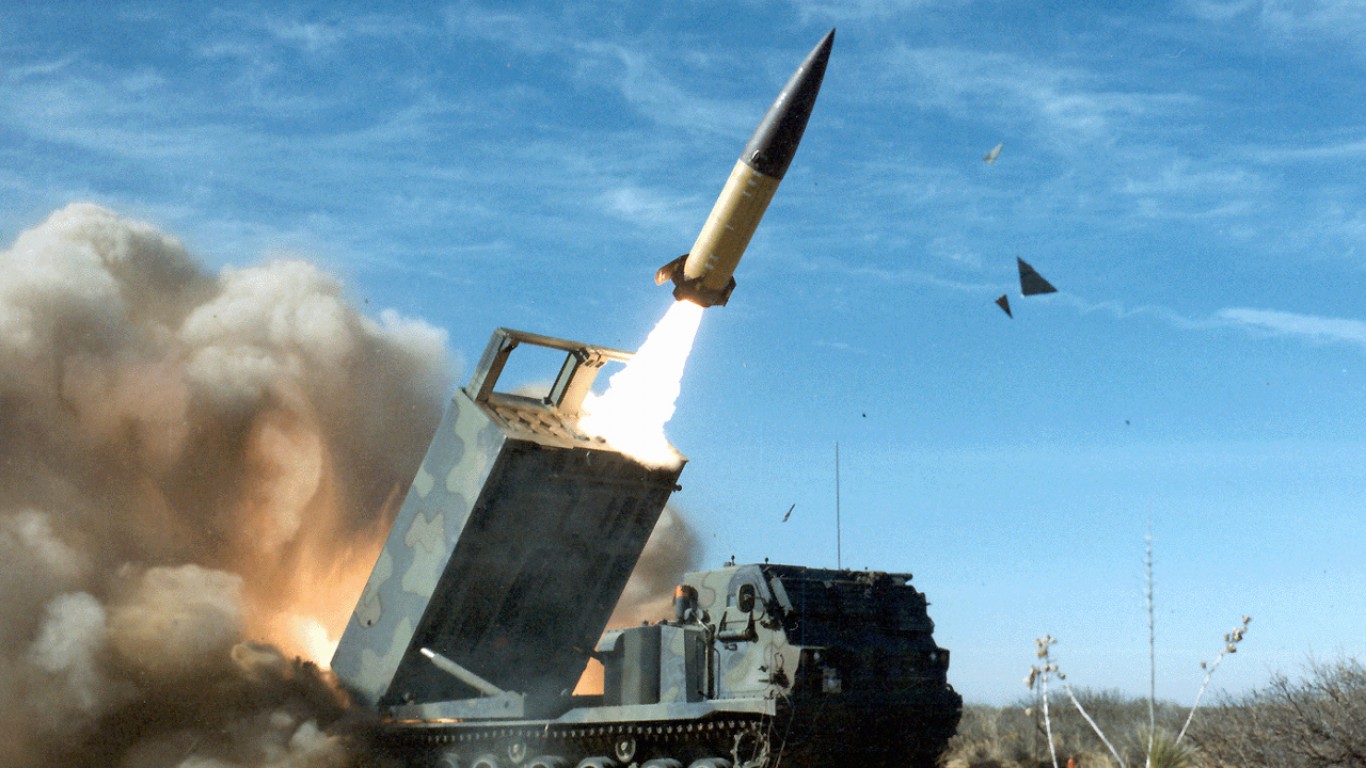
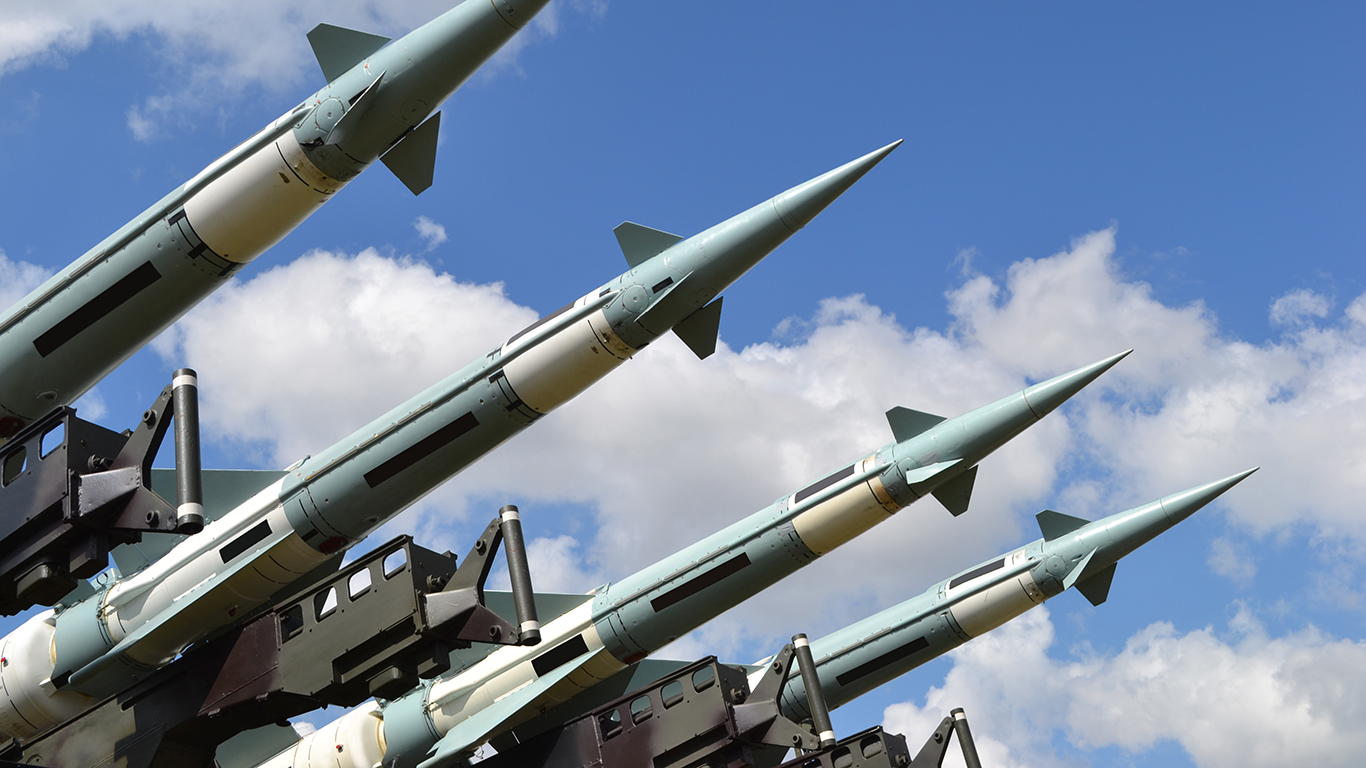
China has the HQ-9 missile systems available to deploy in greater numbers to Japan, but the SM-3 interceptors and Aegis-equipped destroyers are more advanced. China might be able to overwhelm Japan with its numbers, but Japan has the technological superiority in missile systems that can target and take out Chinese threats while in flight.
6. Intelligence Sharing
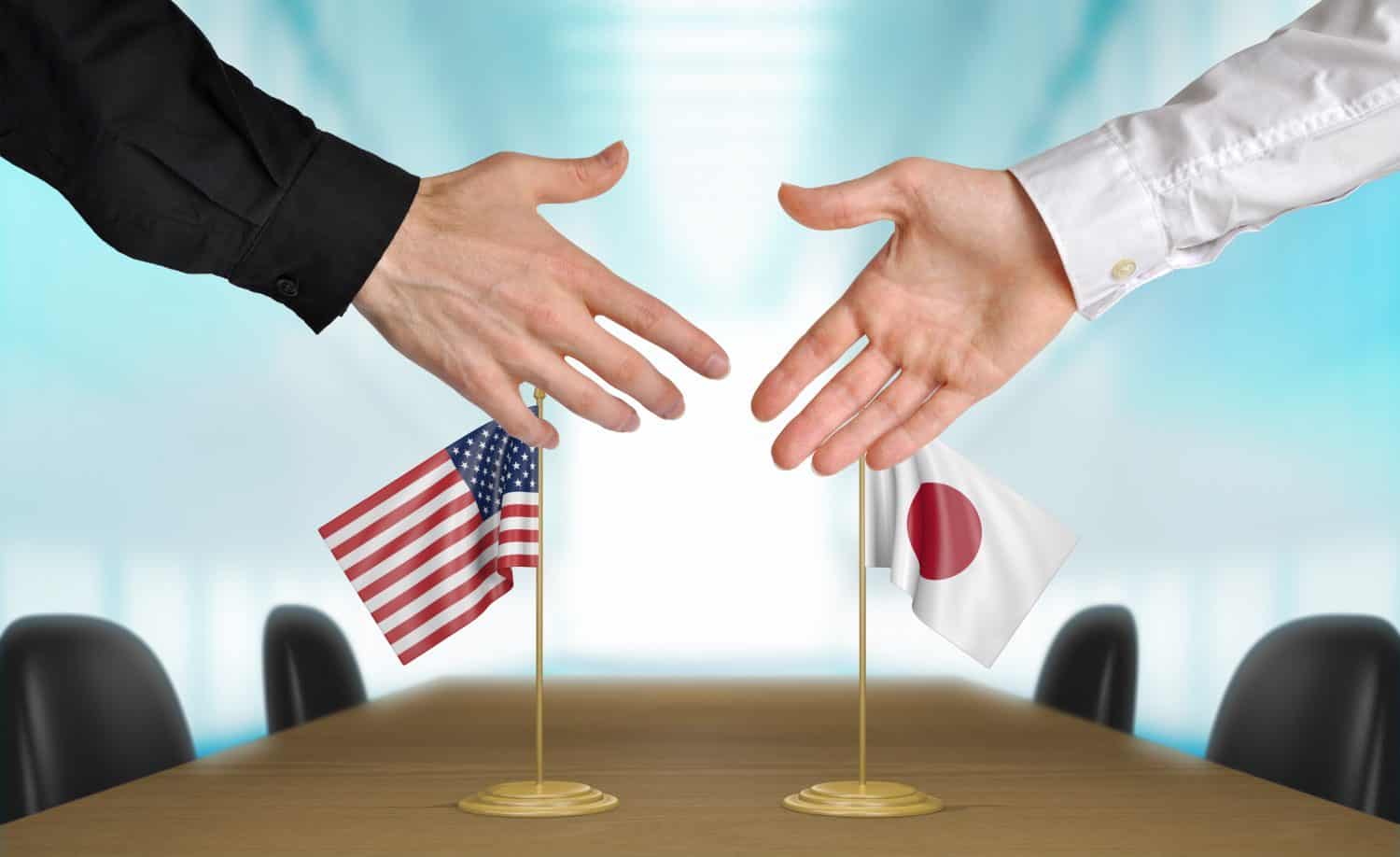
While China certainly has its allies, Japan’s alliance with numerous countries, specifically the United States, greatly amplifies its intelligence capabilities. This means its intelligence, surveillance, and reconnaissance (ISR) capabilities punch well above its pay grade, giving it a unique advantage over China. Japan now has a comprehensive look at the entire region through global intelligence networks, allowing it to pre-position forces and supplies.
5. Defense Technology
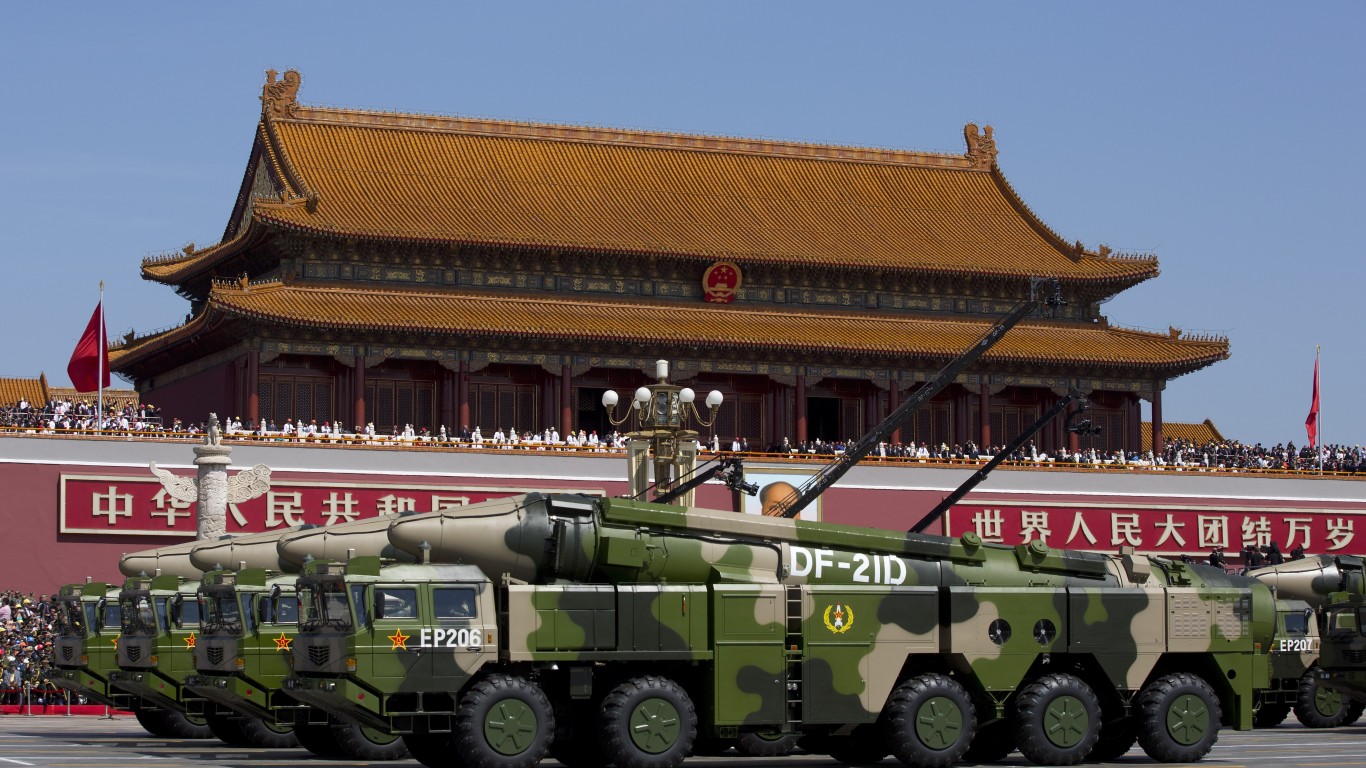
There is no denying that the Chinese Air Force is larger than Japan’s, but Japan’s F-35 stealth fighters are a close rival to China’s. Add in Japan’s Integrated Battle Command System, which gives Japan an edge at countering China’s larger missile arsenal. Japan’s air and missile defense systems also operate with a unified command structure, giving Japan an edge in defensive capabilities over China, focusing mainly on aggressive postures.
4. Island Geography

Japan’s island location isn’t a complete guarantee that it could hold off a Chinese attack, but it does give Japan’s military an edge over China. The country has bases on its Ishigaki, Miyako, and Yonaguni islands, allowing Japan to monitor Chinese activity closely. In addition, these bases are a forward hub to help immediately start to repel an attack, whereas China is solely focused on its mainland ground forces, which it has to sail and fly over.
3. Industrial Support
While China is very focused on all military production being state-driven, it could be susceptible to Japan outpacing it with cutting-edge technology. Japan has increasingly become self-sufficient in developing critical systems that help run missiles and fighter jets. Most importantly, an economically secure Japan can maintain sustained defense spending, while China has more economic concerns.
2. Submarine Fleet
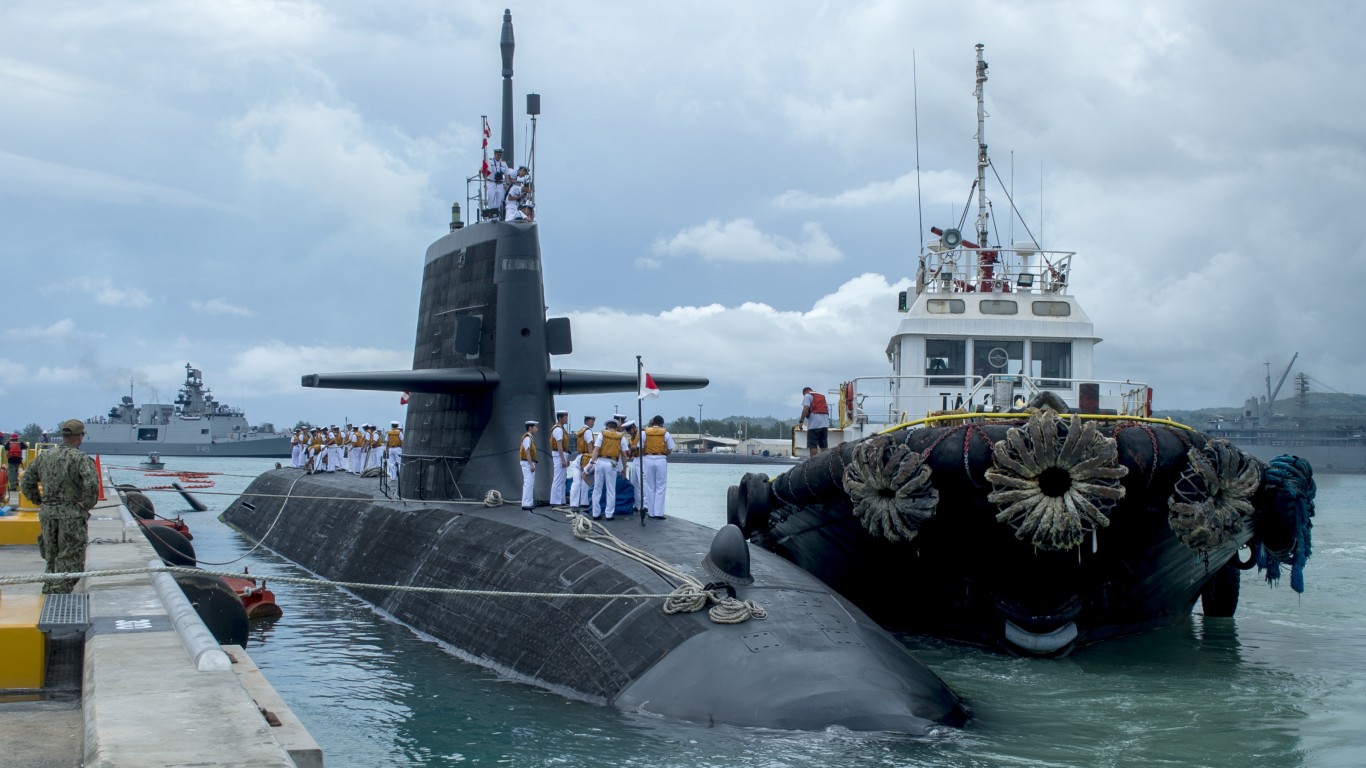
In any conflict, Japan’s submarine fleet will be critical to the country’s defense against Chinese aggression. More specifically, if Japan can set up chokepoints at the Miyako Strait and Bashi Channel, it can help restrict China’s movement in the region and eliminate some of the advantage China has with its larger submarine fleet.
1. United States Alliance
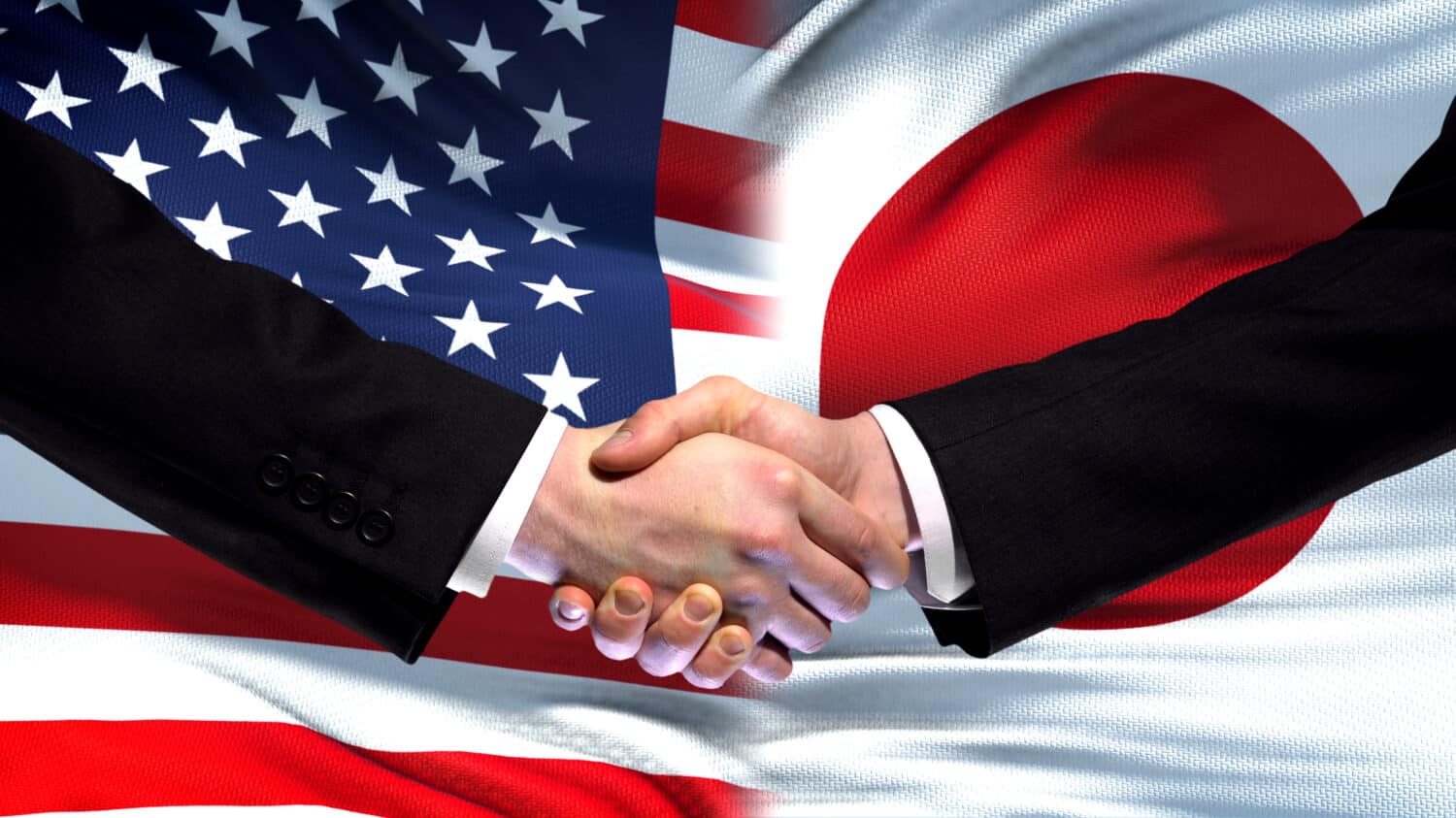
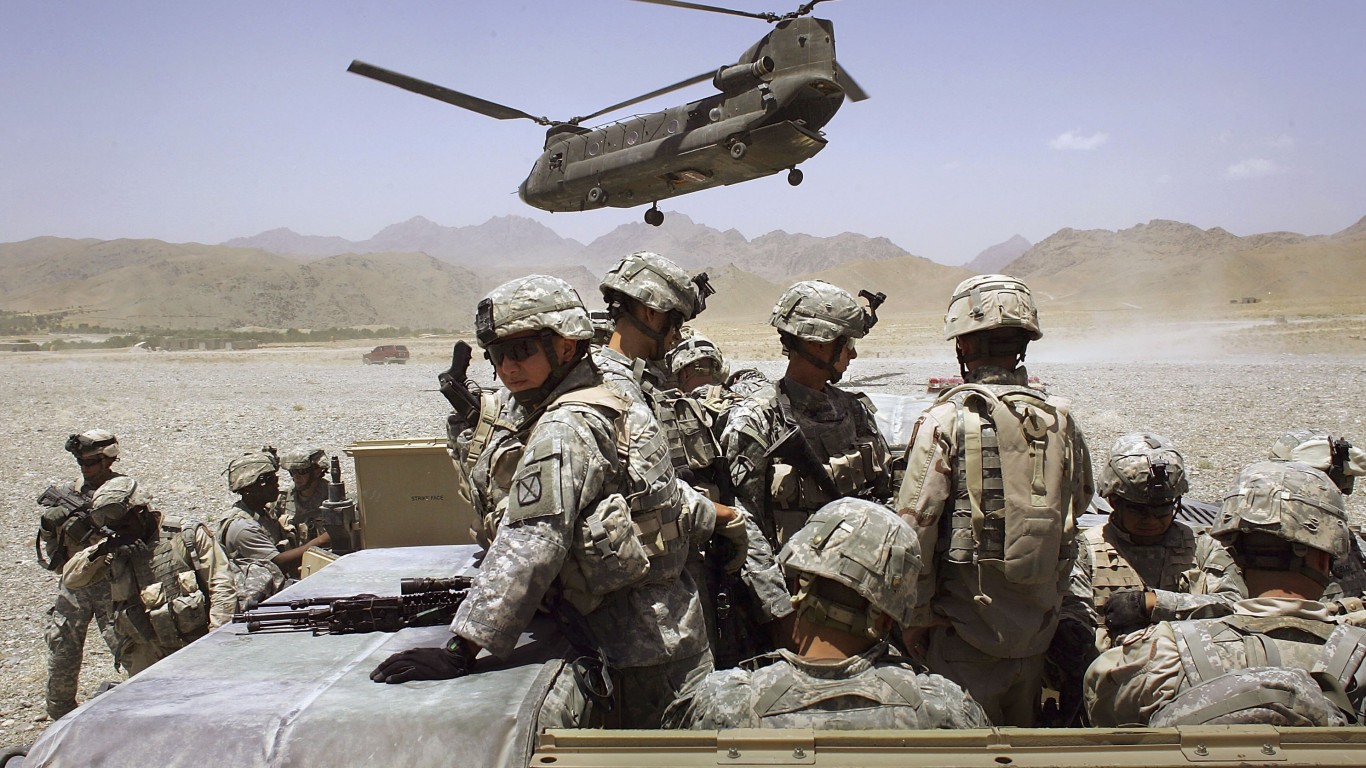
It’s hard to ignore the 800-pound elephant in the room regarding why Japan won’t be an easy victory for China. Ultimately, the United States would aid Japan through the 1960 U.S.-Japan Mutual Security Treaty. As of 2025, approximately 55,000 active-duty US military personnel are already in Japan, who would undoubtedly enter the war on behalf of Japan as soon as the first attack happens.
Contact [email protected] for any questions or corrections.
David Beren has been a Flywheel Publishing contributor since 2022. Writing for 24/7 Wall St. since 2023, David loves to write about topics of all shapes and sizes. As a technology expert, David focuses heavily on consumer electronics brands, automobiles, and general technology. He has previously written for LifeWire, formerly About.com. As a part-time freelance writer, David’s “day job” has been working on and leading social media for multiple Fortune 100 brands. David loves the flexibility of this field and its ability to reach customers exactly where they like to spend their time. Additionally, David previously published his own blog, TmoNews.com, which reached 3 million readers in its first year. In addition to freelance and social media work, David loves to spend time with his family and children and relive the glory days of video game consoles by playing any retro game console he can get his hands on.