Every U.S. Aircraft Carrier Still in Service and How Long It’s Been Sailing
The United States is a global military superpower without equal. America’s military supremacy is due to multiple factors, including its defense budget, which, at nearly $1 trillion for the 2026 fiscal year, is greater than the defense budgets of the…

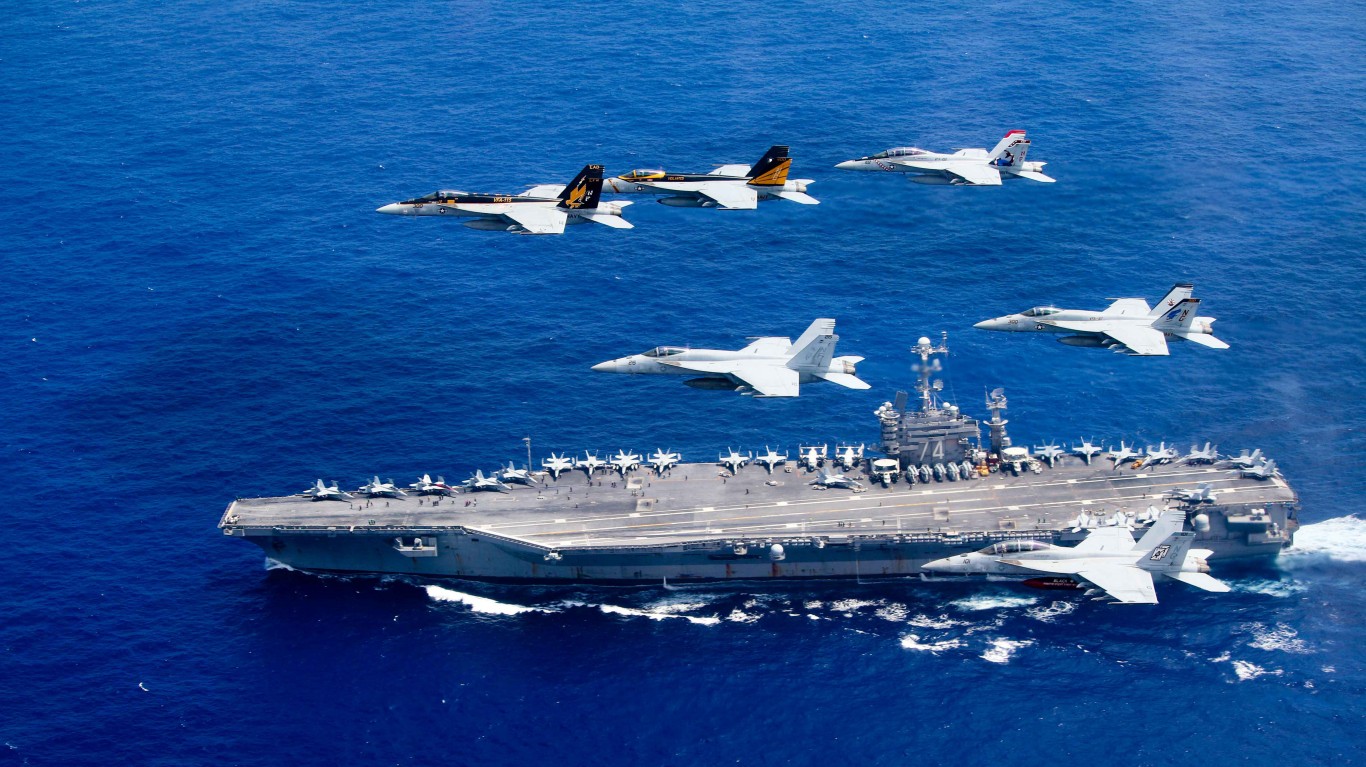
The United States is a global military superpower without equal. America’s military supremacy is due to multiple factors, including its defense budget, which, at nearly $1 trillion for the 2026 fiscal year, is greater than the defense budgets of the next nine highest-spending countries combined. The Pentagon’s annual budget allows the U.S. not only to develop cutting-edge war-fighting technology, but also to amass an arsenal of weapons and materiel capable of projecting power across the globe. The U.S. Navy’s fleet of aircraft carriers is at the center of that power.
There are currently 11 U.S. aircraft carriers in active service. China, the country with the second largest aircraft carrier fleet, only has three. No NATO member besides the U.S. has more than two aircraft carriers, and Russia has only one. Not only does the U.S. aircraft carrier fleet far surpass that of every other country’s navy in size, but American aircraft carriers are also technologically advanced. With the sole exception of France, the U.S. is the only country with nuclear-powered aircraft carriers, allowing each vessel in the fleet to navigate freely for years without needing to refuel
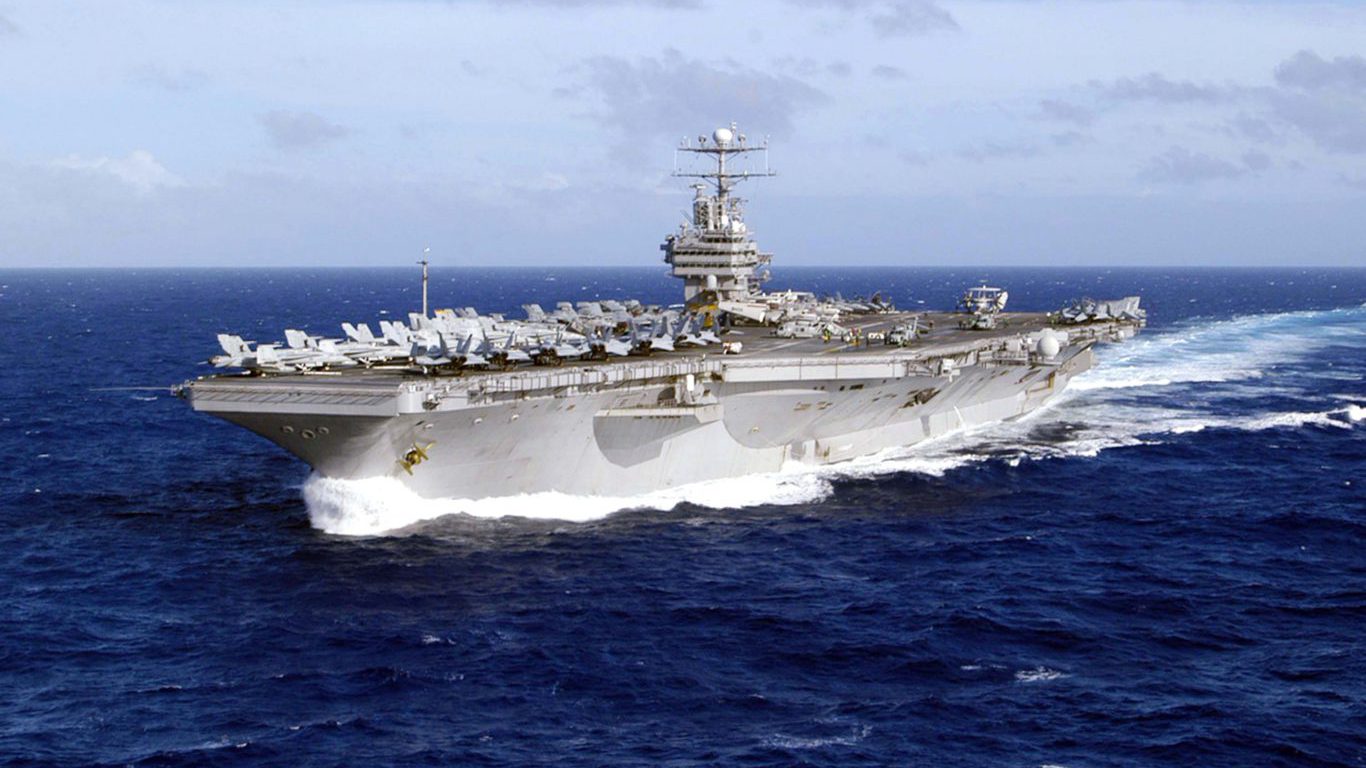
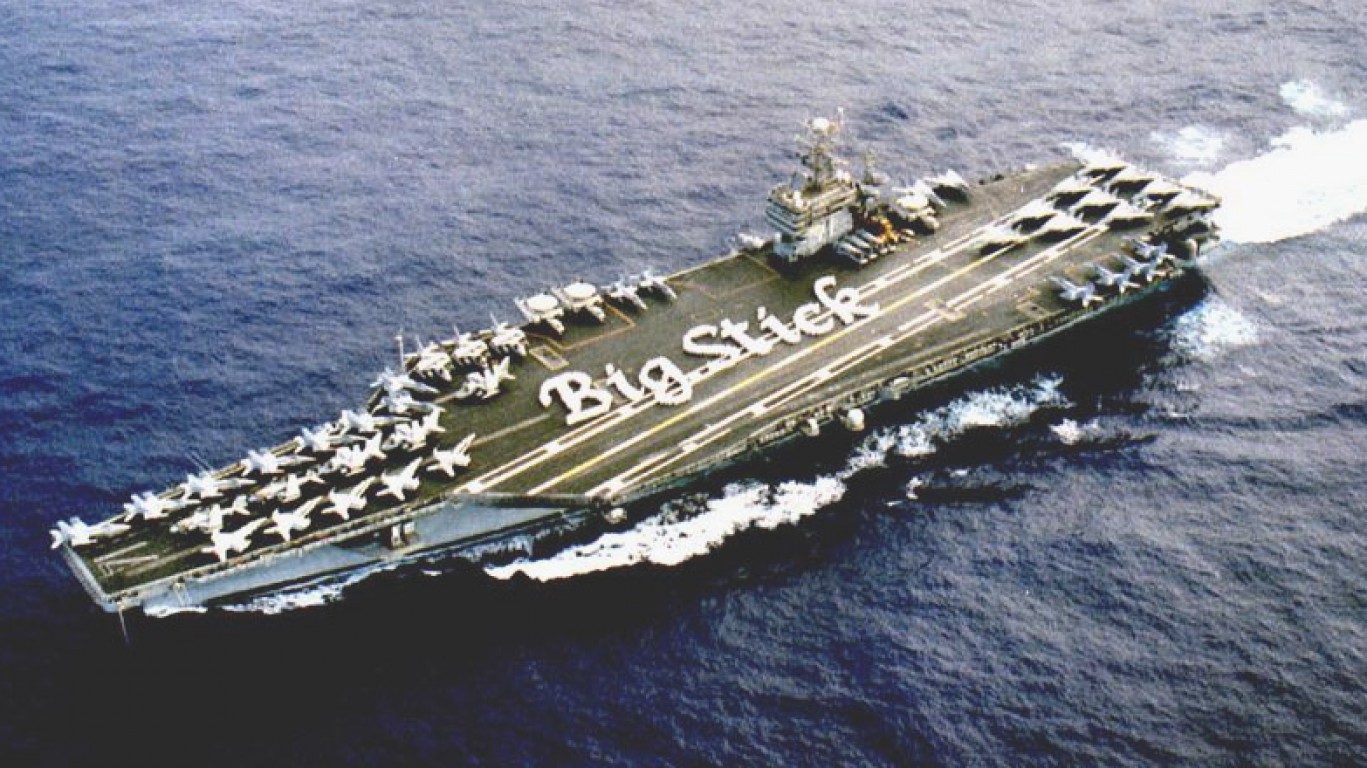
U.S. aircraft carriers, often staffed by a crew of over 4,000 sailors and capable of carrying more than 60 aircraft — including the F-18 Super Hornet fighter jet — can have a displacement of up to 100,000 tons when fully loaded. They are the largest military vessels in the world. Not only do American aircraft carriers act as a deterrent to hostile powers, but they also provide essential support to forward-operating forces and are instrumental in protecting commerce across the world’s oceans, as well as confronting threats such as terrorism and piracy.
Using data from a range of sources, including the U.S. Navy and media reports, 24/7 Wall St. identified each U.S. aircraft carrier in active service. Aircraft carriers are listed in the order in which they were commissioned, from oldest to newest.
The hull number for each of the 11 ships on this list begins with the letters “CVN,” indicating that they are nuclear-powered aircraft carriers. The first nuclear-powered carrier commissioned in the U.S. Navy was the USS Nimitz, which has been in service since 1975 and remains active today. Every American aircraft carrier since then has been nuclear-powered
When the USS Nimitz was commissioned 50 years ago, it was the first of the Nimitz-class vessels in the U.S. Navy. Since 1975, an additional nine Nimitz-class carriers have entered service, most recently in 2009, when the USS George H.W. Bush was commissioned.
Nimitz-class ships have towers extending 20 stories into the air and flight decks spanning 4.5 acres. Nimitz-class carriers are designed to have a half-century operational life, and the USS Nimitz is slated for retirement in 2026, as part of the Navy’s ongoing transition to newer Gerald R. Ford-class carriers.
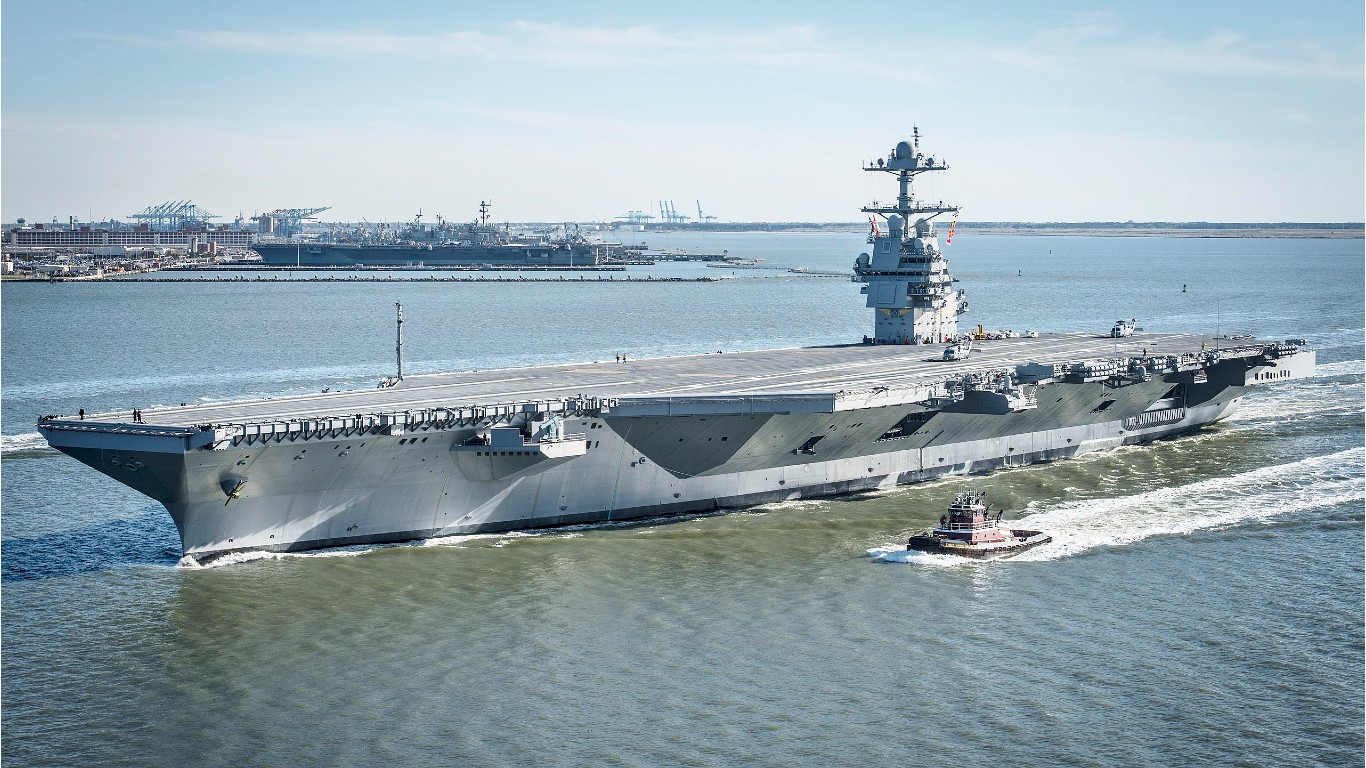
Larger than a Nimitz-class vessel, Gerald R. Ford-class aircraft carriers have a flight deck capacity for over 75 aircraft and 250% more electrical capacity. Currently, the USS Gerald R. Ford is the only Ford-class aircraft carrier in the U.S. Navy and has been since it was commissioned in 2017. A second Ford-class carrier, the USS John F. Kennedy, was planned to be commissioned in 2025, but its operational date has been pushed back to 2027.
These are the aircraft carriers that are currently in the fleet of the U.S. Navy.
Why It Matters
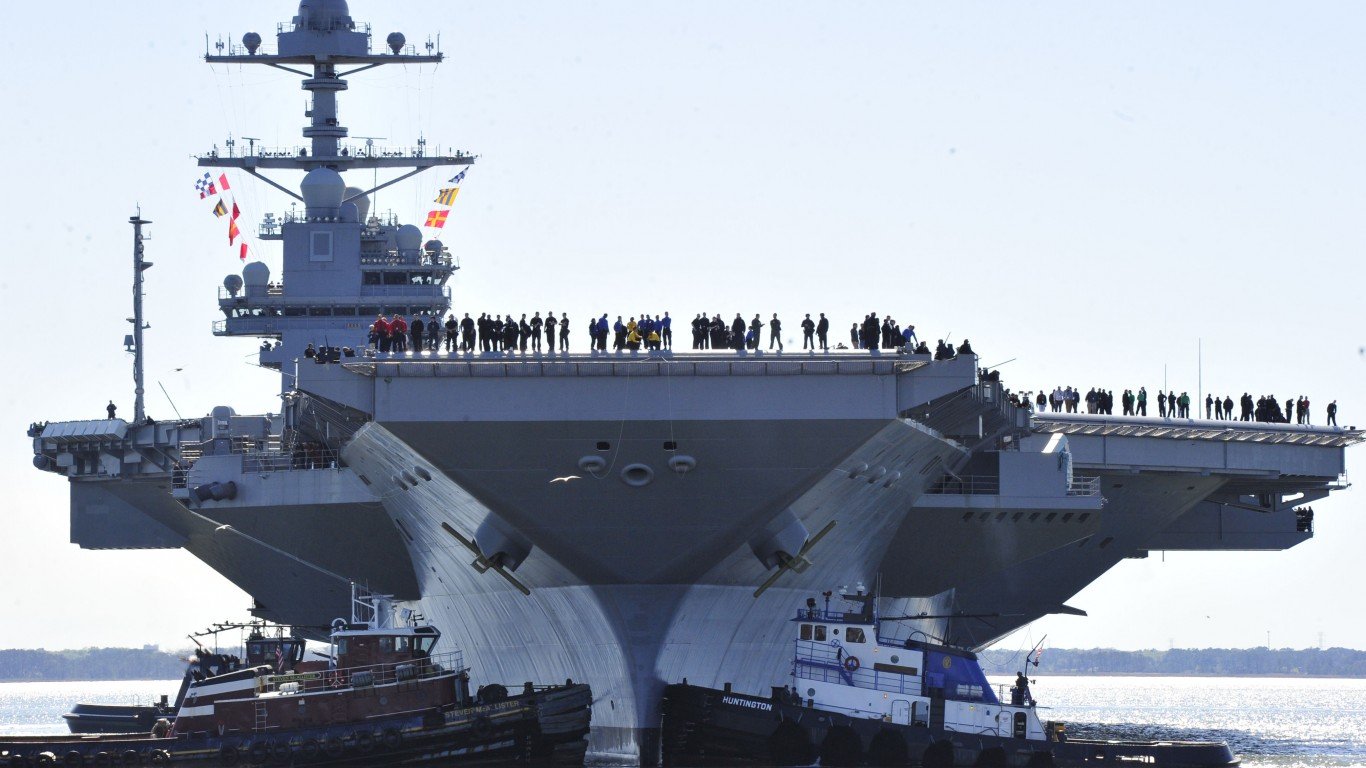
Each aircraft carrier is home to thousands of sailors and dozens of aircraft, making them the largest military naval vessels. The U.S. Navy has 11 of them, more than three times the number owned by any other country. Critical to ensuring American interests in times of both war and peace, aircraft carriers are an essential pillar of American combat operations and U.S. foreign policy.
11. CVN-68 USS Nimitz
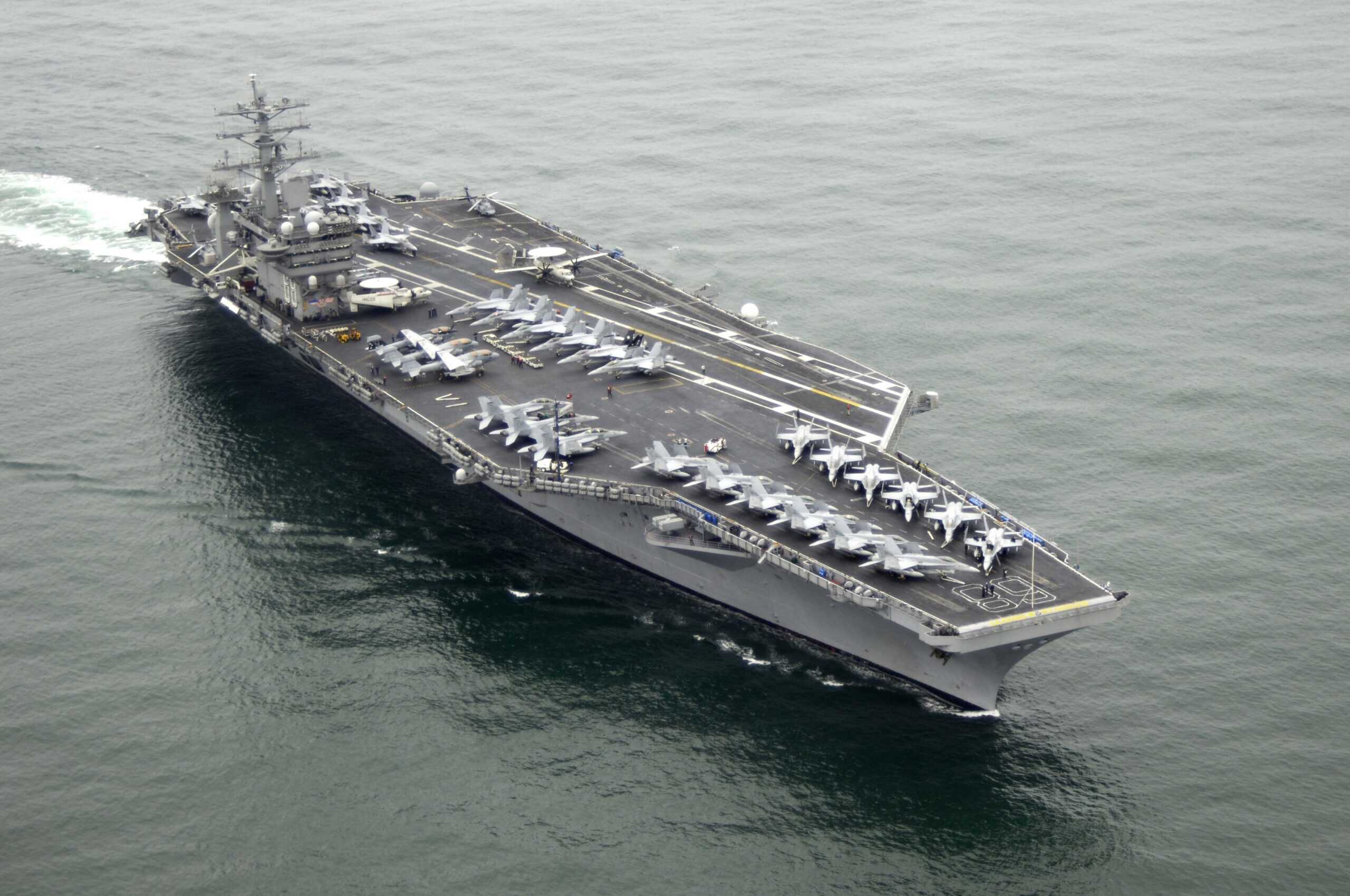
- Commissioned in: 1975
- Aircraft carrier class: Nimitz (lead ship)
- Home base: Naval Base Kitsap, Bremerton, Washington
10. CVN-69 USS Dwight D. Eisenhower
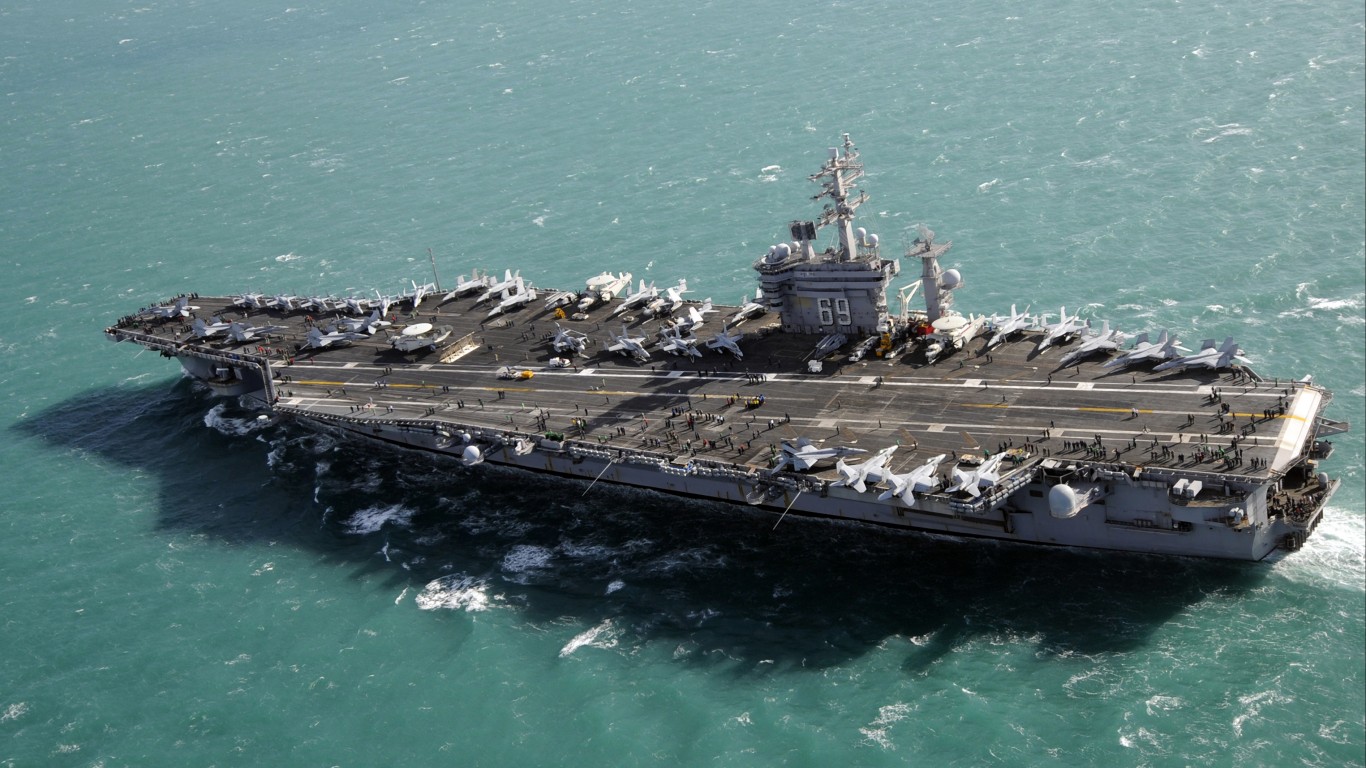
- Commissioned in: 1977
- Aircraft carrier class: Nimitz
- Home base: Naval Station Norfolk, Norfolk, Virginia
9. CVN-70 USS Carl Vinson
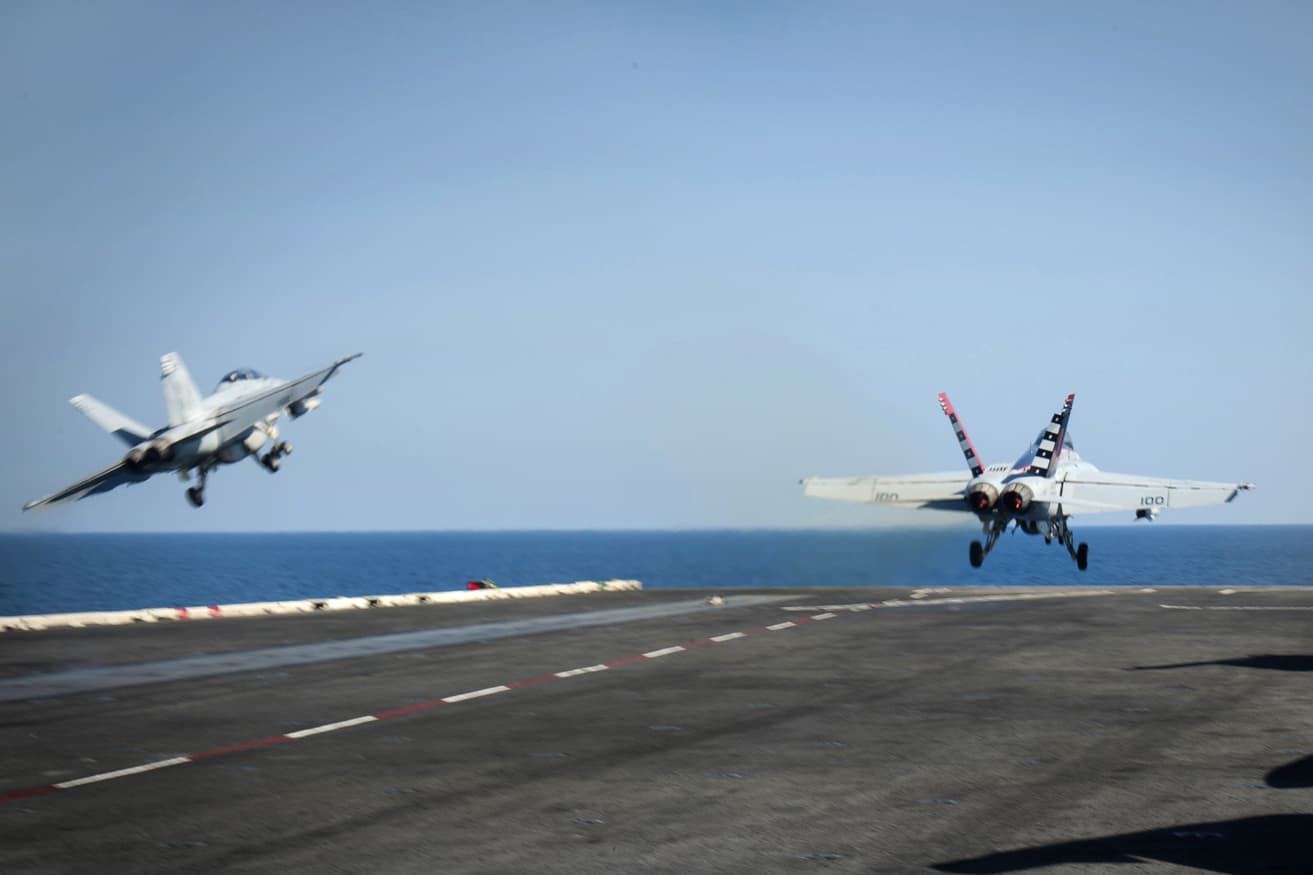
- Commissioned in: 1982
- Aircraft carrier class: Nimitz
- Home base: Naval Air Station North Island, San Diego, California
8. CVN-71 USS Theodore Roosevelt
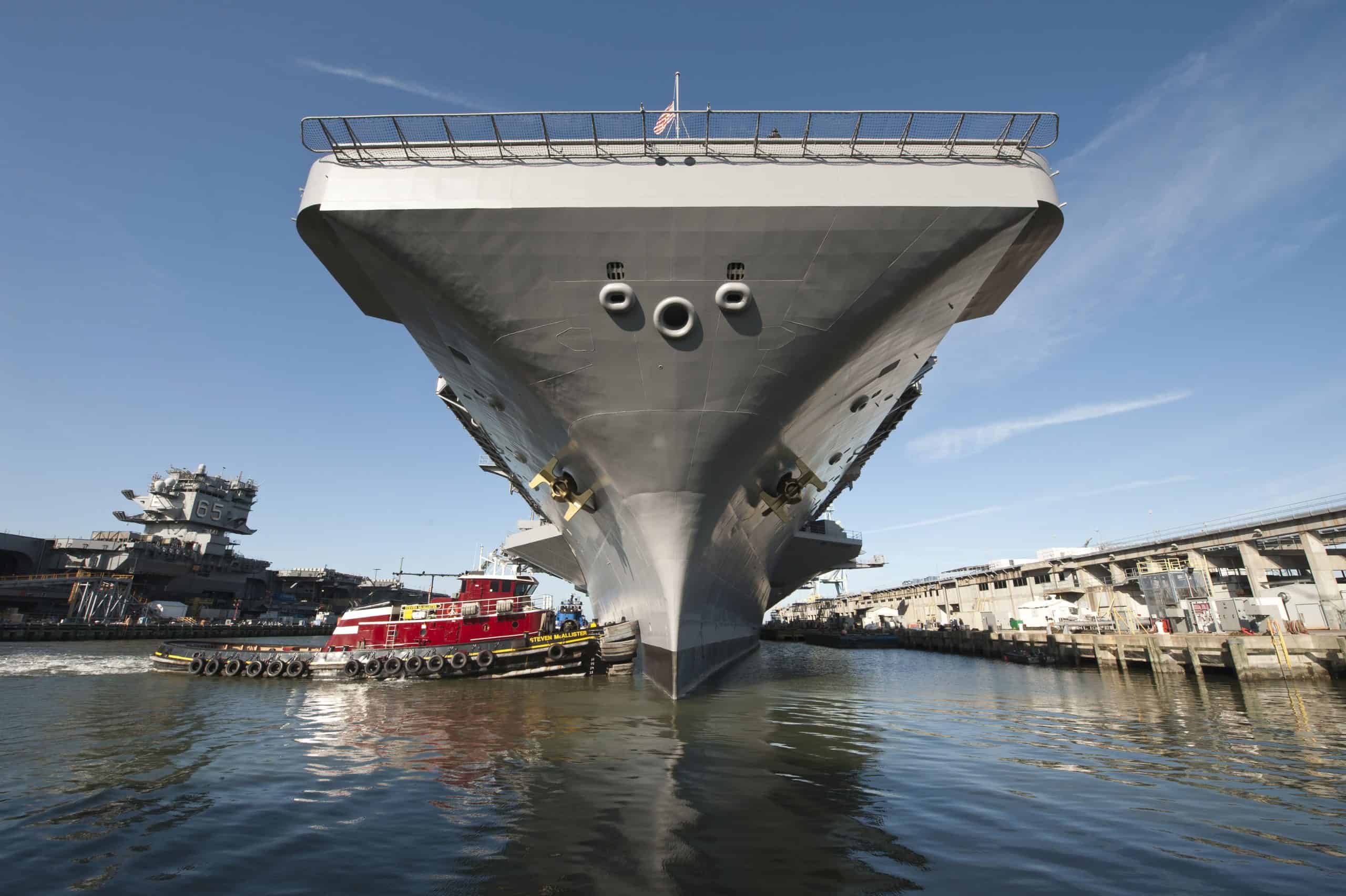
- Commissioned in: 1986
- Aircraft carrier class: Nimitz
- Home base: Naval Air Station North Island, San Diego, California
7. CVN-72 USS Abraham Lincoln
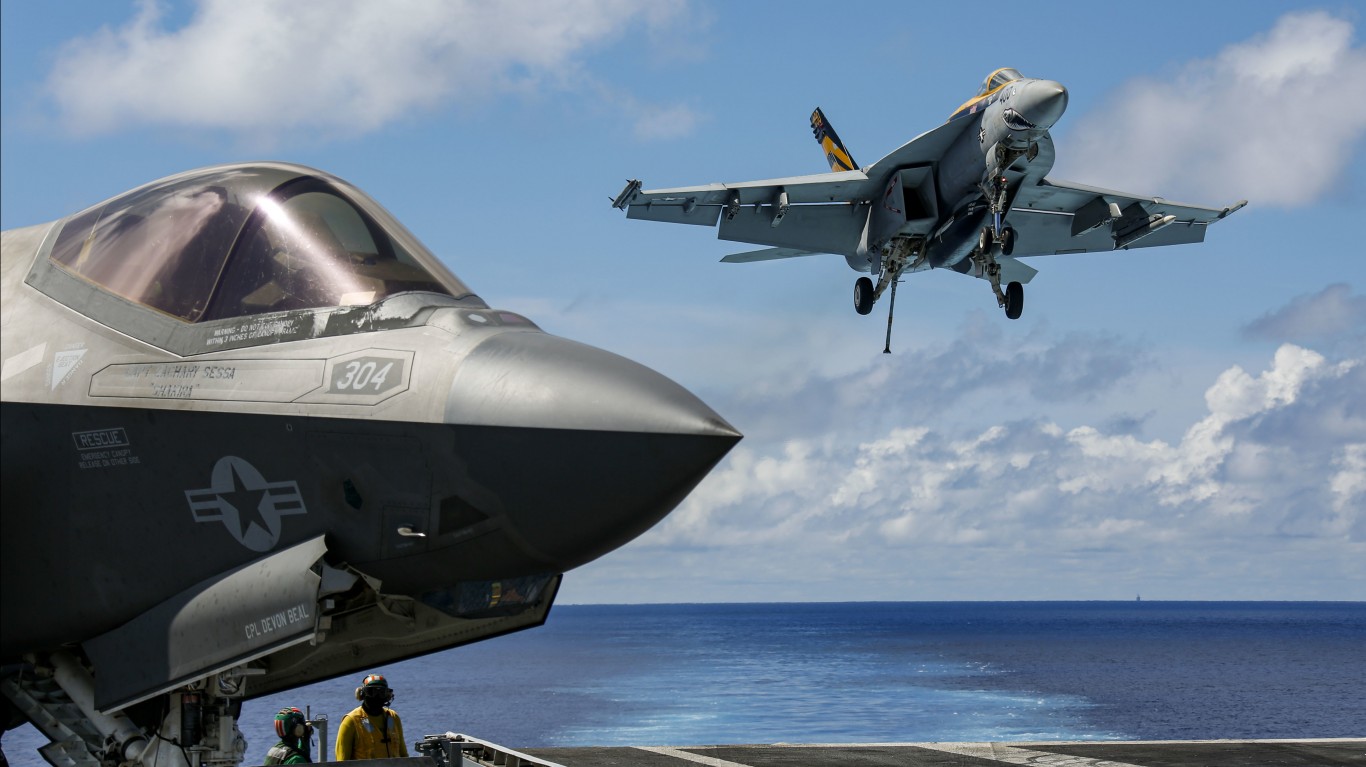
- Commissioned in: 1989
- Aircraft carrier class: Nimitz
- Home base: Naval Air Station North Island, San Diego, California
6. CVN-73 USS George Washington
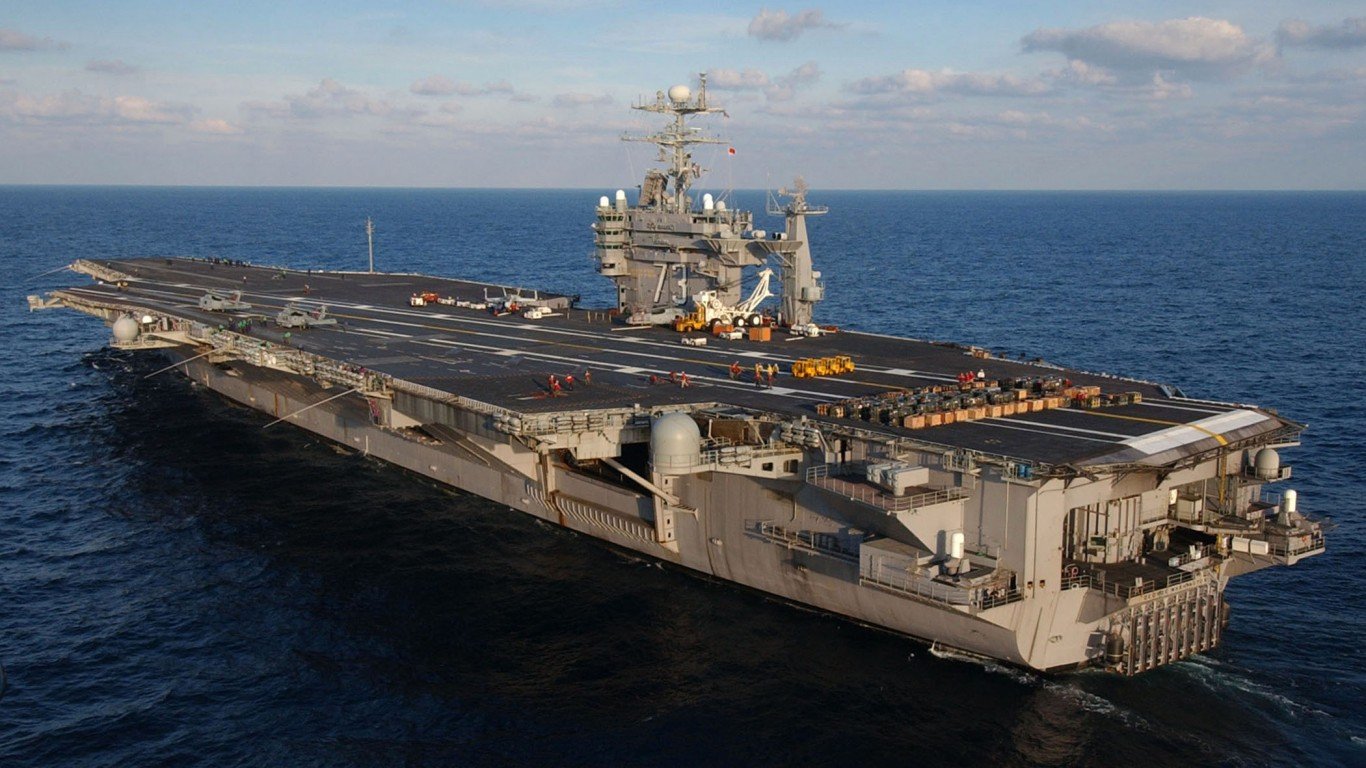
- Commissioned in: 1992
- Aircraft carrier class: Nimitz
- Home base: United States Fleet Activities Yokosuka, Japan
5. CVN-74 USS John C. Stennis
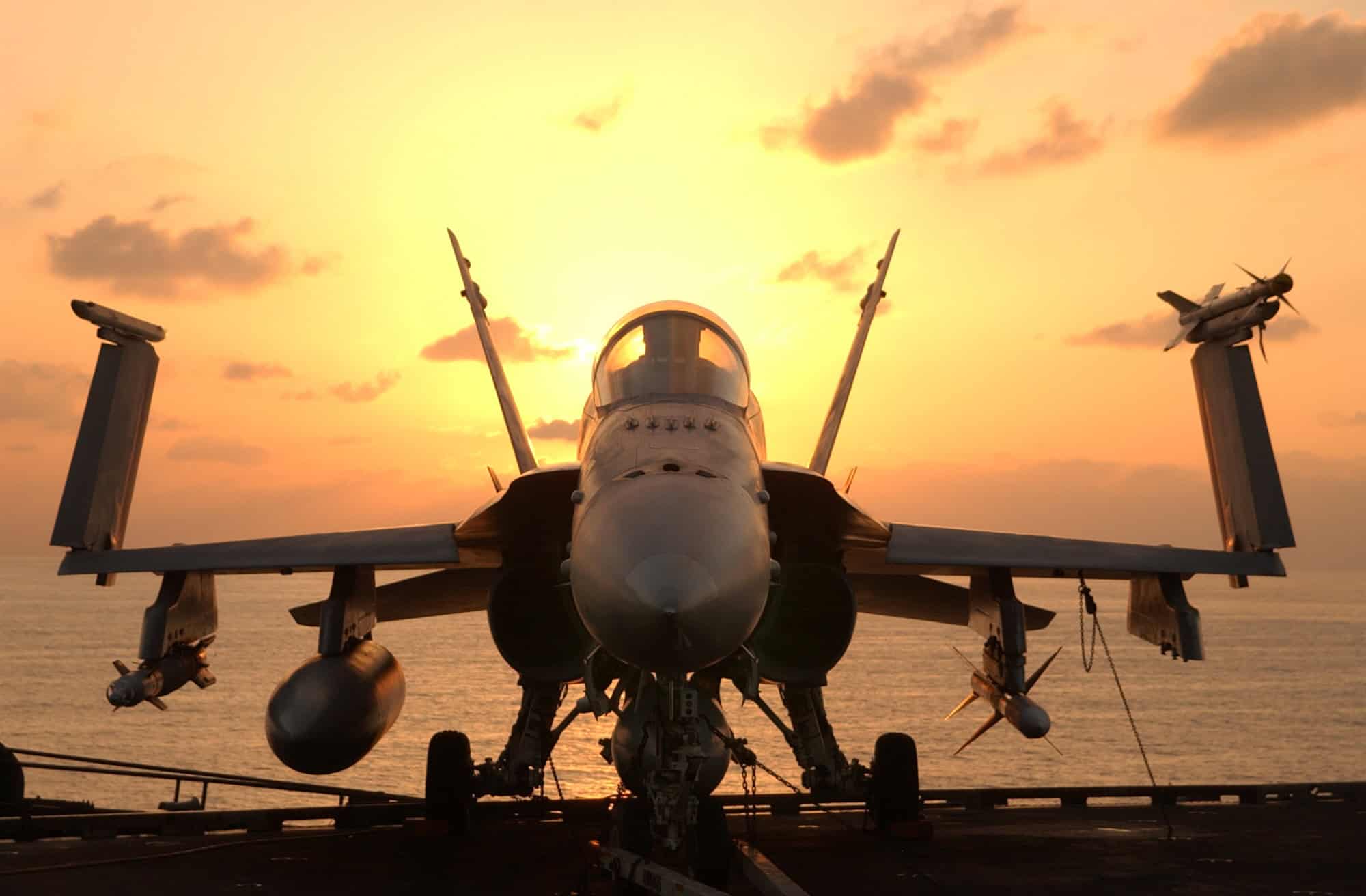
- Commissioned in: 1995
- Aircraft carrier class: Nimitz
- Home base: Naval Station Norfolk, Norfolk, Virginia
4. CVN-75 USS Harry S. Truman
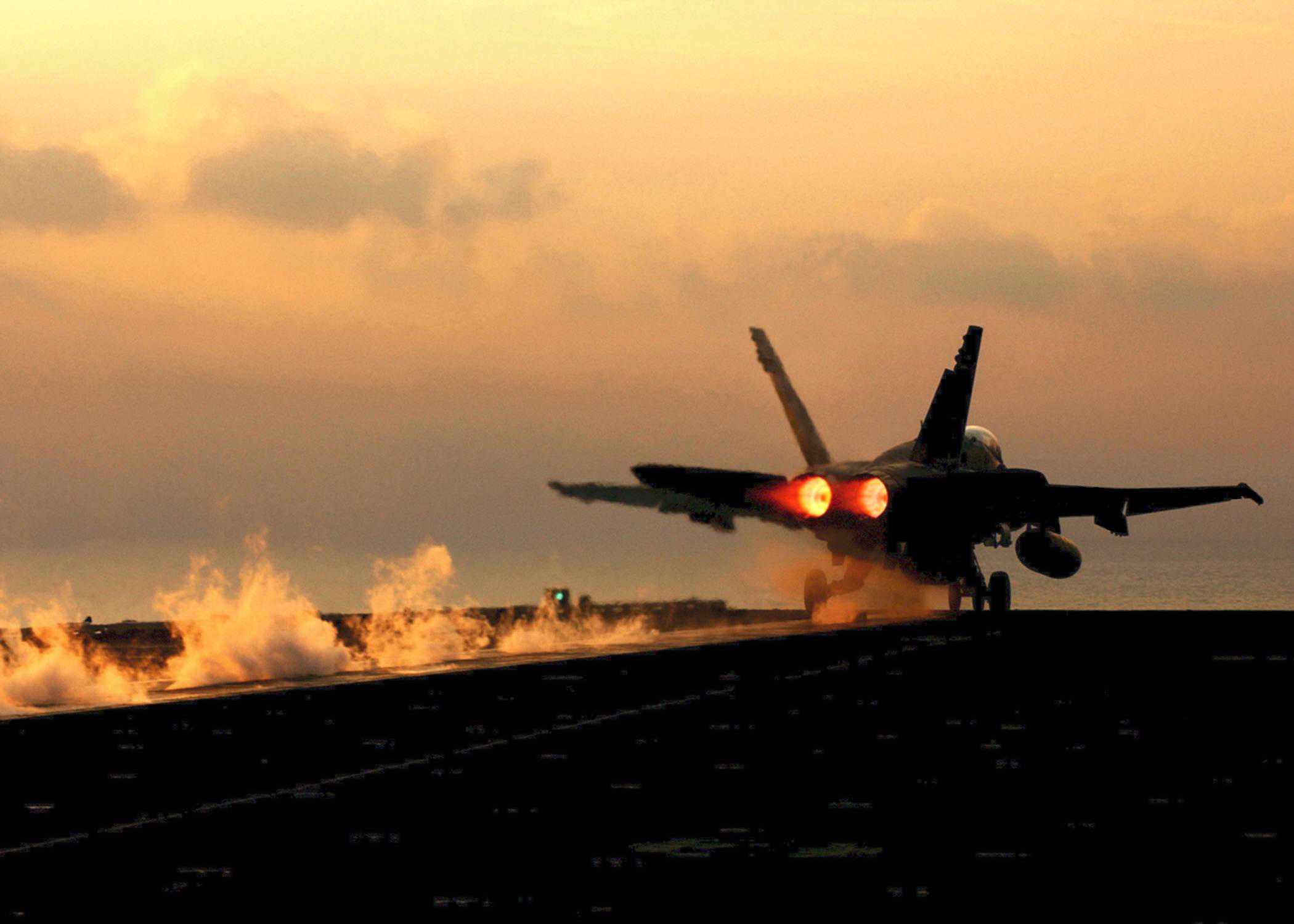
- Commissioned in: 1998
- Aircraft carrier class: Nimitz
- Home base: Naval Station Norfolk, Norfolk, Virginia
3. CVN-76 USS Ronald Reagan
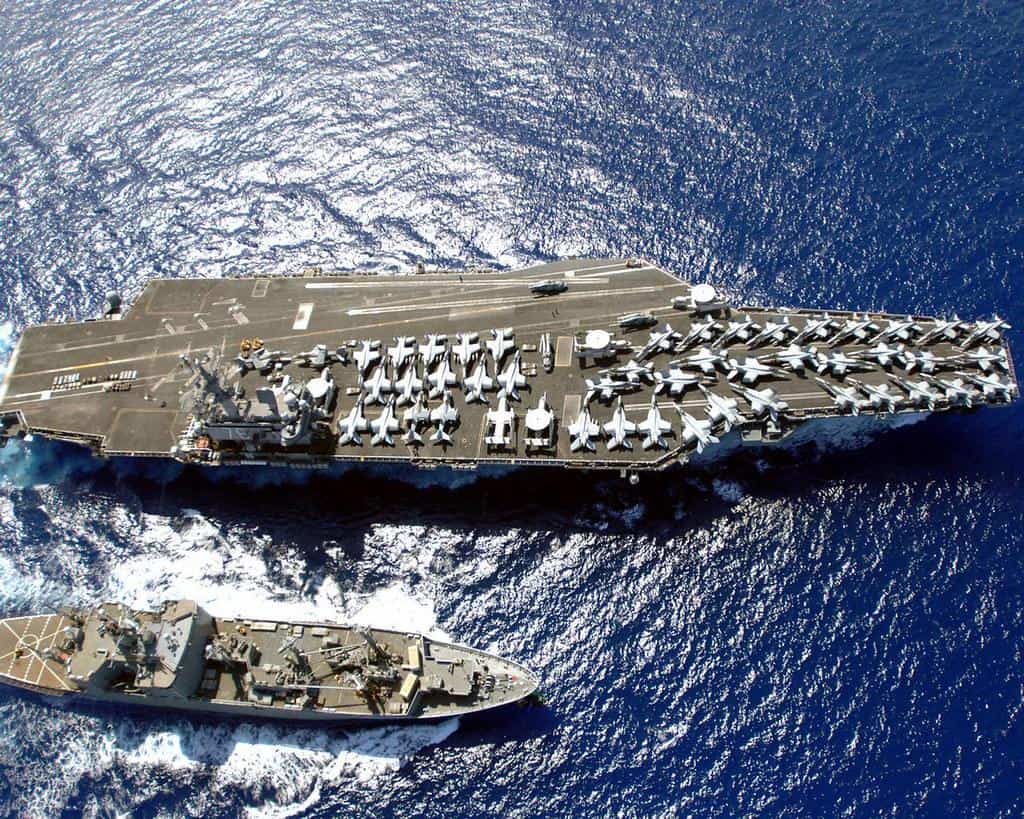
- Commissioned in: 2003
- Aircraft carrier class: Nimitz
- Home base: Naval Base Kitsap, Bremerton, Washington
2. CVN-77 USS George H.W. Bush
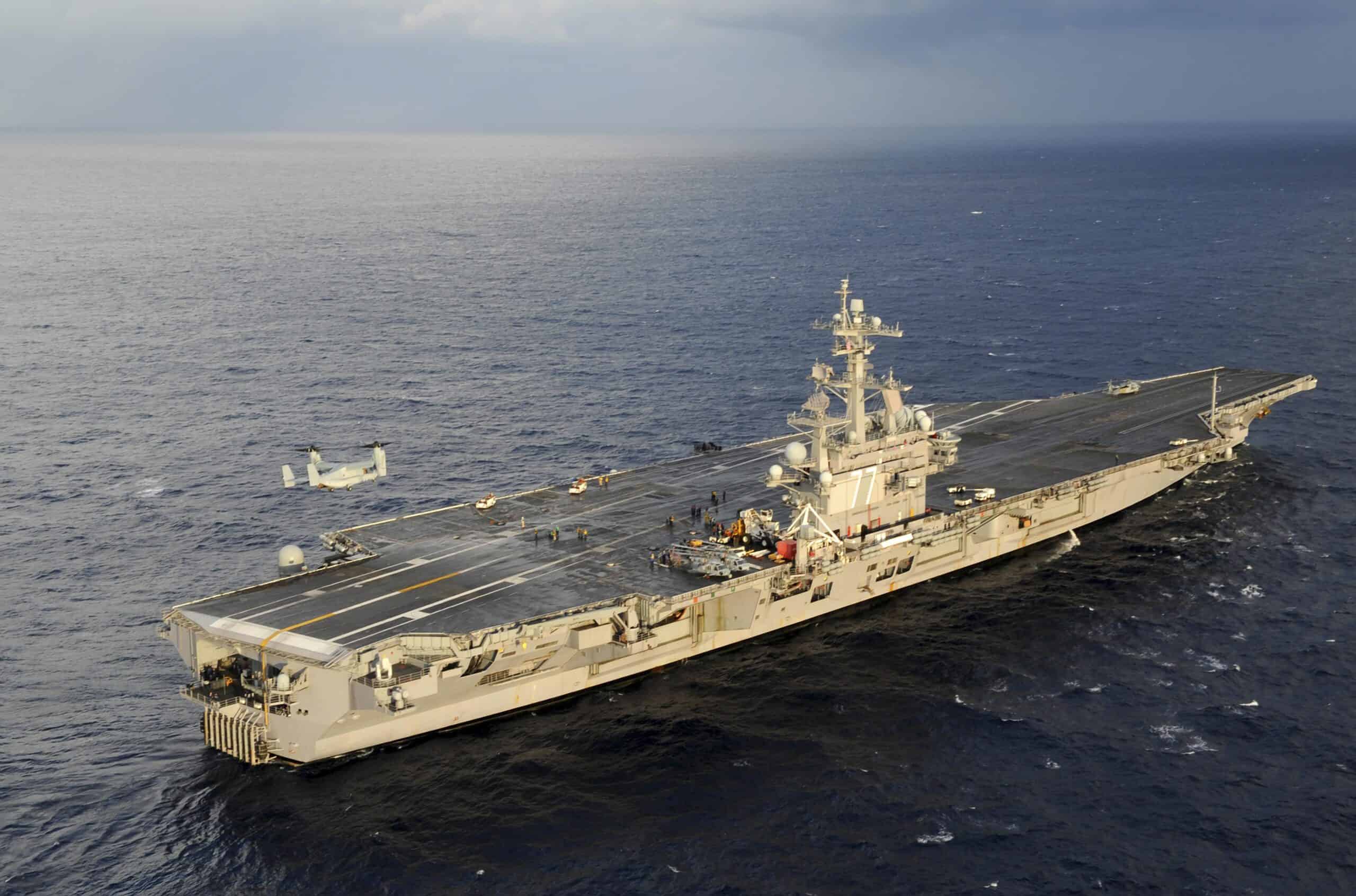
- Commissioned in: 2009
- Aircraft carrier class: Nimitz
- Home base: Naval Station Norfolk, Norfolk, Virginia
1. CVN-78 USS Gerald R. Ford
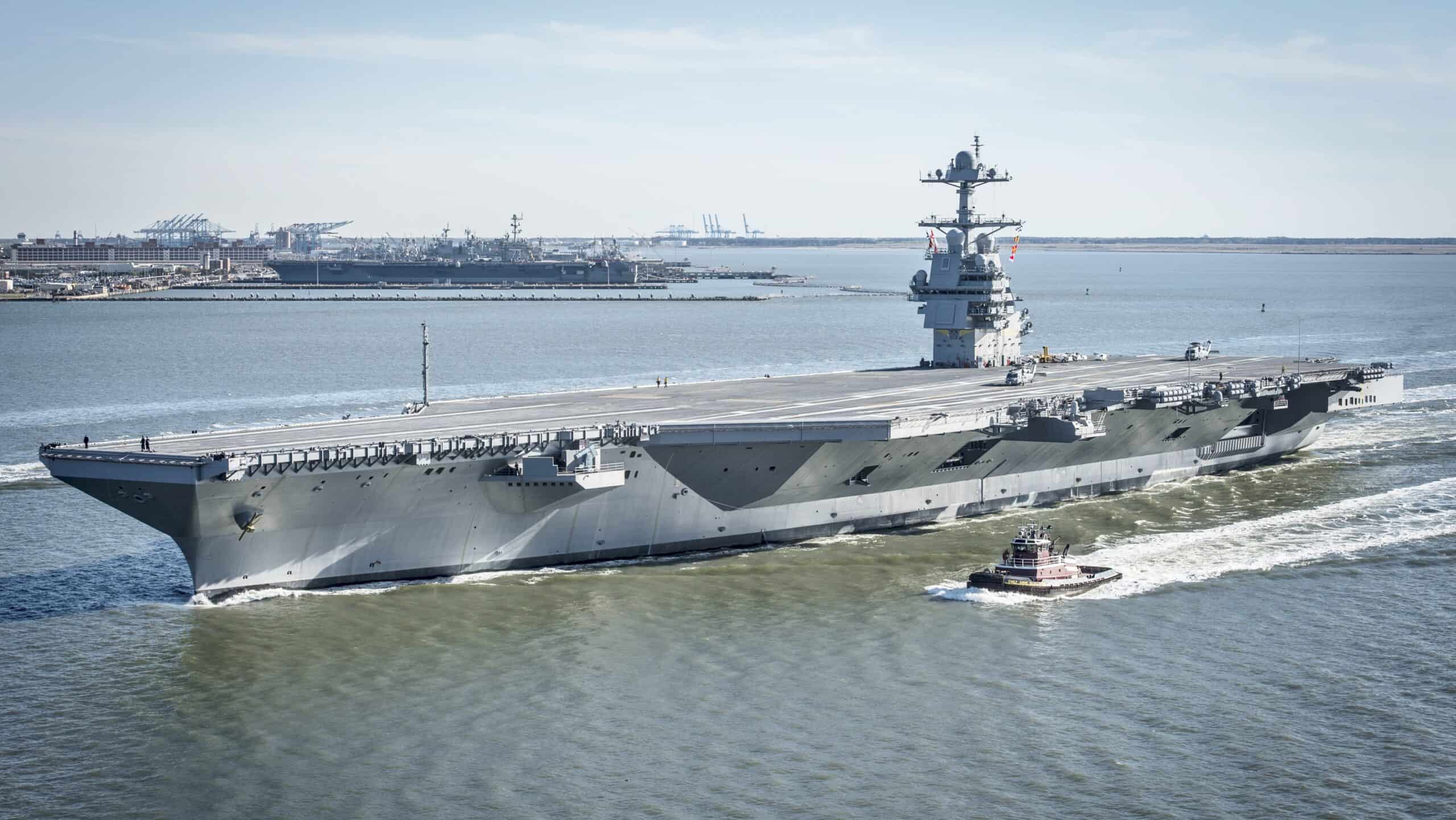
- Commissioned in: 2017
- Aircraft carrier class: Gerald R. Ford (lead ship)
- Home base: Naval Station Norfolk, Norfolk, Virginia
Contact [email protected] for any questions or corrections.
Sam Stebbins is a writer at 247WallSt.com where his primary focus is on government policy, politics, companies, and broad social and economic trends. Sam has been writing in the money and news verticals for over 8 years and holds a bachelor's degree from Hobart College, which he earned in 2010. Sam resides in upstate New York and enjoys hiking, biking, canoeing, and skiing in the Adirondack Mountains and across the Northeast.