The Deadliest Weapons of the Vietnam War
Vietnam was a war where technology clashed with terrain, and the weapons carried into the jungle typically determined the outcome of an entire fight. American units relied on rifles, helicopters, tanks, and bombers that pushed the limits of what modern…


Vietnam was a war where technology clashed with terrain, and the weapons carried into the jungle typically determined the outcome of an entire fight. American units relied on rifles, helicopters, tanks, and bombers that pushed the limits of what modern warfare could do, while North Vietnamese forces countered with rugged, reliable arms of their own. Here, 24/7 Wall St. is taking a closer look at the deadliest weapons that were used throughout the Vietnam War.
To determine the deadliest weapons of the Vietnam War, 24/7 Wall St. reviewed various historical and military sources. We ordered these weapons chronologically and pulled from different categories of weapons ranging from small arms to aircraft. We included supplemental information regarding each weapon like when it was introduced, manufacturer, country of origin and more.
Here is a look at the deadliest weapons of the Vietnam War:
Why Are We Covering This?
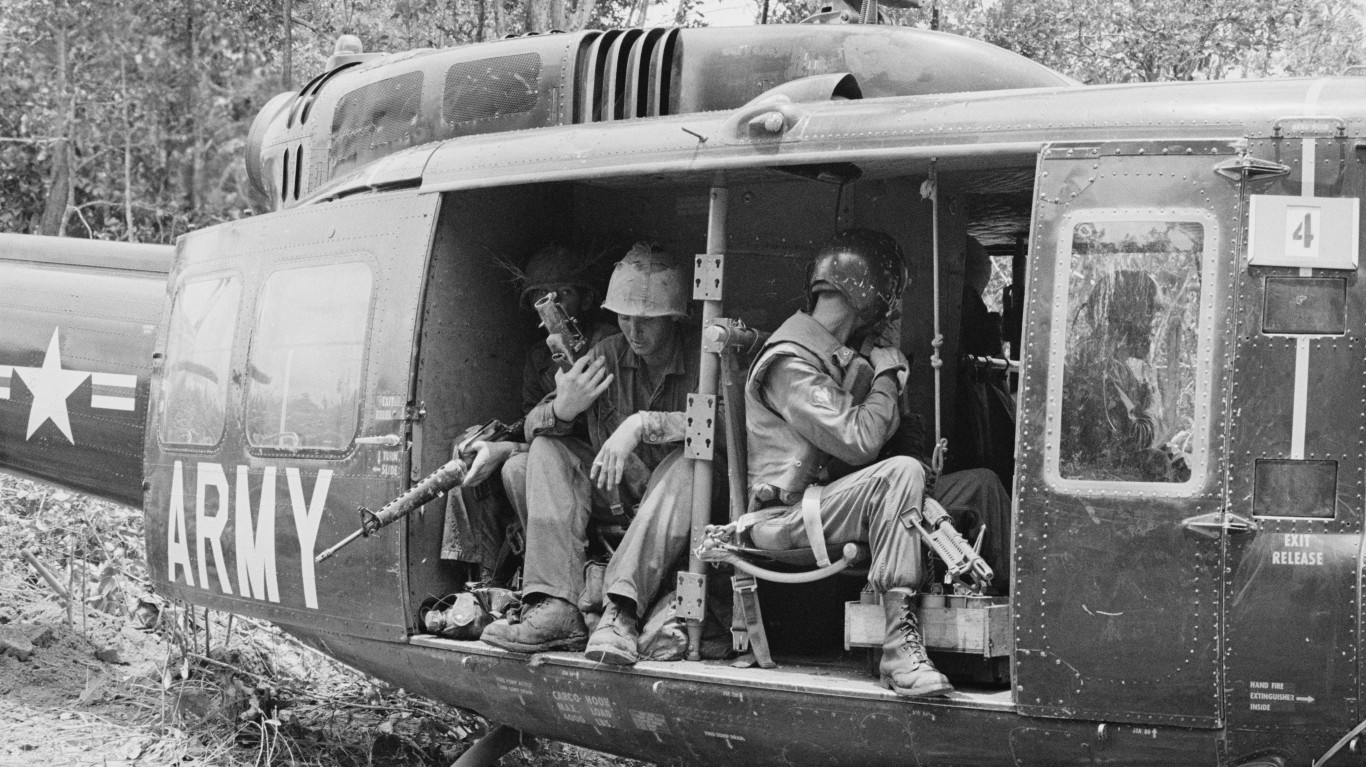
The Vietnam War was one of the most intense periods of technological and tactical change in modern military history. The weapons used during the conflict didn’t just shape battlefield outcomes, they reshaped how the U.S. and its adversaries fought for decades afterward. Understanding these systems helps explain why certain rifles, vehicles, aircraft, and munitions became iconic, why others faded out, and how many of them still influence design and doctrine today. Looking back at the deadliest weapons of Vietnam is a way to understand how modern combat evolved and why many of today’s tactics, strategies, and technologies trace their lineage directly to this brutal and transformative war.
A War Built on Firepower and Technology
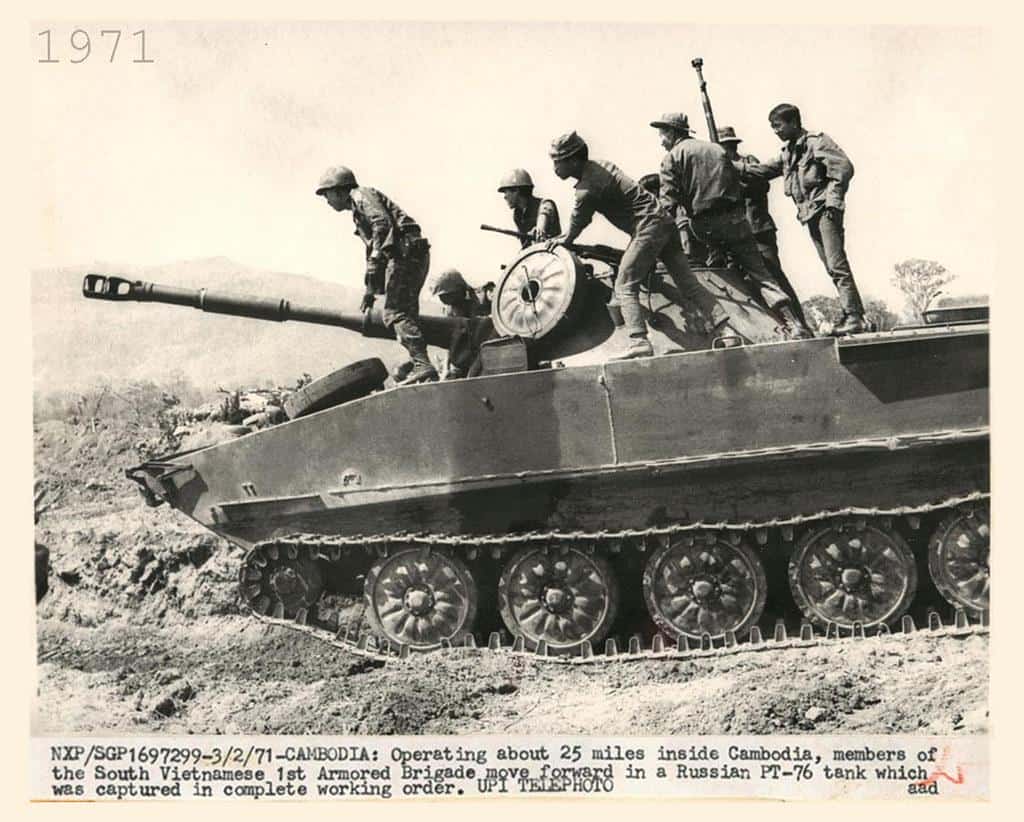
The Vietnam War was fought with everything from bolt-action rifles and claymore mines to gunships, napalm, and strategic bombers. It was a conflict where technology and firepower tried to overcome terrain, politics, and an enemy that refused to fight on U.S. terms. To understand Vietnam, you have to understand its weapons.
Why These Weapons Still Matter
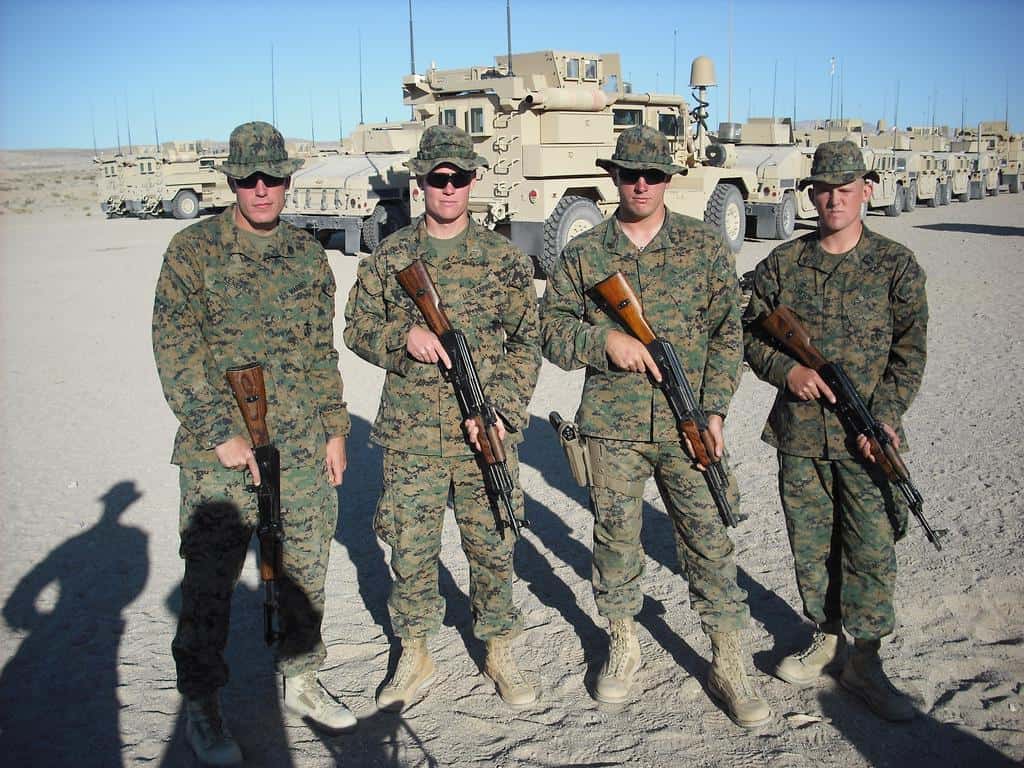
Many of the systems born or refined in Vietnam—assault rifles, gunships, precision air support, armored carriers—became the blueprint for modern warfare. The war was a brutal test lab where ideas that worked spread across NATO, and failures reshaped doctrine. Looking at these weapons shows how Vietnam still echoes through today’s battlefields.
From Rifles to Bombers: A Layered Kill Chain
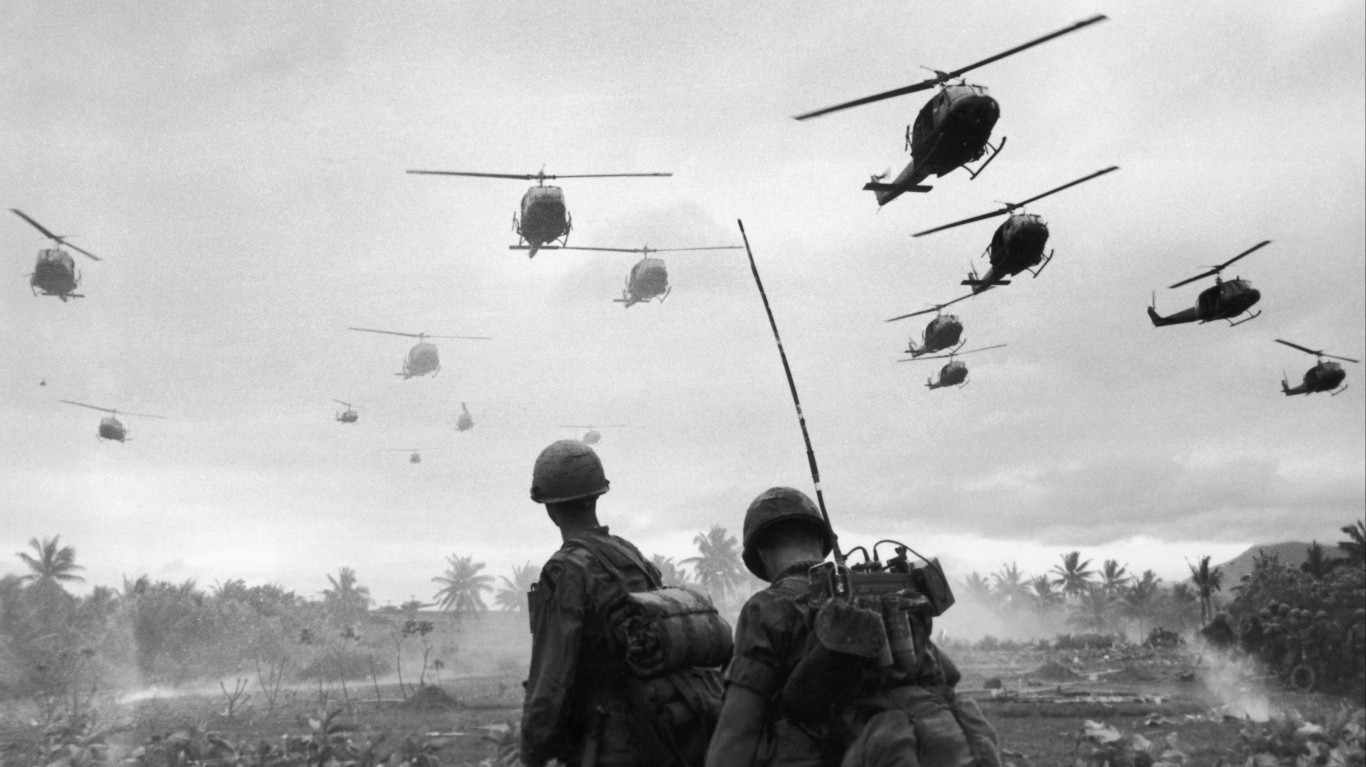
Firepower in Vietnam was layered. M16s and M60s dominated the squad fight. M113s, tanks, and recoilless rifles backed them up on the ground. Overhead, Hueys, Cobras, Skyraiders, and B-52s turned air power into a constant threat. Together, they formed a kill chain that could reach from a jungle trail all the way to the upper atmosphere.
The Battlefield: Jungle, City, and Sky

These weapons were not used on tidy tank battlefields. They were fired in triple-canopy jungle, rice paddies, mountains, and dense cities like Hue and Saigon. Helicopters became flying artillery. Claymores guarded perimeters in the dark. Jets and gunships tried to shut down the Ho Chi Minh Trail. Each weapon reflects the terrain it was built to dominate.
What These Weapons Reveal About Modern War

Studying the deadliest weapons of Vietnam is really about seeing where modern warfare came from. The emphasis on air mobility, close air support, armored firepower, and high-volume small arms all started here. The same ideas—precision from above, mobility on the ground, and overwhelming firepower—still shape how armies fight, and how they try to avoid another Vietnam.
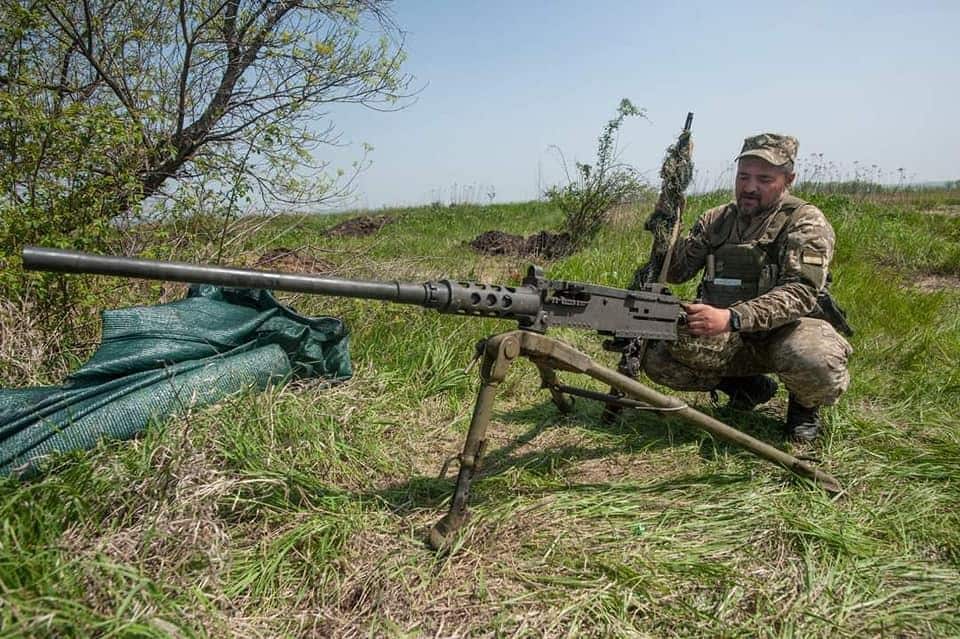
M2 Browning Heavy Machine Gun
- Country of origin: United States
- Manufacturer: Browning / various U.S. contractors
- Year introduced: 1933
- Type: Heavy machine gun
The air‑cooled .50 BMG M2 Browning was mounted on trucks, boats, bases, and helicopters. With a practical range of over 1,800 yards and a cyclic rate around 450–600 rounds per minute, it shredded vehicles, dug‑in positions, and even low‑flying aircraft, remaining a battlefield staple.
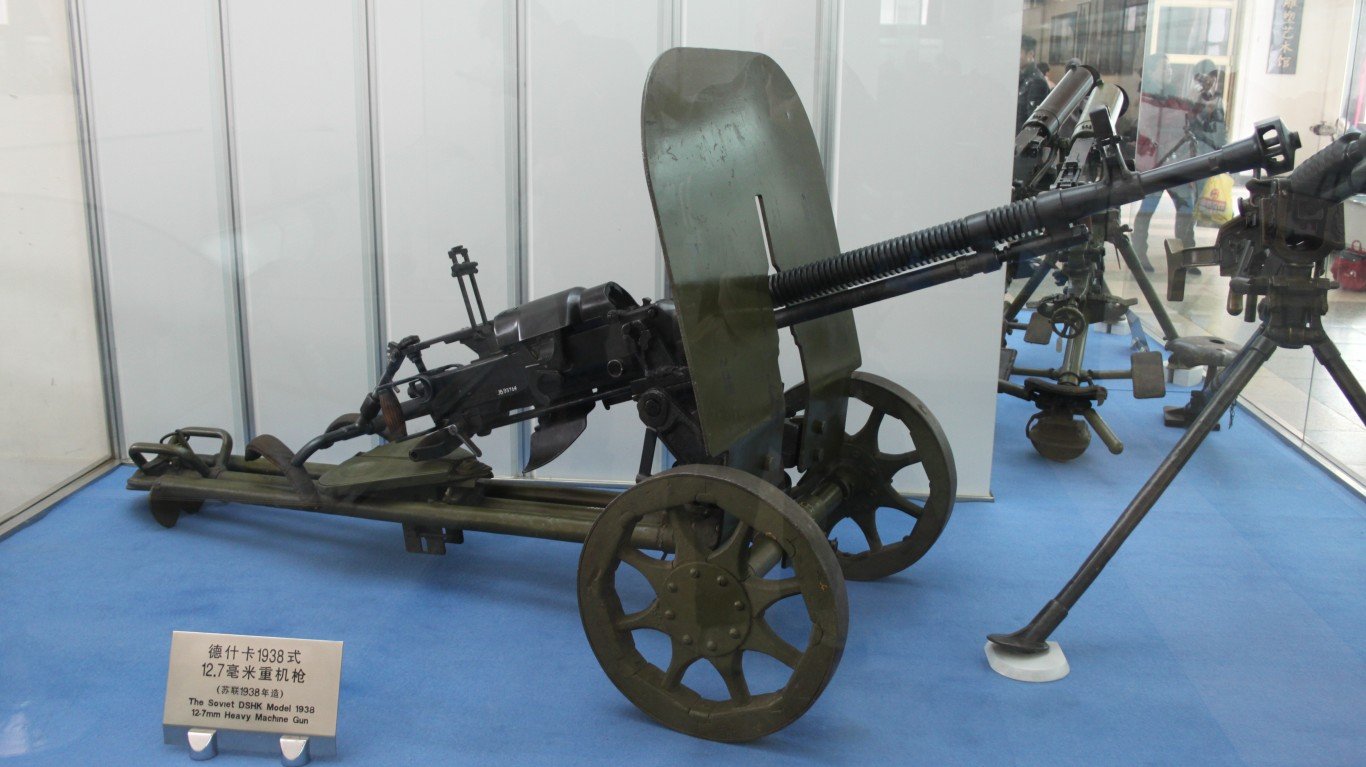
DShK 12.7mm Heavy Machine Gun
- Country of origin: Soviet Union
- Manufacturer: Degtyarev Plant
- Year introduced: 1938
- Type: Heavy machine gun
The DShK fired 12.7x108mm rounds from belt feed, with an effective range over 1,500 yards. Mounted on tripods and trucks, it threatened helicopters, low‑flying aircraft, and vehicles, forming part of the North Vietnamese layered air defense around key routes and base areas.
RPD Light Machine Gun

- Country of origin: Soviet Union
- Manufacturer: Degtyarev Plant and others
- Year introduced: 1944
- Type: Light machine gun
The RPD was a belt‑fed 7.62x39mm light machine gun with a 100‑round drum, firing around 650 rounds per minute. It gave NVA and VC squads sustained automatic fire at ranges beyond most assault rifles, anchoring their infantry tactics in firefights and ambushes.
A-1 Skyraider

- Country of origin: United States
- Manufacturer: Douglas Aircraft Company
- Year introduced: 1946
- Type: Propeller-driven attack aircraft
The A‑1 Skyraider was a rugged, slow‑flying attack aircraft that could loiter for hours and haul heavy bomb and rocket loads. Its four 20mm cannons and sheer ordnance capacity made it ideal for close air support, rescue escort, and hammering entrenched positions in bad weather or low ceilings.
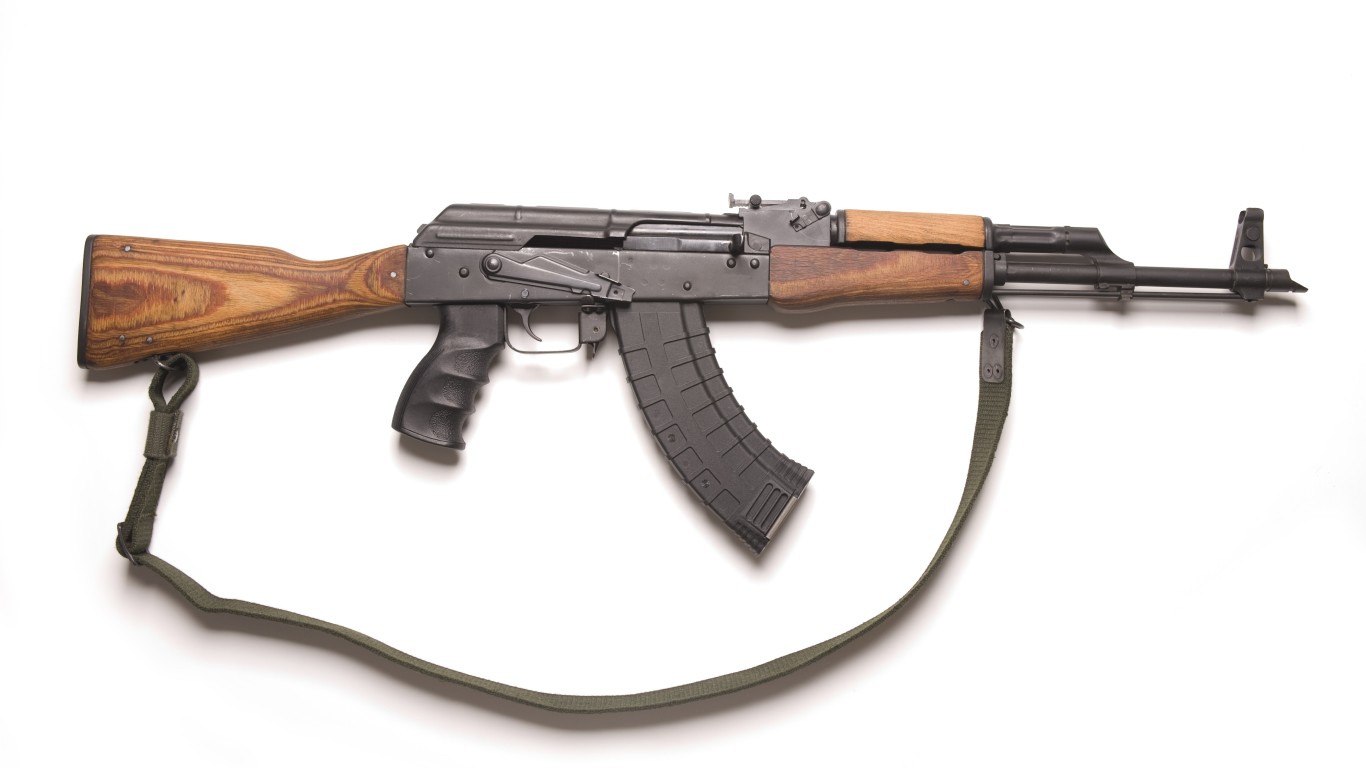
AK-47 / Type 56
- Country of origin: Soviet Union / China
- Manufacturer: Izhmash / Chinese state factories
- Year introduced: 1949
- Type: Assault rifle
The AK‑47 and Chinese Type 56 fired 7.62x39mm from 30‑round magazines, with simple gas‑piston actions and legendary reliability. Issued widely to NVA and Viet Cong forces, they delivered hard‑hitting automatic fire in jungle fighting, often outgunning older French and ARVN weapons.
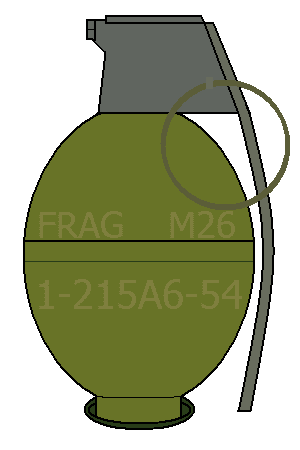
M26/M33 Fragmentation Grenade
- Country of origin: United States
- Manufacturer: Various U.S. contractors
- Year introduced: 1950
- Type: Hand-thrown fragmentation grenade
Standard U.S. frag grenades like the M26 and later M33 had a lethal radius of roughly 5 meters, with danger well beyond that. Used to clear bunkers, trench lines, tunnels, and jungle positions, they were a primary close‑range killer in countless engagements across Vietnam.
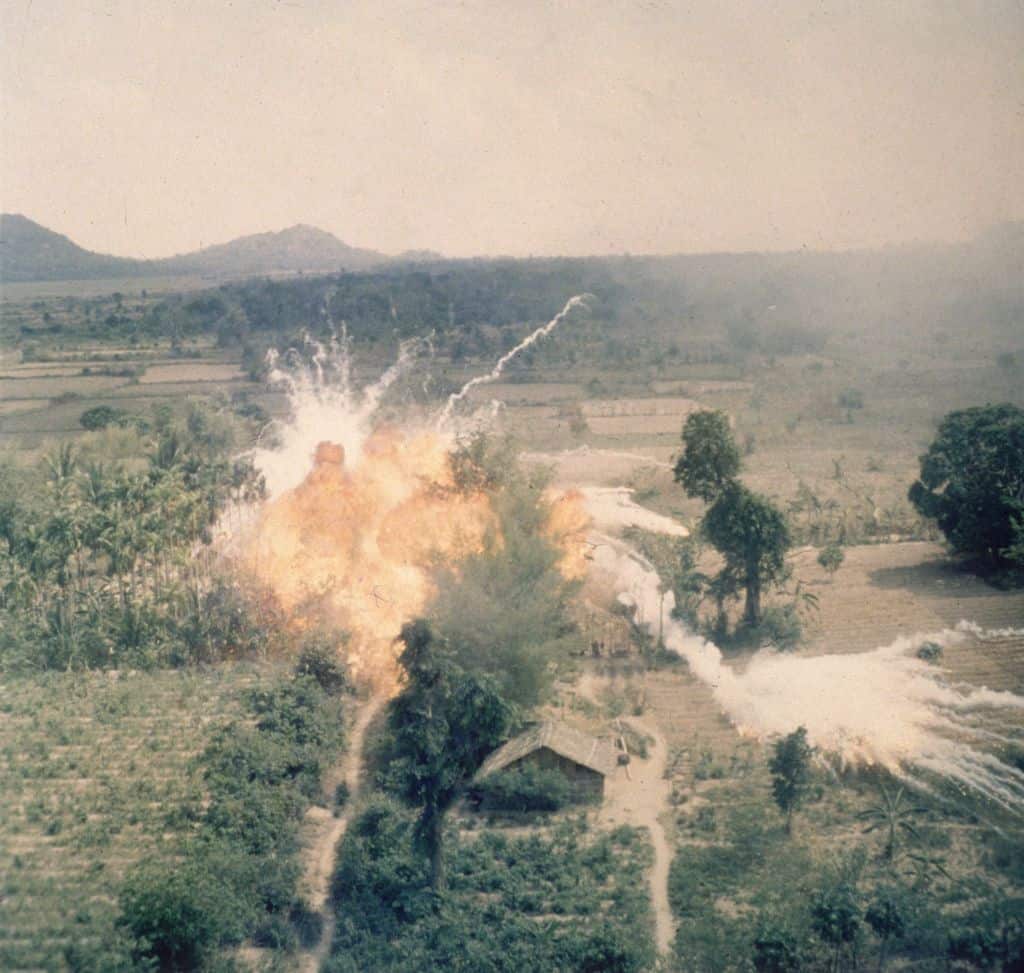
Mk 77 Napalm Bomb
- Country of origin: United States
- Manufacturer: Various U.S. contractors
- Year introduced: 1950
- Type: Incendiary air-delivered bomb
Mk 77 firebombs used thickened fuel to create intense, lingering fire on impact. Dropped from jets and prop aircraft, napalm clung to targets, incinerating foliage, bunkers, and troops. Its psychological impact was nearly as great as its physical destruction along jungle battlefronts.
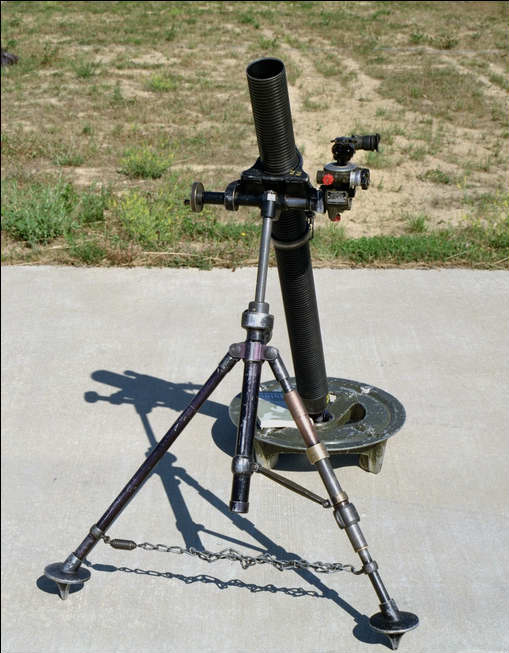
M29 81mm Mortar
- Country of origin: United States
- Manufacturer: Various U.S. contractors
- Year introduced: 1952
- Type: Infantry mortar
The M29 81mm mortar could lob high‑explosive, smoke, and illumination rounds out to about 3,000 yards. Lightweight enough for infantry units to man‑pack in sections, it provided rapid indirect fire against enemy positions hidden by jungle canopy, ridgelines, or nightfall.
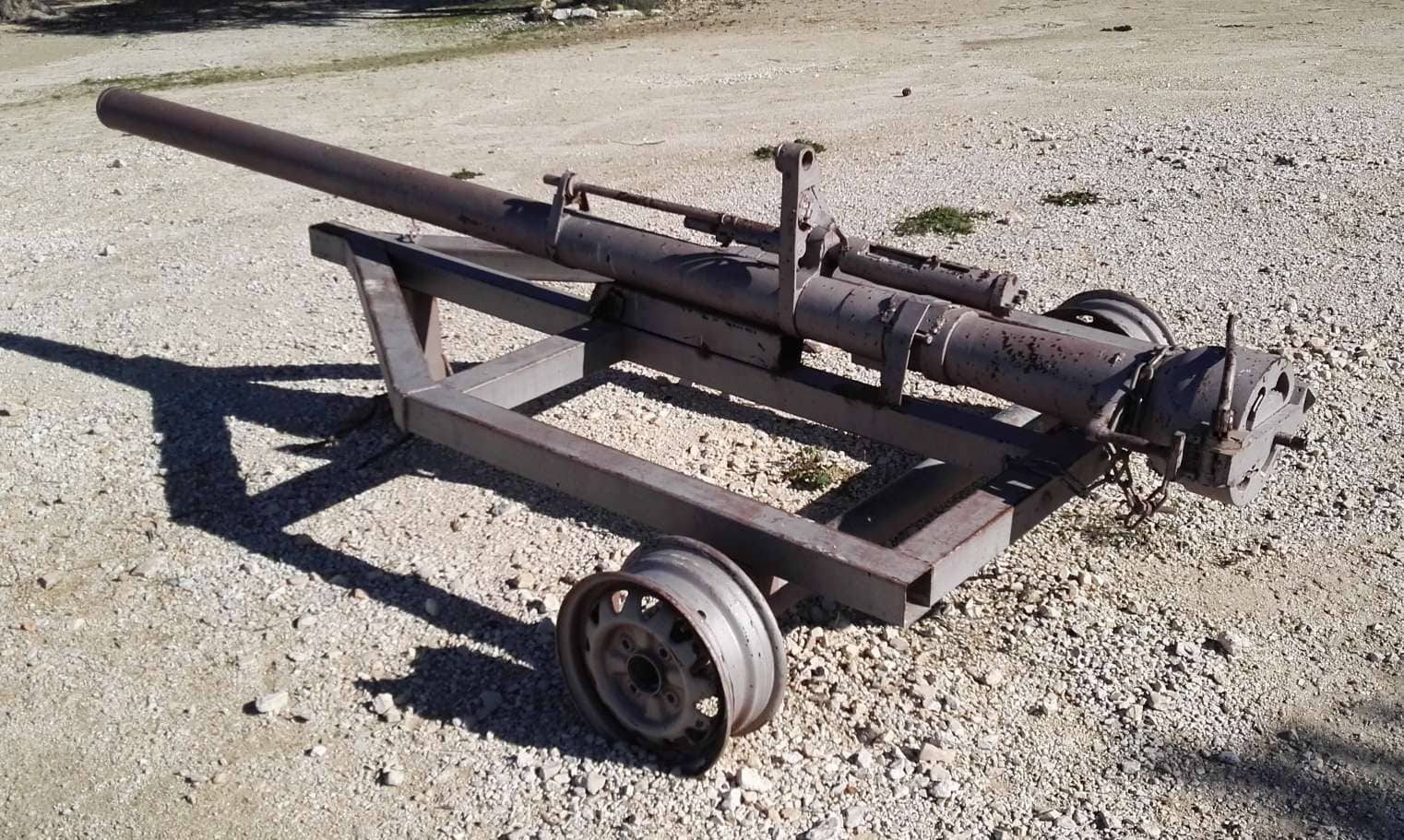
M40 106mm Recoilless Rifle
- Country of origin: United States
- Manufacturer: Rock Island Arsenal
- Year introduced: 1955
- Type: Recoilless anti-tank gun
The M40 fired 106mm HEAT and HE rounds from tripods or jeeps, using a spotting rifle for aiming. With effective fire out to about 1,000 yards, it could tear through bunkers, buildings, and armored vehicles, serving as a powerful direct‑fire support weapon in tough terrain.
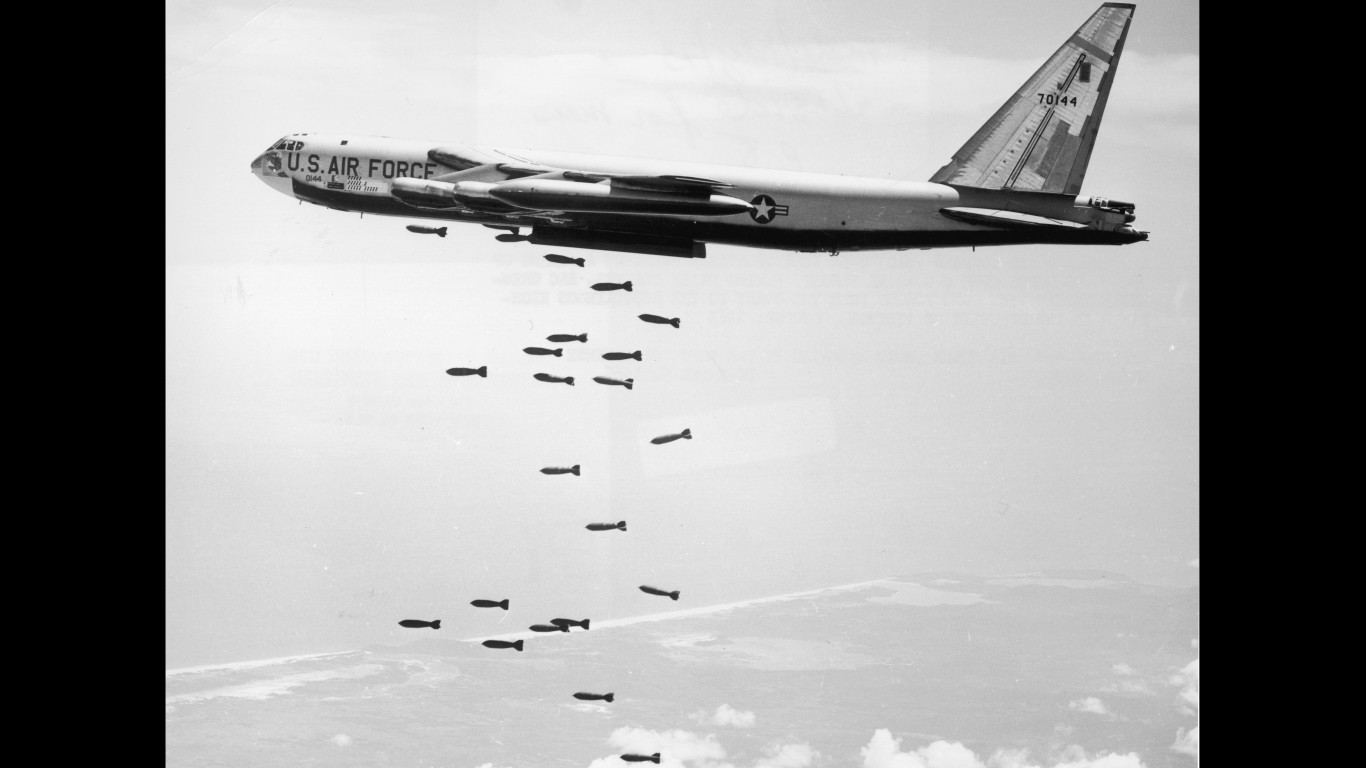
B-52D Stratofortress
- Country of origin: United States
- Manufacturer: Boeing
- Year introduced: 1956
- Type: Strategic bomber
Modified B‑52D bombers flew ‘Arc Light’ missions, dropping up to 60,000 pounds of bombs from high altitude. Their carpet‑bombing strikes could erase jungle, trench lines, and base areas in minutes, making them one of the most destructive weapons used in the entire conflict.
M60 General Purpose Machine Gun

- Country of origin: United States
- Manufacturer: Saco Defense / U.S. Ordnance
- Year introduced: 1957
- Type: General purpose machine gun
The M60 fired 7.62x51mm NATO from belt feed at 500–650 rounds per minute, giving U.S. squads devastating suppressive fire out to 1,100 yards. Mounted on tripods, vehicles, and helicopters, it became one of the signature sounds of the war and a cornerstone of American infantry firepower.
SA-2 Guideline (S-75 Dvina)

- Country of origin: Soviet Union
- Manufacturer: Various Soviet design bureaus
- Year introduced: 1957
- Type: High-altitude surface-to-air missile
The SA‑2 was a radar‑guided SAM used by North Vietnam to challenge U.S. air superiority. With engagement envelopes out past 20 miles and high altitude, its batteries forced American jets into low‑level routes, where flak and small arms made every mission far more dangerous.
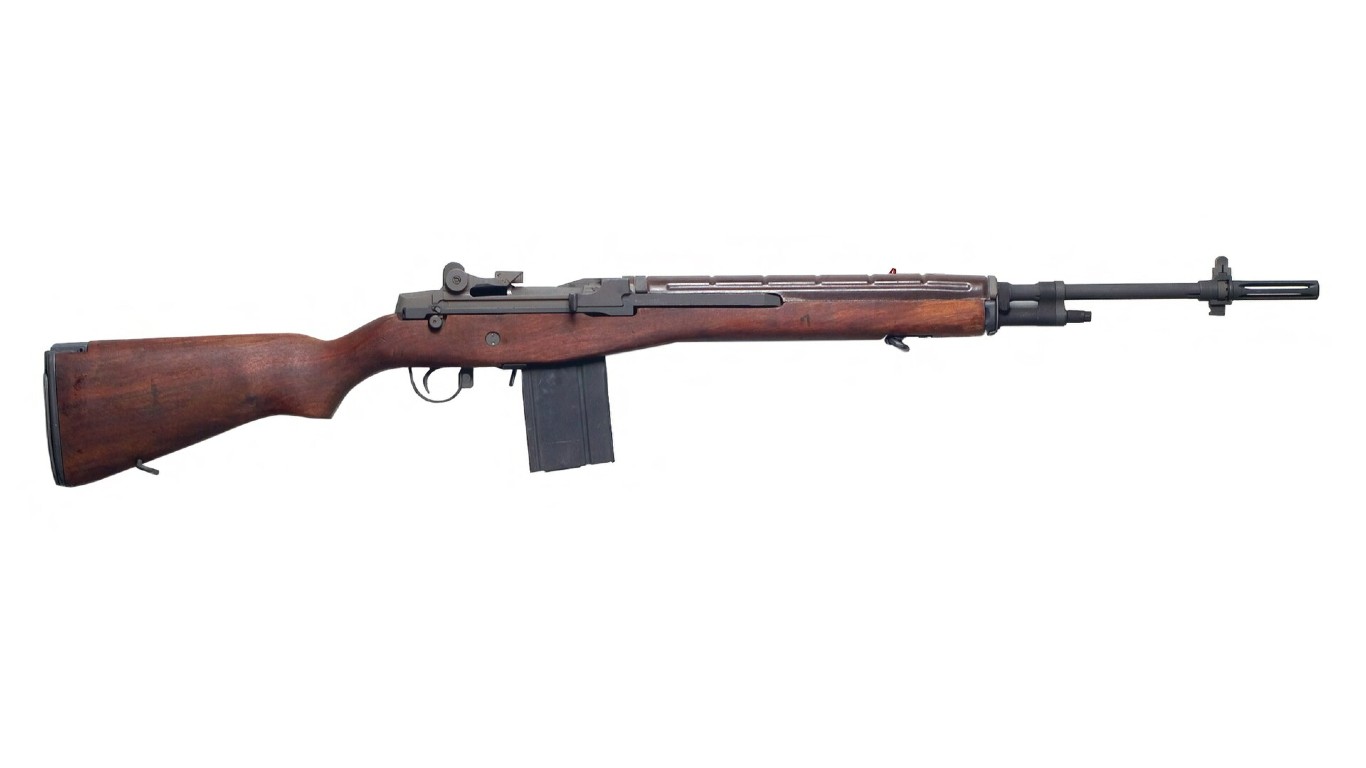
M14 Rifle
- Country of origin: United States
- Manufacturer: Springfield Armory and others
- Year introduced: 1959
- Type: Battle rifle
The M14 fired the powerful 7.62x51mm NATO round from a 20‑round magazine, combining semi‑auto fire with battle‑rifle range out to 800 yards. Used early in the war and later as a designated marksman platform, its hard‑hitting ballistics were ideal for long jungle shots and open terrain.
M48A3 Patton Tank

- Country of origin: United States
- Manufacturer: Chrysler / Ford / others
- Year introduced: 1959
- Type: Main battle tank
The diesel‑powered M48A3 mounted a 90mm M41 gun, coaxial machine guns, and a .50‑caliber cupola weapon. With a top speed around 30 mph, it provided armored punch for Army and Marine units, smashing bunkers, supporting infantry, and pushing through roadblocks in heavy fighting zones.
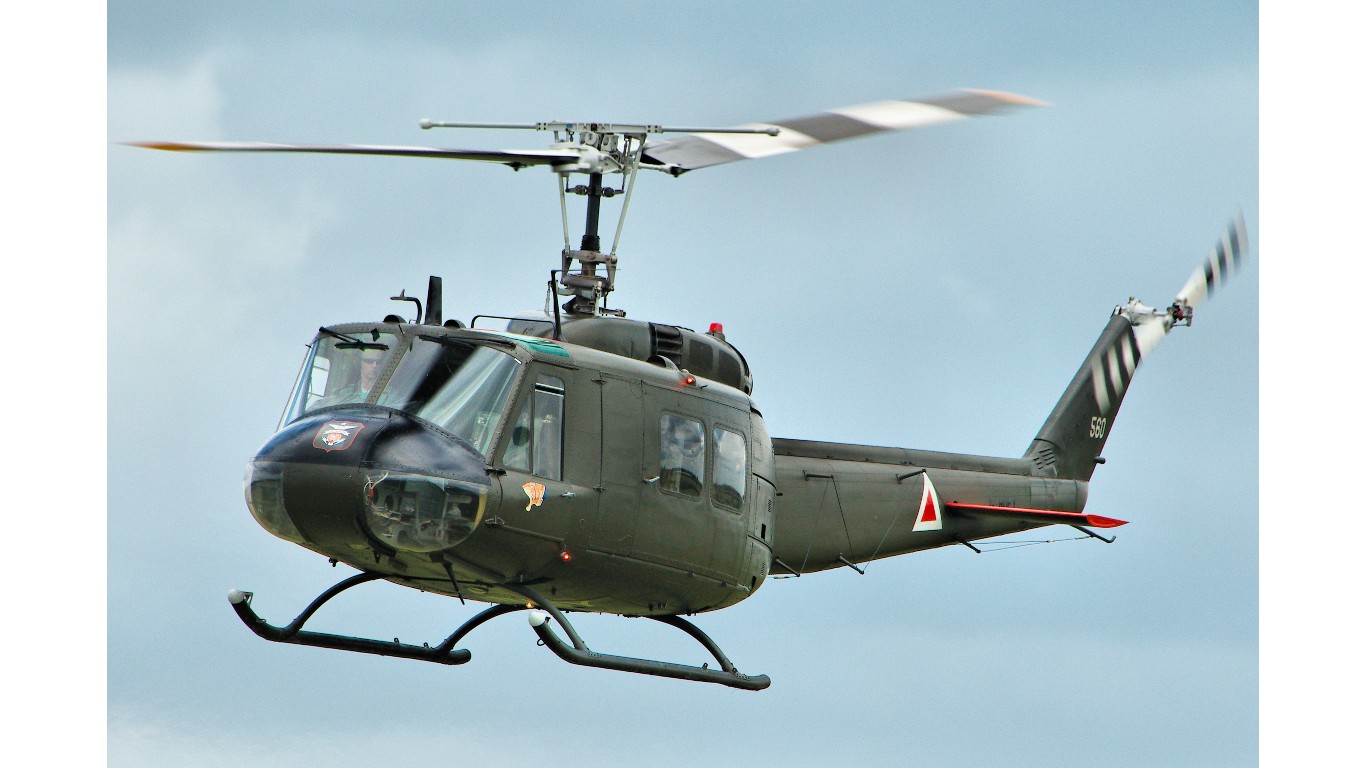
UH-1 Iroquois (Huey) Gunship
- Country of origin: United States
- Manufacturer: Bell Helicopter
- Year introduced: 1959
- Type: Utility/attack helicopter
The UH‑1 became the iconic helicopter of Vietnam. As a gunship, it carried door guns, rocket pods, and grenade launchers while cruising around 125 mph. Hueys delivered troops into hot landing zones and then circled overhead, saturating enemy positions with machine‑gun and rocket fire.
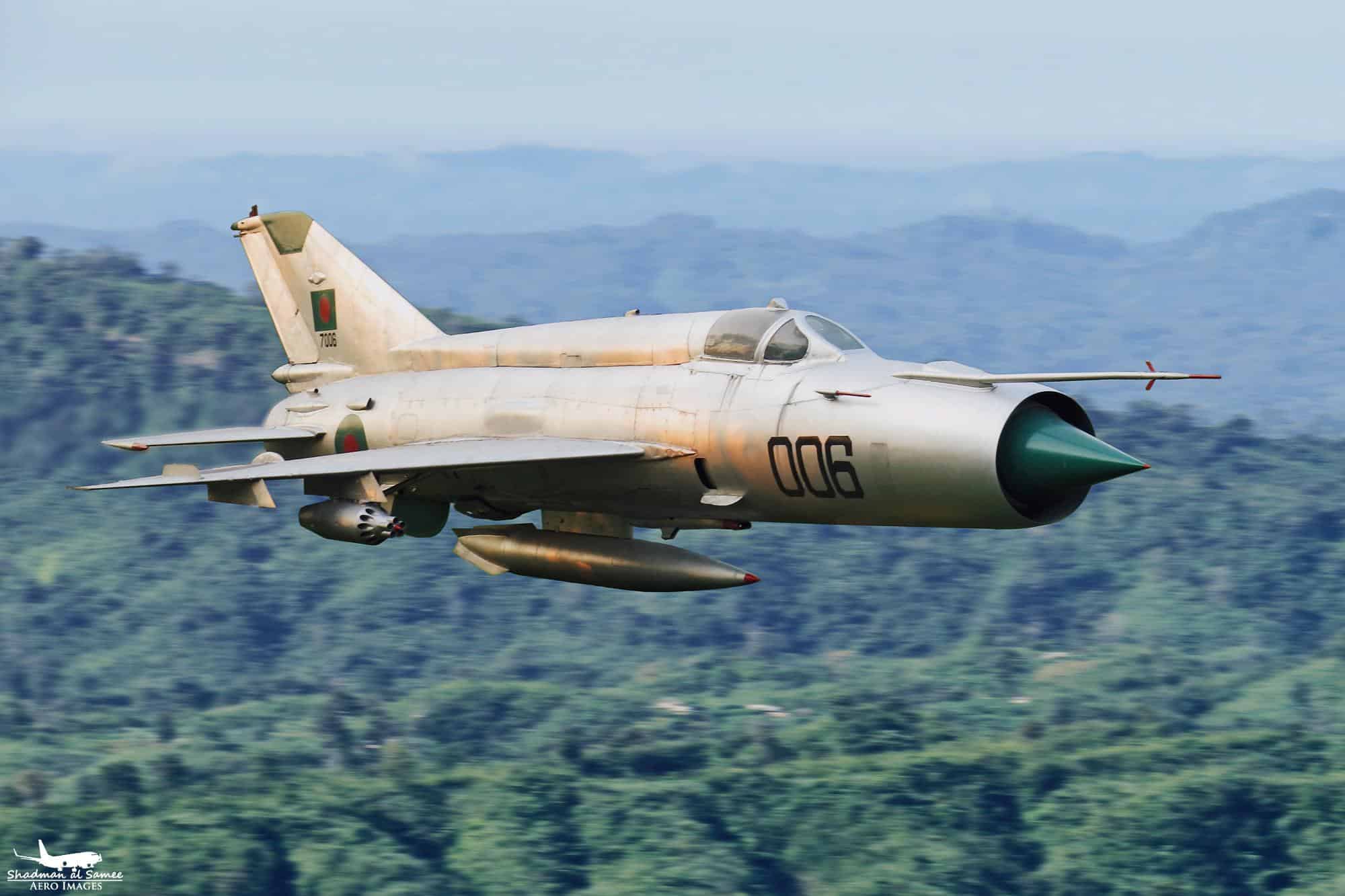
MiG-21 Fishbed
- Country of origin: Soviet Union
- Manufacturer: Mikoyan-Gurevich
- Year introduced: 1959
- Type: Supersonic interceptor fighter
The MiG‑21 was a supersonic fighter armed with cannons and air‑to‑air missiles. Fast and agile, it challenged U.S. F‑4s and other jets over North Vietnam, protecting key targets and convoys and forcing the U.S. to invest heavily in tactics, training, and electronic warfare to counter it.
M18 Claymore Mine
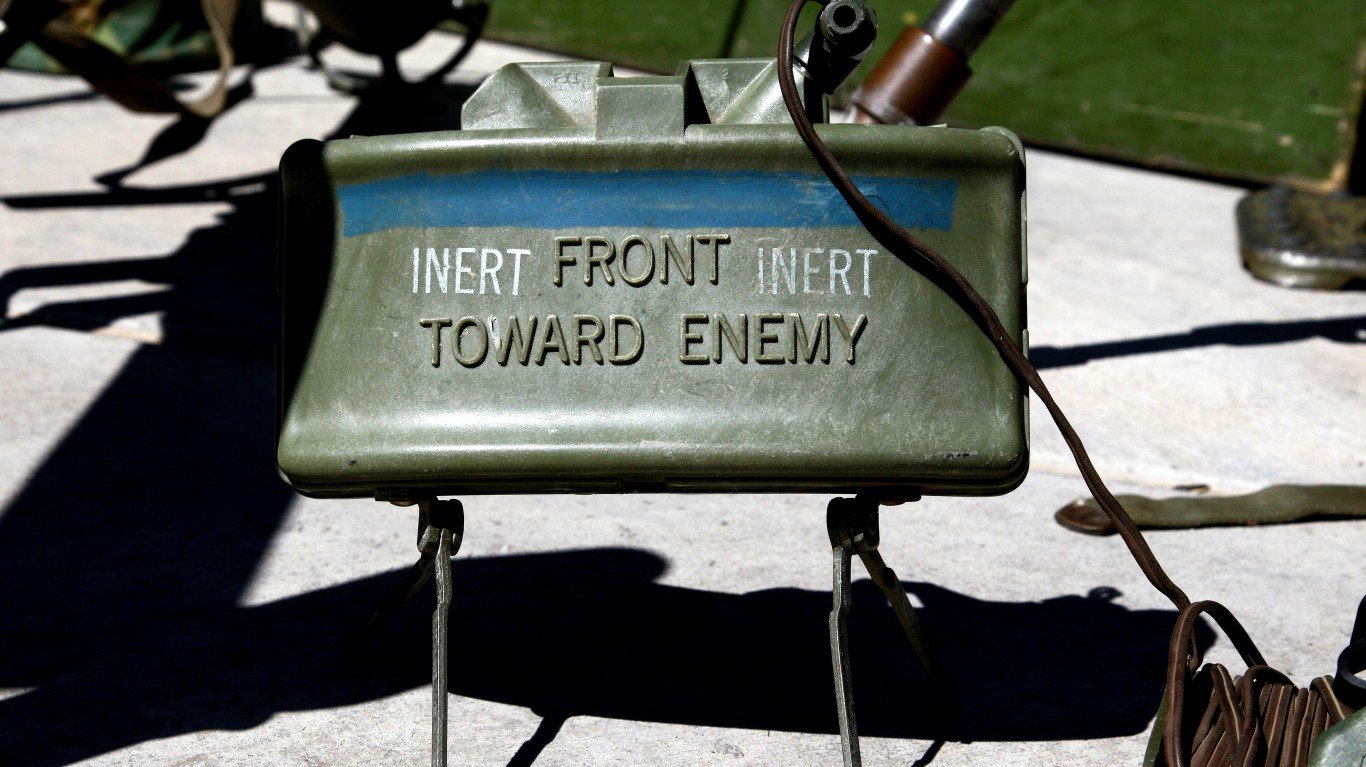
- Country of origin: United States
- Manufacturer: Various U.S. contractors
- Year introduced: 1960
- Type: Directional anti-personnel mine
The M18A1 Claymore used a curved charge packed with steel balls, projecting a deadly fan of fragments out to about 50 meters. Command‑detonated by wire, Claymores were used to protect perimeters, break ambushes, and canalize enemy movement along jungle trails and firebases.
M113 Armored Personnel Carrier
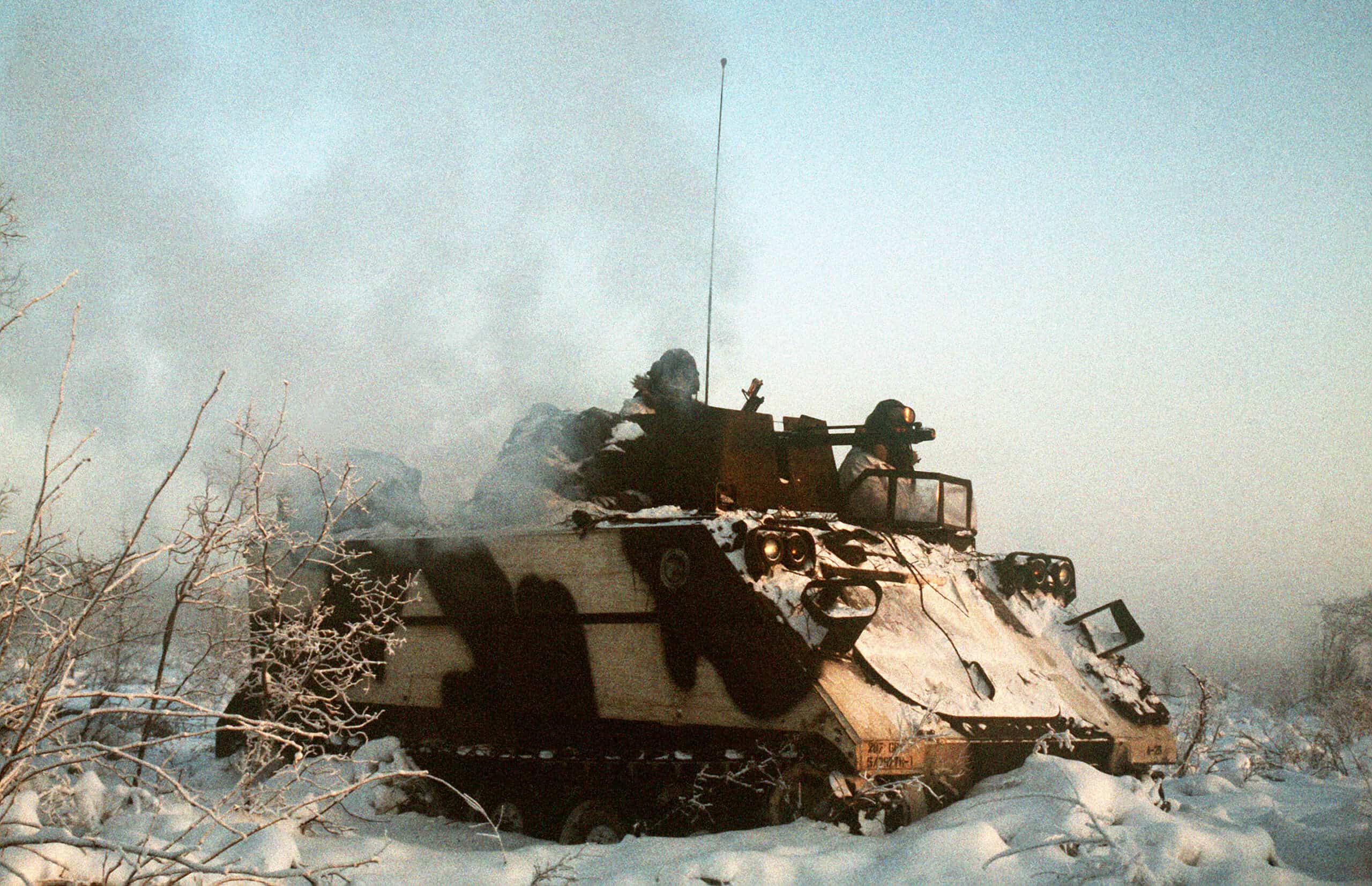
- Country of origin: United States
- Manufacturer: Food Machinery Corporation (FMC)
- Year introduced: 1960
- Type: Armored personnel carrier
The aluminum‑hulled M113 carried a squad and a roof‑mounted .50‑caliber machine gun. Amphibious and relatively light, it could traverse rice paddies and jungle tracks, providing mobile fire support and protected transport in convoy duty, search‑and‑destroy missions, and mechanized operations.
F-4 Phantom II
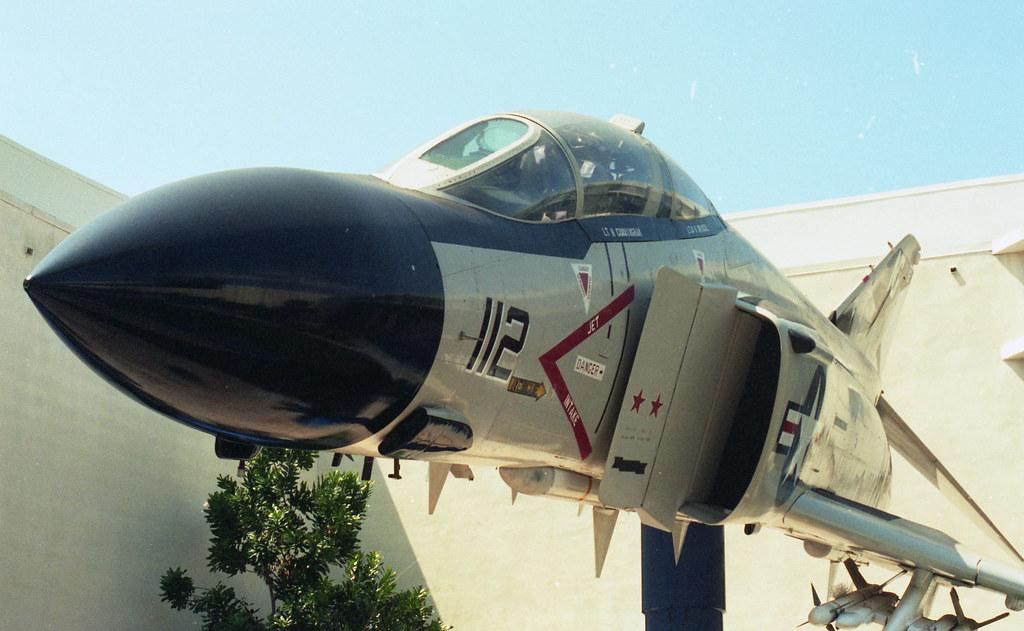
- Country of origin: United States
- Manufacturer: McDonnell Aircraft
- Year introduced: 1960
- Type: Multirole fighter-bomber
The twin‑engine F‑4 Phantom II could exceed Mach 2 and carried air‑to‑air missiles, bombs, and rockets. As a fighter‑bomber and interceptor, it escorted strike packages, dueled MiGs, and hammered ground targets, becoming the workhorse jet of U.S. air power over Vietnam.
Cluster Bomb Units (CBU series)

- Country of origin: United States
- Manufacturer: Various U.S. contractors
- Year introduced: 1960
- Type: Air-delivered cluster munition
CBU series cluster bombs released dozens or hundreds of submunitions over wide areas, shredding trucks, artillery sites, and troop concentrations. Used heavily along the Ho Chi Minh Trail and in large battles, they multiplied a single aircraft’s killing power across an entire grid square.
M79 Grenade Launcher
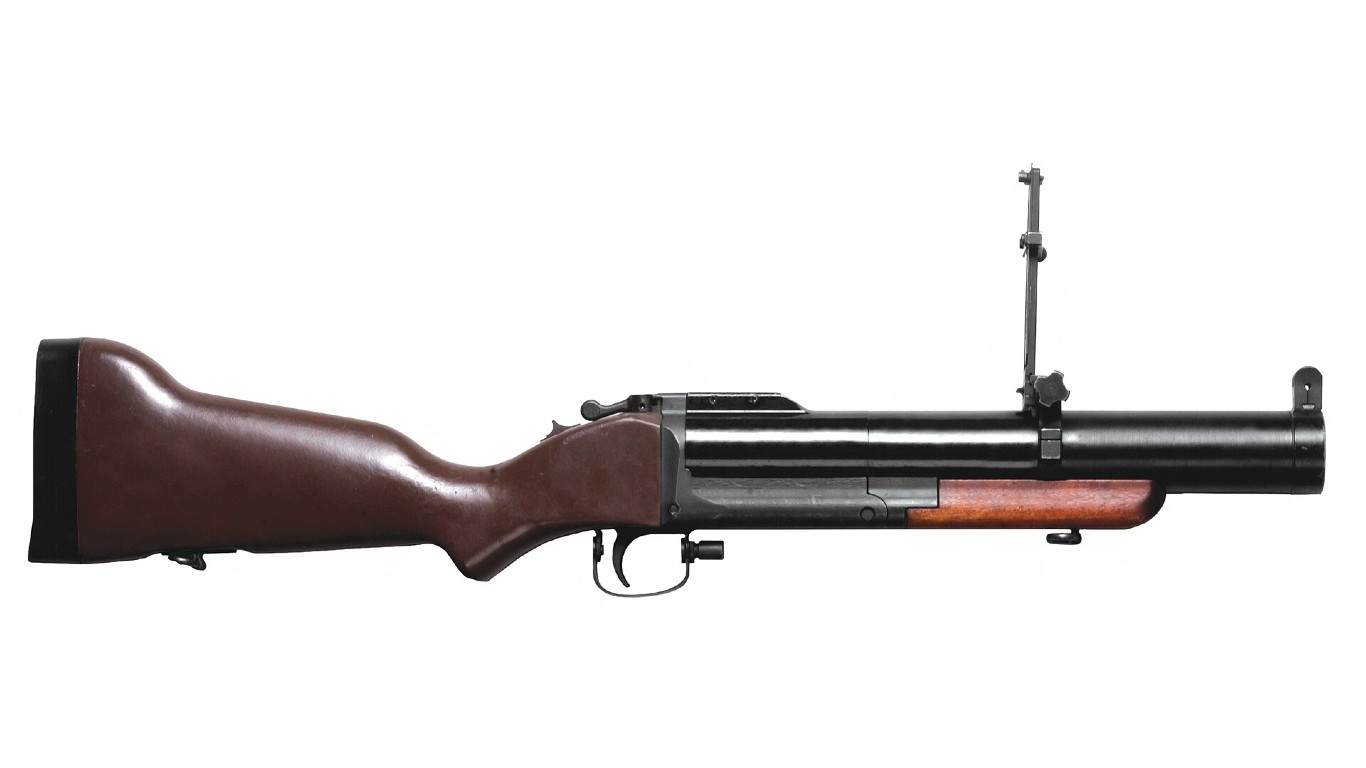
- Country of origin: United States
- Manufacturer: Springfield Armory
- Year introduced: 1961
- Type: Single-shot grenade launcher
Nicknamed the ‘blooper,’ the M79 fired 40x46mm low‑velocity grenades to about 350 yards. It let infantry lob explosive, smoke, or buckshot rounds over cover and into tree lines, filling the gap between hand grenades and mortars and making ambushes or defensive positions far more lethal.
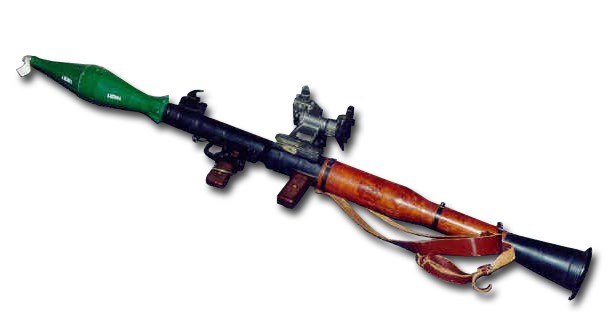
RPG-7
- Country of origin: Soviet Union
- Manufacturer: Bazalt and others
- Year introduced: 1961
- Type: Rocket-propelled grenade launcher
The RPG‑7 fired reusable 40mm rockets with HEAT or fragmentation warheads. Effective against vehicles, bunkers, and low‑flying helicopters out to about 200–300 yards, it became a trademark VC and NVA ambush weapon, often knocking out armored vehicles and inflicting severe casualties.
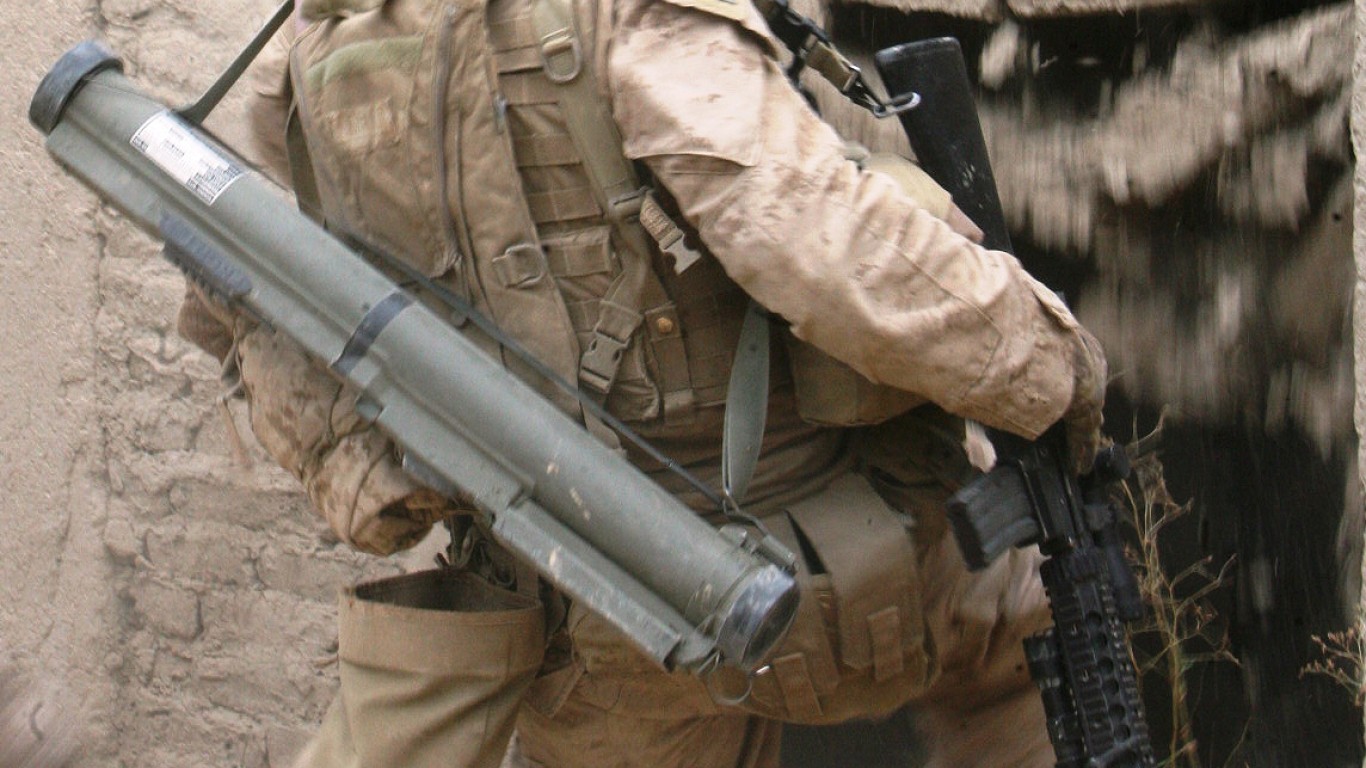
M72 LAW
- Country of origin: United States
- Manufacturer: Hughes Aircraft / others
- Year introduced: 1963
- Type: Disposable rocket launcher
The M72 Light Anti‑Tank Weapon was a single‑use 66mm rocket that infantry could carry slung like a tube. With an effective anti‑armor range of about 200 yards, it gave small units a portable answer to bunkers, light vehicles, and fortified positions without needing crew‑served guns.
AC-47 Spooky

- Country of origin: United States
- Manufacturer: Douglas Aircraft Company
- Year introduced: 1965
- Type: Gunship aircraft
The AC‑47 converted C‑47 transports into side‑firing gunships armed with three 7.62mm miniguns. Orbits over friendly positions created a curtain of tracers, with the ability to pour thousands of rounds per minute onto attacking forces, saving countless outposts and patrol bases from being overrun.
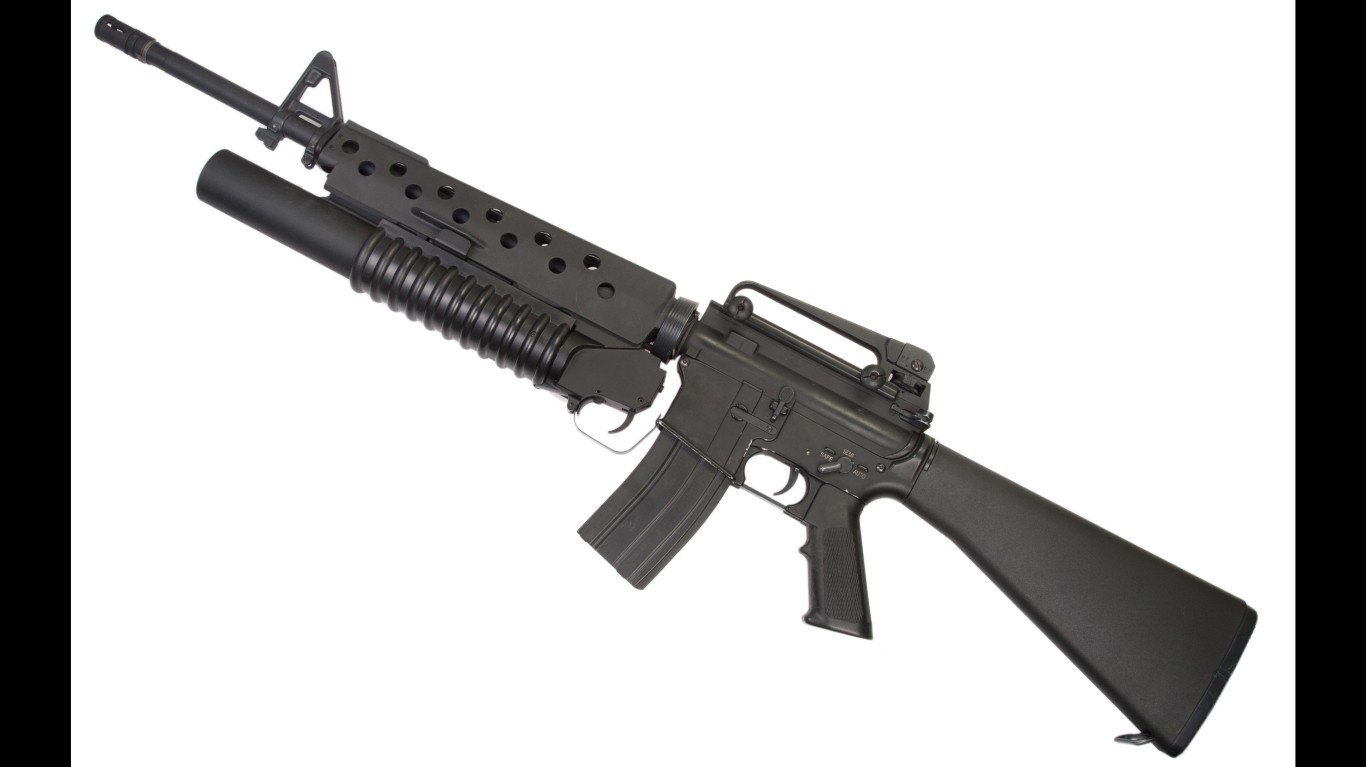
M16A1 Rifle
- Country of origin: United States
- Manufacturer: Colt / U.S. Government
- Year introduced: 1967
- Type: Assault rifle
The M16A1 became the standard U.S. infantry rifle in Vietnam, firing 5.56x45mm from a 20‑round magazine in semi‑ or full‑auto. With an effective range of roughly 500 yards and lightweight ammo, it let troops carry more firepower on long patrols, reshaping small‑unit tactics.
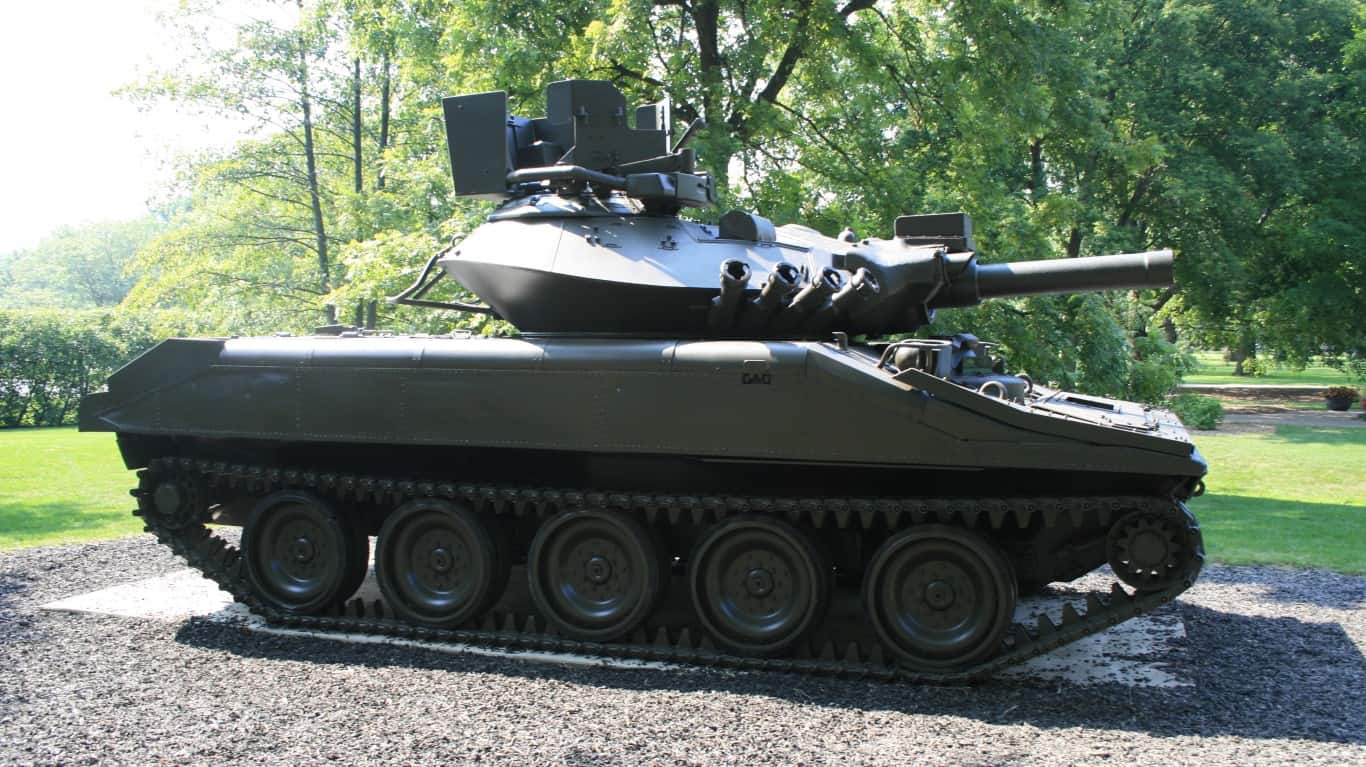
M551 Sheridan
- Country of origin: United States
- Manufacturer: General Motors
- Year introduced: 1967
- Type: Airborne light tank
The M551 Sheridan was a lightweight aluminum tank armed with a 152mm gun/launcher capable of firing HE rounds and Shillelagh missiles. With a top road speed over 40 mph, it gave armored reconnaissance units in Vietnam a highly mobile direct‑fire weapon against bunkers and strongpoints.
AH-1G Cobra
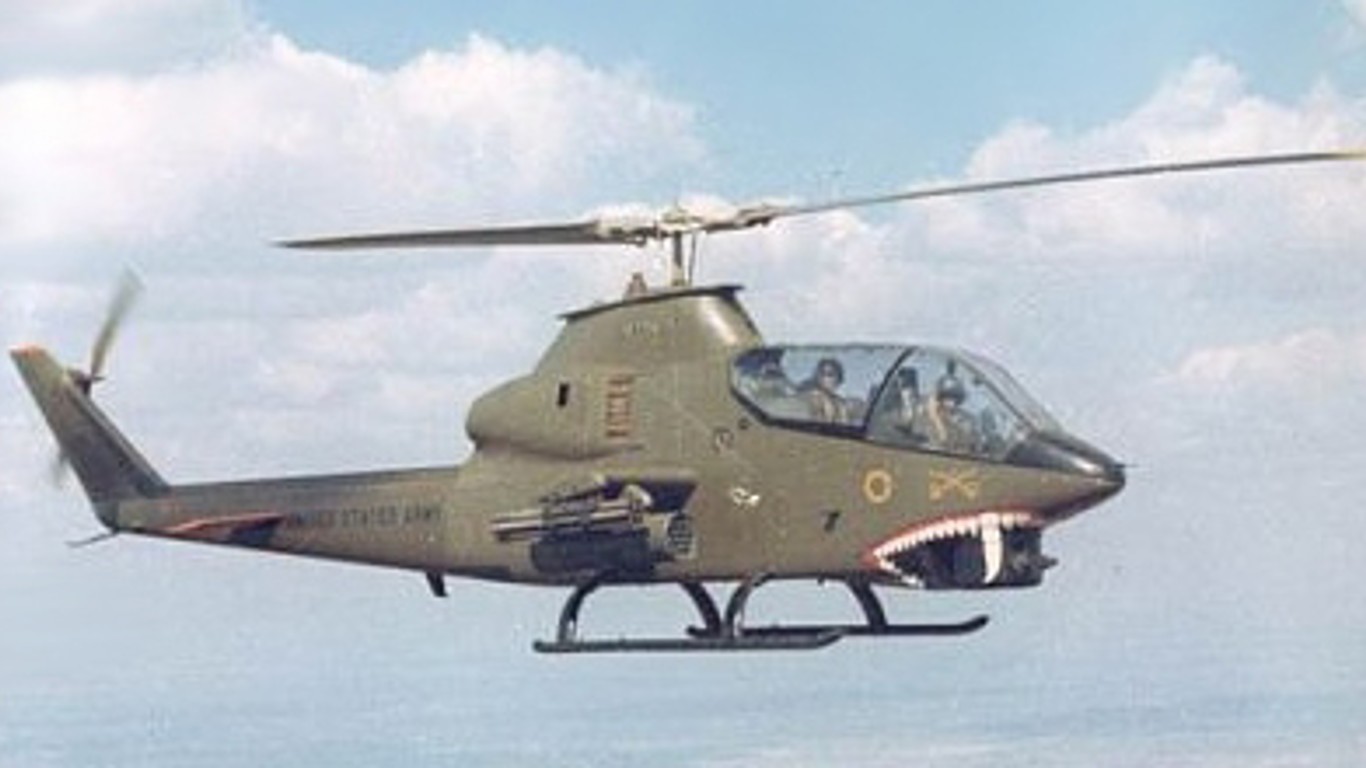
- Country of origin: United States
- Manufacturer: Bell Helicopter
- Year introduced: 1967
- Type: Attack helicopter
The AH‑1G Cobra was the first purpose‑built U.S. attack helicopter, armed with 7.62mm miniguns, 40mm grenade launchers, and 2.75‑inch rockets. Slim and fast at over 170 mph, it escorted transport helicopters, broke ambushes, and provided devastating close air support in dense jungle battles.
AC-130 Spectre
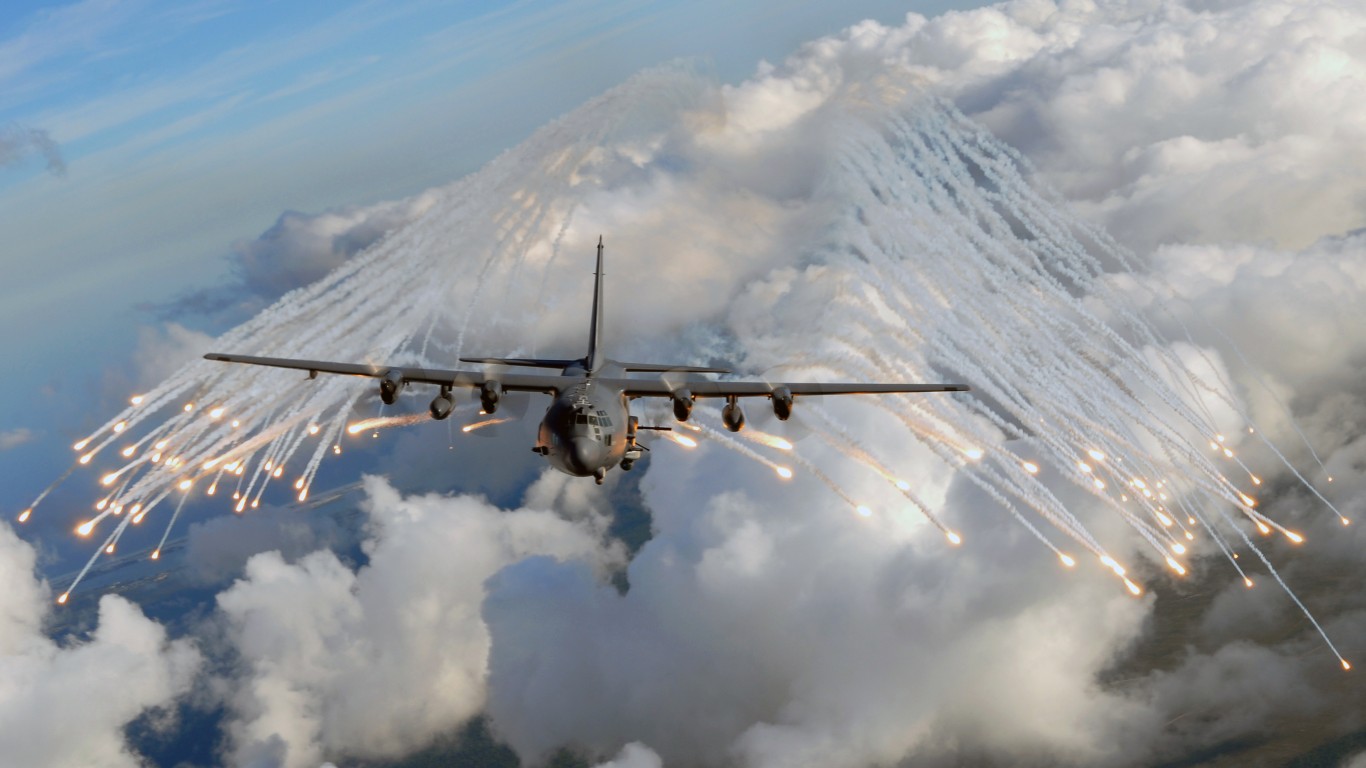
- Country of origin: United States
- Manufacturer: Lockheed / U.S. Air Force
- Year introduced: 1968
- Type: Heavy gunship aircraft
The AC‑130 Spectre added 20mm cannon, 40mm Bofors, and later 105mm howitzers to a side‑firing C‑130 airframe. Flying night orbits with advanced sensors, it could surgically destroy trucks, bunkers, and troop concentrations along the Ho Chi Minh Trail and around remote outposts.
Contact [email protected] for any questions or corrections.
Chris Lange is a financial and geopolitical writer with more than a decade of experience covering a myriad of topics. He has published thousands of articles for 24/7 Wall St., with past coverage focused heavily on stocks, IPOs, healthcare, defense, global affairs, and technology.
His work has been quoted, or referenced by a number of outlets including Business Insider, USA Today, Yahoo Finance, MSN, The Motley Fool, and many other publications. A graduate of Southwestern University, he studied business with a focus on investments and has previous experience in banking and startups.
When not reading or writing the news, he is following his passion for Lacrosse, playing chess, or building solar projects with his dad.