Weapons That Performed Well Except For Desert, Jungle, or Arctic Conditions
On paper, many of the world’s most famous weapons looked like reliable successes. In practice, desert sand, jungle humidity, and arctic cold often had other ideas. Systems that performed well in testing or early combat sometimes broke down once environmental…

On paper, many of the world’s most famous weapons looked like reliable successes. In practice, desert sand, jungle humidity, and arctic cold often had other ideas. Systems that performed well in testing or early combat sometimes broke down once environmental stress became unavoidable. Here, 24/7 Wall St. is taking a closer look at how the environment, not enemy fire, can quietly expose limits that designers never fully anticipated.
To determine the weapons that performed well until combat environments proved otherwise, 24/7 Wall St. reviewed various historical and military sources. We included supplemental information regarding the weapon system types, environments where it worked well, where it failed, and what performance issue got exposed.
Here is a look at weapons that performed well until the environment took over:
Why Are We Covering This?
Understanding how weapons respond to extreme environments helps explain why battlefield performance often diverges from expectations set during testing and early service. Desert heat, jungle humidity, and arctic cold can expose design assumptions that were never meant to withstand sustained environmental stress. By examining weapons that worked well until climate intervened, this highlights how environment shapes reliability, maintenance demands, and operational effectiveness. These cases show why geography and climate remain decisive factors in warfare, even when a weapon appears capable on paper.
When the Environment Becomes the Enemy
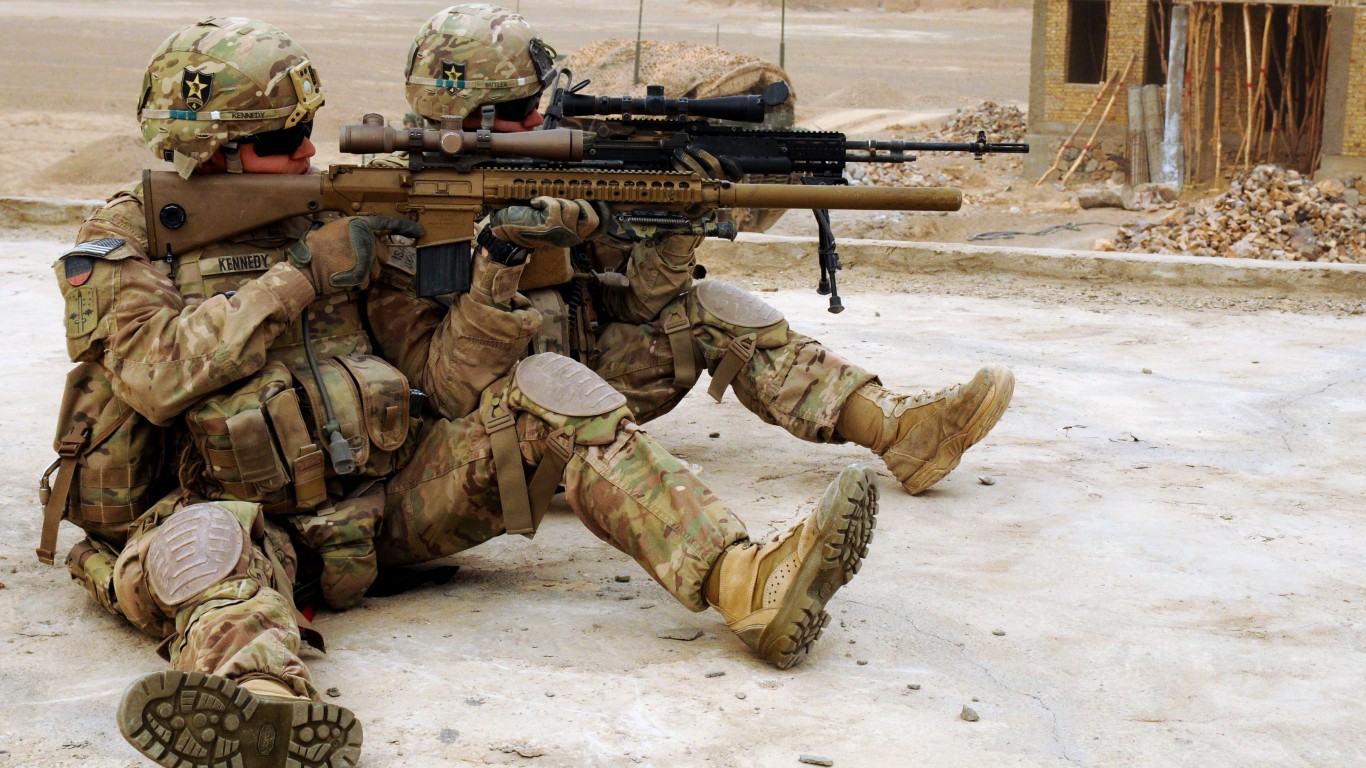
Weapons are often designed and tested under controlled assumptions, but combat rarely respects those conditions. Heat, cold, humidity, sand, and mud can change how a weapon functions as much as the enemy does. In extreme climates, reliability, accuracy, and sustainment can deteriorate quickly. Some systems that look strong on paper only reveal their limits after the environment takes control.
Performance on Paper vs. Performance in the Field
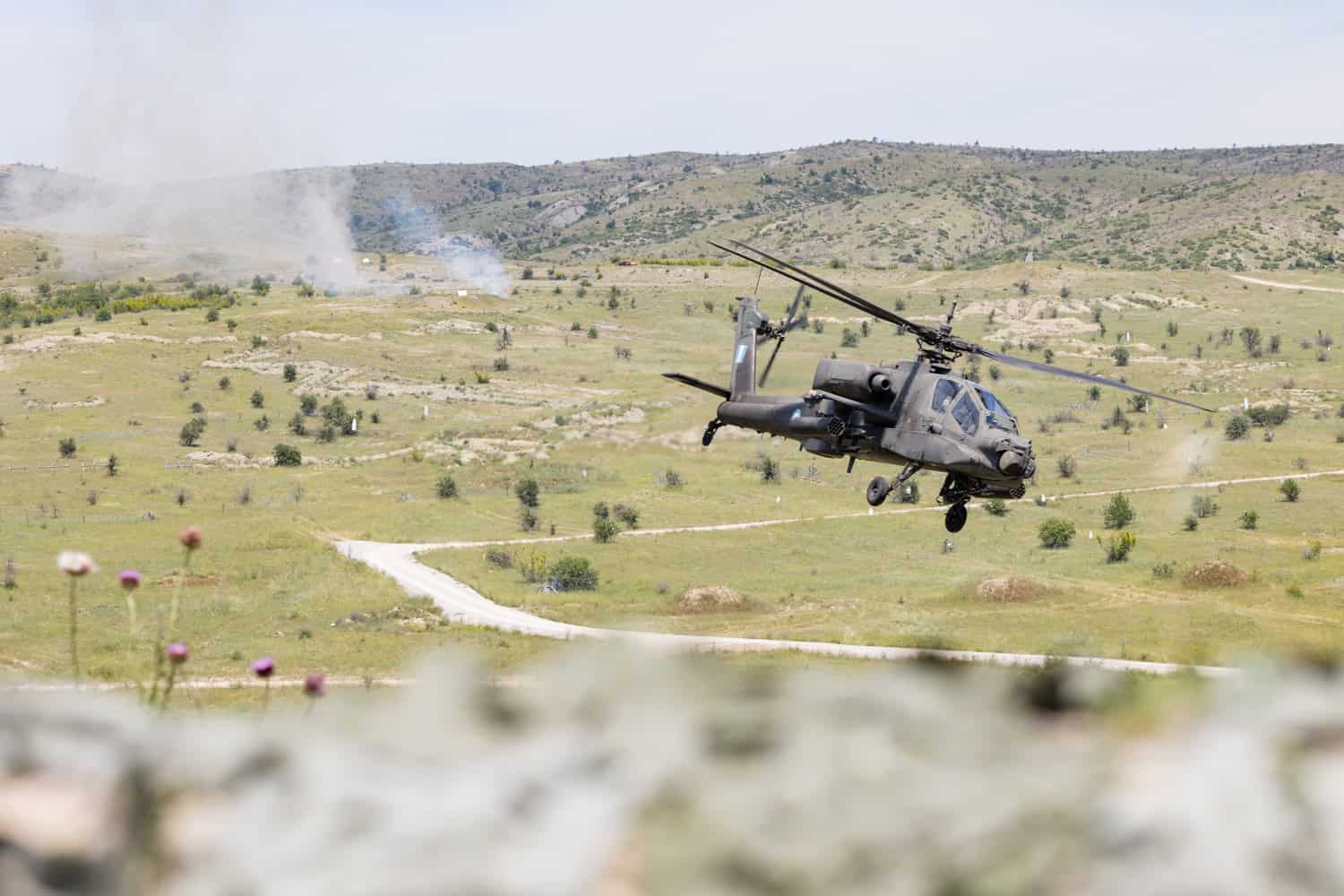
Many weapons performed well in early service, training environments, or temperate deployments where variables were predictable. Extreme climates expose stresses that testing does not always capture, especially when systems are pushed continuously in real operations. In many cases, the problem was not that the weapon was fundamentally flawed, but that environmental conditions amplified small vulnerabilities. That distinction matters when judging a system’s real effectiveness.
Desert, Jungle, and Arctic Are Not Equal Tests
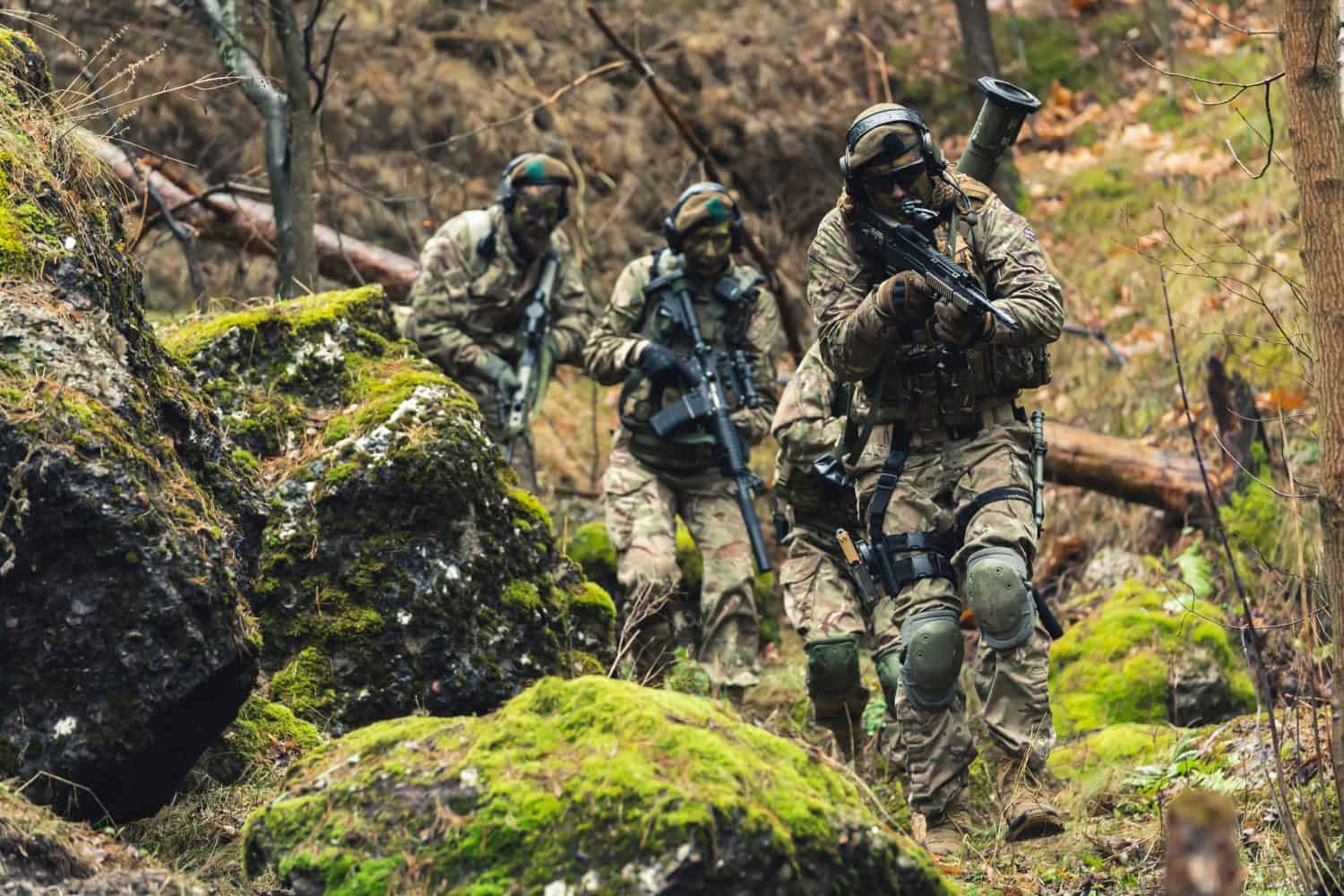
Each extreme environment attacks weapons differently and forces different types of failure. Deserts punish engines, optics, and moving parts with heat, dust, and sand ingestion that accelerates wear and reduces reliability. Jungles degrade metals, electronics, and ammunition through moisture, corrosion, and persistent fouling. Arctic cold stiffens materials, thickens lubricants, and strains mechanical systems, turning minor issues into major operational problems.
Adaptation Usually Followed Failure

Once deployed, crews and engineers often had to develop workarounds quickly to keep weapons operational. Some systems required modifications, others demanded new maintenance practices, and a few needed major redesigns. Even when fixes succeeded, they often came at a cost in time, logistics, and readiness. Many of the most important lessons about environmental performance were learned after weapons entered combat, not before.
Understanding Why Good Weapons Still Struggled
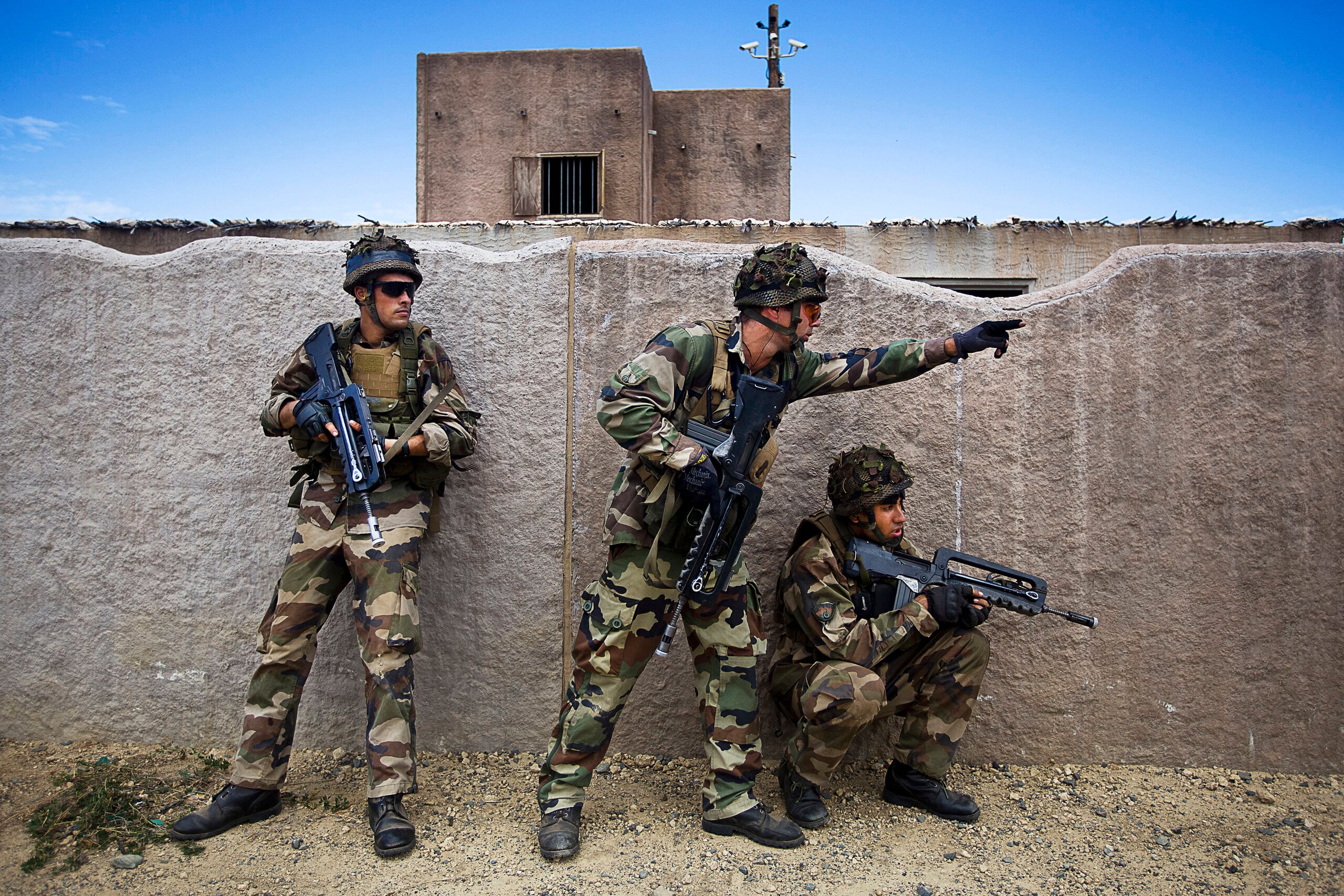
This article examines 30 weapons that worked well until desert, jungle, or arctic combat exposed their limits. The goal is not to label these systems as failures, but to show how design assumptions met environmental reality. Each example highlights how climate can reshape performance, sustainment, and tactical options. Understanding these cases explains why environment remains a decisive factor in warfare.
Early M16 (Vietnam era)
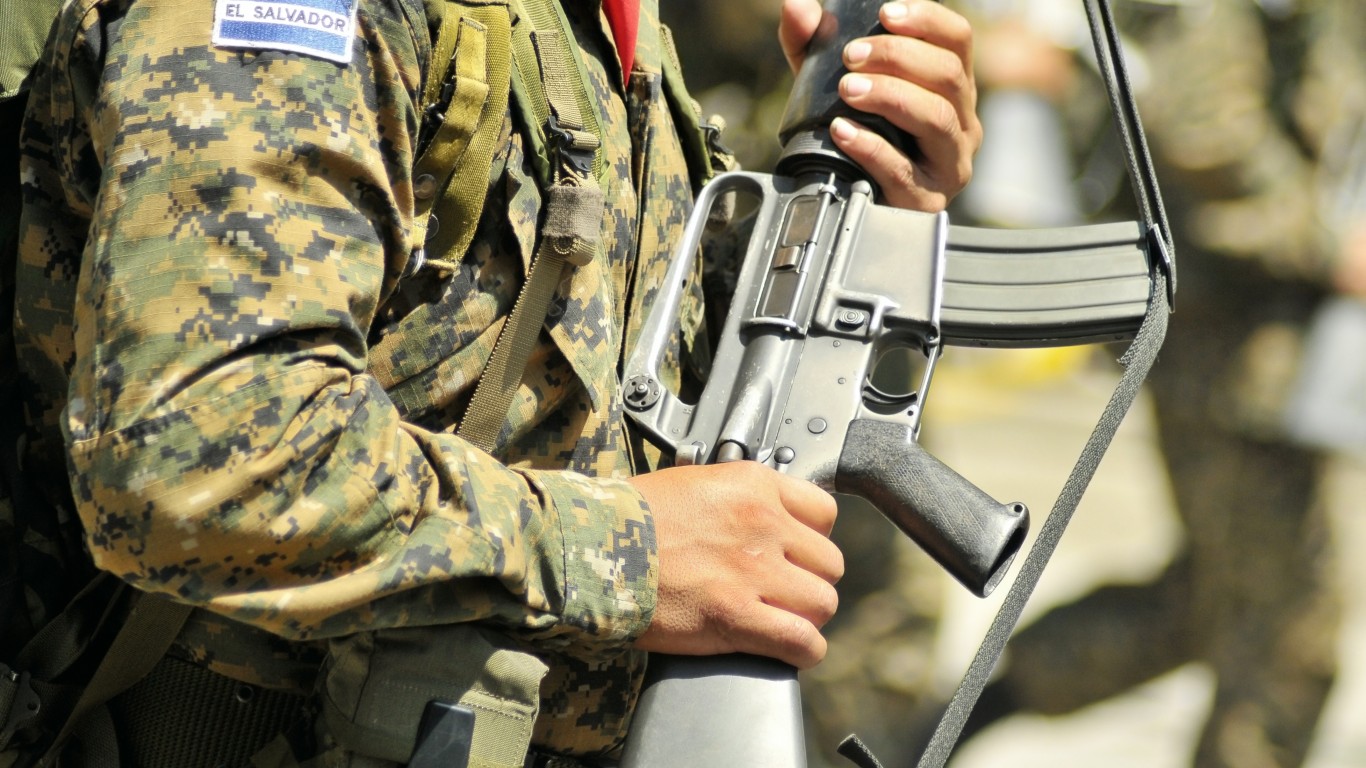
- Weapon type: Small Arm
- Environment where it performed well: Temperate training environments
- Problematic environment: Jungle
- Environmental stress factor: Humidity, mud, fouling
- Performance issue Exposed: Severe reliability issues
- Root cause of the problem: Powder choice, lack of chrome lining
- Operational impact: Jams during firefights
The early M16 performed well in controlled testing but struggled badly in Vietnam’s humid jungle. Moisture, fouling, and inadequate maintenance assumptions led to frequent stoppages during combat. These shortcomings were not inherent to the rifle’s core design, but were exposed by jungle conditions that amplified logistical and environmental stresses, forcing rapid modifications to restore battlefield reliability.
L85A1
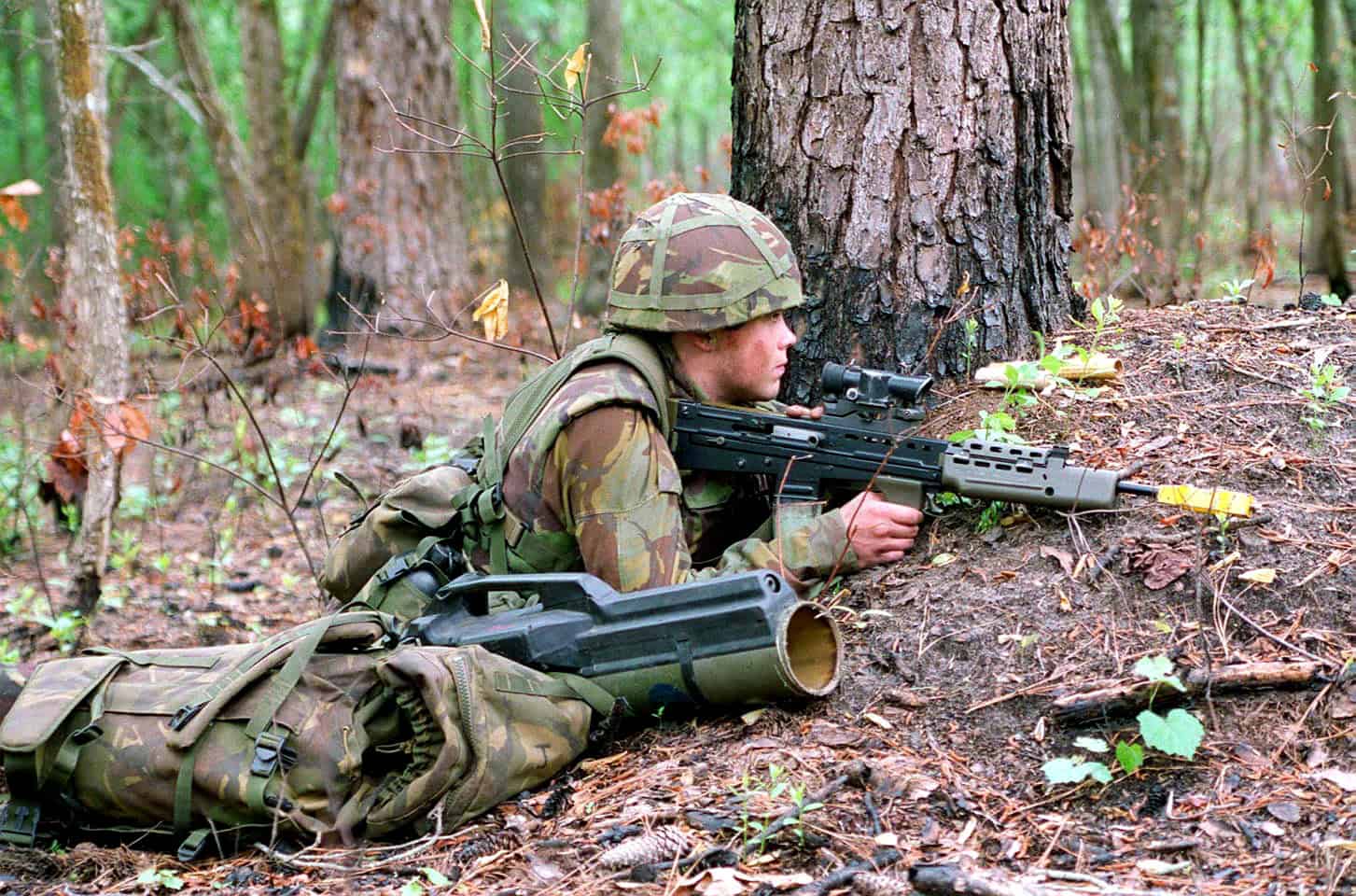
- Weapon type: Small Arm
- Environment where it performed well: European temperate climate
- Problematic environment: Desert
- Environmental stress factor: Sand, heat
- Performance issue Exposed: Frequent stoppages
- Root cause of the problem: Tight tolerances, poor sealing
- Operational impact: Reduced combat reliability
The L85A1 functioned adequately in temperate European conditions but suffered severe reliability problems once deployed to desert environments. Fine sand and extreme heat exposed tight tolerances and weak internal design choices. These failures were environmental rather than conceptual, ultimately driving a major redesign that made the rifle viable outside ideal climates.
Panzer IV
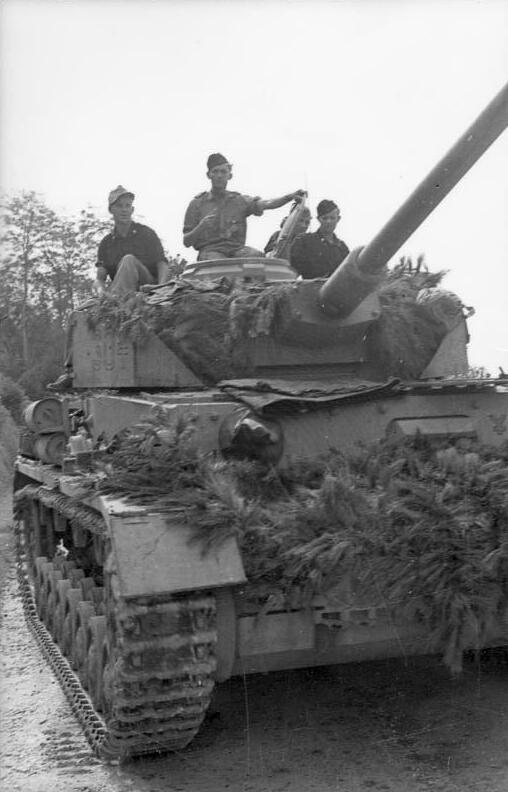
- Weapon type: Tank
- Environment where it performed well: Central European terrain
- Problematic environment: Arctic
- Environmental stress factor: Extreme cold, ice
- Performance issue Exposed: Mechanical failures
- Root cause of the problem: Lubrication and metallurgy limits
- Operational impact: Reduced mobility
The Panzer IV proved effective across much of Europe but struggled during extreme Russian winters. Subzero temperatures caused lubricants to thicken and components to fail. Arctic conditions revealed limitations in materials and preparation rather than overall combat effectiveness, forcing German crews to improvise winterization measures to keep vehicles operational.
Tiger I

- Weapon type: Tank
- Environment where it performed well: Temperate battlefields
- Problematic environment: Arctic / Mud
- Environmental stress factor: Cold, frozen ground
- Performance issue Exposed: Mobility breakdowns
- Root cause of the problem: Weight and drivetrain strain
- Operational impact: Operational immobilization
The Tiger I was formidable under favorable conditions, but extreme cold and muddy terrain exposed serious mobility limitations. Its immense weight and complex drivetrain struggled in frozen ground and deep mud. Arctic environments transformed a tactical strength into a logistical burden, limiting operational flexibility and battlefield endurance.
M1 Abrams
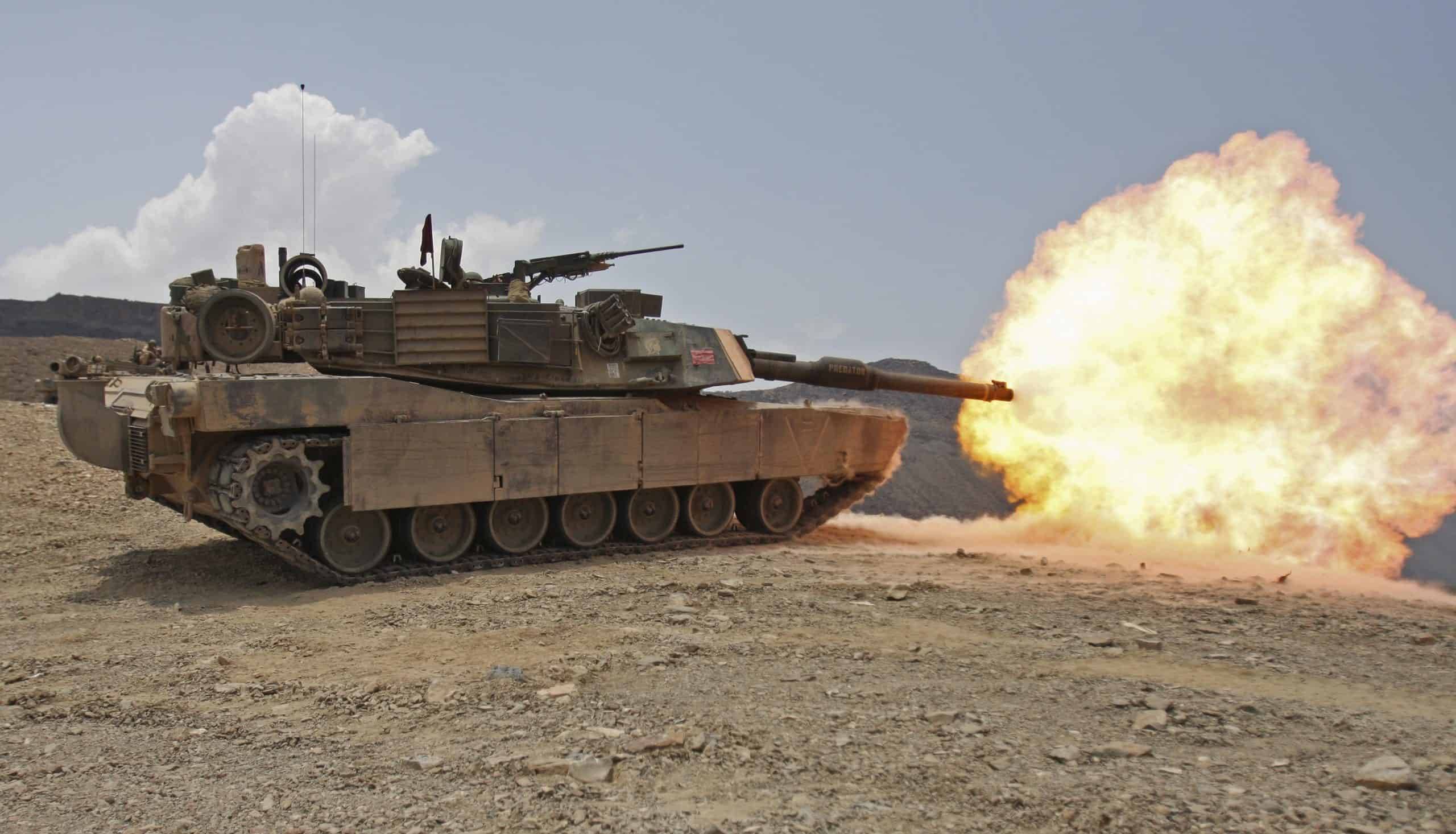
- Weapon type: Tank
- Environment where it performed well: Temperate maneuver warfare
- Problematic environment: Desert
- Environmental stress factor: Heat, dust
- Performance issue Exposed: Maintenance burden
- Root cause of the problem: Gas turbine sensitivity
- Operational impact: Higher logistics demand
The M1 Abrams excelled in combat, but prolonged desert operations exposed the logistical cost of its gas turbine engine. Extreme heat and fine dust increased maintenance demands and fuel consumption. While tactically dominant, desert deployment highlighted environmental stresses that required filtration improvements and sustainment adjustments rather than fundamental redesign.
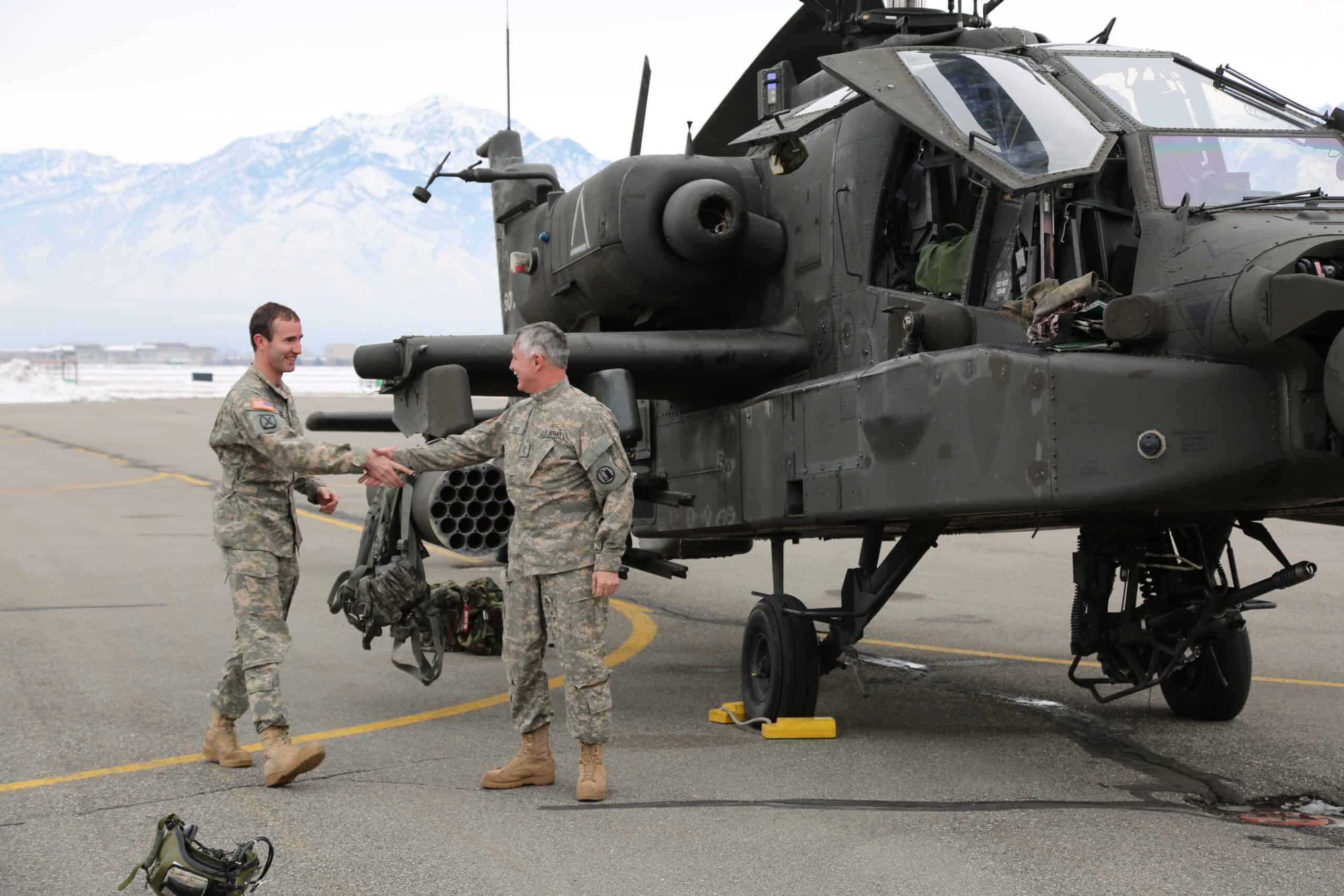
AH-64 Apache
- Weapon type: Attack Helicopter
- Environment where it performed well: Temperate climates
- Problematic environment: Desert
- Environmental stress factor: Heat, altitude
- Performance issue Exposed: Reduced lift
- Root cause of the problem: Hot-and-high physics
- Operational impact: Limited payload
The AH-64 Apache remained highly effective, but desert heat and altitude reduced lift and overall performance. Hot-and-high conditions limited payload and endurance, forcing changes in mission planning. These issues reflected environmental physics rather than design flaws, requiring tactical adaptation rather than mechanical overhaul.
CH-47 Chinook

- Weapon type: Transport Helicopter
- Environment where it performed well: Moderate climates
- Problematic environment: Desert
- Environmental stress factor: Heat, altitude
- Performance issue Exposed: Payload reduction
- Root cause of the problem: Air density loss
- Operational impact: Reduced lift capacity
The CH-47 Chinook proved reliable worldwide, yet desert heat exposed lift limitations inherent to physics. Hot-and-high conditions reduced payload capacity, forcing tradeoffs between cargo, fuel, and range. The aircraft remained effective, but desert environments reshaped how commanders employed it operationally.
MG34
- Weapon type: Machine Gun
- Environment where it performed well: European theaters
- Problematic environment: Desert
- Environmental stress factor: Sand
- Performance issue Exposed: Reliability loss
- Root cause of the problem: Tight tolerances
- Operational impact: Frequent stoppages
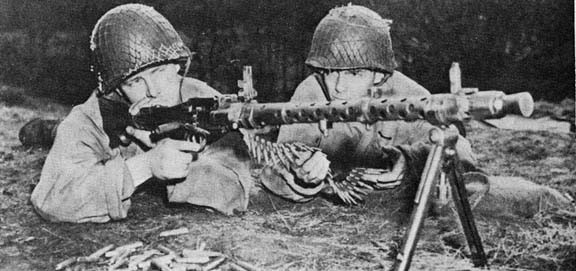
The MG34 was highly effective in Europe but struggled badly in North African desert combat. Fine sand infiltrated its precisely machined components, causing frequent stoppages. Tolerances optimized for accuracy and smooth operation became liabilities in sandy conditions, driving the development of the more robust MG42.
FN FAL
- Weapon type: Battle Rifle
- Environment where it performed well: Temperate service
- Problematic environment: Arctic
- Environmental stress factor: Extreme cold
- Performance issue Exposed: Lubrication failures
- Root cause of the problem: Cold-sensitive lubricants
- Operational impact: Malfunctions
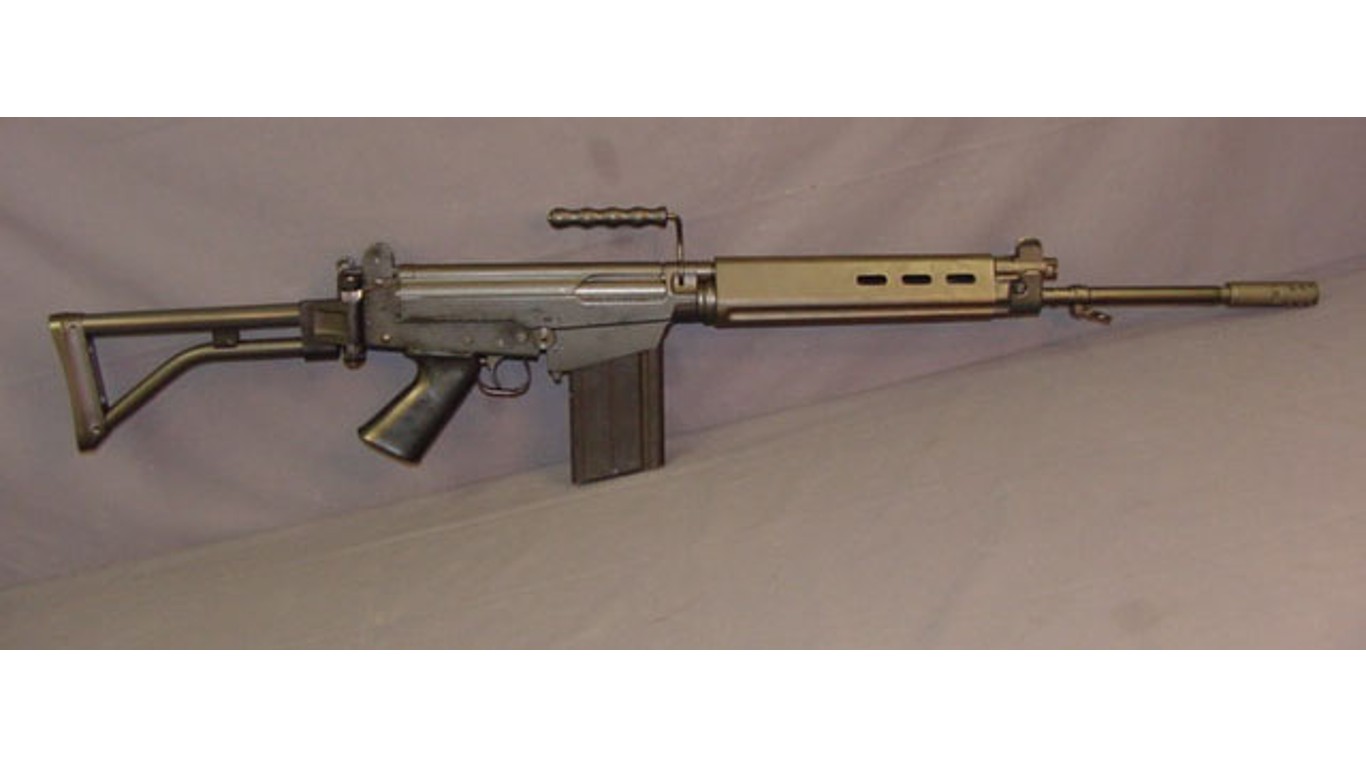
The FN FAL earned a strong global reputation, but extreme cold exposed lubrication problems. Arctic temperatures caused oils to thicken, stiffening actions and increasing malfunctions. These issues reflected environmental incompatibility rather than flawed design, prompting changes in maintenance procedures for cold-weather service.
G36
- Weapon type: Assault Rifle
- Environment where it performed well: Temperate Europe
- Problematic environment: Desert
- Environmental stress factor: Sustained heat
- Performance issue Exposed: Accuracy degradation
- Root cause of the problem: Polymer heat sensitivity
- Operational impact: Reduced precision
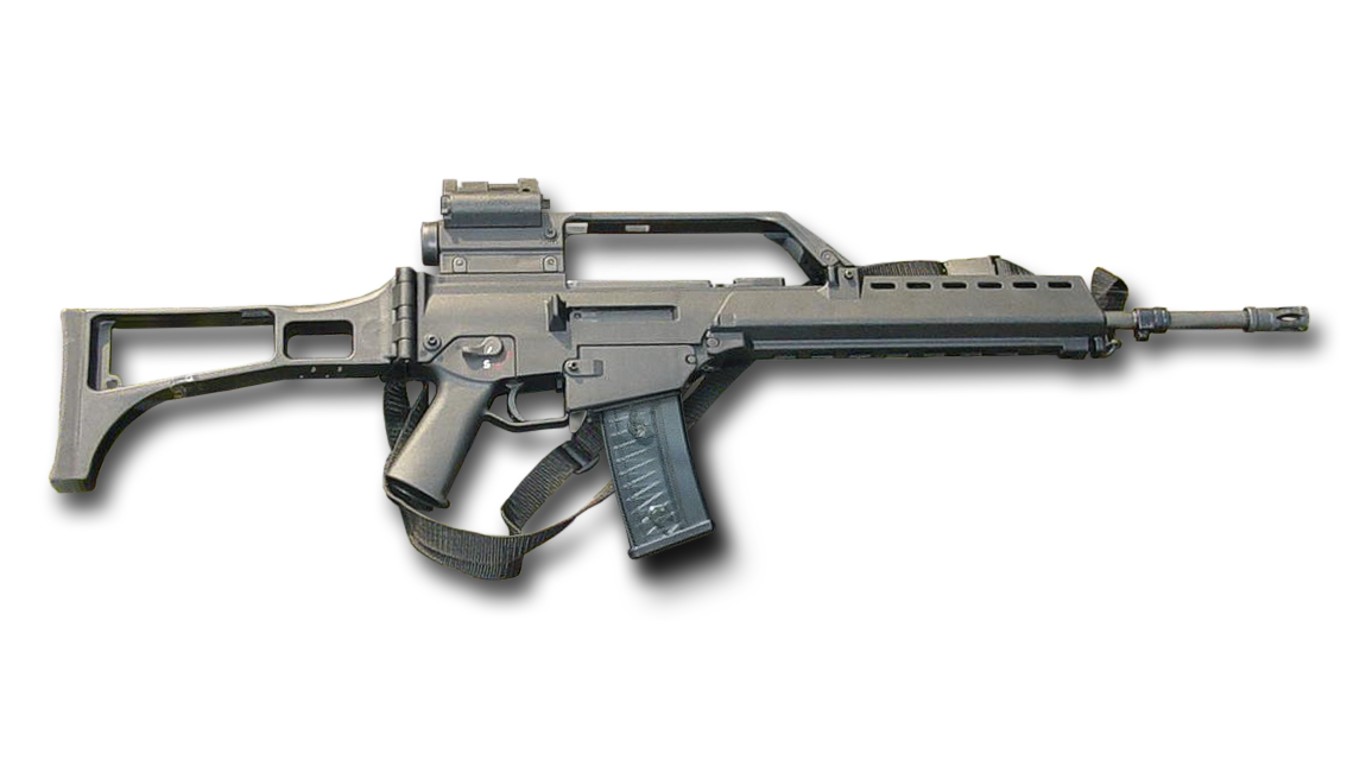
The G36 performed well in cooler climates, but sustained desert heat exposed accuracy problems tied to polymer components. High temperatures altered tolerances and affected barrel alignment, reducing consistency. These issues emerged under prolonged environmental stress rather than normal use, sparking controversy and reassessment.
MiG-21
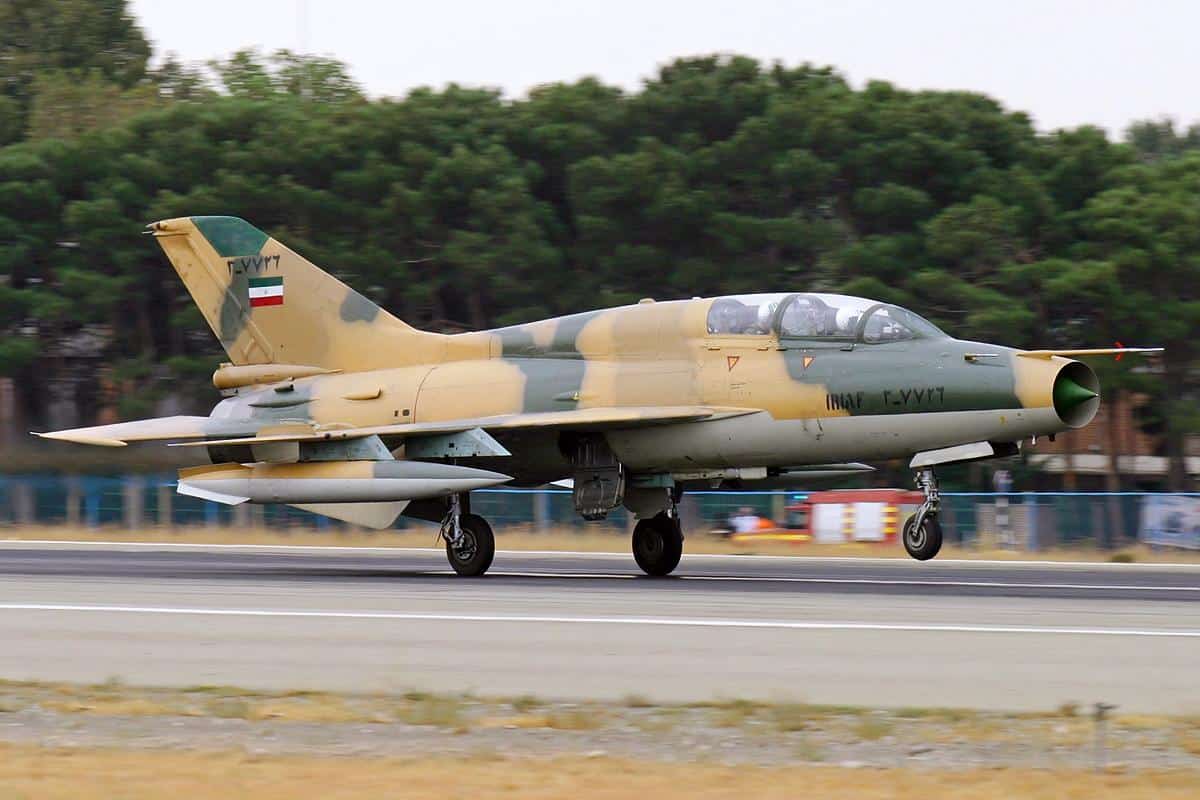
- Weapon type: Fighter Aircraft
- Environment where it performed well: Temperate airfields
- Problematic environment: Desert
- Environmental stress factor: Dust ingestion
- Performance issue Exposed: Engine wear
- Root cause of the problem: Minimal filtration
- Operational impact: Lower readiness
The MiG-21 was effective and widely exported, but desert deployments exposed accelerated engine wear from dust ingestion. Sandy airfields increased maintenance demands and reduced availability. The aircraft remained capable in combat, but harsh environmental conditions imposed higher sustainment costs.
BMP-1
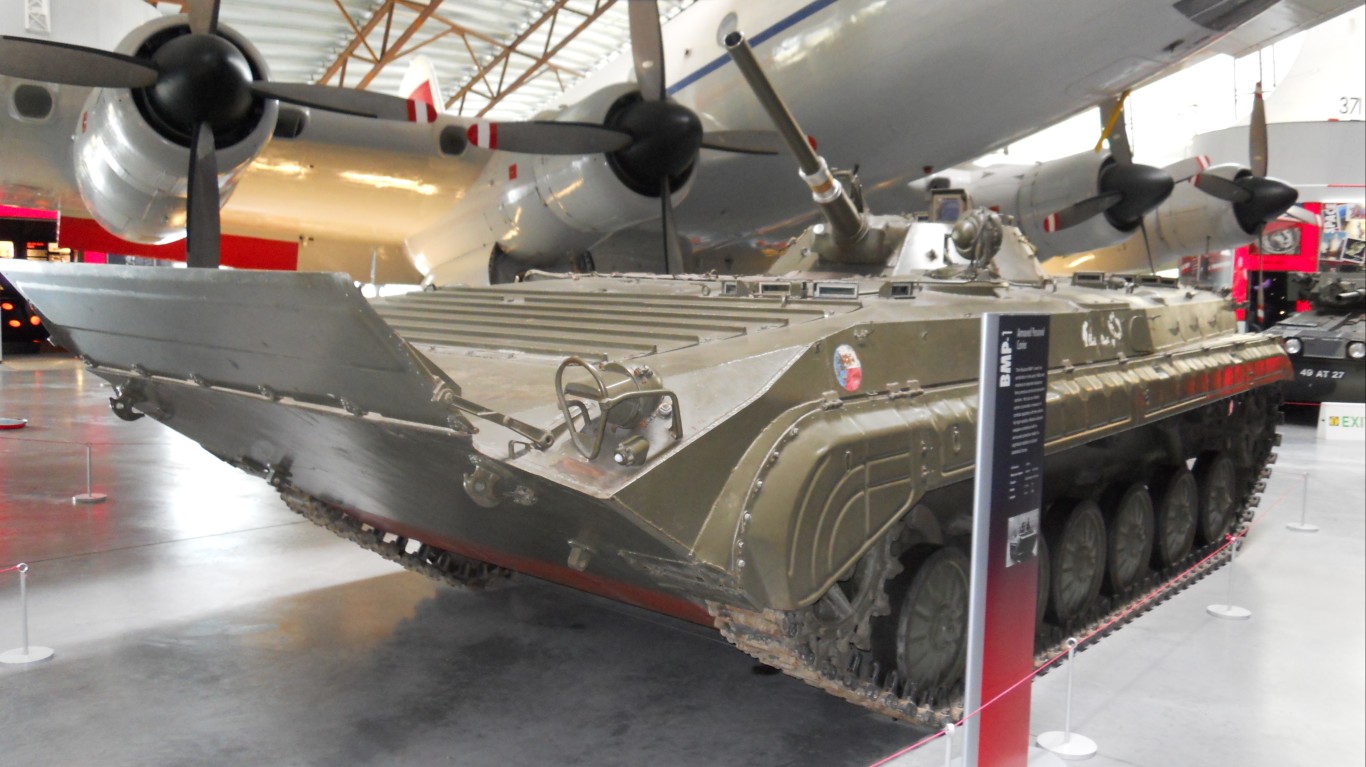
- Weapon type: IFV
- Environment where it performed well: Temperate plains
- Problematic environment: Arctic
- Environmental stress factor: Extreme cold
- Performance issue Exposed: Mechanical issues
- Root cause of the problem: Cold-sensitive systems
- Operational impact: Reduced readiness
The BMP-1 performed adequately in moderate climates, but arctic cold stressed its mechanical systems. Extreme temperatures affected engines, controls, and hydraulics, revealing preparation gaps rather than core design flaws. Cold-weather modifications were required to maintain operational readiness.
UH-60 Black Hawk
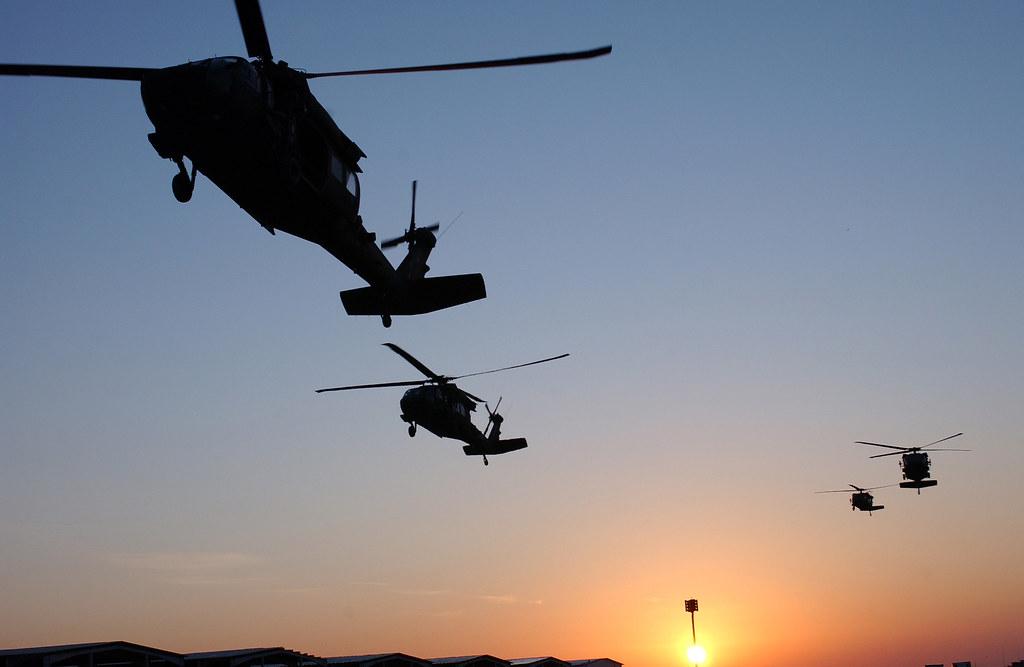
- Weapon type: Utility Helicopter
- Environment where it performed well: Temperate operations
- Problematic environment: Desert
- Environmental stress factor: Fine dust
- Performance issue Exposed: Engine wear
- Root cause of the problem: Dust ingestion
- Operational impact: Increased maintenance
The UH-60 Black Hawk is highly versatile, but prolonged desert exposure proved punishing. Fine dust accelerated engine wear and increased maintenance demands. While the helicopter remained operationally effective, environmental stress highlighted the need for enhanced filtration and sustainment planning.
MAS-36
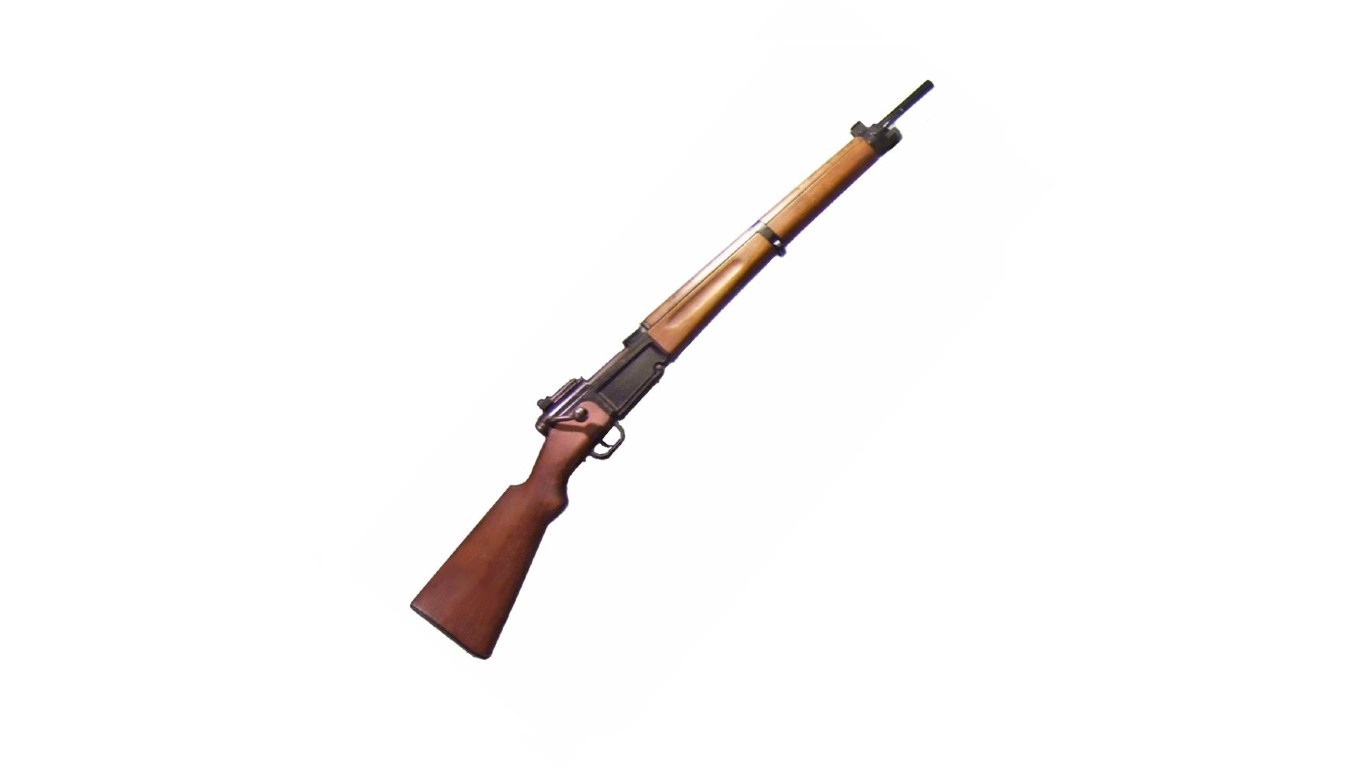
- Weapon type: Bolt-Action Rifle
- Environment where it performed well: European climates
- Problematic environment: Jungle
- Environmental stress factor: Humidity
- Performance issue Exposed: Corrosion
- Root cause of the problem: Material protection limits
- Operational impact: Maintenance issues
The MAS-36 was reliable in Europe, but jungle humidity accelerated corrosion of metal components. Persistent moisture stressed finishes and increased maintenance burdens. Tropical environments exposed limits in corrosion protection rather than fundamental reliability, requiring improved protective measures.
Type 97 LMG
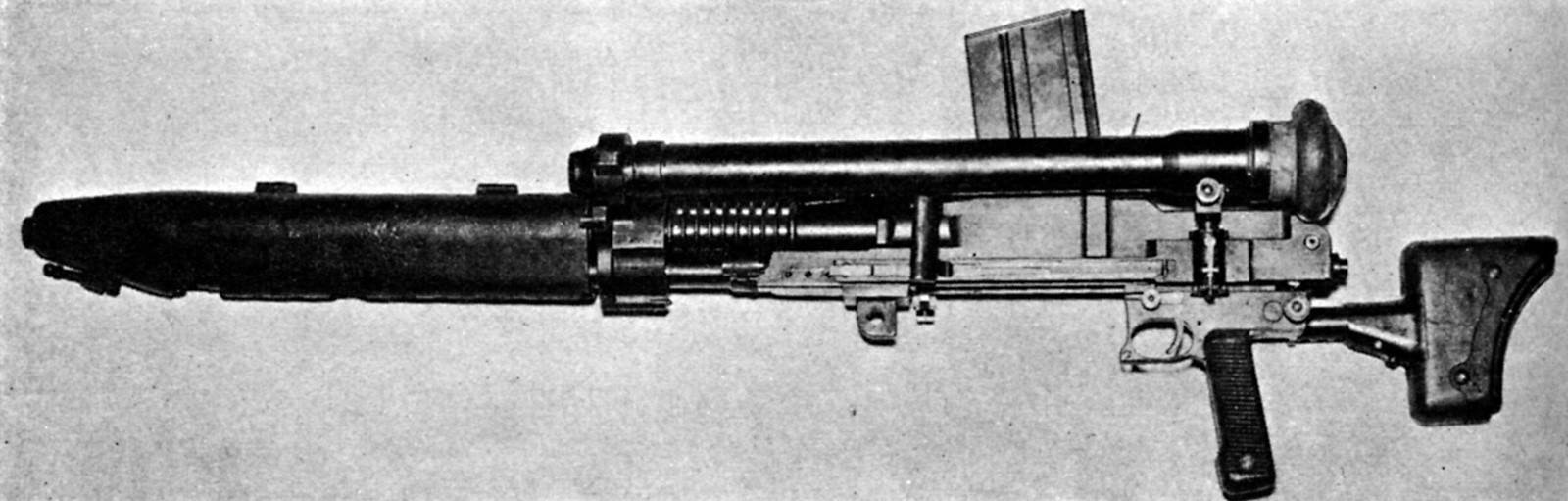
- Weapon type: Machine Gun
- Environment where it performed well: Temperate Asia
- Problematic environment: Jungle
- Environmental stress factor: Humidity
- Performance issue Exposed: Feed issues
- Root cause of the problem: Moisture intrusion
- Operational impact: Reduced reliability
The Type 97 light machine gun performed adequately in drier conditions but struggled in jungle humidity. Moisture affected ammunition and feed systems, degrading reliability during sustained operations. Environmental exposure, not design concept, drove its reduced effectiveness in tropical combat.
AMX-10RC
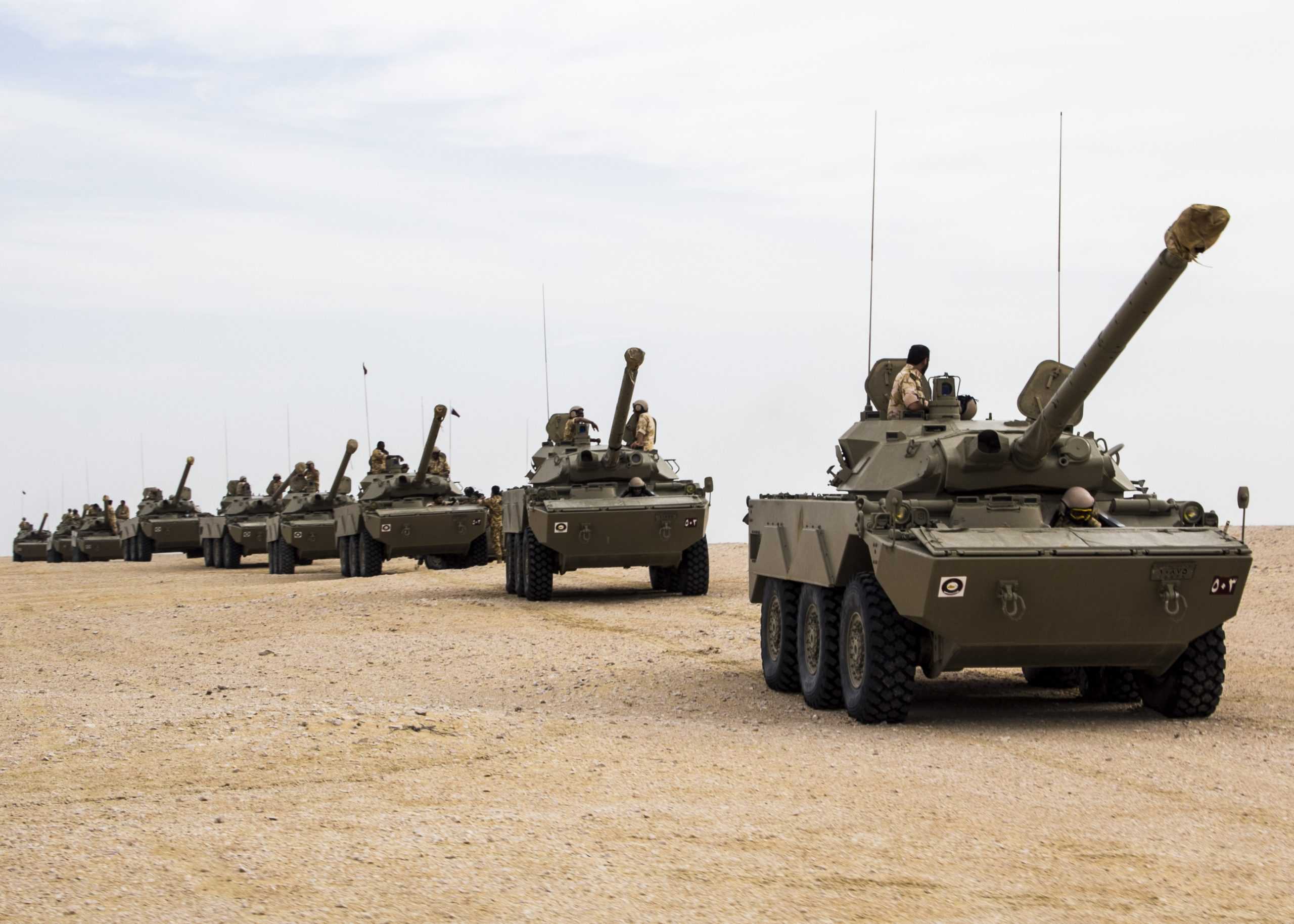
- Weapon type: Armored Car
- Environment where it performed well: European terrain
- Problematic environment: Desert
- Environmental stress factor: Sand
- Performance issue Exposed: Mobility wear
- Root cause of the problem: Wheel and suspension stress
- Operational impact: Reduced endurance
The AMX-10RC performed well in Europe, but desert sand accelerated wear on wheels and suspension components. Fine particles increased maintenance demands and reduced operational endurance. Desert conditions revealed sustainment limits rather than tactical ineffectiveness.
Leopard 2
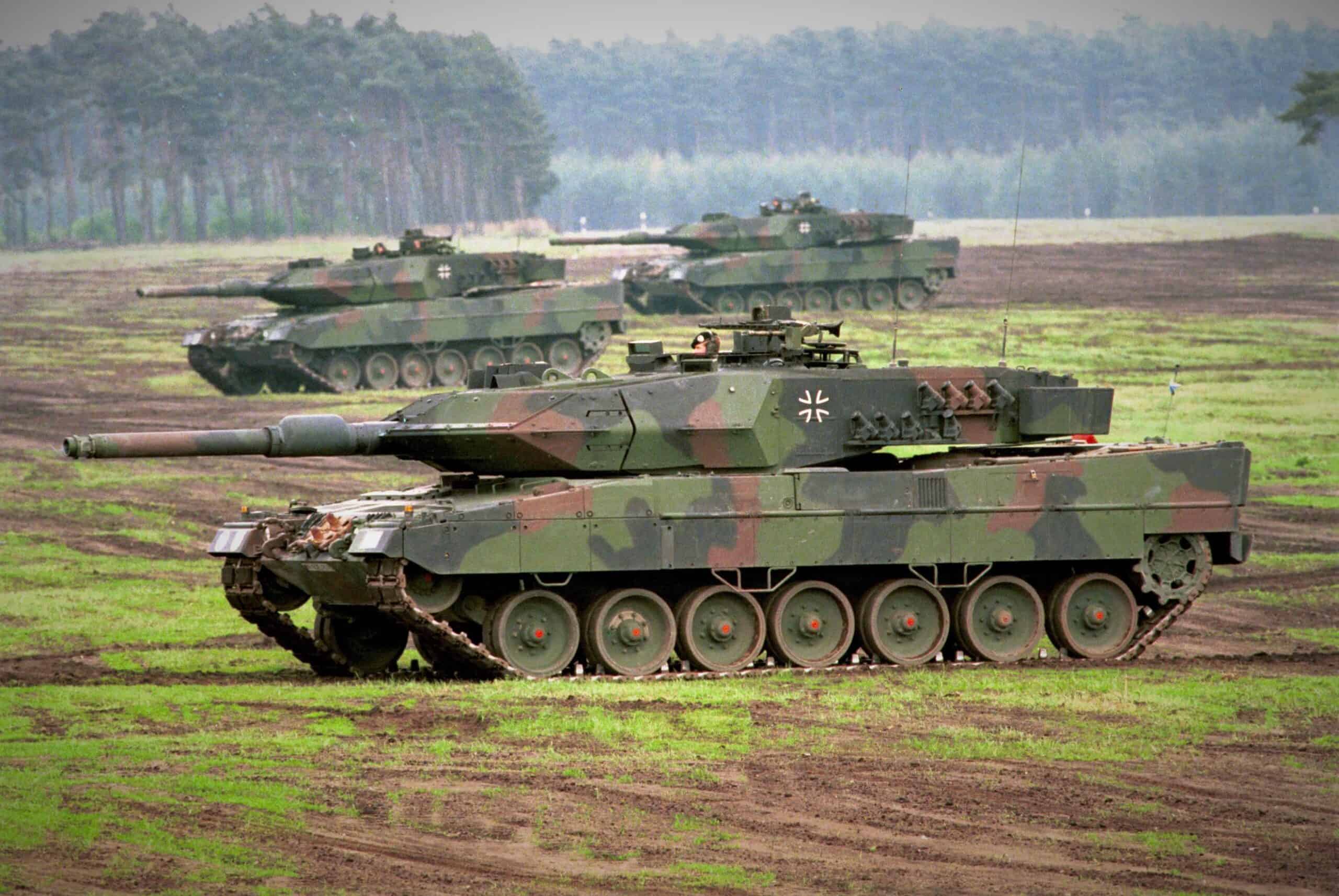
- Weapon type: Tank
- Environment where it performed well: Temperate Europe
- Problematic environment: Arctic
- Environmental stress factor: Extreme cold
- Performance issue Exposed: Maintenance strain
- Root cause of the problem: Cold-start challenges
- Operational impact: Lower availability
The Leopard 2 is highly capable, but prolonged arctic cold strained maintenance cycles. Extreme temperatures complicated cold starts and logistics. Arctic deployment highlighted sustainment challenges rather than weaknesses in firepower or protection.
Challenger 2
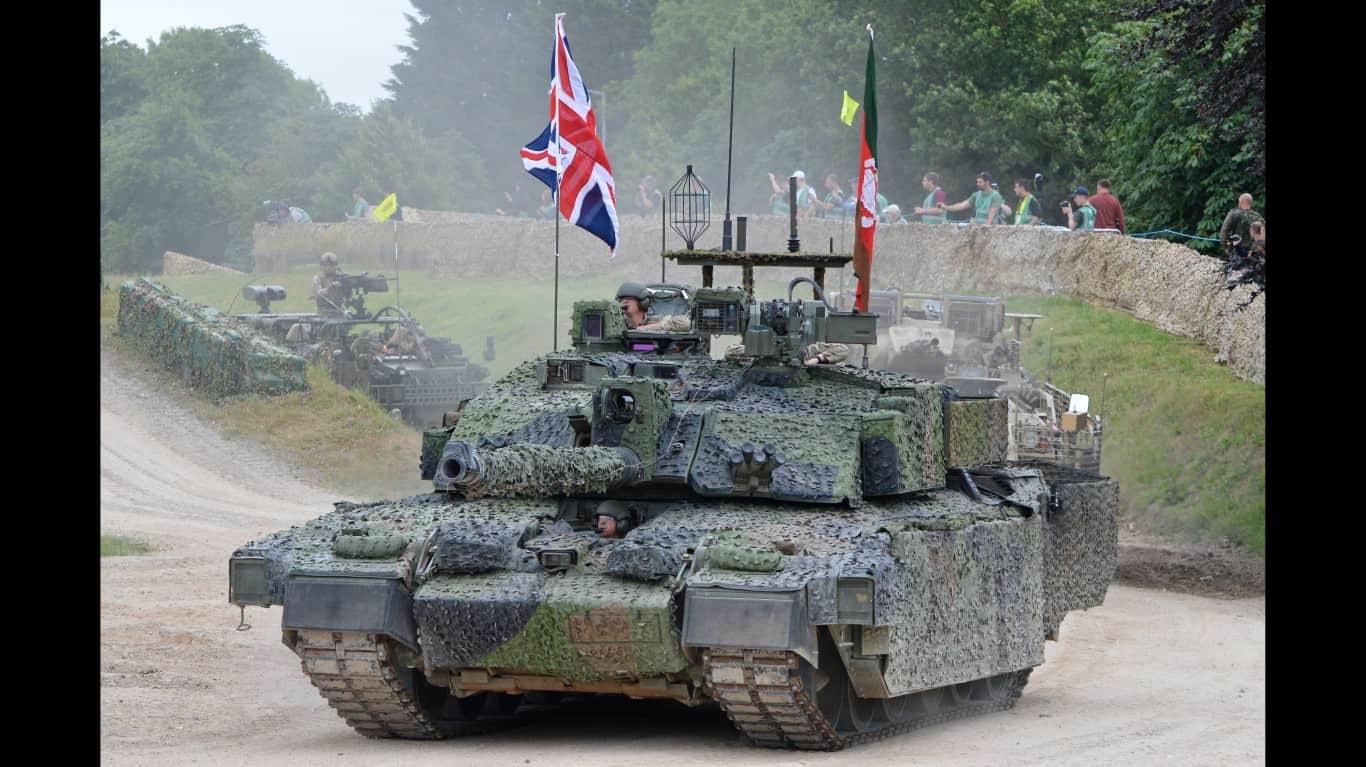
- Weapon type: Tank
- Environment where it performed well: Temperate operations
- Problematic environment: Desert
- Environmental stress factor: Extreme heat
- Performance issue Exposed: Optics stress
- Root cause of the problem: Thermal strain
- Operational impact: Degraded sensors
The Challenger 2 remained lethal in combat, but desert heat stressed optics and electronic systems. Sustained thermal loads reduced sensor reliability over time. These challenges reflected environmental extremes rather than flaws in armor or firepower.
M113
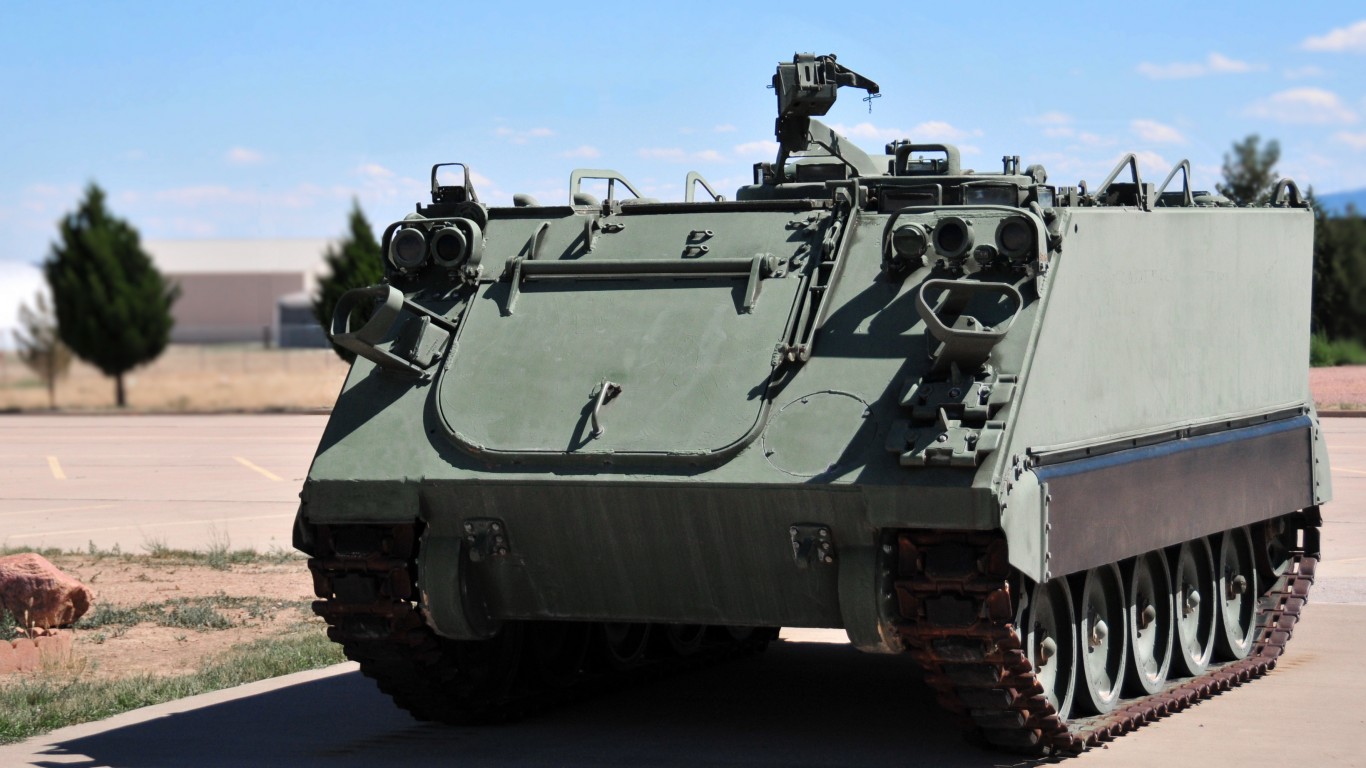
- Weapon type: APC
- Environment where it performed well: Temperate terrain
- Problematic environment: Jungle
- Environmental stress factor: Humidity, mud
- Performance issue Exposed: Mobility issues
- Root cause of the problem: Track wear
- Operational impact: Reduced maneuverability
The M113 proved versatile, but jungle mud and humidity degraded mobility and reliability. Tracks and mechanical components wore faster in tropical conditions. Environmental exposure revealed sustainment challenges rather than operational failure.
A-10 GAU-8 System
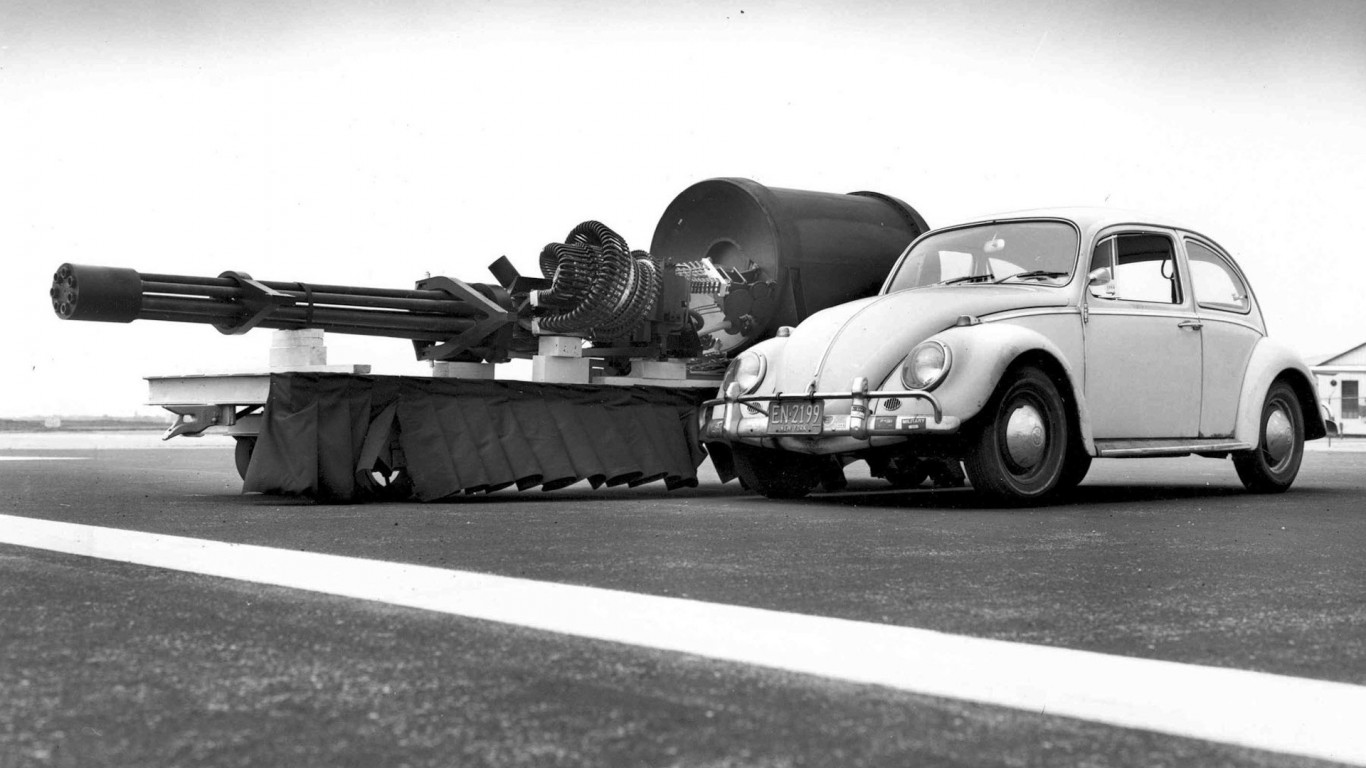
- Weapon type: Aircraft Weapon
- Environment where it performed well: Temperate bases
- Problematic environment: Desert
- Environmental stress factor: Dust
- Performance issue Exposed: Feed sensitivity
- Root cause of the problem: Debris intrusion
- Operational impact: Maintenance downtime
The GAU-8 cannon system performed exceptionally in combat, but desert dust increased sensitivity in the feed mechanism. Fine particles demanded careful maintenance and procedural changes. Environmental stress complicated sustainment without undermining the weapon’s battlefield effectiveness.
Strv 122
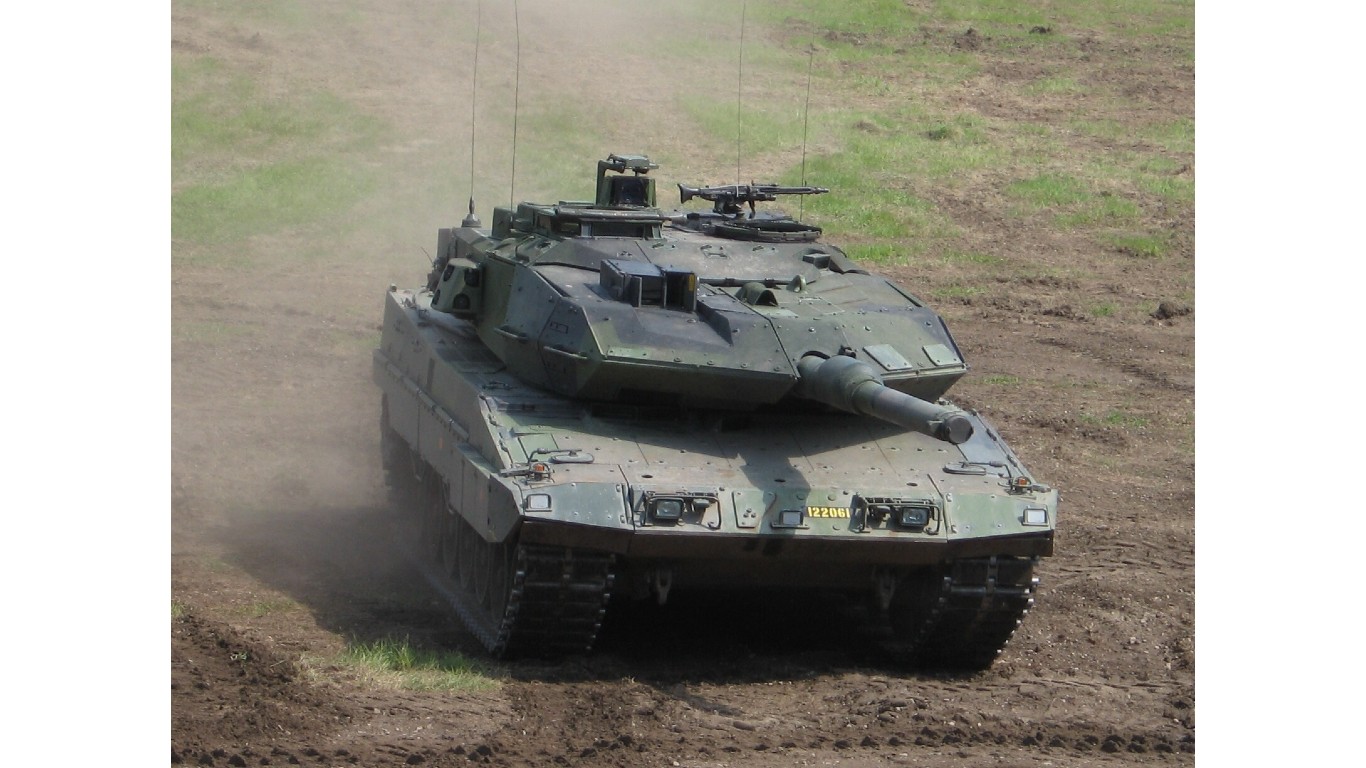
- Weapon type: Tank
- Environment where it performed well: Nordic temperate
- Problematic environment: Arctic
- Environmental stress factor: Extreme cold
- Performance issue Exposed: Logistics strain
- Root cause of the problem: Cold-weather sustainment
- Operational impact: Higher support demand
The Strv 122 excelled in northern Europe, but extreme arctic cold increased maintenance and logistics demands. Cold-weather operations stressed sustainment more than combat capability, underscoring the challenges of prolonged polar deployment.
Carcano Rifle
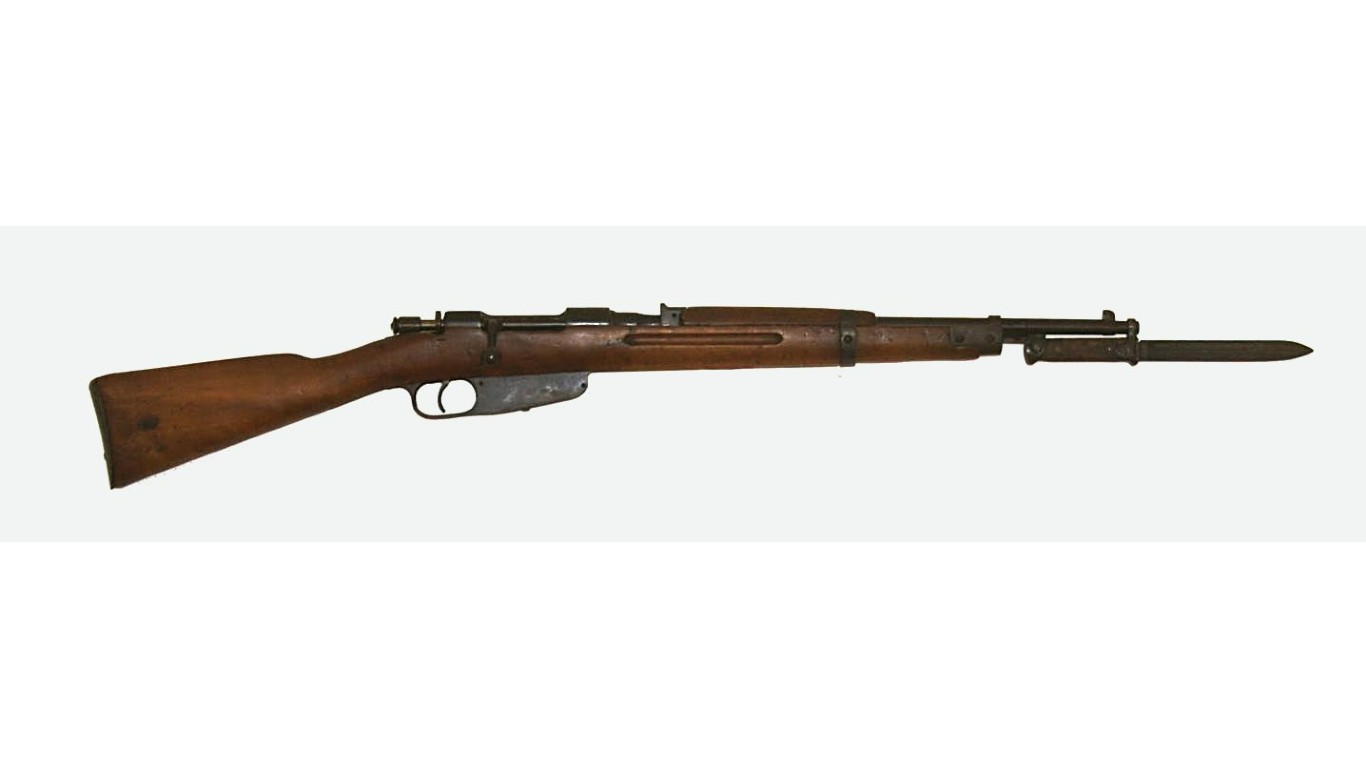
- Weapon type: Bolt-Action Rifle
- Environment where it performed well: Temperate Europe
- Problematic environment: Desert
- Environmental stress factor: Heat, dust
- Performance issue Exposed: Accuracy loss
- Root cause of the problem: Ammunition sensitivity
- Operational impact: Reduced effectiveness
The Carcano functioned acceptably in Europe, but desert heat and dust reduced accuracy and reliability. Environmental exposure revealed ammunition sensitivity and tolerance issues that degraded battlefield effectiveness in harsh climates.
F-15
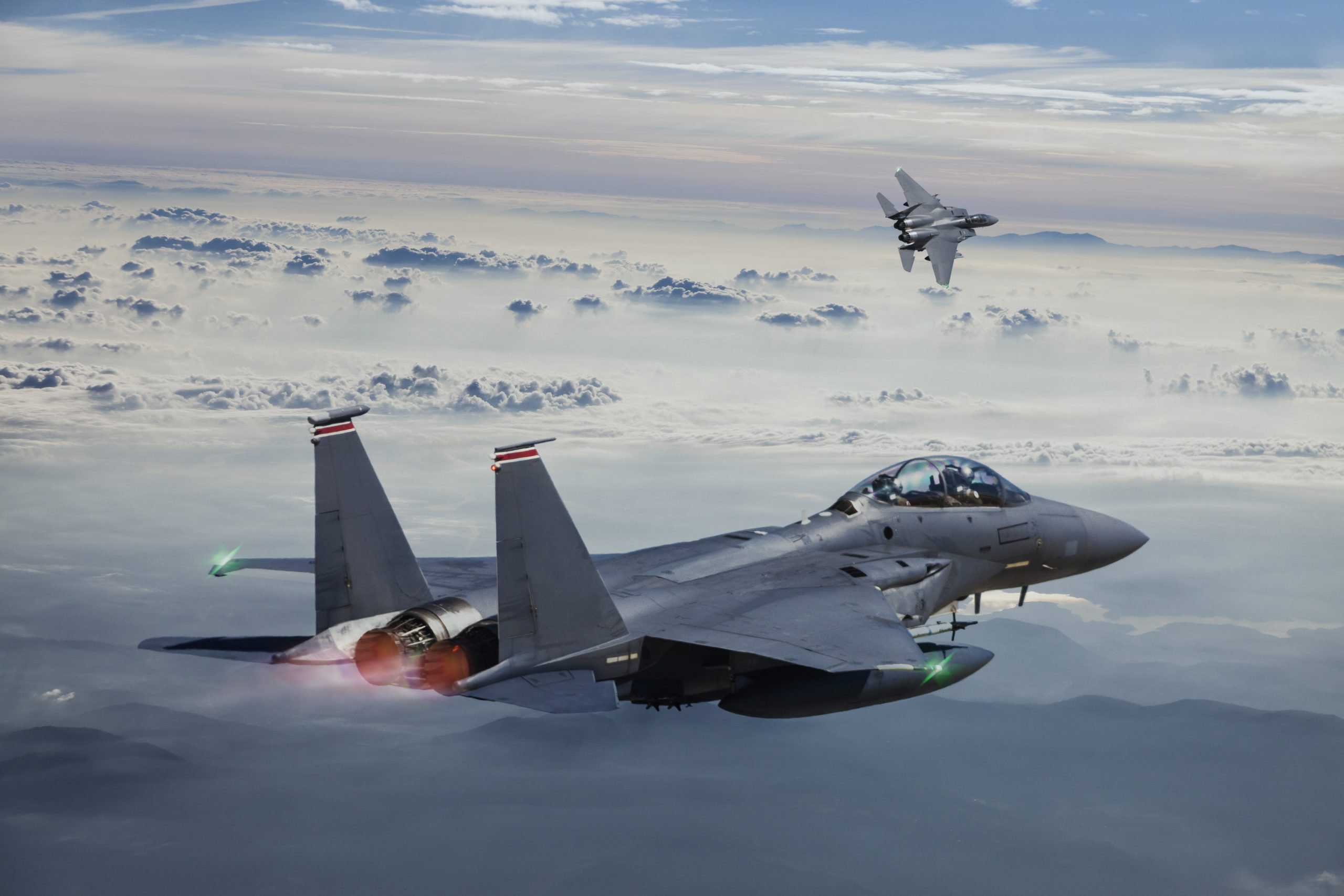
- Weapon type: Fighter Aircraft
- Environment where it performed well: Temperate bases
- Problematic environment: Desert
- Environmental stress factor: Heat, dust
- Performance issue Exposed: Engine wear
- Root cause of the problem: Sand ingestion
- Operational impact: Maintenance burden
The F-15 maintained air dominance, but desert operations accelerated engine wear due to dust and heat. Combat performance remained strong, yet sustainment demands increased significantly under prolonged environmental stress.
Early Night Vision Devices
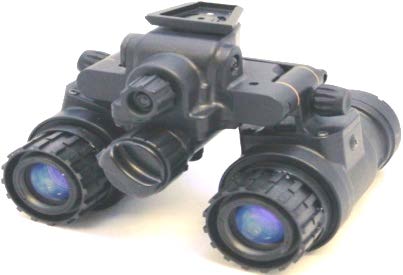
- Weapon type: Optics
- Environment where it performed well: Temperate climates
- Problematic environment: Jungle / Desert
- Environmental stress factor: Humidity, sand
- Performance issue Exposed: Image degradation
- Root cause of the problem: Seal limitations
- Operational impact: Reduced effectiveness
Early night vision devices worked well in controlled climates, but humidity and sand degraded image quality. Environmental exposure revealed limits in sealing and durability, driving later improvements for harsh environments.
Towed Artillery
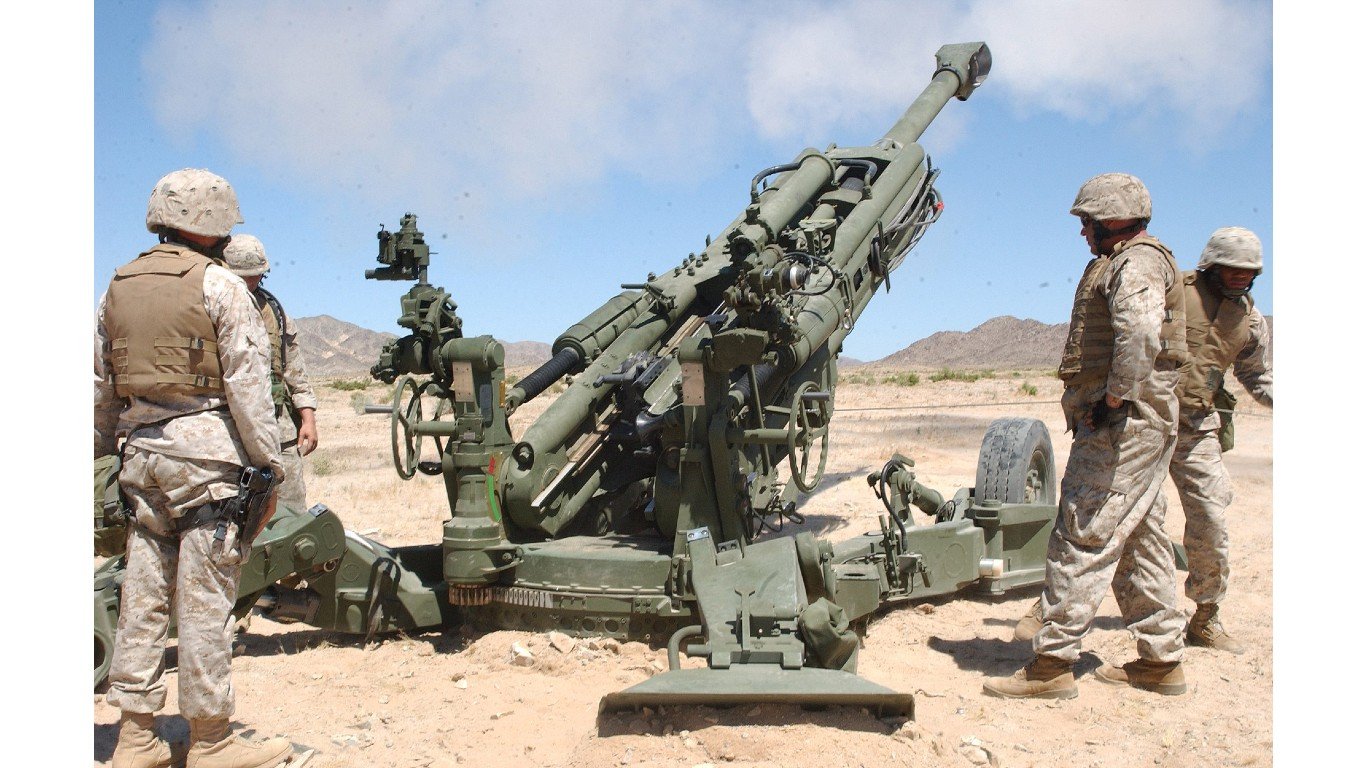
- Weapon type: Artillery
- Environment where it performed well: Firm terrain
- Problematic environment: Mud / Arctic
- Environmental stress factor: Mud, ice
- Performance issue Exposed: Mobility loss
- Root cause of the problem: Ground dependence
- Operational impact: Delayed fires
Towed artillery functioned effectively on firm ground, but mud and frozen terrain restricted movement. Environmental conditions limited responsiveness and deployment speed rather than firepower, exposing terrain dependency.
AK-74 (early polymers)
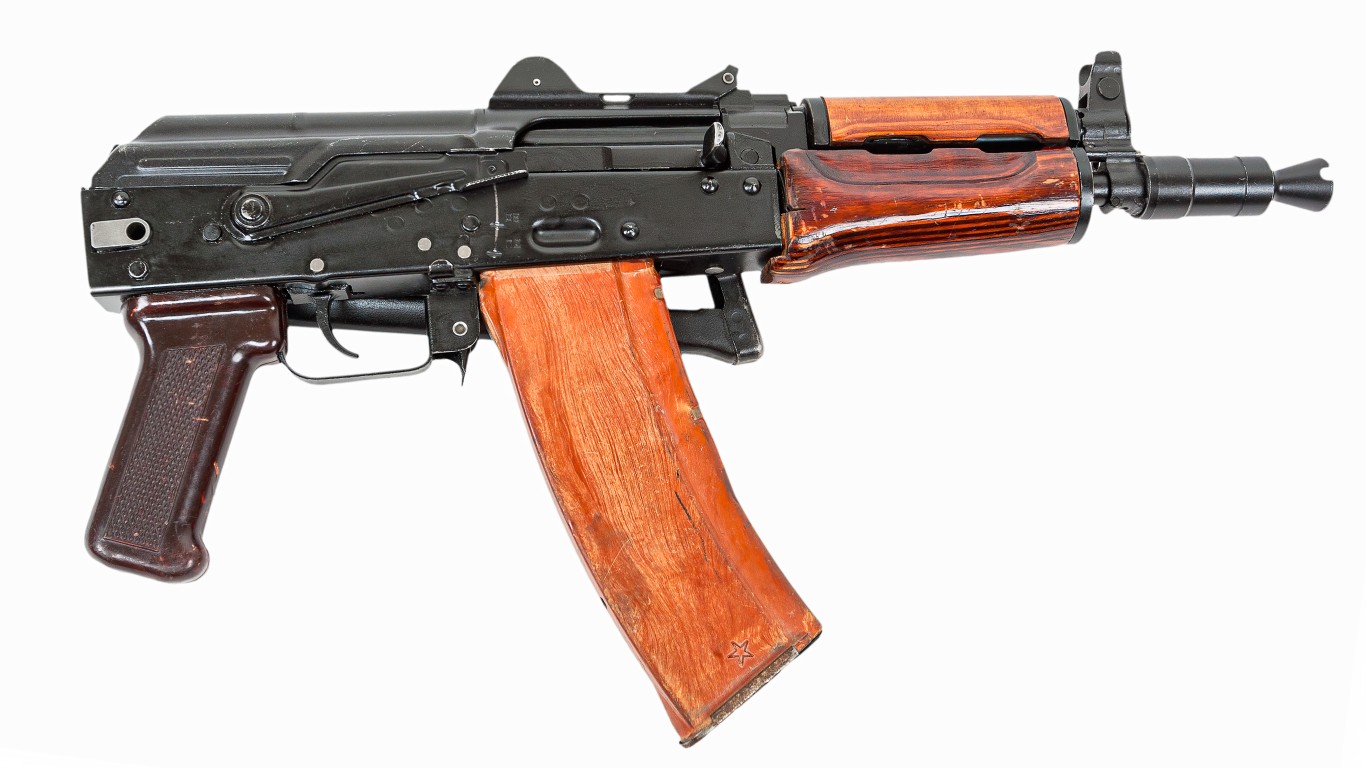
- Weapon type: Assault Rifle
- Environment where it performed well: Temperate service
- Problematic environment: Arctic
- Environmental stress factor: Extreme cold
- Performance issue Exposed: Material brittleness
- Root cause of the problem: Polymer behavior
- Operational impact: Breakage risk
Early AK-74 polymer components performed well in moderate climates, but extreme cold made them brittle. Arctic conditions revealed material limits that required refinement without undermining the rifle’s overall reliability.
C7 Rifle
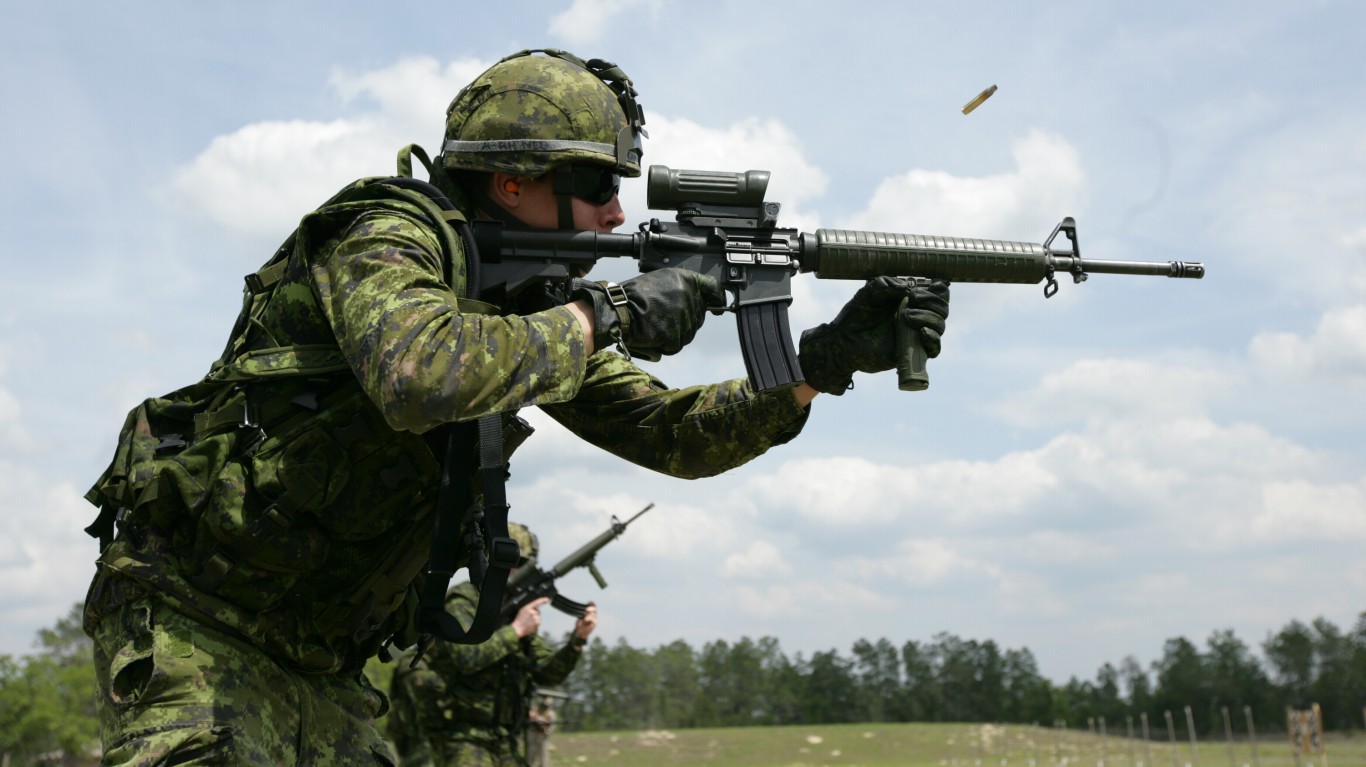
- Weapon type: Assault Rifle
- Environment where it performed well: Temperate Canada
- Problematic environment: Arctic
- Environmental stress factor: Cold
- Performance issue Exposed: Lubrication issues
- Root cause of the problem: Cold-weather oils
- Operational impact: Stiff action
The C7 rifle performed reliably overall, but arctic cold exposed lubrication challenges. Oils thickened in subzero temperatures, stiffening actions and affecting operation until procedures were adjusted.
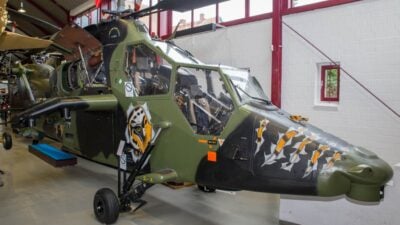
Eurocopter Tiger
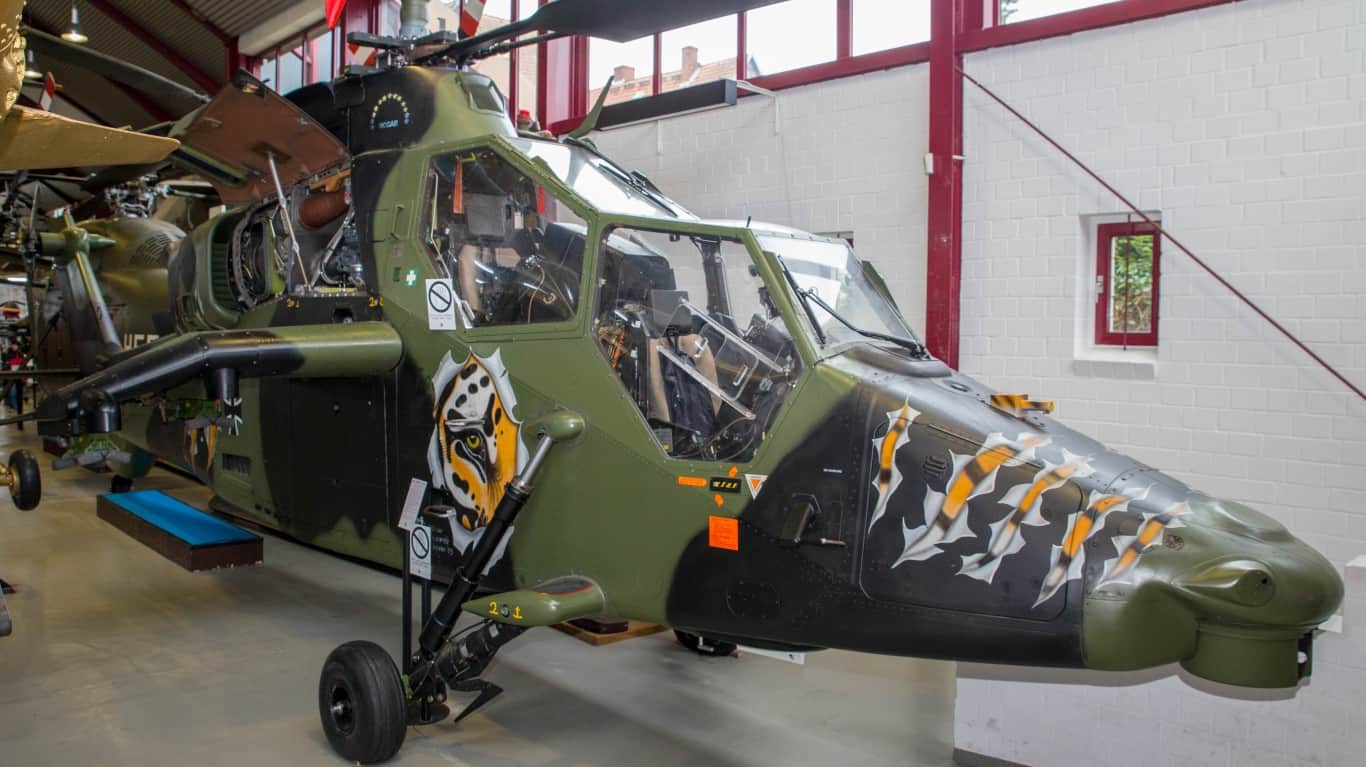
- Weapon type: Attack Helicopter
- Environment where it performed well: Temperate Europe
- Problematic environment: Desert
- Environmental stress factor: Heat, dust
- Performance issue Exposed: Electronics stress
- Root cause of the problem: Thermal management
- Operational impact: Reduced readiness
The Eurocopter Tiger performed well in Europe, but desert heat and dust stressed onboard electronics. Environmental exposure reduced readiness until cooling and filtration upgrades were implemented.
BMP-1 (Cold Regions)
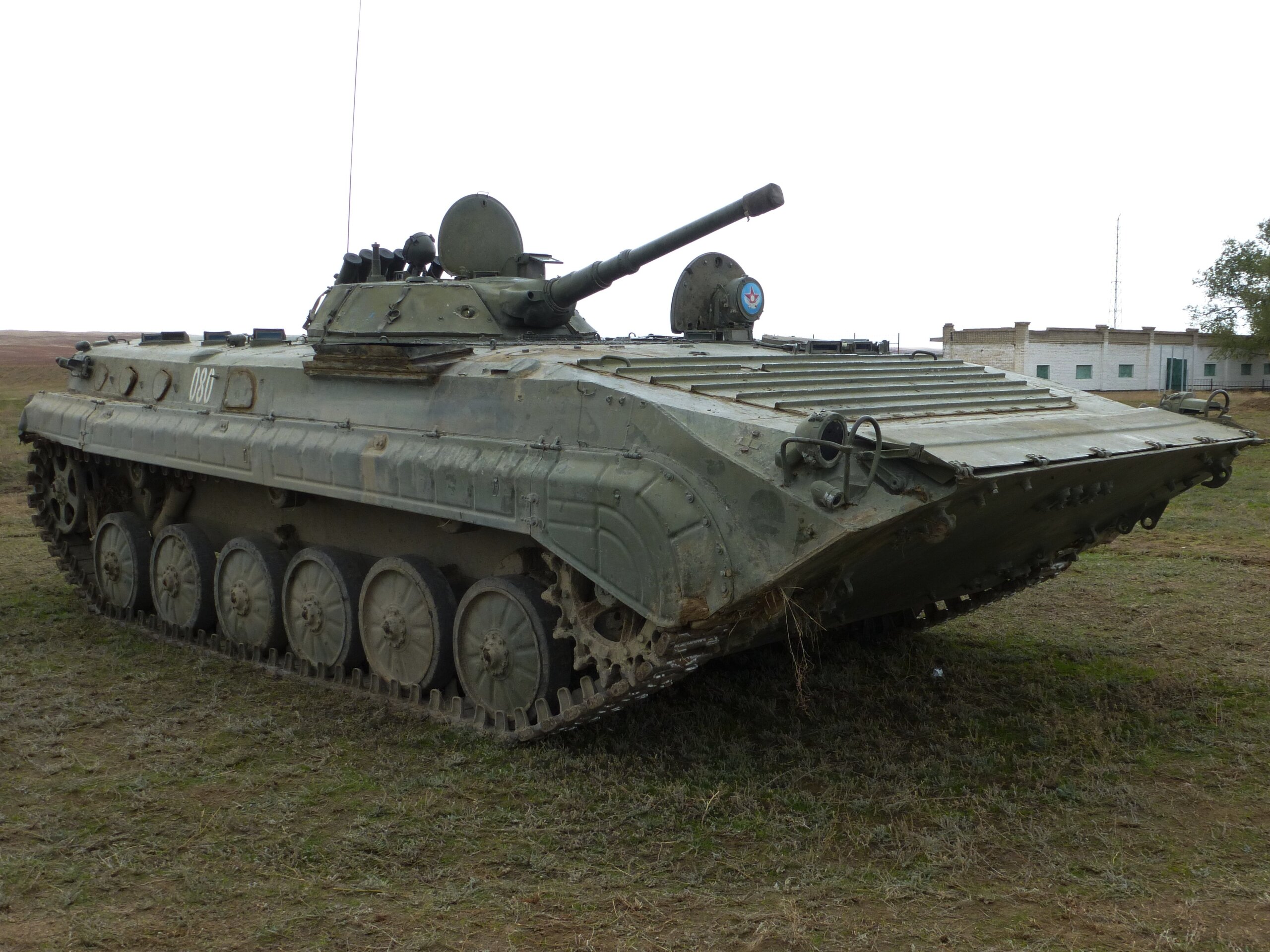
- Weapon type: IFV
- Environment where it performed well: Temperate service
- Problematic environment: Arctic
- Environmental stress factor: Cold
- Performance issue Exposed: Control stiffness
- Root cause of the problem: Hydraulic behavior
- Operational impact: Slower reaction
BMP-1 units deployed in arctic regions experienced stiff controls and delayed response. Extreme cold exposed hydraulic and mechanical limits, requiring winter-specific procedures to maintain readiness.
Optical Gun Sights
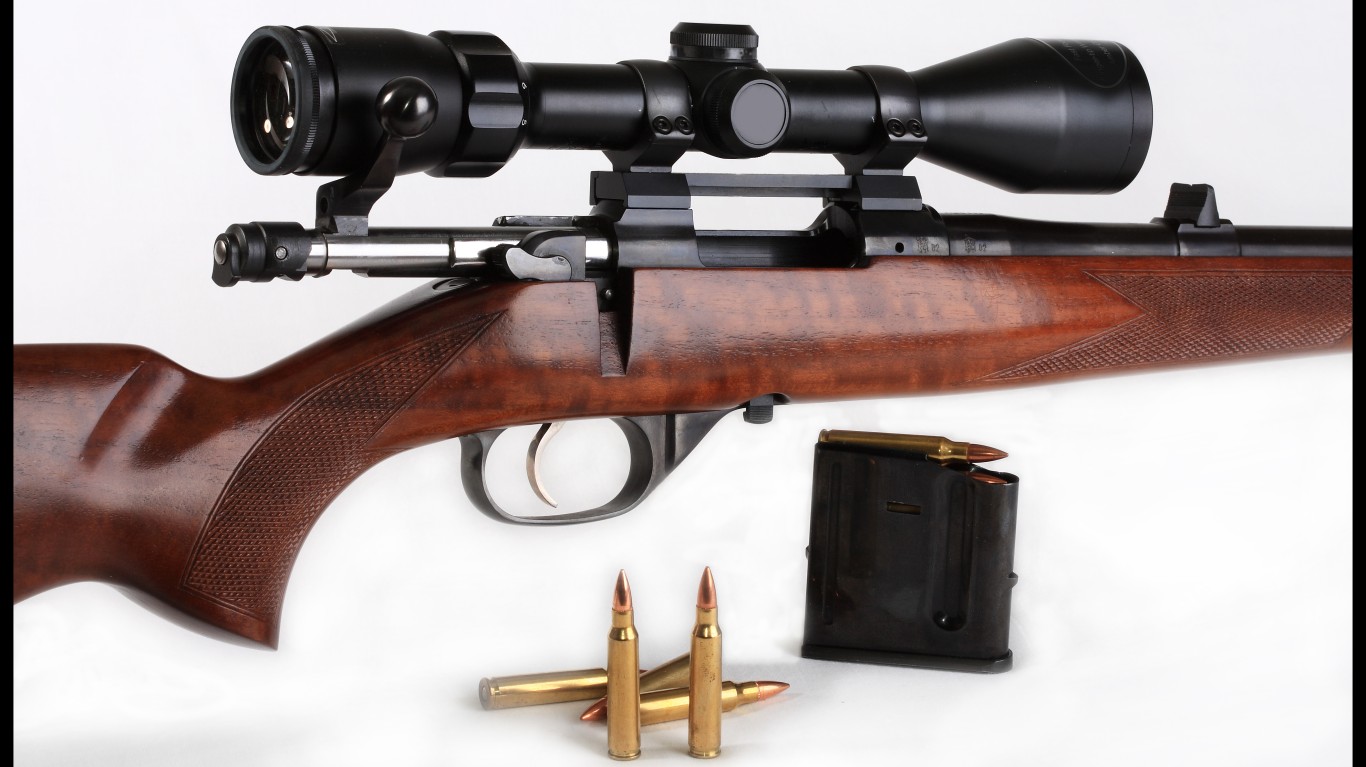
- Weapon type: Optics
- Environment where it performed well: Temperate climates
- Problematic environment: Desert
- Environmental stress factor: Heat, dust
- Performance issue Exposed: Clarity loss
- Root cause of the problem: Seal degradation
- Operational impact: Reduced accuracy
Standard optical gun sights performed well in moderate climates, but desert heat and dust degraded clarity. Environmental stress revealed sealing and durability limits rather than optical design flaws.
Contact [email protected] for any questions or corrections.
Chris Lange is a financial and geopolitical writer with more than a decade of experience covering a myriad of topics. He has published thousands of articles for 24/7 Wall St., with past coverage focused heavily on stocks, IPOs, healthcare, defense, global affairs, and technology.
His work has been quoted, or referenced by a number of outlets including Business Insider, USA Today, Yahoo Finance, MSN, The Motley Fool, and many other publications. A graduate of Southwestern University, he studied business with a focus on investments and has previous experience in banking and startups.
When not reading or writing the news, he is following his passion for Lacrosse, playing chess, or building solar projects with his dad.