The Most Influential Handguns in American Combat History
From the revolvers carried by cavalry in the nineteenth century to the modular pistols used by today’s service members, the American combat handgun has evolved alongside the nation’s military. Each generation of sidearms reflects the needs of the soldiers who…


From the revolvers carried by cavalry in the nineteenth century to the modular pistols used by today’s service members, the American combat handgun has evolved alongside the nation’s military. Each generation of sidearms reflects the needs of the soldiers who carried them and the conflicts they fought in. A handful of these pistols stand out for the influence they had on how the U.S. military equipped and used its sidearms. Here, 24/7 Wall St. is taking a closer look at the history of American sidearms.
To determine the most influential handguns used by American Forces, 24/7 Wall St. reviewed various historical and military sources. We ordered these handguns chronologically. We included supplemental information for each regarding the country of origin, manufacturer, type, standard caliber, as well as its legacy.
Here is a look at the most influential handguns in American combat history:
Why Are We Covering This?
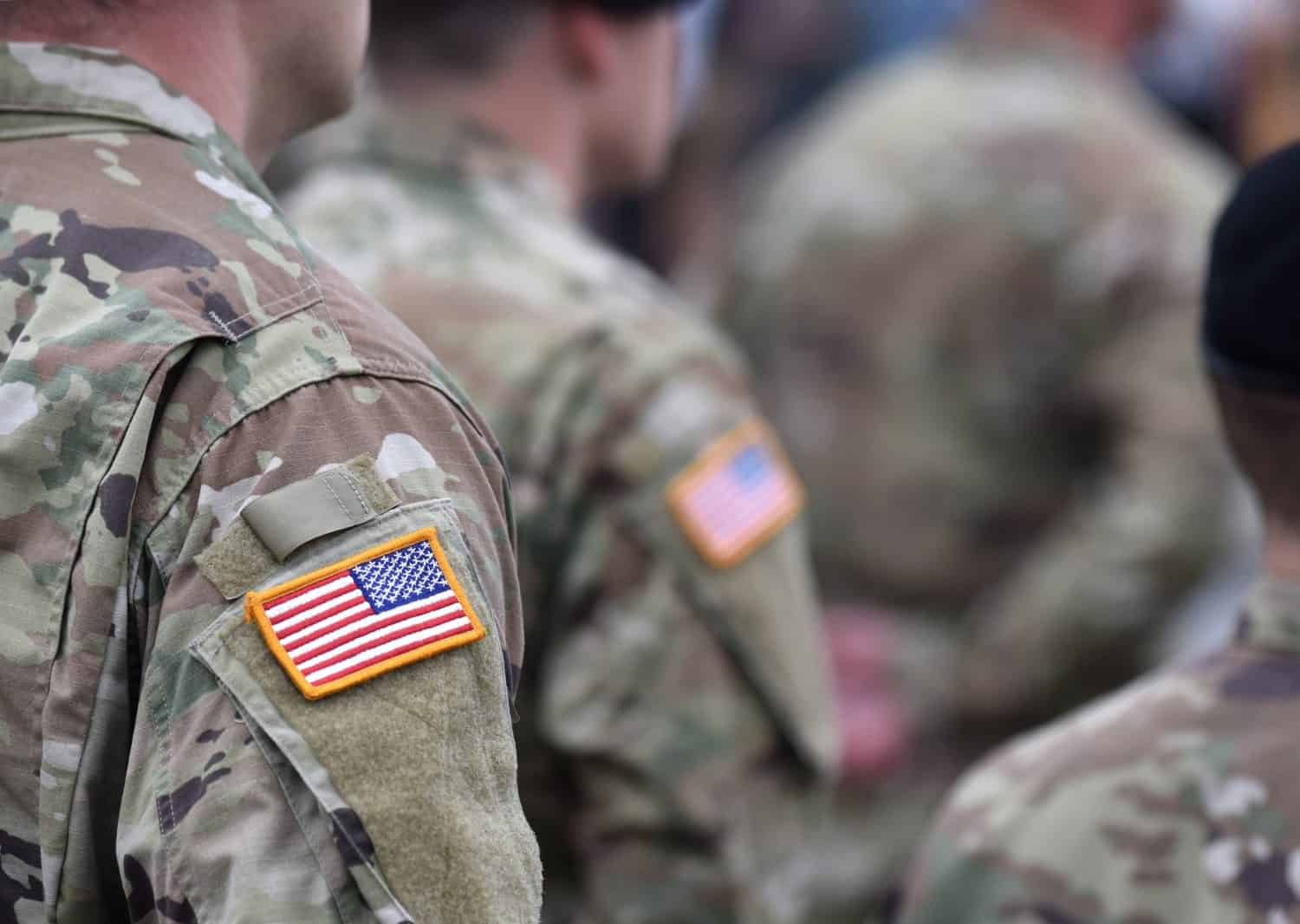
Understanding American combat history means looking beyond the primary weapons that dominate the battlefield. Handguns have long served as the sidearm of choice for officers, pilots, vehicle crews, and specialized units operating in unpredictable situations. Across more than a century of conflicts, certain pistols stood out for their reliability, influence on military doctrine, or lasting impact on firearm design. By examining these handguns, it becomes easier to see how even secondary weapons helped shape the experience of American troops and the evolution of U.S. military equipment.
The Sidearm’s Quiet Role in War
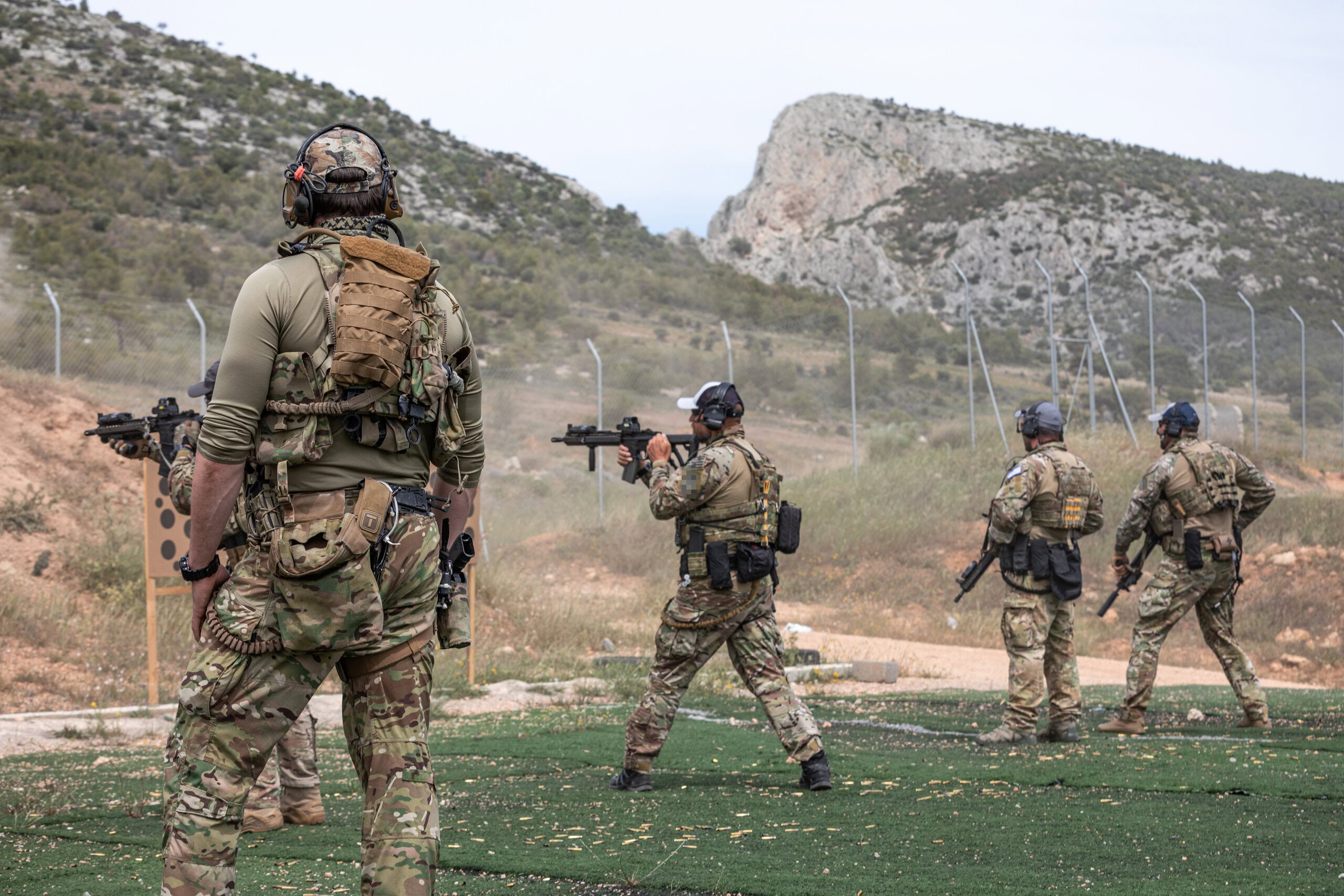
Rifles, tanks, and aircraft usually dominate the story of American warfare, but handguns have long played a critical supporting role on the battlefield. Carried by officers, pilots, vehicle crews, and special operations forces, these sidearms were often the last line of defense when larger weapons were unavailable. Over time, certain pistols proved influential far beyond their size.
When a Backup Weapon Becomes Essential
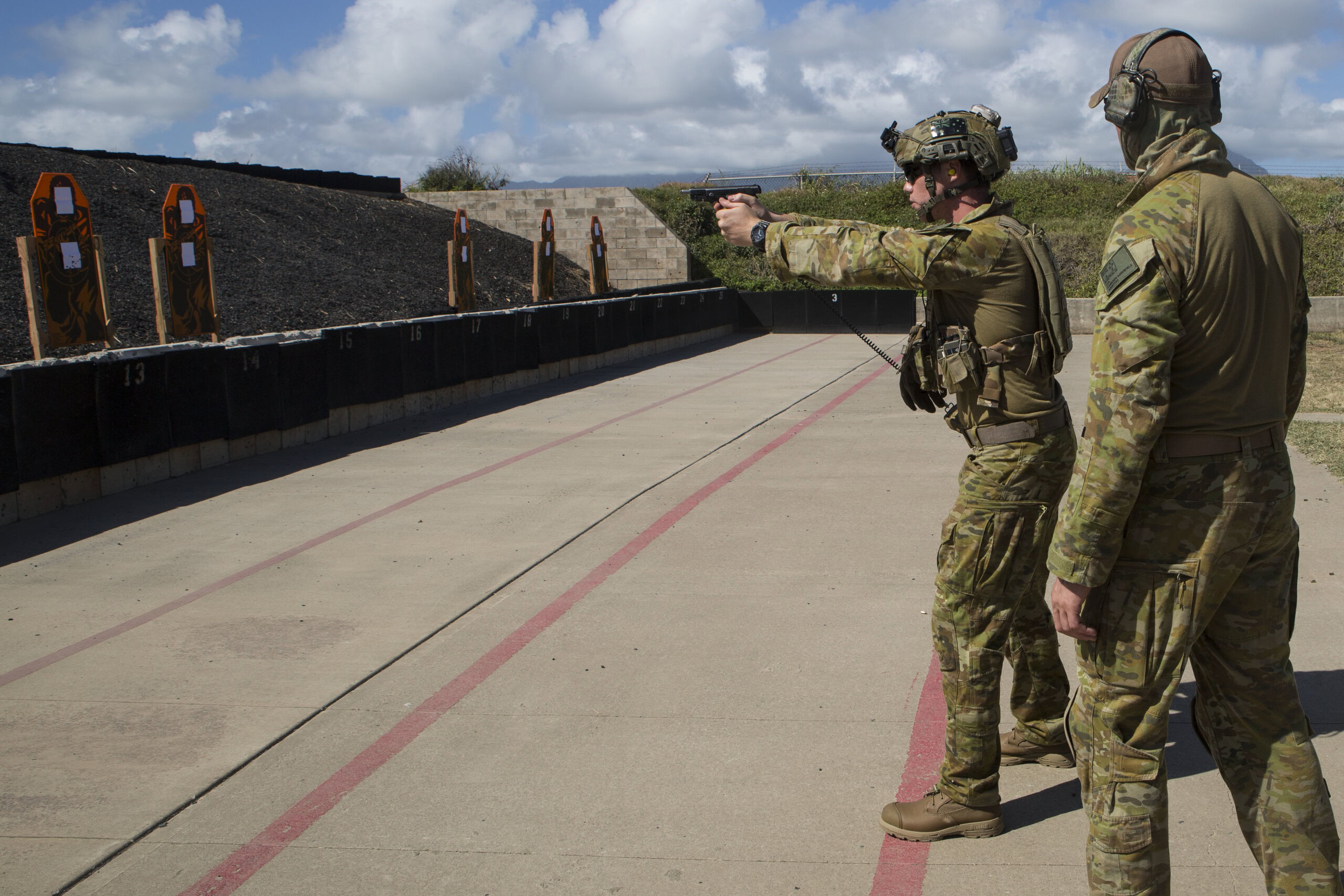
In combat, situations change quickly. Weapons jam, ammunition runs dry, and fighting can shift into close quarters with little warning. In those moments, a reliable sidearm becomes more than a backup—it becomes a lifeline. American troops across multiple wars have relied on handguns during some of the most unpredictable situations on the battlefield.
A Century of Changing Designs
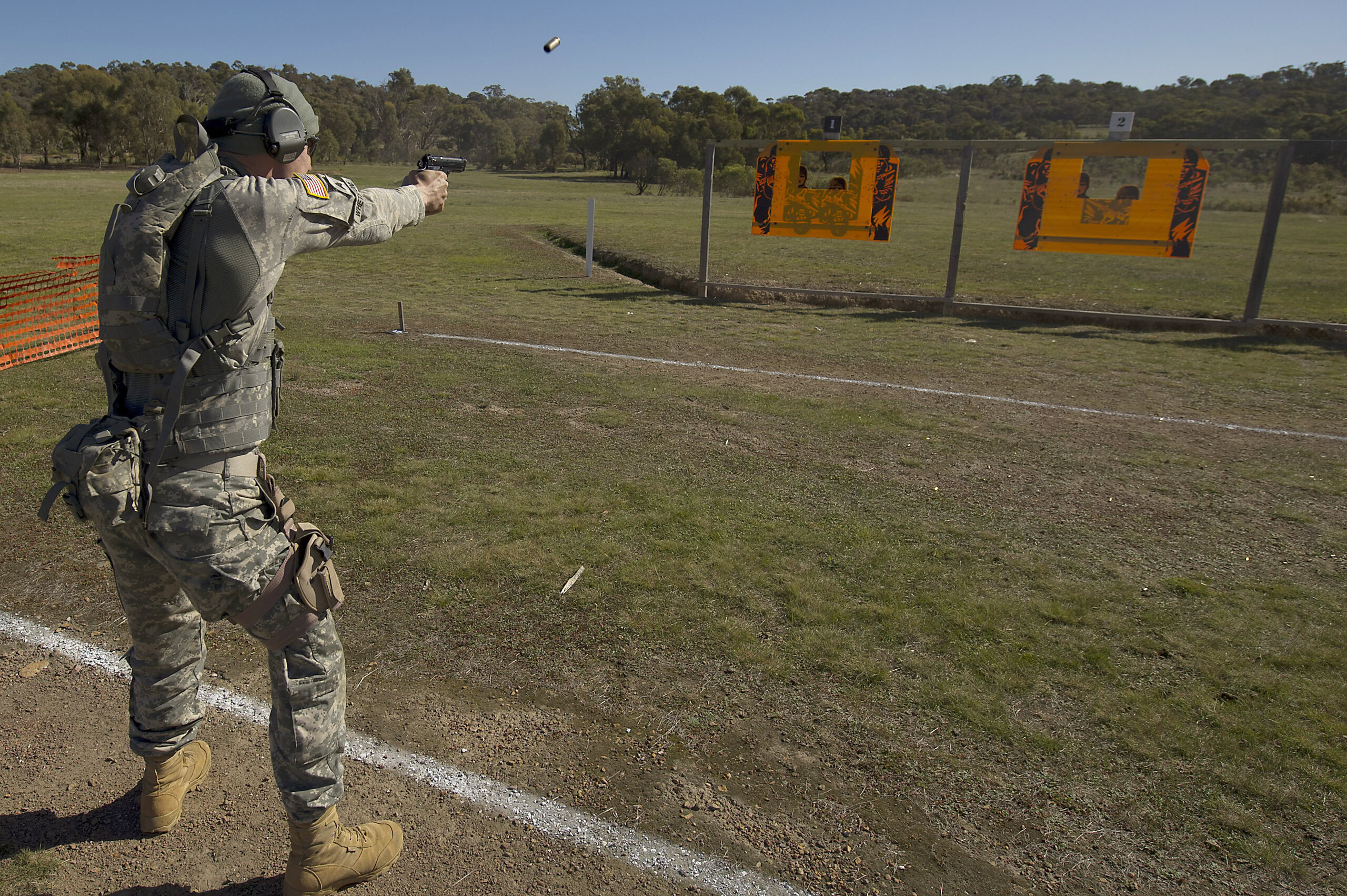
From early cavalry revolvers to modern modular pistols, American combat handguns reflect more than a century of technological change. Advances in reliability, magazine capacity, ergonomics, and ammunition gradually reshaped what soldiers expected from a sidearm. Each generation of pistols built on lessons learned in previous conflicts.
Different Wars, Different Needs
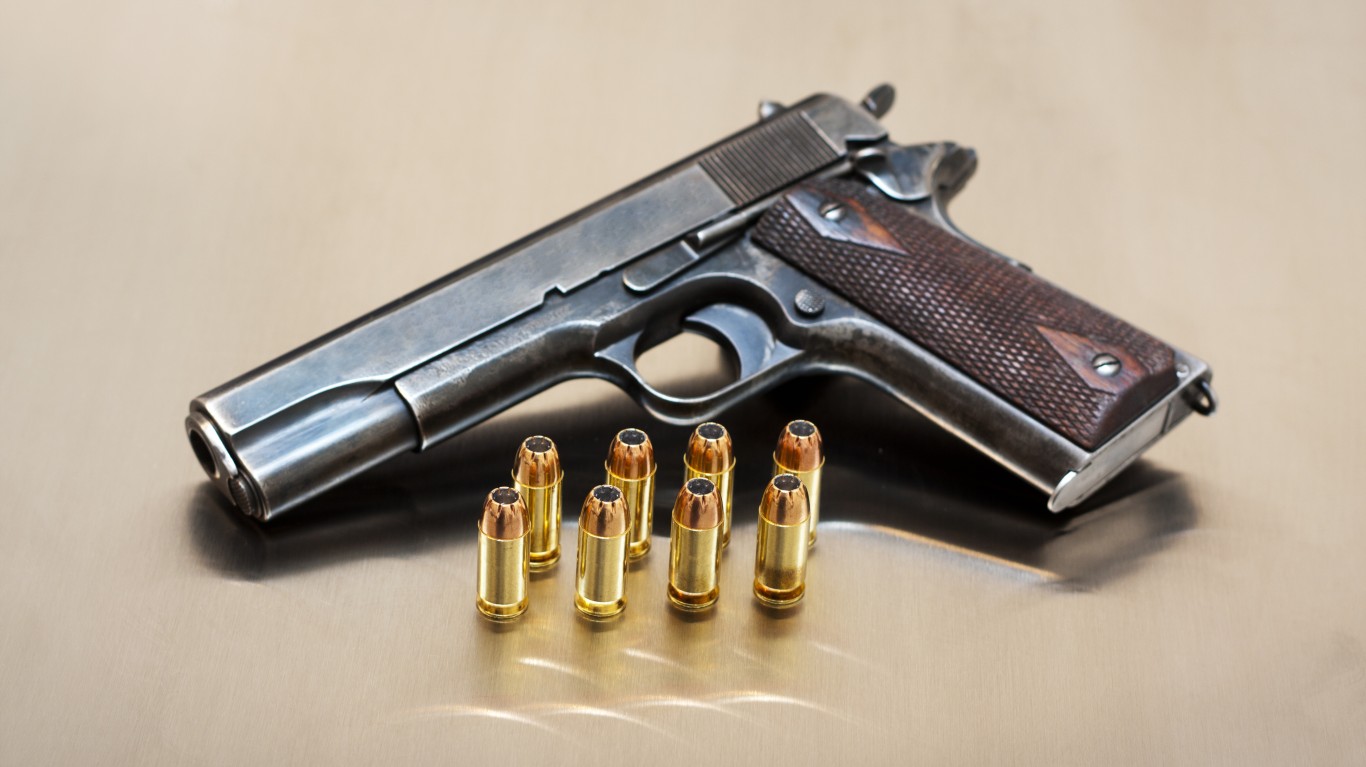
The sidearm carried during the Civil War was very different from the pistol issued to troops in Iraq or Afghanistan. As warfare evolved, so did the requirements placed on handguns. Some needed raw stopping power, others prioritized capacity or compatibility with modern equipment. These shifting needs drove the evolution of American military sidearms.
The Pistols That Shaped U.S. Combat History
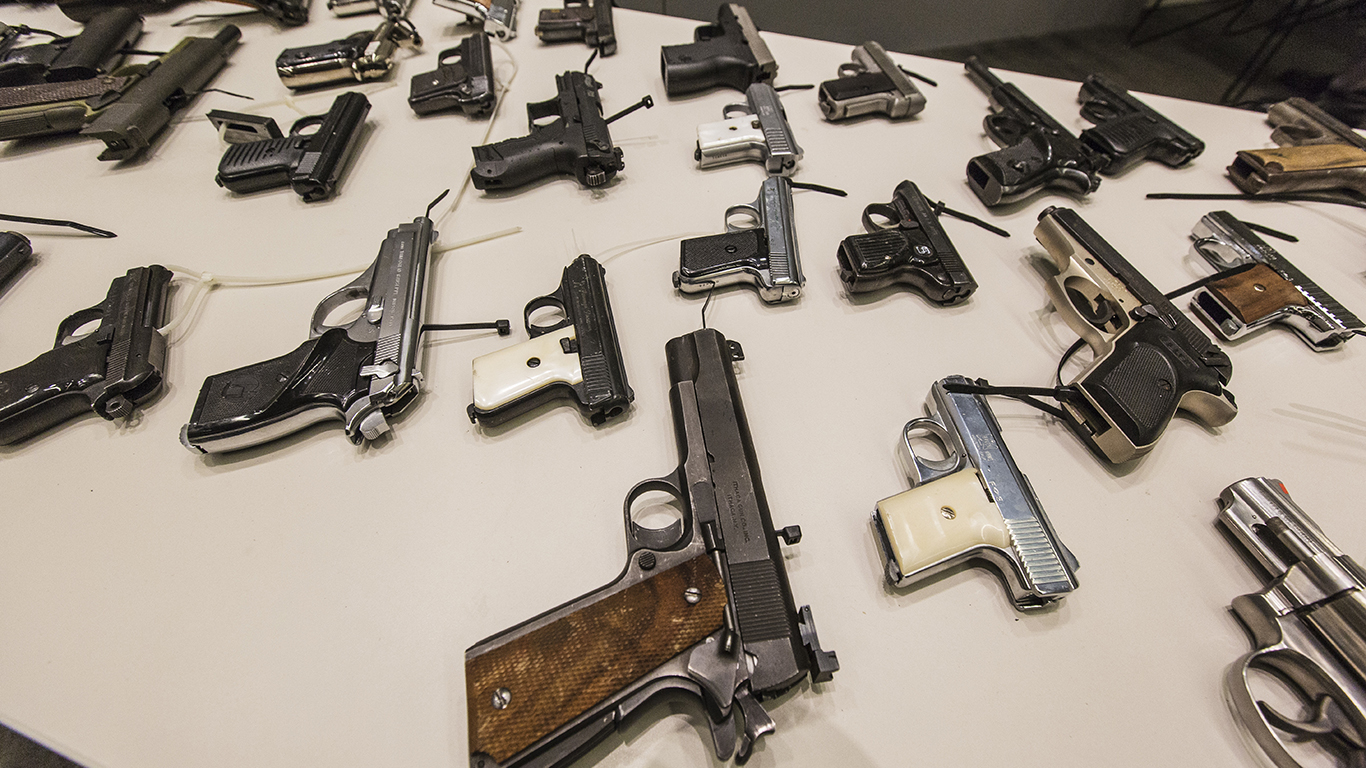
The handguns in this list represent turning points in how American forces approached sidearms. Some introduced new calibers, others influenced doctrine, and a few became iconic symbols of entire eras of military service. Together, they tell the story of how the U.S. military’s relationship with the handgun developed across generations of conflict.
Colt Walker
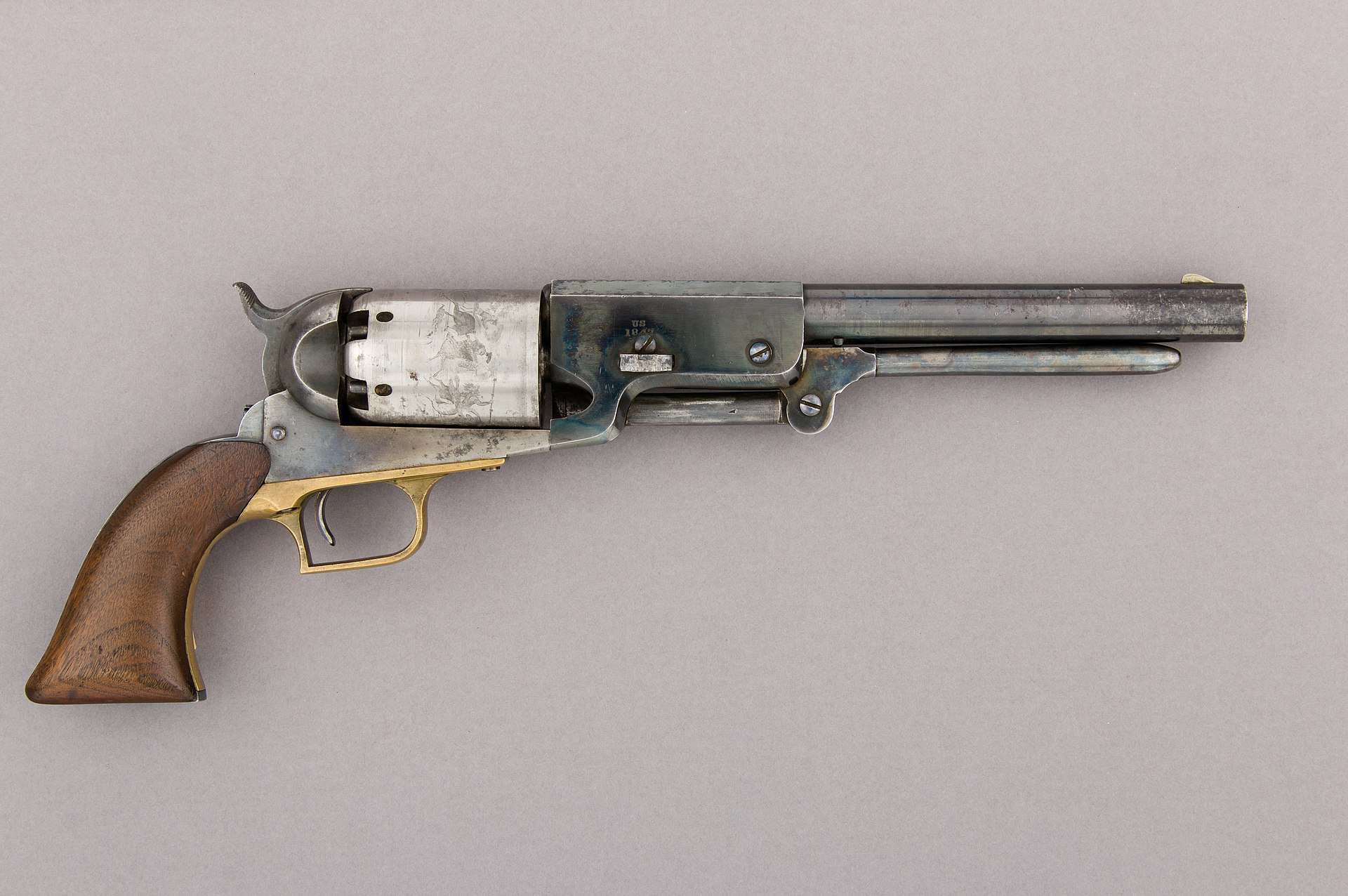
- Country of origin: USA
- Manufacturer: Colt
- Year introduced to service: 1847
- Type: Revolver
- Standard caliber: 0.44
- Era of use: Mexican–American War era
- Why it mattered in combat: Massive stopping power
- Legacy or innovation: Early powerful U.S. military revolver
The Colt Walker represented one of the first truly powerful sidearms issued to American mounted troops. Built for mounted combat during the Mexican–American War era, it delivered immense firepower for its time. Its size and recoil were extreme, but it demonstrated how revolvers could dramatically increase a soldier’s close‑range effectiveness and helped establish the handgun as a practical battlefield backup weapon.
Colt Dragoon
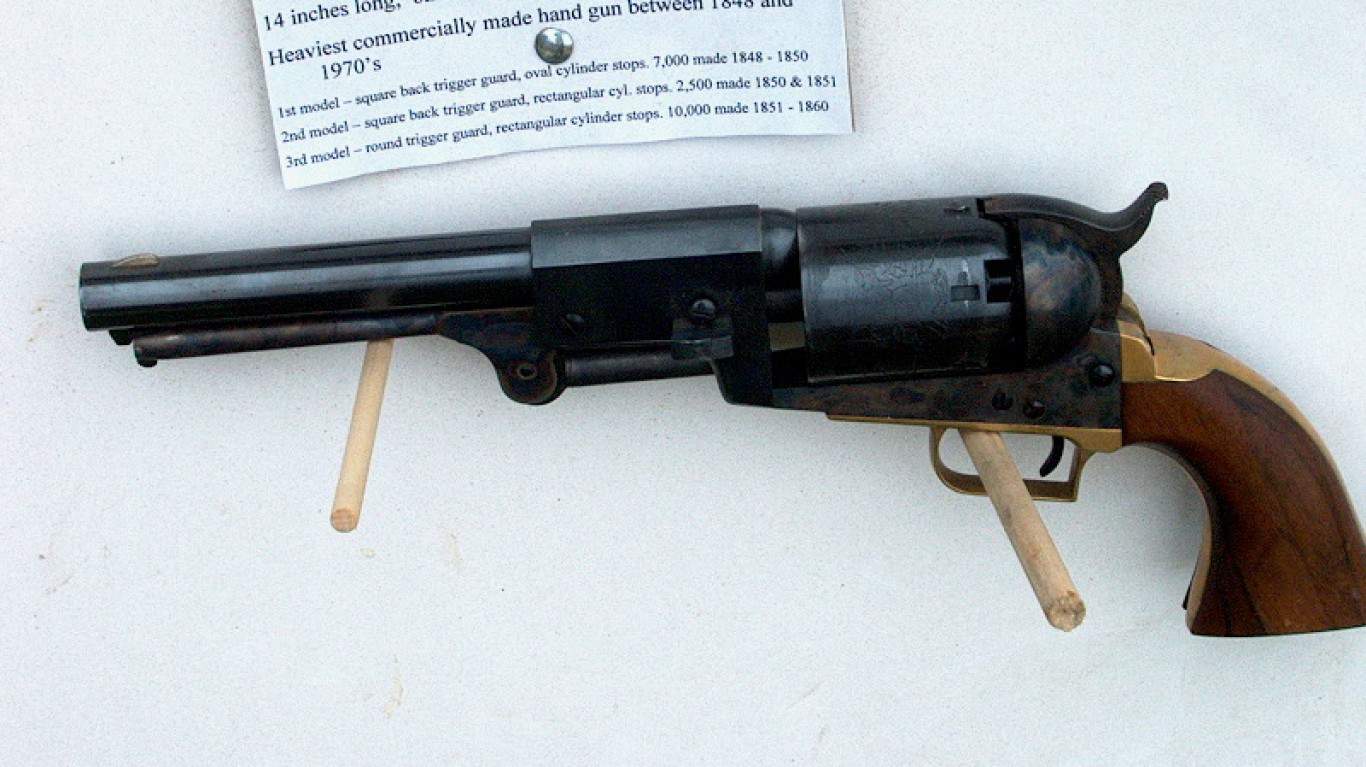
- Country of origin: USA
- Manufacturer: Colt
- Year introduced to service: 1848
- Type: Revolver
- Standard caliber: 0.44
- Era of use: Frontier / pre–Civil War
- Why it mattered in combat: Improved durability
- Legacy or innovation: Refined mounted combat revolver
The Colt Dragoon improved on the Walker design and became a more practical revolver for cavalry service. By refining durability and handling, it helped establish the concept of a reliable military revolver for U.S. forces operating across frontier environments. Its influence carried forward into later Civil War sidearms and cemented Colt’s role in shaping early American combat handguns.
Remington New Model Army
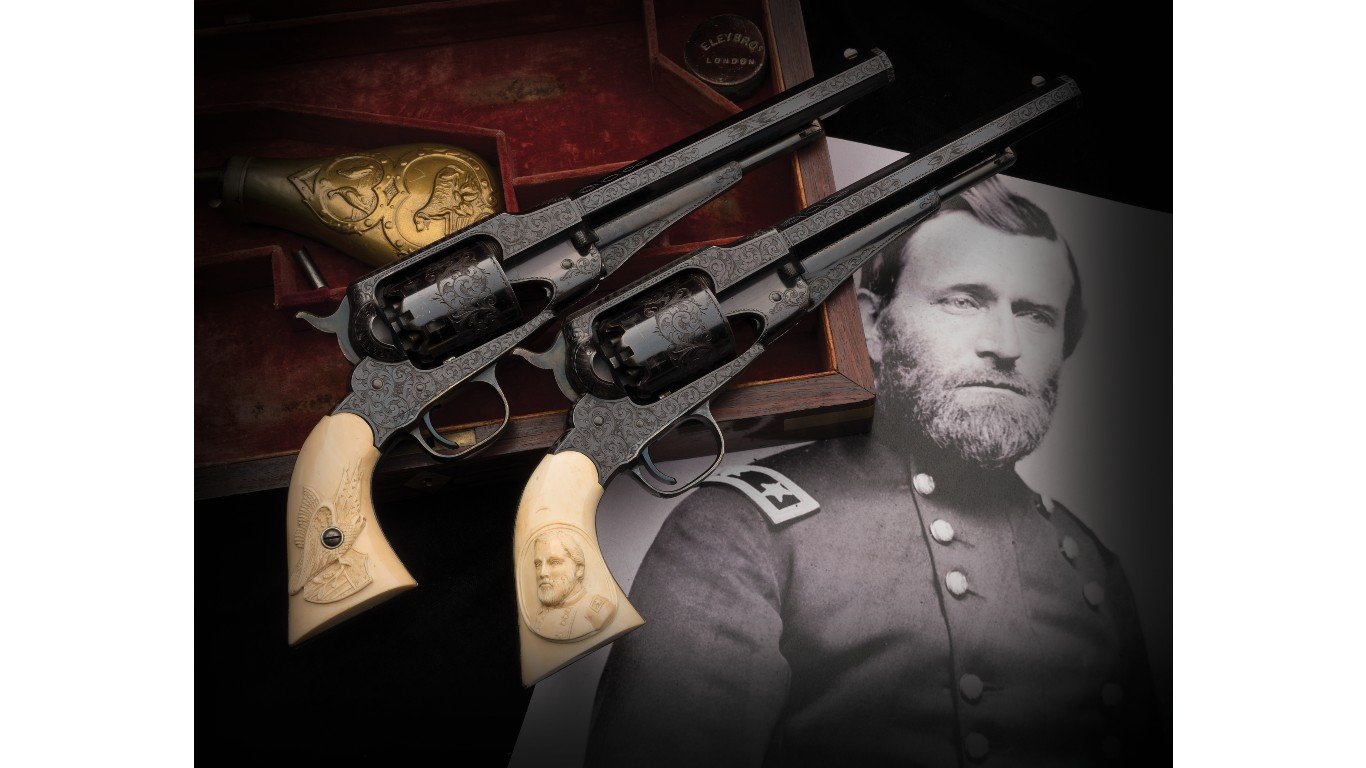
- Country of origin: USA
- Manufacturer: Remington
- Year introduced to service: 1858
- Type: Revolver
- Standard caliber: 0.44
- Era of use: American Civil War
- Why it mattered in combat: Durability in field
- Legacy or innovation: Solid-frame revolver design
The Remington New Model Army earned a reputation for rugged reliability during the Civil War. Its solid‑frame construction made it stronger than many competing revolvers, an advantage soldiers valued in harsh campaign conditions. Because of this durability, it became one of the most trusted sidearms of the era and demonstrated the importance of robust handgun design in military service.
Colt 1860 Army

- Country of origin: USA
- Manufacturer: Colt
- Year introduced to service: 1860
- Type: Revolver
- Standard caliber: 0.44
- Era of use: American Civil War
- Why it mattered in combat: Widely issued sidearm
- Legacy or innovation: Standard Union cavalry revolver
The Colt 1860 Army became one of the most recognizable handguns of the Civil War. Issued widely to Union cavalry and officers, it balanced power, weight, and reliability in a way earlier revolvers struggled to achieve. Its widespread battlefield use helped standardize the revolver as a key sidearm for American troops during one of the nation’s defining conflicts.
Colt Single Action Army
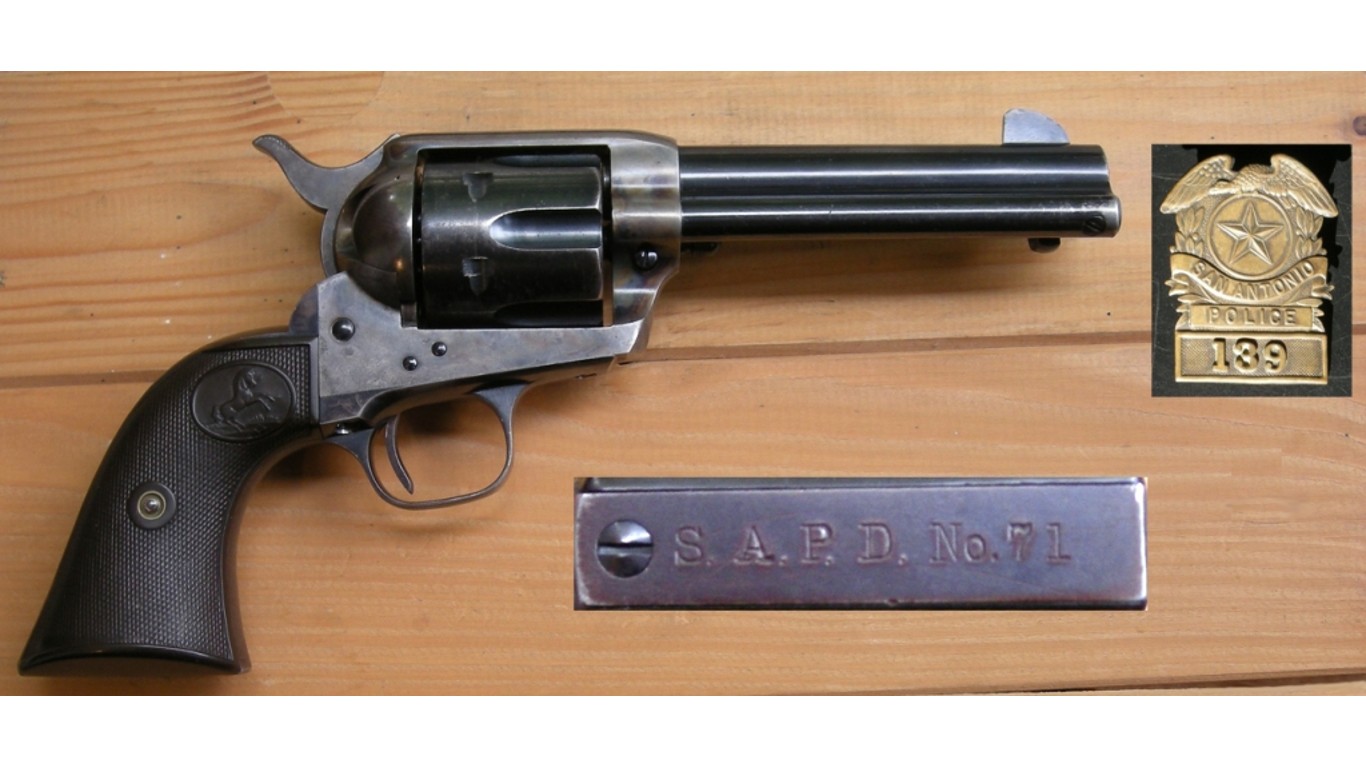
- Country of origin: USA
- Manufacturer: Colt
- Year introduced to service: 1873
- Type: Revolver
- Standard caliber: .45 Colt
- Era of use: Indian Wars / Frontier
- Why it mattered in combat: Rugged reliability
- Legacy or innovation: Iconic U.S. service revolver
The Colt Single Action Army became synonymous with U.S. military service on the frontier. Adopted during the post–Civil War period, it was carried by soldiers during the Indian Wars and beyond. Its simple mechanism, powerful cartridge, and durability made it a lasting symbol of American military sidearms and influenced revolver design for generations.
Colt M1892
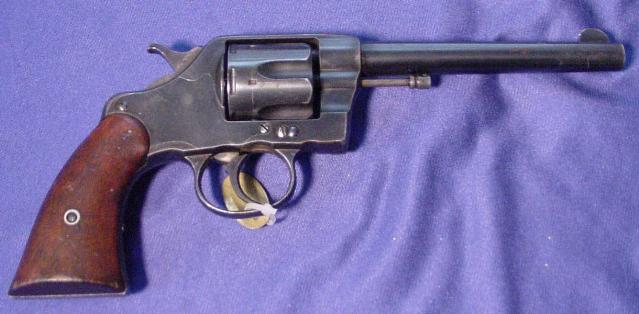
- Country of origin: USA
- Manufacturer: Colt
- Year introduced to service: 1892
- Type: Revolver
- Standard caliber: .38 Long Colt
- Era of use: Spanish–American War
- Why it mattered in combat: Swing-out cylinder design
- Legacy or innovation: Modernized military revolver
The Colt M1892 marked a transition toward more modern military revolvers with its swing‑out cylinder and faster reloading capability. Adopted during a time when the U.S. Army was modernizing its equipment, it showed how handgun technology was evolving alongside changing battlefield needs. Even though its caliber proved controversial, it pushed American sidearm design forward.
S&W Model 10
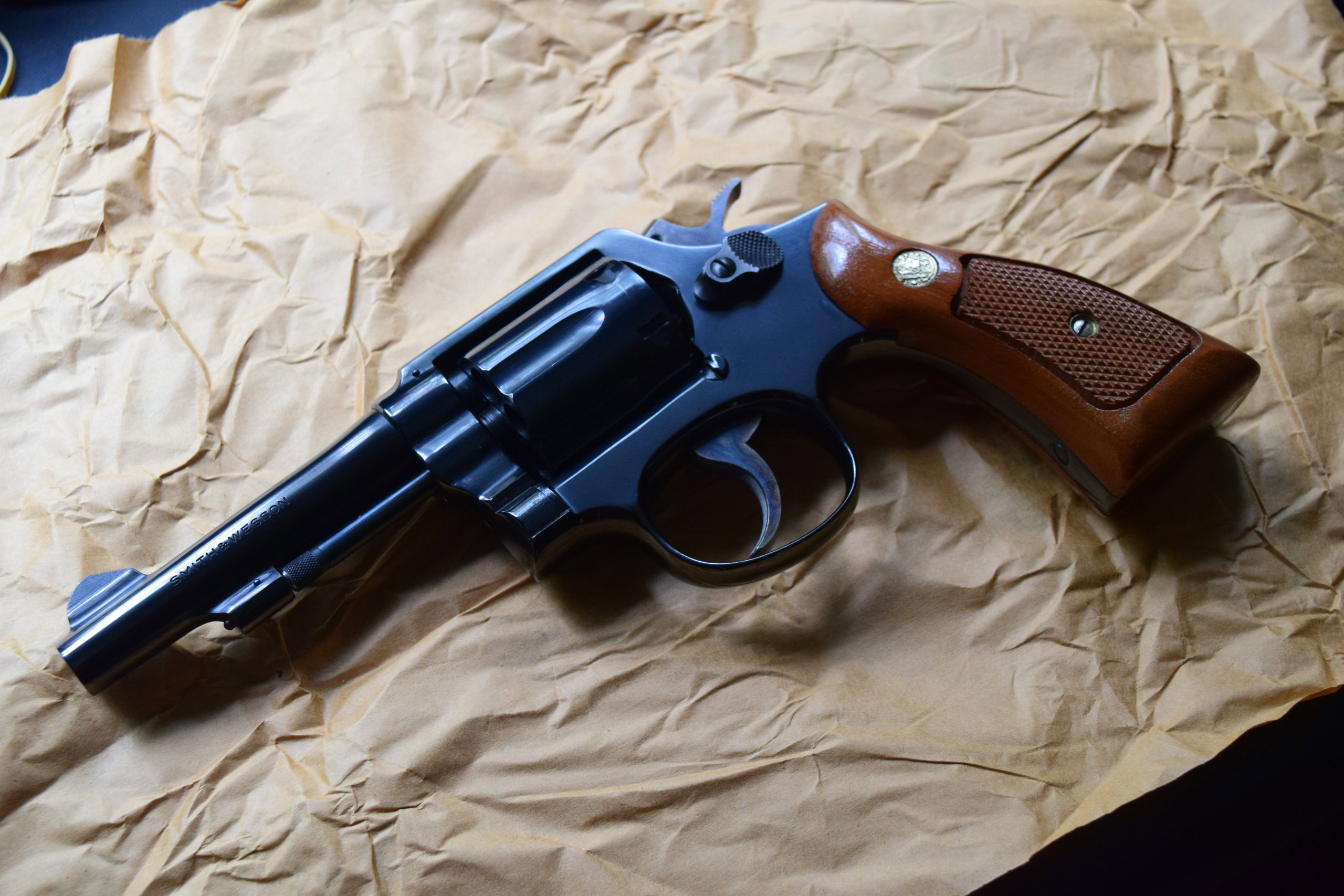
- Country of origin: USA
- Manufacturer: Smith & Wesson
- Year introduced to service: 1899
- Type: Revolver
- Standard caliber: .38 Special
- Era of use: WWII / Cold War
- Why it mattered in combat: Police and military use
- Legacy or innovation: One of the most produced revolvers
The Smith & Wesson Model 10 became one of the most widely produced revolvers in history and saw use among military personnel and law enforcement. During wartime mobilization, its familiarity and reliability made it a practical sidearm for various roles. Its long service life reflects how dependable revolver designs remained relevant even as semi‑automatic pistols emerged.
Colt M1909
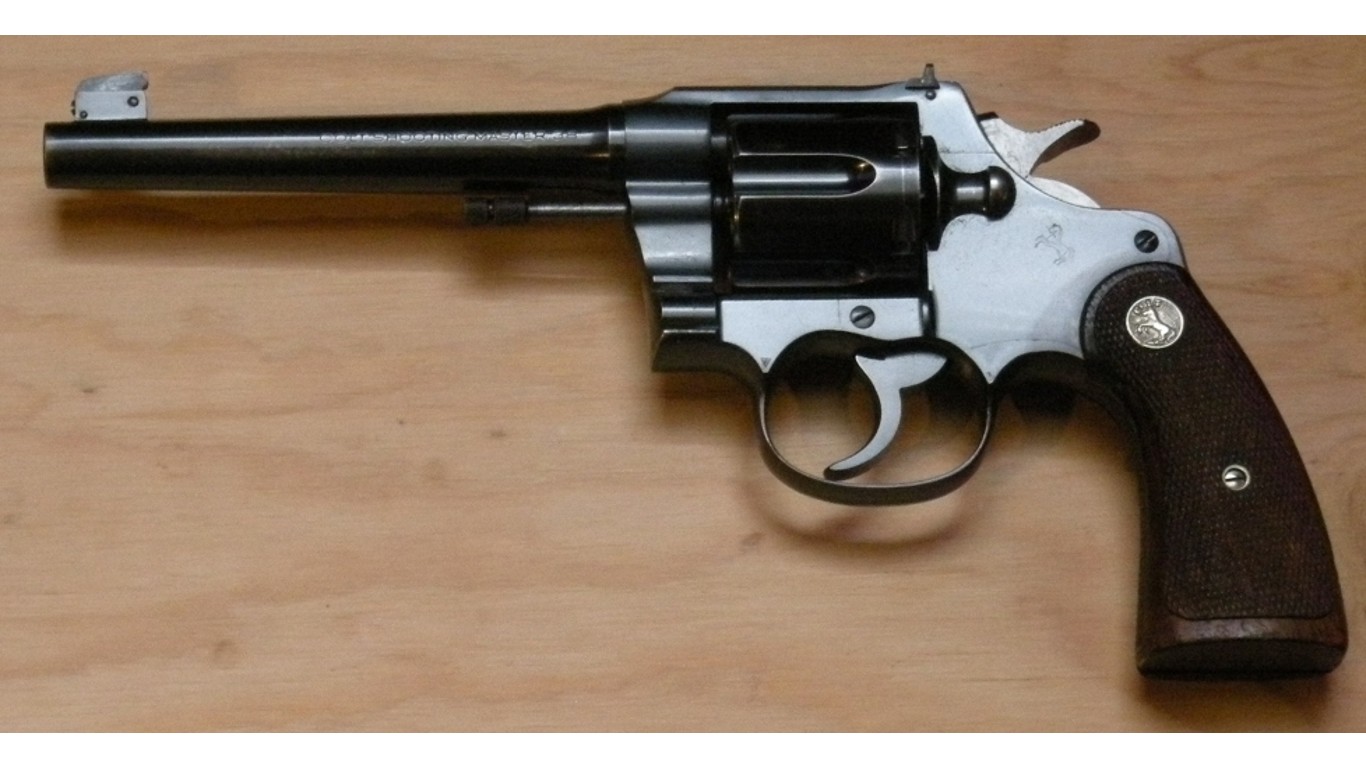
- Country of origin: USA
- Manufacturer: Colt
- Year introduced to service: 1909
- Type: Revolver
- Standard caliber: .45 Colt
- Era of use: Philippine–American War aftermath
- Why it mattered in combat: Greater stopping power
- Legacy or innovation: Return to larger calibers
The Colt M1909 reflected lessons learned from earlier conflicts where smaller calibers proved insufficient in combat. By returning to a more powerful cartridge, the U.S. military acknowledged the importance of stopping power in close encounters. The revolver served as an important bridge between older military sidearms and the semi‑automatic pistols that soon replaced them.
Colt M1911
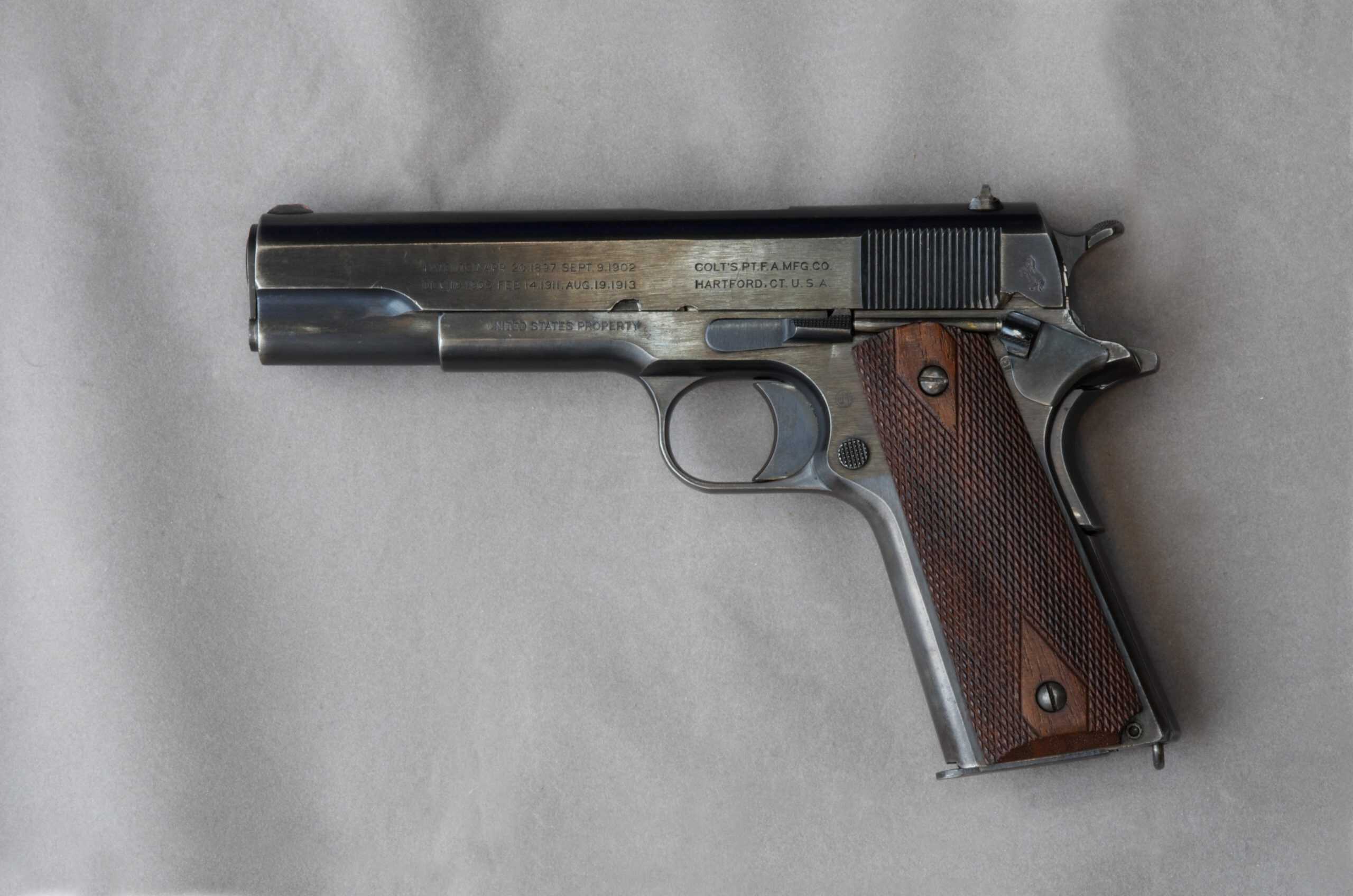
- Country of origin: USA
- Manufacturer: Colt
- Year introduced to service: 1911
- Type: Semi-auto
- Standard caliber: .45 ACP
- Era of use: World War I / WWII
- Why it mattered in combat: Stopping power and reliability
- Legacy or innovation: Set standard for U.S. service pistols
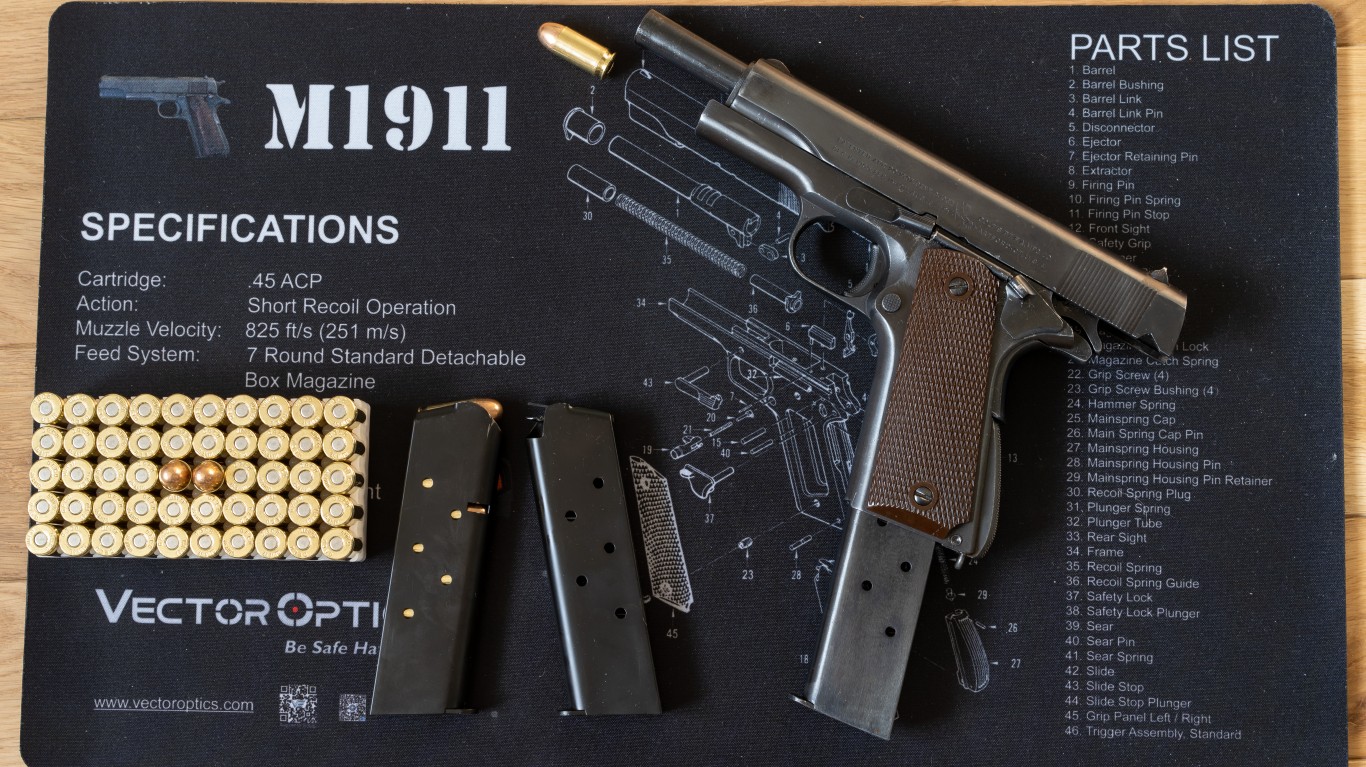
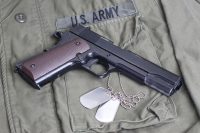
The Colt M1911 became one of the most influential handguns ever adopted by the U.S. military. Chambered in .45 ACP and praised for reliability, it served through multiple wars and earned the trust of generations of American service members. Its design set a benchmark for combat pistols and shaped military sidearm expectations for more than a century.
Colt Woodsman
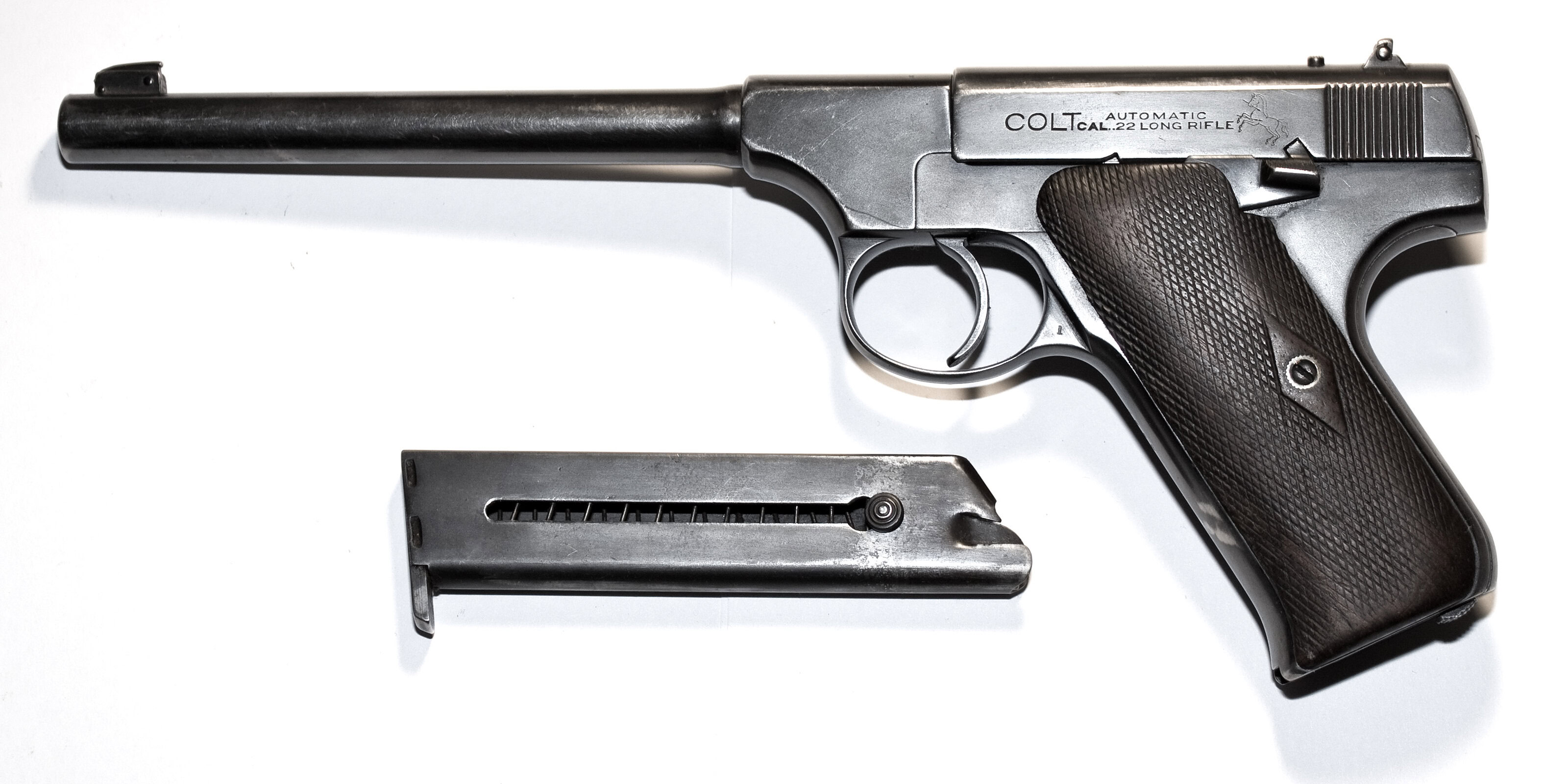
- Country of origin: USA
- Manufacturer: Colt
- Year introduced to service: 1915
- Type: Semi-auto
- Standard caliber: .22 LR
- Era of use: WWII training
- Why it mattered in combat: Training utility
- Legacy or innovation: Used for specialized instruction
Although not a traditional combat pistol, the Colt Woodsman played a role in preparing American troops for wartime service. Used in training programs, it helped soldiers develop marksmanship skills before deploying overseas. Its inclusion in military instruction reflects how even non‑combat pistols contributed to the broader effectiveness of U.S. forces during the war.
M1911A1
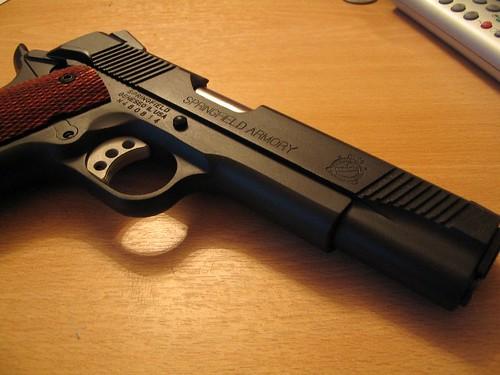
- Country of origin: USA
- Manufacturer: Colt / various
- Year introduced to service: 1924
- Type: Semi-auto
- Standard caliber: .45 ACP
- Era of use: WWII / Korea / Vietnam
- Why it mattered in combat: Improved ergonomics
- Legacy or innovation: Long-serving U.S. military sidearm
The M1911A1 refined the already successful M1911 with ergonomic improvements that made it easier for soldiers to handle under combat stress. It served American troops through World War II, Korea, and Vietnam, becoming one of the longest‑serving pistols in U.S. history. Its longevity reinforced the reputation of the 1911 platform as a dependable battlefield sidearm.
Browning Hi-Power

- Country of origin: Belgium
- Manufacturer: FN
- Year introduced to service: 1935
- Type: Semi-auto
- Standard caliber: 9mm
- Era of use: WWII / Cold War
- Why it mattered in combat: High capacity magazine
- Legacy or innovation: Influenced modern combat pistols
Although designed in Europe, the Browning Hi‑Power had a lasting influence on American combat pistol thinking. Its high‑capacity magazine and ergonomic design demonstrated the advantages of carrying more ammunition in a sidearm. Many later military pistols followed similar principles, making it one of the most influential handgun designs of the twentieth century.
S&W Victory Model
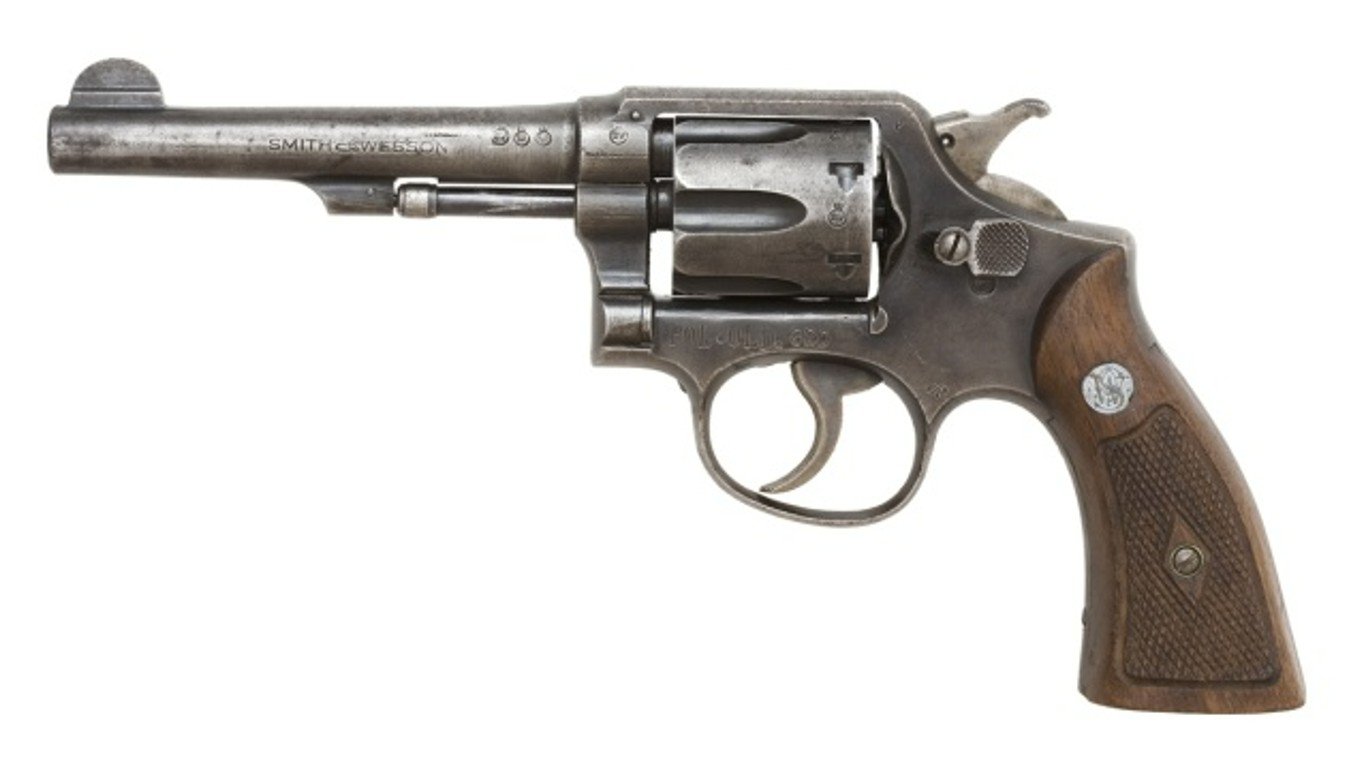
- Country of origin: USA
- Manufacturer: Smith & Wesson
- Year introduced to service: 1942
- Type: Revolver
- Standard caliber: .38 Special
- Era of use: World War II
- Why it mattered in combat: Mass wartime production
- Legacy or innovation: Allied service revolver
The Smith & Wesson Victory Model revolver was produced in enormous numbers during World War II to support Allied forces. Issued to pilots, naval crews, and other personnel, it provided a simple and dependable handgun during a period of massive mobilization. Its widespread distribution illustrates how sidearms supported a global war effort beyond the front lines.
FP-45 Liberator
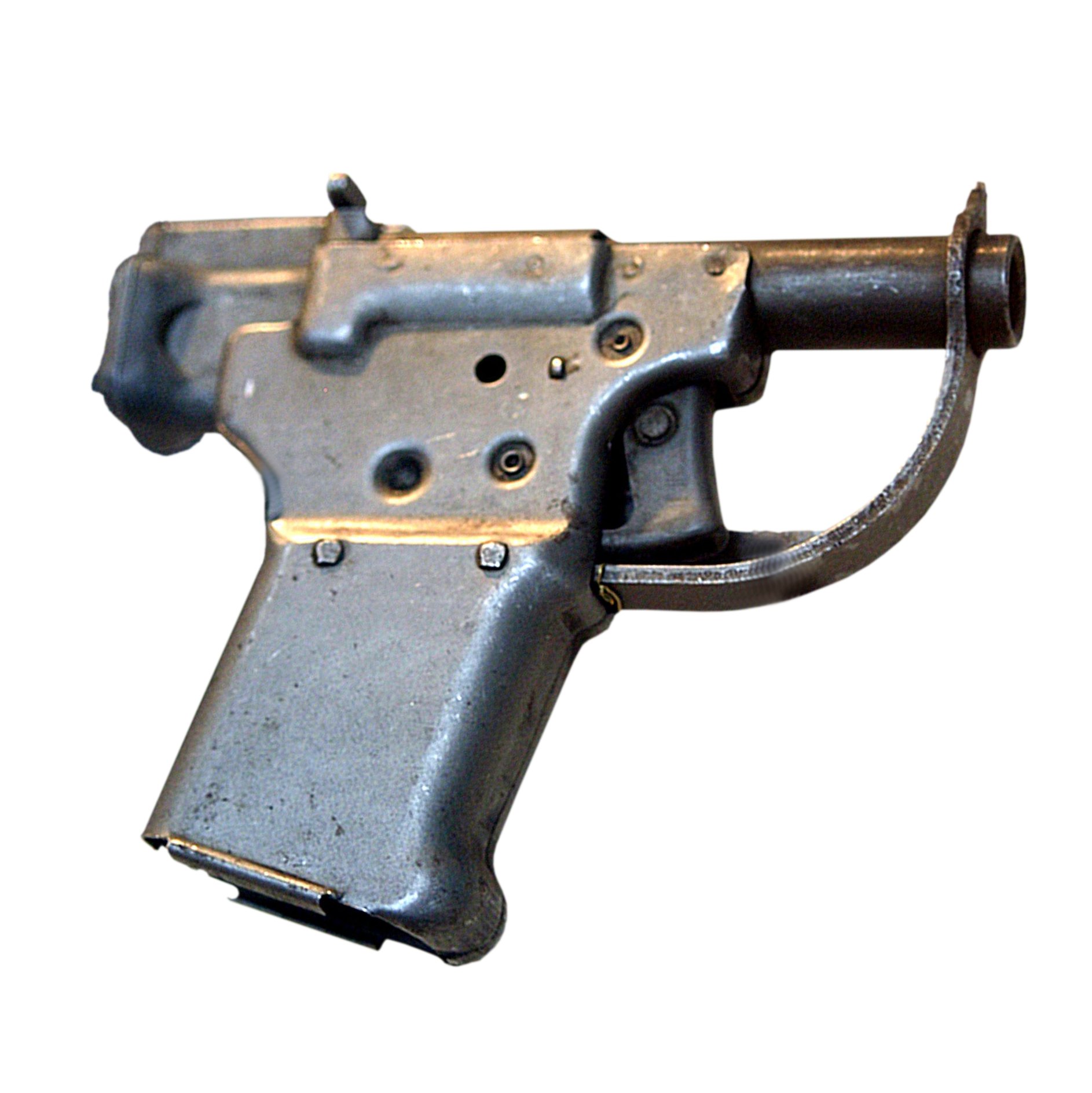
- Country of origin: USA
- Manufacturer: Guide Lamp / GM
- Year introduced to service: 1942
- Type: Single-shot
- Standard caliber: .45 ACP
- Era of use: World War II
- Why it mattered in combat: Simple resistance weapon
- Legacy or innovation: Psychological warfare tool
The FP‑45 Liberator stands out as one of the most unusual pistols produced during World War II. Designed to be cheaply manufactured and distributed to resistance fighters, it represented a psychological and strategic tool rather than a conventional sidearm. Its existence highlights how firearms could be used to support insurgency and undermine occupying forces.
High Standard HDM
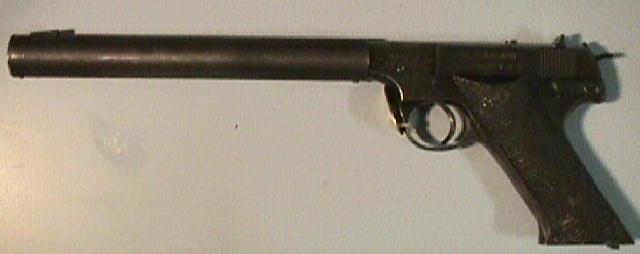
- Country of origin: USA
- Manufacturer: High Standard
- Year introduced to service: 1944
- Type: Semi-auto
- Standard caliber: .22 LR
- Era of use: WWII covert ops
- Why it mattered in combat: Suppressed capability
- Legacy or innovation: OSS special operations pistol
The High Standard HDM gained significance as a suppressed pistol used by the Office of Strategic Services during World War II. Designed for covert missions, it allowed operatives to eliminate targets quietly in espionage and resistance operations. Its role demonstrated how specialized handguns could influence unconventional warfare and intelligence activities.
Colt Commander
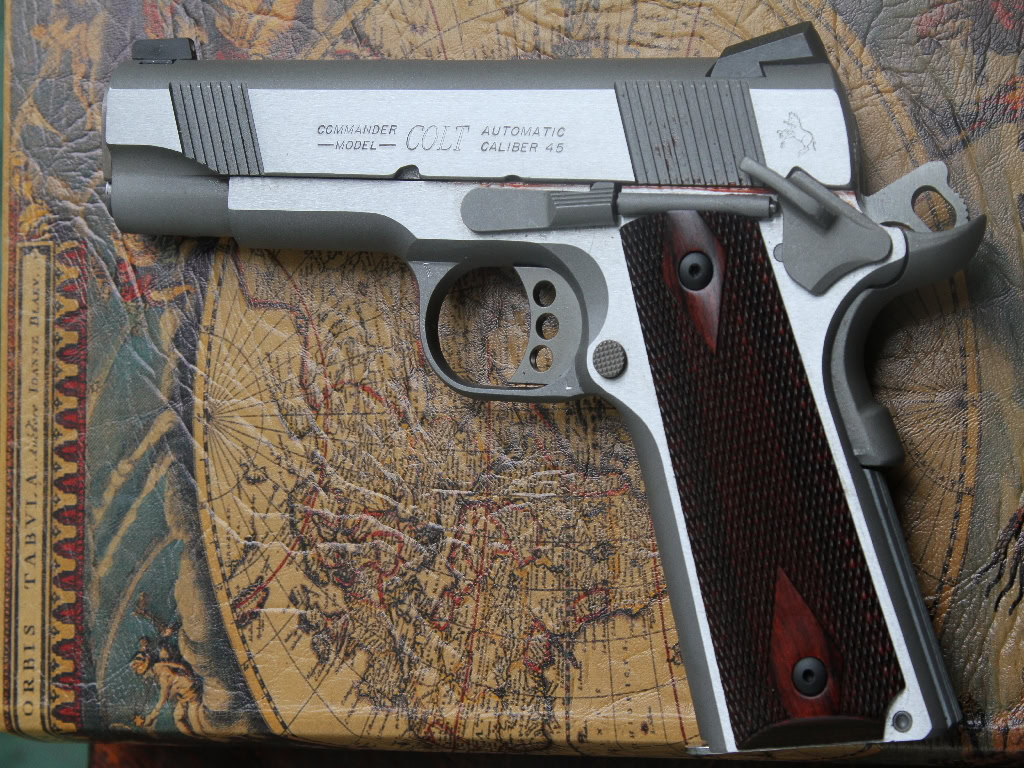
- Country of origin: USA
- Manufacturer: Colt
- Year introduced to service: 1950
- Type: Semi-auto
- Standard caliber: .45 ACP
- Era of use: Cold War
- Why it mattered in combat: Lightweight carry
- Legacy or innovation: Influenced compact service pistols
The Colt Commander introduced the concept of a lighter, more compact military sidearm while maintaining the power of the .45 ACP cartridge. Developed after World War II, it influenced how later combat pistols balanced portability with performance. The design helped shape thinking about sidearms carried by officers, pilots, and specialized troops.
S&W Model 39
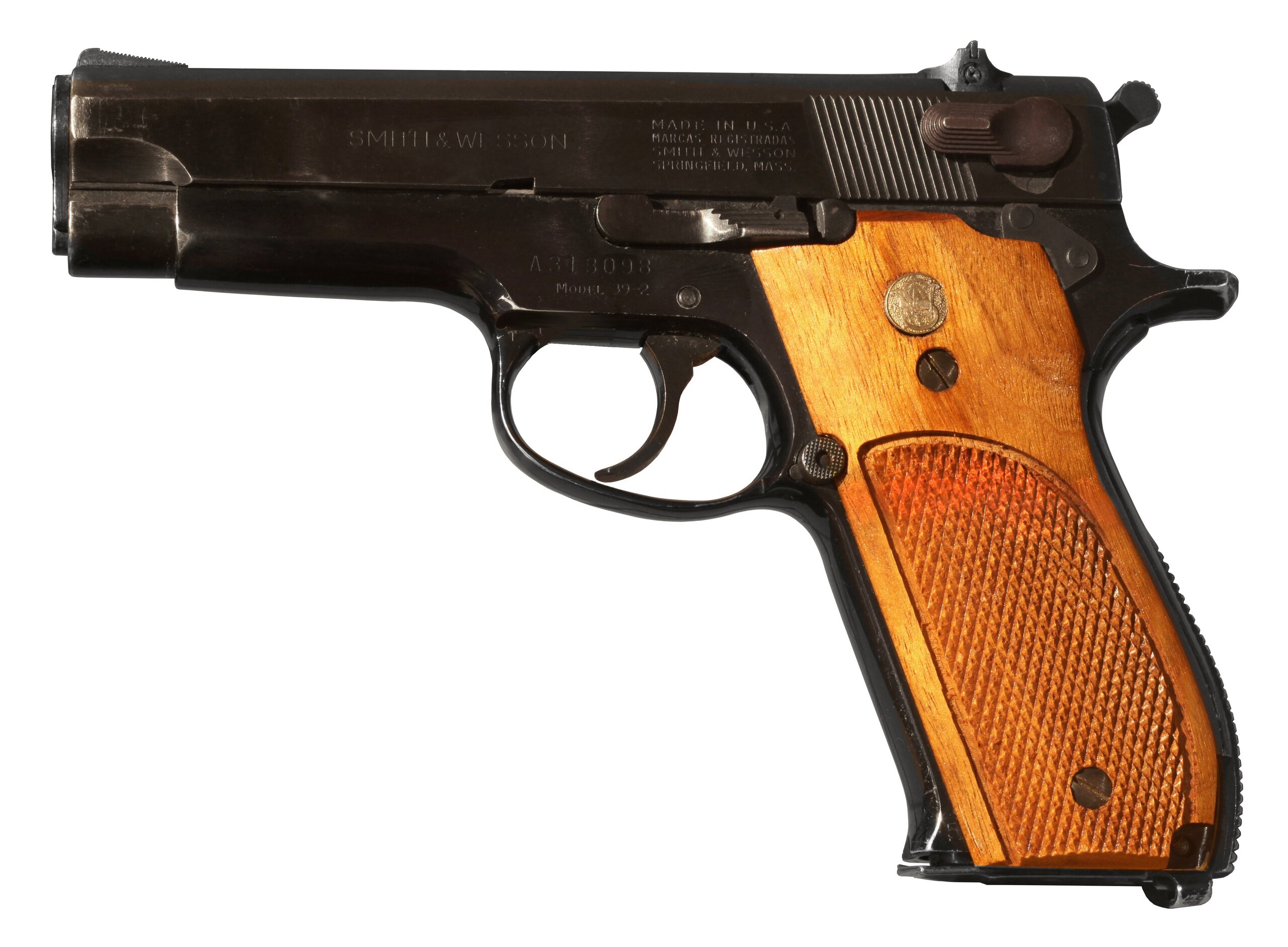
- Country of origin: USA
- Manufacturer: Smith & Wesson
- Year introduced to service: 1954
- Type: Semi-auto
- Standard caliber: 9mm
- Era of use: Cold War
- Why it mattered in combat: Double-action semi-auto
- Legacy or innovation: Early modern U.S. service pistol concept
The Smith & Wesson Model 39 represented an early American step toward modern double‑action semi‑automatic pistols. Influenced by European designs, it introduced features that would later become common in service handguns. Its development signaled the beginning of a shift away from revolvers toward higher‑capacity pistols for military and law enforcement use.
Beretta M9
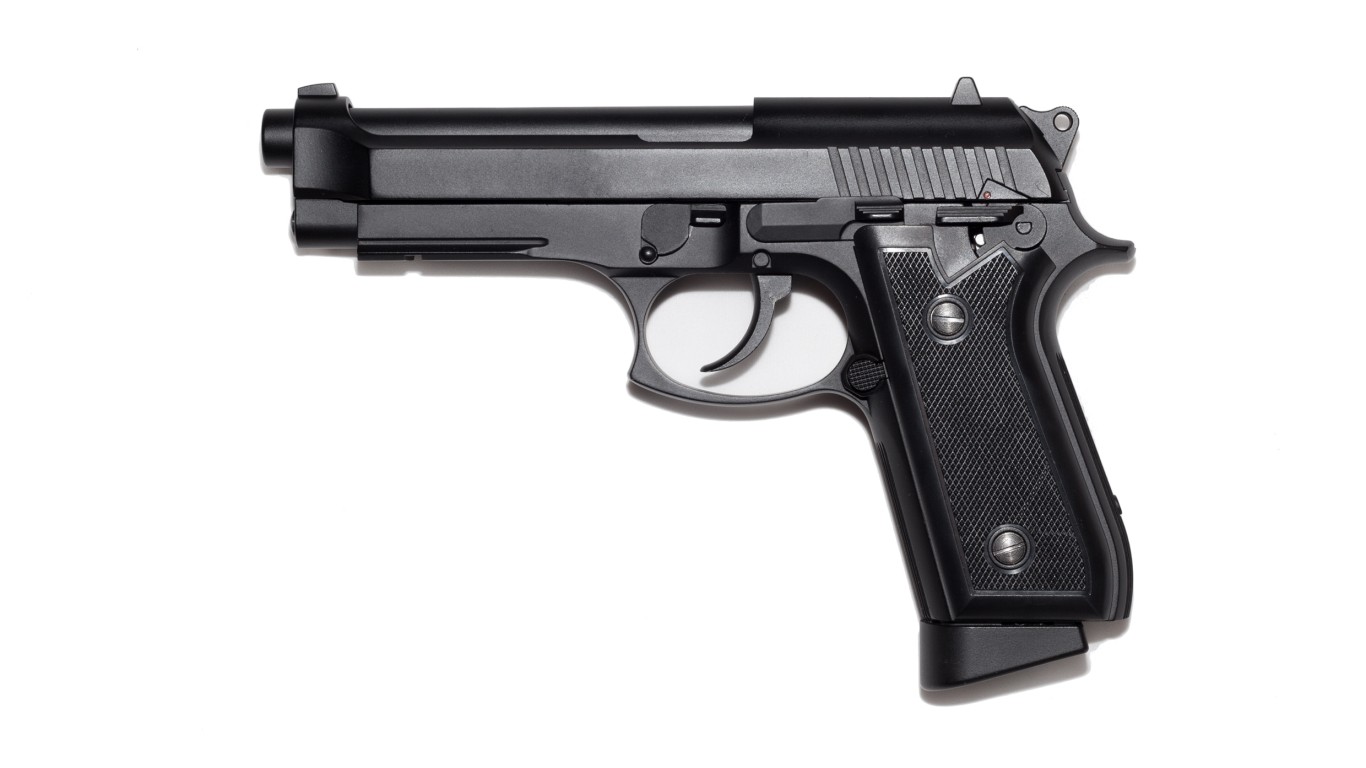
- Country of origin: Italy
- Manufacturer: Beretta
- Year introduced to service: 1985
- Type: Semi-auto
- Standard caliber: 9mm
- Era of use: Cold War / GWOT
- Why it mattered in combat: Standard U.S. sidearm
- Legacy or innovation: Long U.S. service adoption
The Beretta M9 became the standard sidearm of the U.S. military in the 1980s, replacing the long‑serving M1911 platform. Its higher capacity and 9mm chambering reflected changing doctrine and NATO standardization. Used extensively during conflicts from the Gulf War to Afghanistan, it represented a major shift in how American forces equipped their sidearms.
Glock 19
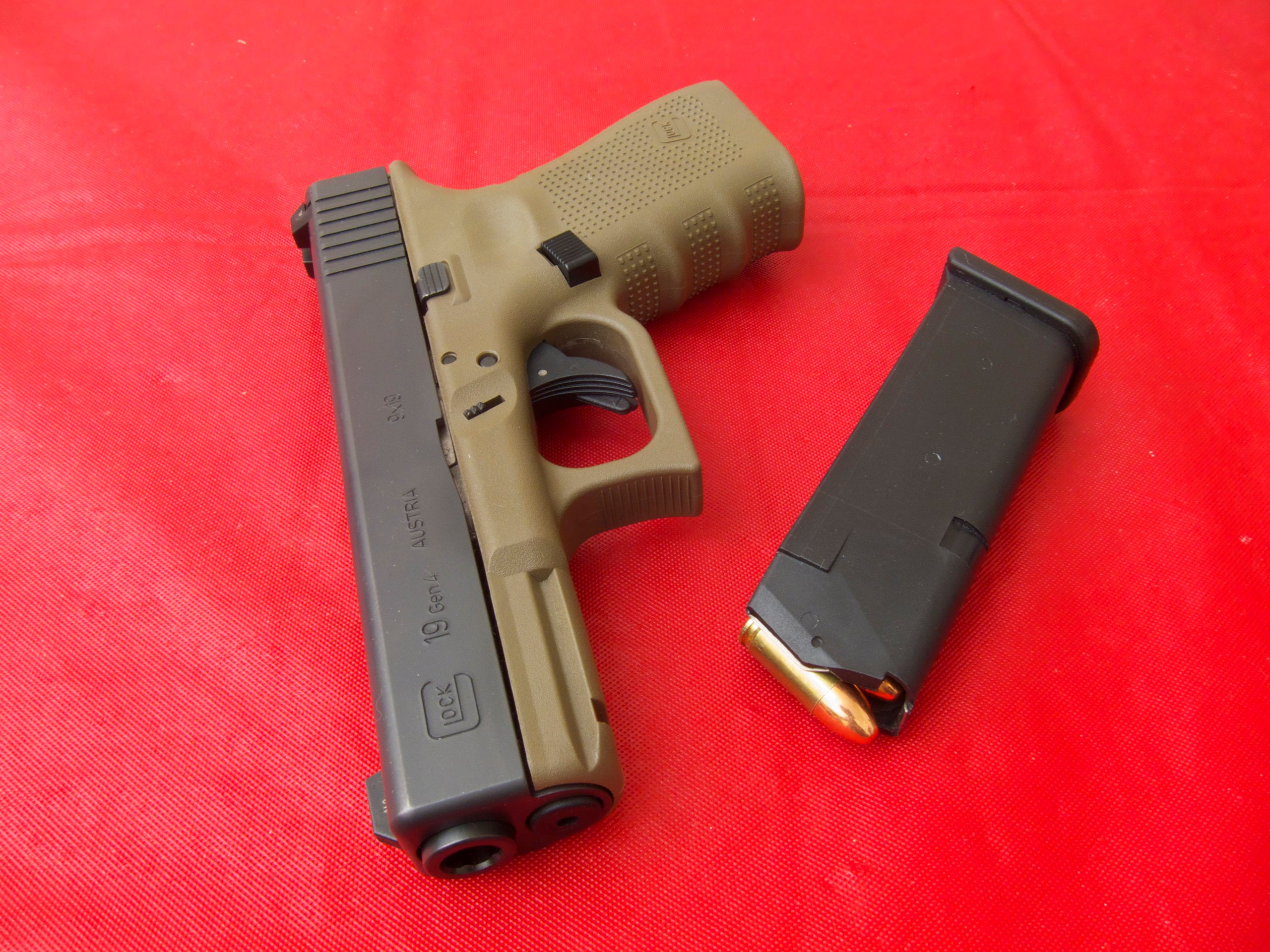
- Country of origin: Austria
- Manufacturer: Glock
- Year introduced to service: 1988
- Type: Semi-auto
- Standard caliber: 9mm
- Era of use: Modern SOF use
- Why it mattered in combat: Lightweight and simple
- Legacy or innovation: Polymer pistol influence
The Glock 19 represents the rise of polymer‑framed pistols that prioritize simplicity, durability, and lighter weight. Its adoption by various special operations elements illustrates how modern forces often favor practical performance over tradition. The design’s influence spread widely across military and law enforcement organizations worldwide.
SIG P226 Mk25

- Country of origin: Germany/USA
- Manufacturer: SIG Sauer
- Year introduced to service: 1989
- Type: Semi-auto
- Standard caliber: 9mm
- Era of use: GWOT
- Why it mattered in combat: SEAL adoption
- Legacy or innovation: Special operations reliability
The SIG P226 gained prominence through its association with Navy SEAL teams and other special operations units. Known for durability and accuracy, it became a trusted sidearm during demanding missions. Its reputation among elite units helped elevate the pistol’s status and demonstrated how reliability remains critical for combat handguns.
HK Mk23 Mod 0
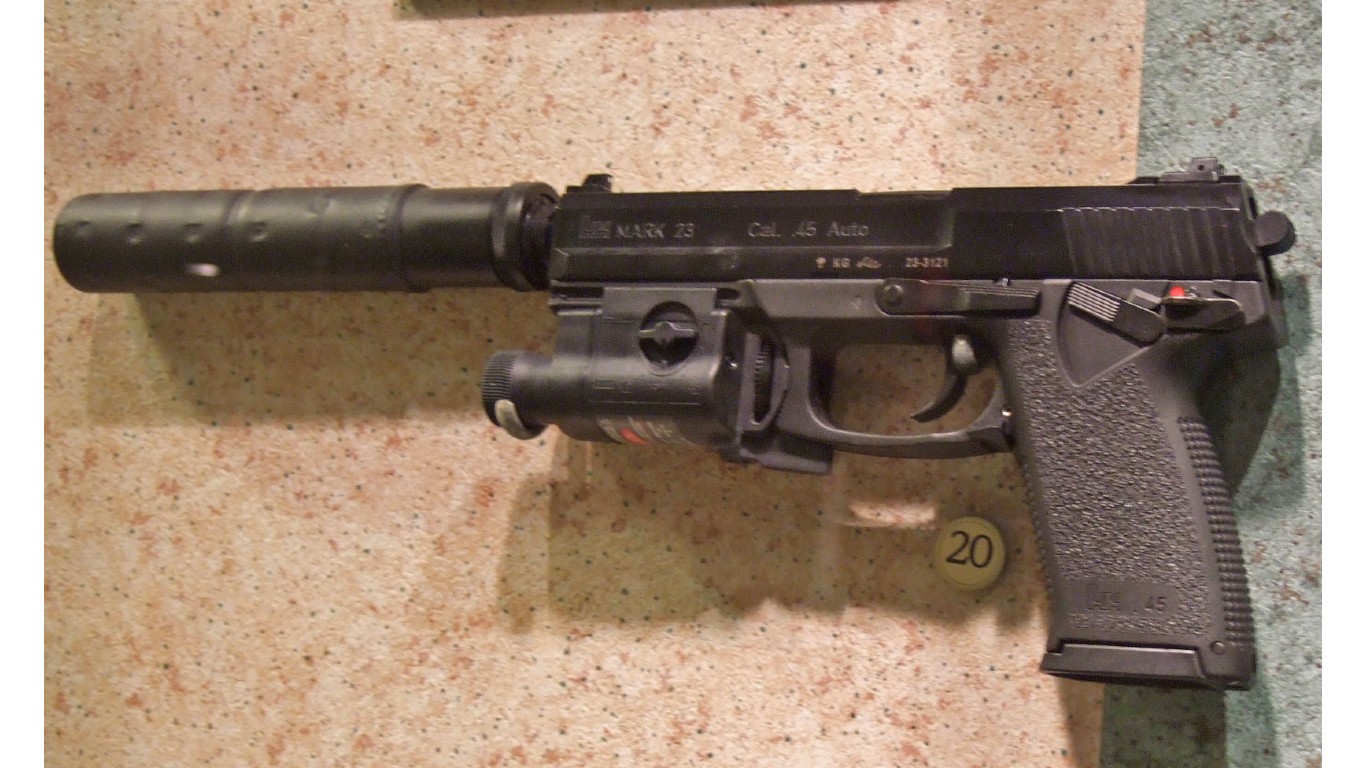
- Country of origin: Germany
- Manufacturer: Heckler & Koch
- Year introduced to service: 1996
- Type: Semi-auto
- Standard caliber: .45 ACP
- Era of use: SOCOM era
- Why it mattered in combat: Offensive handgun system
- Legacy or innovation: Built for special operations
The HK Mk23 was developed as part of a U.S. Special Operations Command program to create an offensive handgun system. Built for durability, accuracy, and suppressed use, it was designed to perform in demanding mission profiles. The pistol symbolized a period when specialized military requirements drove handgun development.
Beretta M9A1
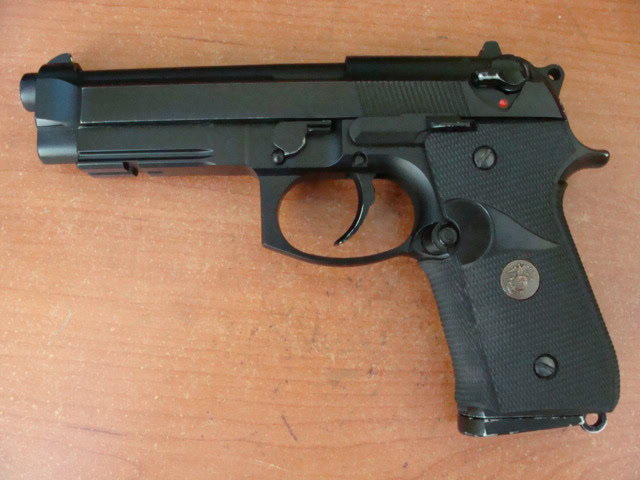
- Country of origin: Italy
- Manufacturer: Beretta
- Year introduced to service: 2006
- Type: Semi-auto
- Standard caliber: 9mm
- Era of use: Iraq / Afghanistan
- Why it mattered in combat: Accessory rail upgrades
- Legacy or innovation: Modernized M9 platform
The M9A1 updated the Beretta platform for modern combat environments, adding features such as accessory rails for lights and other equipment. These changes reflected how urban warfare and night operations were influencing handgun design. The updated model showed how even established service pistols evolve to meet new operational demands.
SIG M17
- Country of origin: USA
- Manufacturer: SIG Sauer
- Year introduced to service: 2017
- Type: Semi-auto
- Standard caliber: 9mm
- Era of use: Modern U.S. military
- Why it mattered in combat: Modular handgun system
- Legacy or innovation: Replaced M9 service pistol
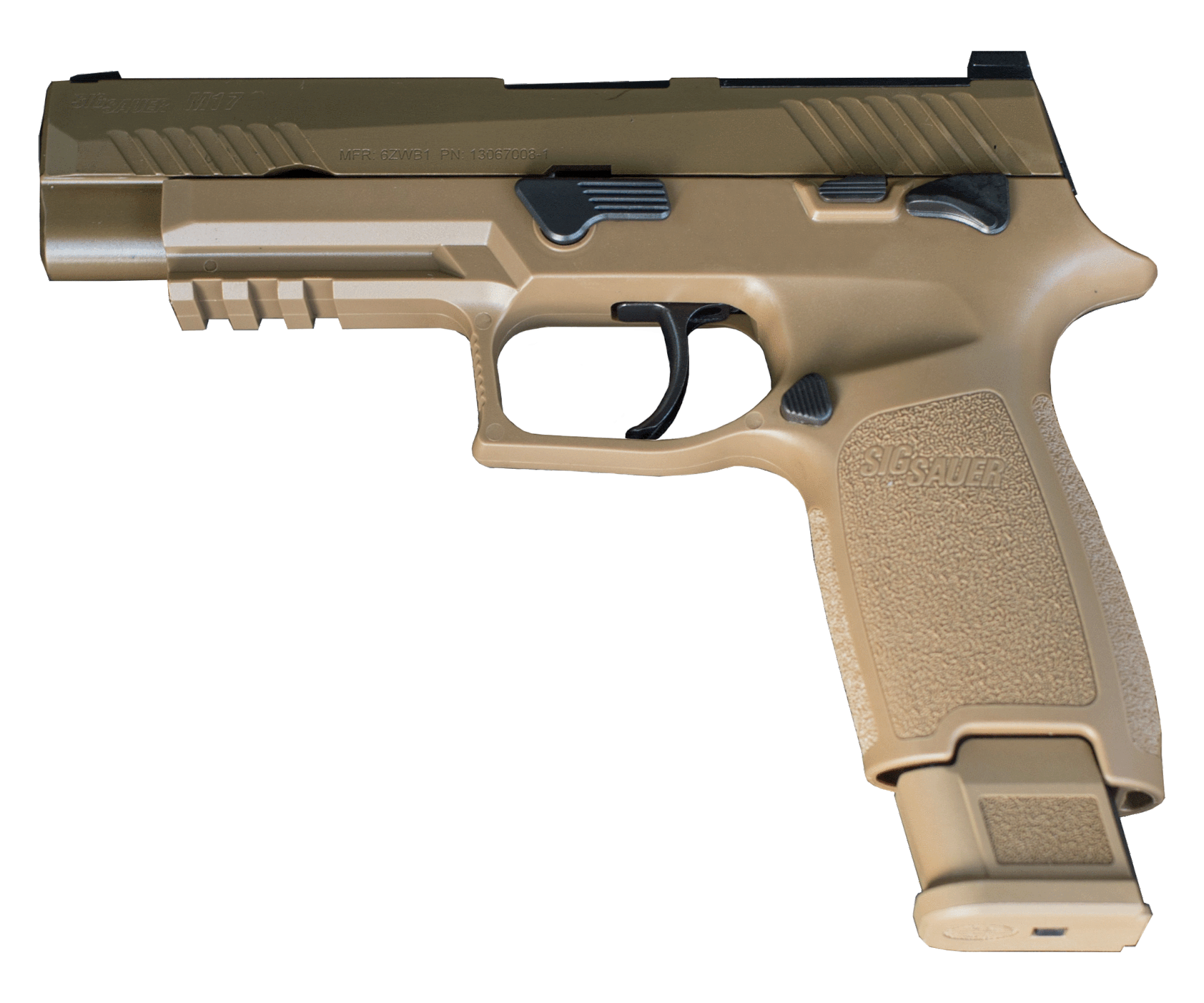
The SIG M17 marked the next major transition in U.S. military sidearms when it replaced the Beretta M9 as the standard service pistol. Its modular design allows units to configure the weapon to different roles and hand sizes. The adoption of the M17 illustrates how modern militaries emphasize adaptability and ergonomics in combat equipment.
SIG M18
- Country of origin: USA
- Manufacturer: SIG Sauer
- Year introduced to service: 2017
- Type: Semi-auto
- Standard caliber: 9mm
- Era of use: Modern U.S. military
- Why it mattered in combat: Compact service pistol
- Legacy or innovation: Standard issue sidearm variant
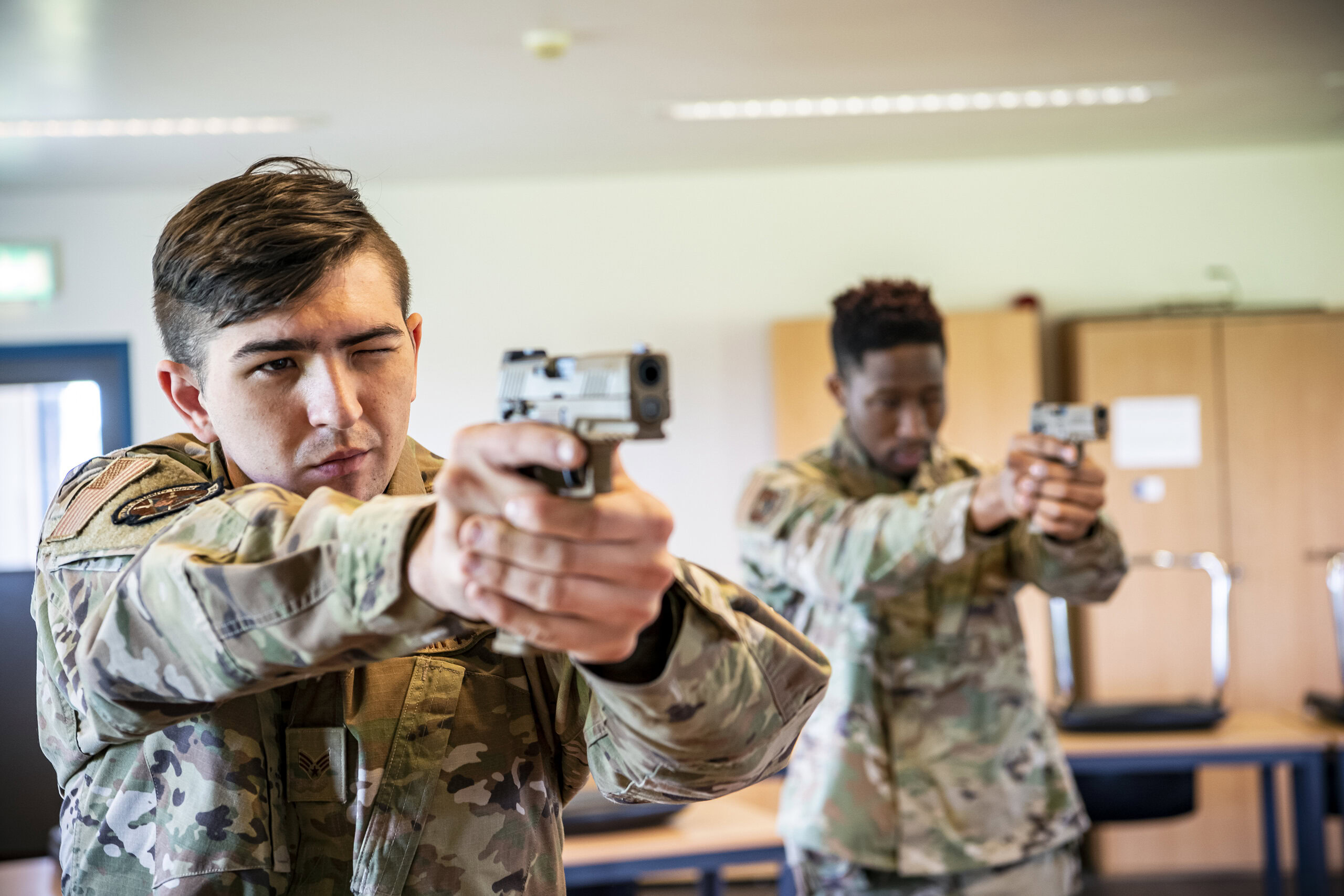
The SIG M18 serves as the compact counterpart to the M17 and is widely issued across different branches of the U.S. military. Its smaller frame makes it suitable for personnel who require a more manageable sidearm while maintaining the same modular system. Together with the M17, it represents the current generation of American combat pistols.
Contact [email protected] for any questions or corrections.
Chris Lange is a financial and geopolitical writer with more than a decade of experience covering a myriad of topics. He has published thousands of articles for 24/7 Wall St., with past coverage focused heavily on stocks, IPOs, healthcare, defense, global affairs, and technology.
His work has been quoted, or referenced by a number of outlets including Business Insider, USA Today, Yahoo Finance, MSN, The Motley Fool, and many other publications. A graduate of Southwestern University, he studied business with a focus on investments and has previous experience in banking and startups.
When not reading or writing the news, he is following his passion for Lacrosse, playing chess, or building solar projects with his dad.