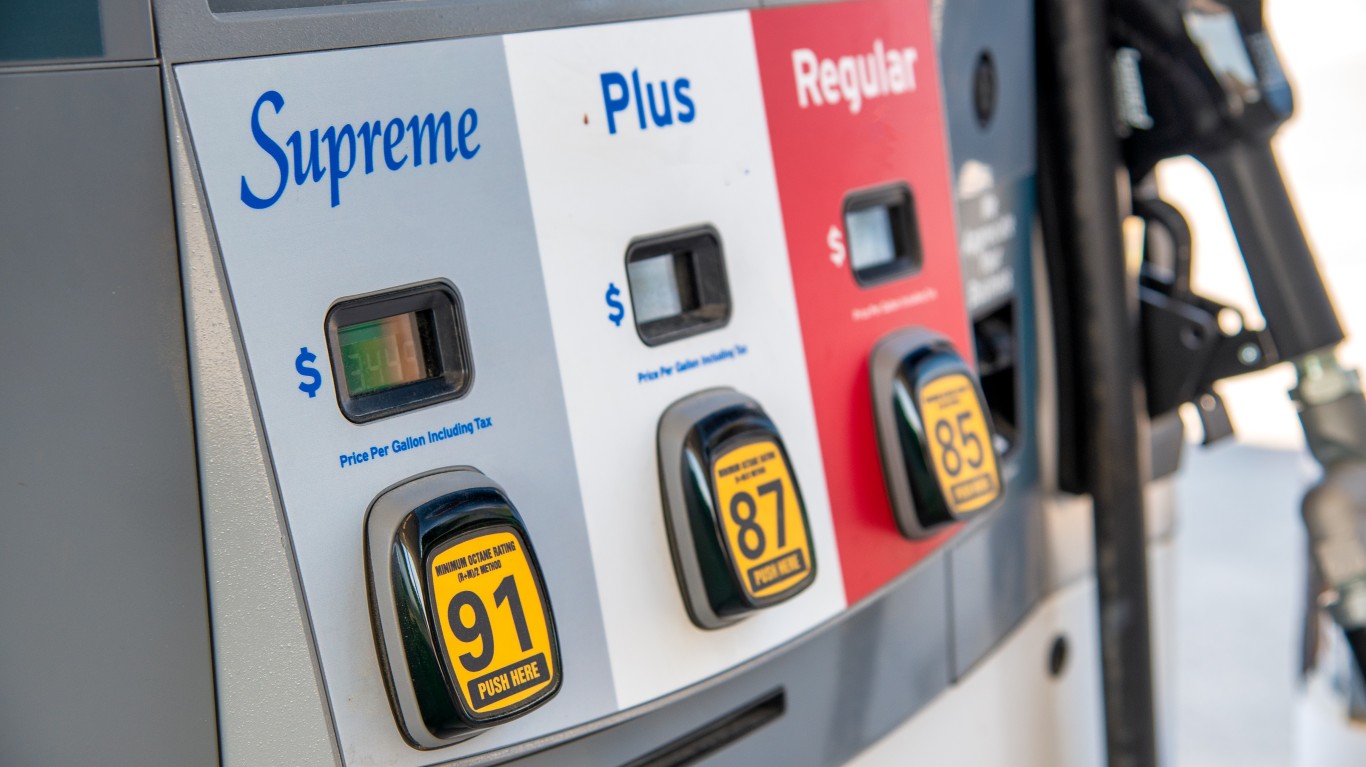
Warren Blamed Trump’s Iran War for $500 Heating Oil Bills, So Why Are Refiner Stocks Up Over 160%?
Senator Warren pinned New England's soaring heating oil bills on Trump's Iran war, but the money trail from wellhead to furnace tells a more complicated story about who is actually pocketing that extra $500.

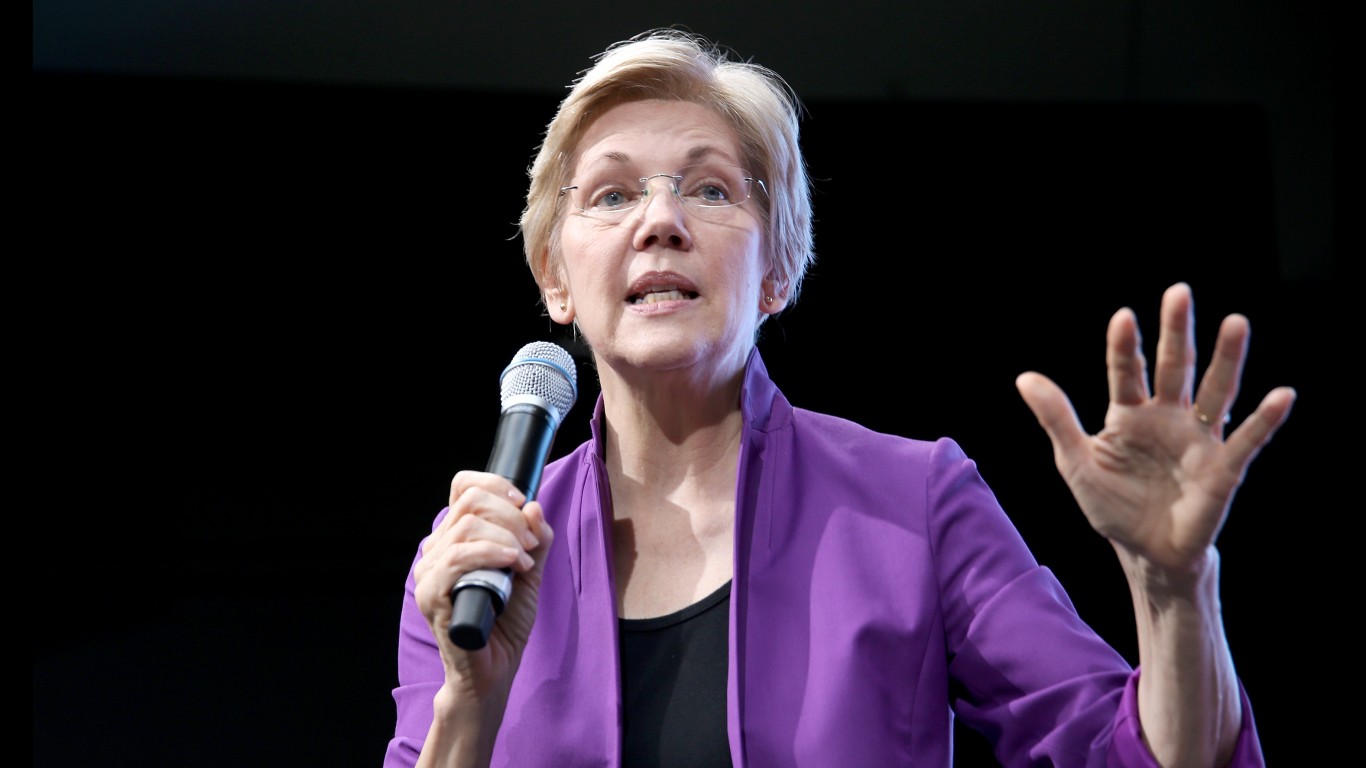
On Tuesday, Senator Elizabeth Warren put a number on New England’s winter. She wrote on X that heating oil bills for the region’s families are estimated to rise from $1,749 to $2,297, a jump of more than $500. She called “Trump’s Iran war” a huge reason why and ended with “End the war. Lower costs.” Her post did not say where the figures came from. Both amounts are estimates.
The war did push crude higher. But if you follow the money from the well to the home oil tank, much of that extra $500 ends up in refining margins. Independent refiners and their shareholders are the ones taking in it.
Crude Is Easing While Refiner Stocks Keep Climbing
West Texas Intermediate crude topped out at $107.02 a barrel on September 15 and had fallen to $96.16 by September 29. Refiners kept rising anyway. Valero Energy (NYSE:VLO | VLO Price Prediction) traded at $419.22 late Tuesday. That leaves it up 161.4% this year and 8.12% in the past week. PBF Energy (NYSE:PBF), a coastal refiner with East Coast plants, is up 211.28% year to date.
Heating oil is essentially ultra-low-sulfur diesel, and that is where the profits show up. In the second quarter, Valero earned a Gulf Coast diesel margin of $43.52 a barrel, up from $14.79 a year earlier. Net income rose 421% to $3.72 billion. PBF went from a loss a year earlier to $906.4 million in net income. Its New York Harbor crack spread nearly doubled to $43.48 from $22.24.


Why Diesel Stays Expensive Even if the Fighting Stops
Crude and refined fuel prices have split apart. On September 23, Paul Sankey of Sankey Research said diesel prices at the pump remain very close to their all-time high. Jeff Currie, whom MarketScreener identified as chief strategy officer at Altis Partners, says that crude prices are the noise and product prices are the signal.
The damage to supply goes well beyond Iran. On Valero’s July 30 earnings call, management agreed that about 5 million barrels a day of global refining capacity was offline. That included 1.7 to 1.9 million barrels a day in Russia hit by Ukrainian drones. Global stocks of light fuels sat about 130 million barrels below normal. Consultant data cited on the call suggested stocks would stay below the five-year average through 2027 even if the conflict ended right away. Gary Simmons, Valero’s chief operating officer, added that heating oil buyers were coming back to restock before winter.
PBF’s chief executive, Matt Lucey, laid out the timeline: “Crude can and will normalize much quicker than products.”
The war still matters. A year ago, WTI cost $62.49. Lucey called the Middle East and Eastern Europe disruptions possibly “the largest dislocation the oil markets have ever seen.” So Warren has identified one cause of high heating oil prices, but there are several others.
What Heating Oil Buyers and Refiner Investors Should Watch
Third-quarter earnings are the next test. Both companies said third-quarter margins looked firmer than the second quarter’s. PBF expects to process 900,000 to 960,000 barrels per day. The key number is the diesel crack spread. If it holds near second-quarter levels while crude falls, ending the war would lower oil prices well before it lowers New England’s heating oil bills.
Data Sources
- Warren blames Iran war for heating oil spike: Senator Warren’s October 6 post with the $1,749 and $2,297 estimates.
Contact [email protected] for any questions or corrections.
Jake has been been working in financial media for almost 15 years. He focuses on all things personal finance for 24/7 Wall St. with high hopes to educate and entertain. Most recently, Jake spent 12 years working various roles at The Motley Fool. He started copy editing fool.com content, worked on premium and marketing campaigns, and helped launch The Ascent, a personal finance brand.
His work has been featured on platforms like MSN, Yahoo Finance, USA Today, and more. He's written about credit cards, social security, ETFs, savings accounts, and just about anything else you can imagine when thinking about money. Jake love to cook, play golf, and tell people he's never had a cavity. (It's true!)