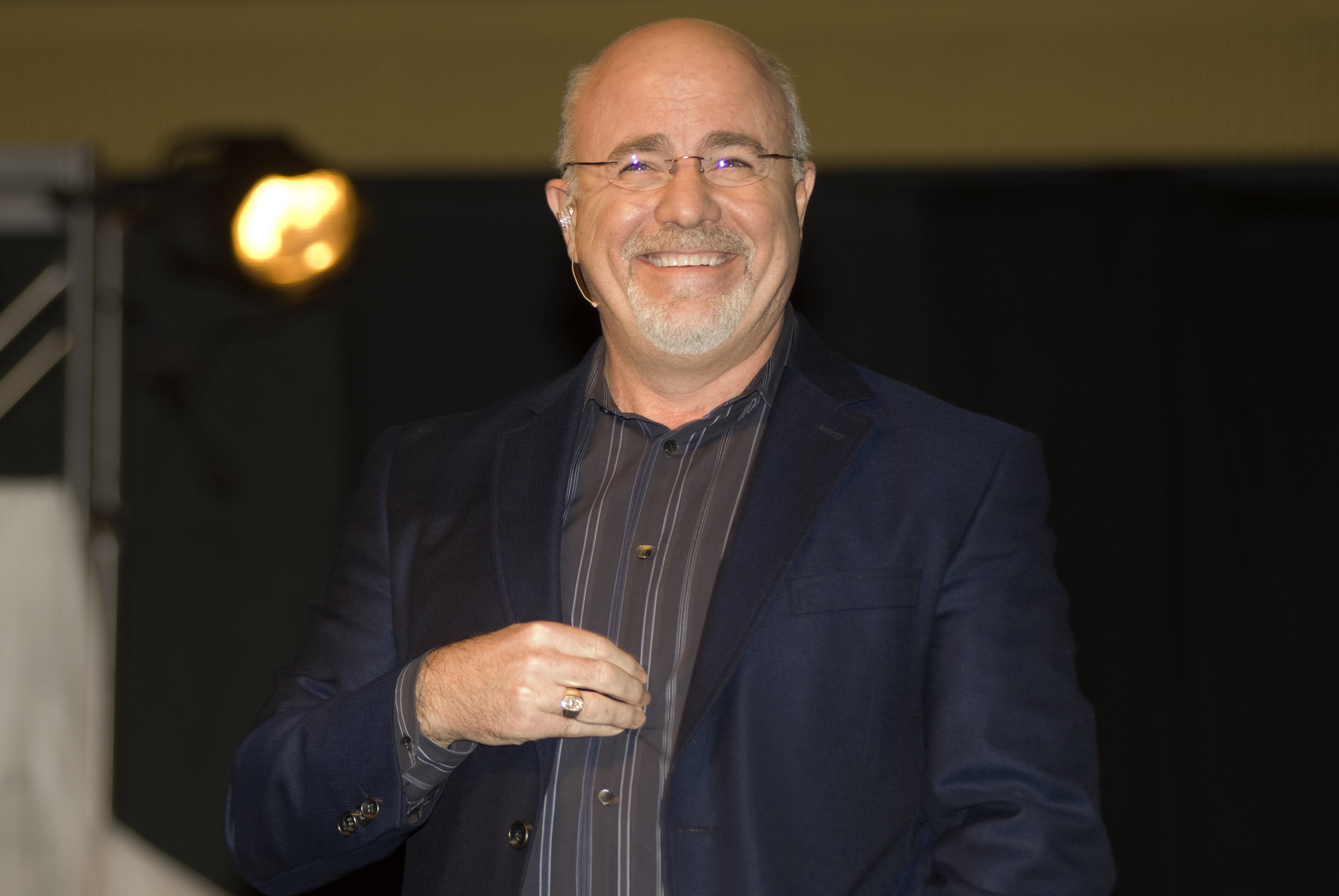
Dave Ramsey says he “wants you to pay off your mortgage as bad as anyone in the United States” – but not like this
24/7 Wall St. Key Takeaways: Ramsey does not recommend withdrawing from IRAs early in order to pay off mortgages or debt. The fees just aren’t worth it! Debt can be unsettling, especially after you’ve worked so hard to be debt-free.…

This post may contain links from our sponsors and affiliates, and Flywheel Publishing may receive compensation for actions taken through them.

24/7 Wall St. Key Takeaways:
- Ramsey does not recommend withdrawing from IRAs early in order to pay off mortgages or debt. The fees just aren’t worth it!
- Debt can be unsettling, especially after you’ve worked so hard to be debt-free. However, it’s important not to base your financial decisions on these emotions.
- Also: Take this quiz to see if you’re on track to retire (Sponsored)
From time to time, I tune into Dave Ramsey’s YouTube channel. I came across an older video this week where he responded to Michael, a 40-year-old considering using his traditional IRA funds to pay off his mortgage.
Michael and his wife have a $253,000 mortgage on a home worth $575,000, and they’ve accumulated around $575,000 in their IRAs. He wants to pay off the house ASAP to become debt-free.
(We’ve also covered Dave Ramsey before. Check out his take on how rich people stay rich.)
Let’s take a deeper look at Ramsey’s advice and how others may use it when determining what extent to go to when paying off a house:
Don’t Do It
Simply put, Ramsey is strongly against cashing out IRA funds, which would subject him to a 10% penalty plus taxes at his regular income rate (likely around 25%), resulting in about 35% in combined penalties and taxes.
That’s a lot of money going to taxes and fees.
Withdrawing anything from retirement funds before retirement is extremely costly and should be avoided. It’s basically like paying high fees to access your own savings.
Retirement funds should be used for retirement, not for other purposes (even if they are fiscally responsible, like paying off a house).
Stay the Course
Ramsey recommends just staying the course instead of using the retirement account to pay off the house. It can feel like it takes forever to make any headway when trying to become debt-free. However, it’s important to make smart decisions, not ones made out of emotions.
Consistent savings and chipping away on debt build-up over time. It’s tempting to make big changes and try to hurry things up, but you shouldn’t do this at the peril of your retirement savings (or other financial goals).
You absolutely shouldn’t do it by paying higher tax rates.
Alternative Ways to Pay Down a Mortgage
That said, you can pay down a mortgage in several other ways. If you’re already maxing out retirement accounts, it may make sense to divert some money towards the mortgage. Over time, this can add up.
Just making an extra payment or two every year can take several years off of your mortgage, even if it doesn’t feel like it’s doing very much right now!
This approach also doesn’t trigger costly penalties and impact retirement savings.
Avoid Emotional Decisions
We’ve touched on this a bit, but I think it’s important enough to bring it up again: don’t make emotional decisions. No one likes being in debt. Many people find that they like debt less as they pay it off. That last credit card or payment is always the hardest!
However, it’s important not to take those emotions and base your decisions on them. Financial decisions need to be grounded in logic rather than emotion.
Contact [email protected] for any questions or corrections.
Kristin Hitchcock is a financial expert who has been writing on topics related to retirement for over eight years. Her knowledge spans a wide range of areas, including navigating the complexities of Social Security, developing sustainable investment strategies, and helping individuals achieve their retirement goals.
Throughout her career, she has written for various platforms, including several retirement communities, to ensure that seniors have access to clear and actionable financial advice.
Kristin is also an active investor with more than ten years of experience in a diverse range of investment strategies, including short-term trades, dividend stocks, and options. She enjoys simplifying complex trading concepts by writing easy-to-follow guides that help readers meet their investment goals.