Magic Johnson: The Best Way to Build Wealth is to Help Others
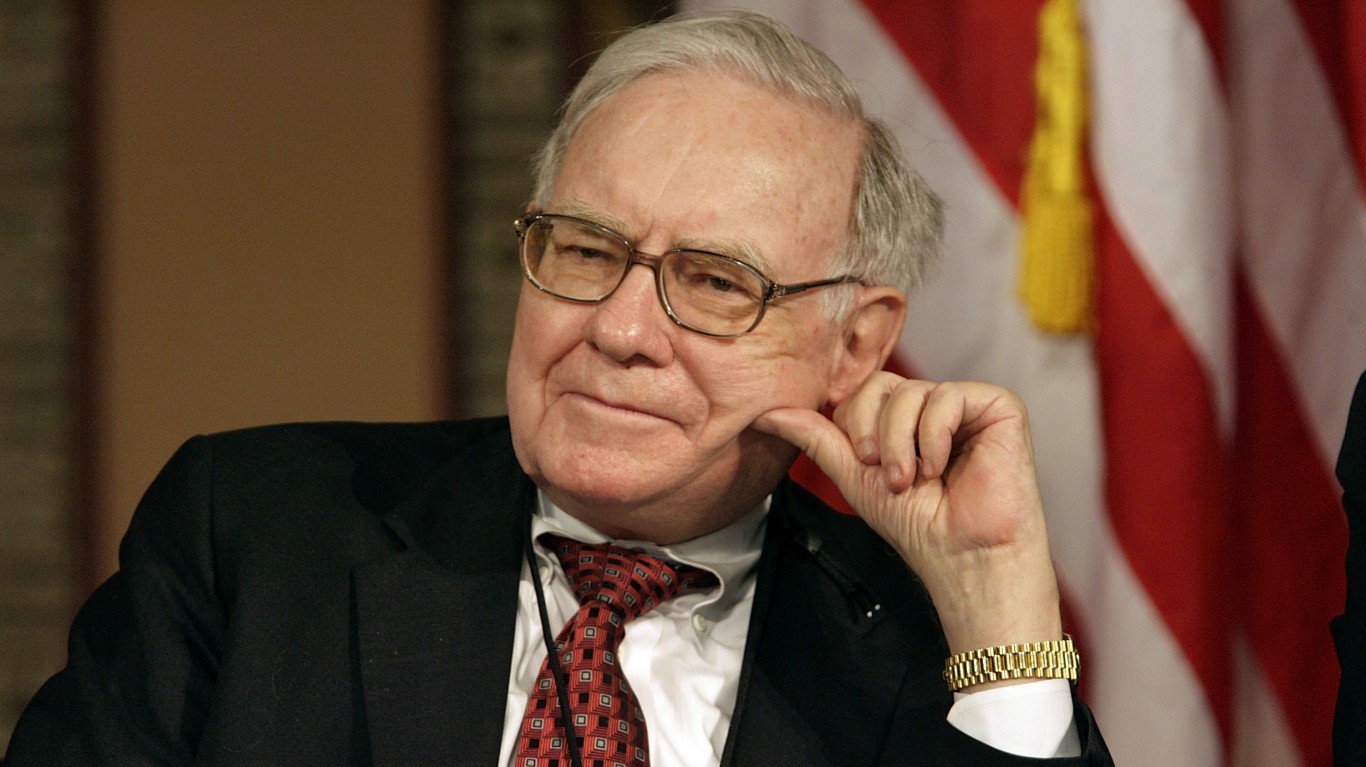
Magic Johnson built a $1.6 billion fortune not through basketball salaries but through four decades of community-centered investing. His core advice: it is easier to build wealth when you focus on helping others, not just filling your own pockets.

This post may contain links from our sponsors and affiliates, and Flywheel Publishing may receive compensation for actions taken through them.
Building lasting wealth is a goal shared by millions, and a larger net worth genuinely does open doors: more financial flexibility, a stronger cushion against rising costs, and the freedom to make choices on your own terms. The common mistake is treating wealth-building as a purely self-directed mission.
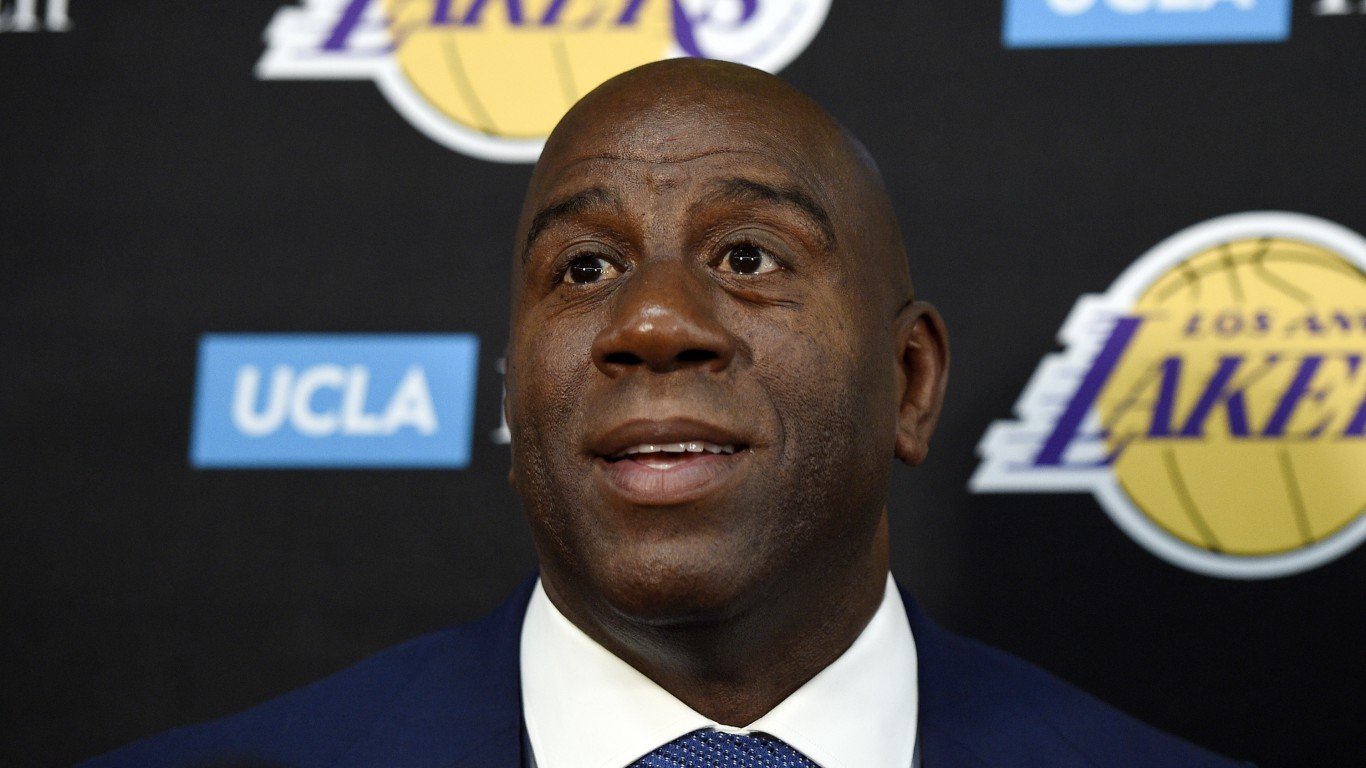
That is the core lesson Earvin “Magic” Johnson shared in a November 2008 interview with the Los Angeles Times. He argued that directing money toward helping others, rather than simply filling your own pockets, is what actually accelerates wealth creation over time. Coming from someone with a net worth of $1.6 billion, according to Forbes’s 2026 Billionaires list, that advice carries real weight. Johnson built that fortune not through basketball salaries (he earned roughly $40 million across his entire playing career) but through four decades of community-centered dealmaking: Starbucks franchises in underserved neighborhoods, theater complexes in South Central Los Angeles, a 60% ownership stake in Iowa-based life insurance company EquiTrust (whose assets have grown from $16 billion to $33 billion since he took control in 2015), and ownership interests in the Los Angeles Dodgers and the NFL’s Washington Commanders.
In January 2025, President Joe Biden awarded Johnson the Presidential Medal of Freedom, the nation’s highest civilian honor, citing both his basketball legacy and his decades of work championing underserved communities. The White House called him “the first retired athlete to build a true business empire.” That community-first investment philosophy is inseparable from the achievement. His portfolio has only expanded since: the Dodgers won back-to-back World Series Championships in 2024 and 2025, and his infrastructure firm JLC Infrastructure is part of the development consortium for a new terminal at New York’s JFK Airport. In February 2026, Blueprint Capital named Johnson to its Power100 Active Icons list, honoring leaders whose influence spans business, entrepreneurship, and community development.
Have a Motivation Beyond Yourself

Chasing a bigger number in a brokerage account is a thin motivation on the days when things get hard. Committing to something larger, whether a family, a community, or a cause, tends to produce more durable drive. The clearest everyday example is parenthood. The moment someone becomes responsible for a child, priorities snap into focus in ways that willpower alone rarely achieves. New parents often curtail spending habits they could not quit before, grow more deliberate about saving, and start thinking in decades rather than months. The goal shifts from “what I want now” to “what this child will need later.”
That same reorientation is available to anyone. A single person can ask what kind of life they want to provide for a future family and start building toward it today. Someone without children can attach their financial ambition to a cause: a charity they care about, a neighborhood they want to see thrive, or a younger person they want to mentor. The data backs this up. According to the Giving USA 2026 annual report, Americans donated an estimated $617.20 billion to charities in 2025, surpassing the $600 billion mark for the first time and extending a trend of record-setting generosity. The desire to give is both widespread and growing.
Keep That Motivation Front and Center

Motivation fades when it stays abstract. The practical fix is to make it concrete and visible. A daily journal entry that reconnects you to your “why” takes about five minutes and interrupts the drift that creeps in during stressful stretches. Visual cues work too: a photo of the people you are building for set as a phone background, or a short written reminder posted somewhere you will see it each morning.
The harder days are precisely when this infrastructure matters most. When markets get volatile, when a project stalls, or when unexpected expenses arrive, a clear sense of purpose makes it far easier to stay the course rather than make reactive decisions you will regret. Johnson’s own biography illustrates this directly. He kept investing in communities others had written off, and his conviction drove results that pure profit-seeking might never have produced. His Robert F. Kennedy Ripple of Hope Award, received in 2026, recognized that same combination of business success and social purpose that has defined his post-playing career.
Ask Yourself If Each Expense Matters

Essential spending, covering housing, food, utilities, and healthcare, gets addressed first. After that, discretionary dollars start competing for attention. Spending on things that genuinely enrich your life is not the problem. Reflexive spending that drains resources before they can be directed toward something more meaningful is.
One simple discipline helps: when a discretionary purchase catches your eye, wait 30 days before acting on it. If the item has faded from your mind by then, the impulse was not worth the money. If it still feels important a month later, buy it with confidence. That one rule can quietly redirect hundreds or thousands of dollars a year toward savings, investment, or causes you actually care about. That kind of purposeful allocation is precisely the philosophy Magic Johnson has practiced and preached for decades, and his $1.6 billion fortune is the evidence.
Editor’s note: This pass updated Johnson’s net worth to reflect Forbes’s 2026 Billionaires list data, corrected EquiTrust’s asset growth figure to $33 billion, refreshed U.S. charitable giving to the Giving USA 2026 figure of $617.20 billion for 2025, and added post-publication context including the Dodgers’ back-to-back World Series titles in 2024 and 2025, Johnson’s JLC Infrastructure role at JFK Airport, and his February 2026 Blueprint Capital Power100 Active Icons recognition.
Contact [email protected] for any questions or corrections.
Marc Guberti is a personal finance writer who has written for US News & World Report, Business Insider, Newsweek and other publications. He also hosts the Breakthrough Success Podcast which teaches listeners how to use content marketing to grow their businesses.