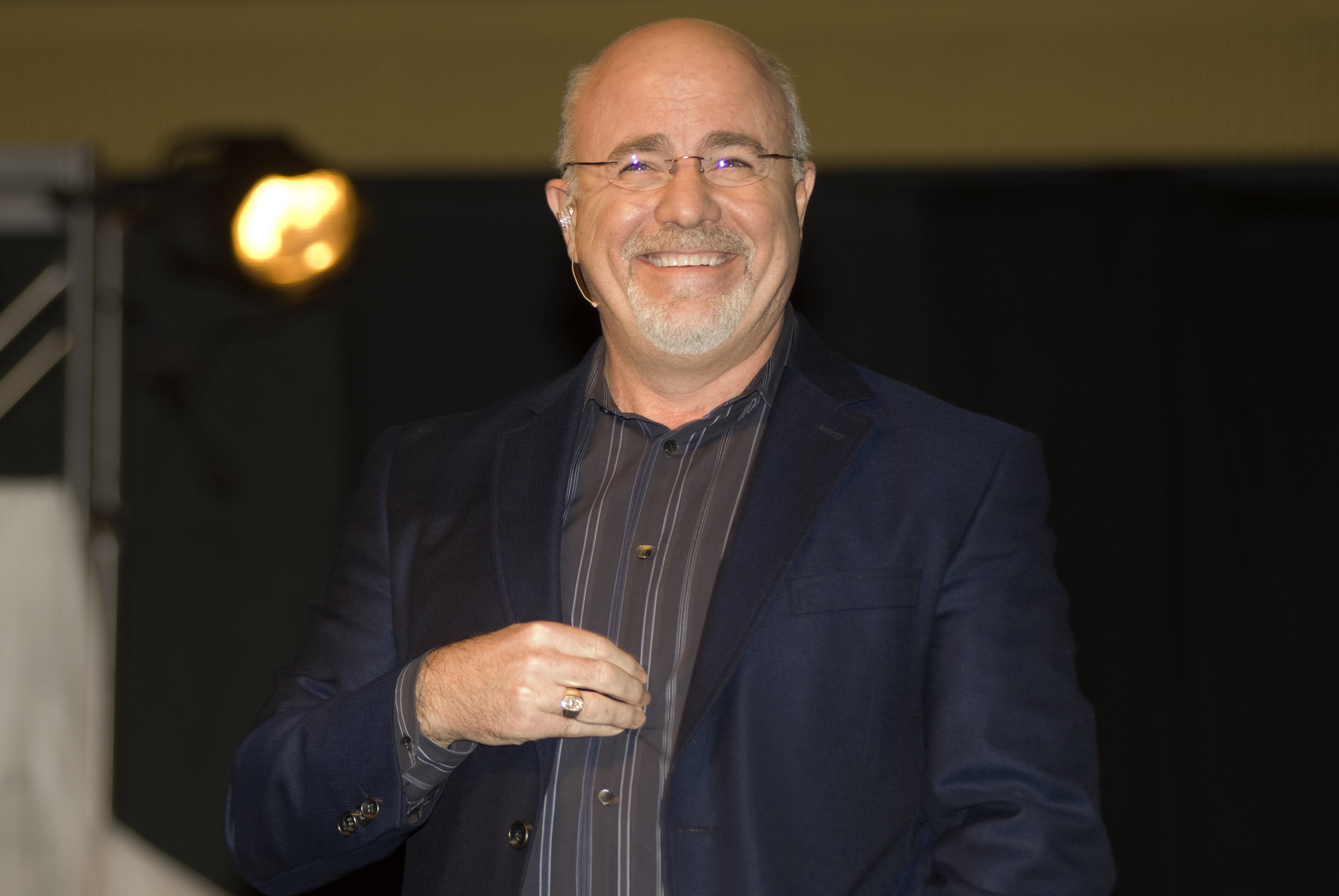
I opened a business and am suddenly making over $400k in profit: should I pay off my cars and mortgage? Dave Ramsey weighs in
When Chris from Hendersonville, Tennessee, called into The Dave Ramsey Show, he had what he described as a "good problem." Newly married with a young daughter, Chris found himself making over $400,000 annually in his self-owned concrete business. Despite this,…

This post may contain links from our sponsors and affiliates, and Flywheel Publishing may receive compensation for actions taken through them.

When Chris from Hendersonville, Tennessee, called into The Dave Ramsey Show, he had what he described as a “good problem.” Newly married with a young daughter, Chris found himself making over $400,000 annually in his self-owned concrete business.
Despite that impressive income, he was “rich poor.” Chris and his wife had nearly $500,000 in combined debts, covering their car loans and mortgage. His situation is more common than it sounds: a 2025 Goldman Sachs Retirement Survey found that roughly 40% of workers earning over $300,000 say they primarily live paycheck to paycheck, a pattern researchers attribute to “lifestyle creep” as luxuries quietly become necessities.
Below is a look at Ramsey’s recommendations for Chris’s situation, along with additional context worth considering:
1. Start with the Cars: Pay Off Consumer Debt Immediately
Chris admitted to being “redneck rich” in his first year of success, spending freely while accumulating two car loans totaling $98,000. Ramsey’s prescription was direct: use the $60,000 in savings to wipe out one car loan immediately, then eliminate the second within the month.
Clearing consumer debt is foundational in Ramsey’s philosophy. His seven Baby Steps framework places paying off all non-mortgage debt (Step 2) ahead of building a full emergency fund or investing for retirement, because carrying high-rate balances makes every other financial goal harder to reach.
2. Focus on the Mortgage but Prioritize Stability
Chris’s $405,000 home was financed with a 5/1 adjustable-rate mortgage (ARM) at 4.25%. That structure carries real risk: once the fixed period ends, the rate resets with the broader interest-rate environment. With the 30-year Treasury yield trading around 5.1% in mid-2026, any future reset could push Chris’s mortgage rate meaningfully higher, which is precisely the kind of vulnerability Ramsey warned about.
Ramsey urged Chris to shift his mindset on two fronts:
- Treat your income like a business: Ramsey suggested living off $100,000 annually rather than spending the full $400,000, using the remaining cash flow to attack debt.
- Prepare for uncertainty: Chris acknowledged that a recession could cut his income in half. Ramsey recommended paying down the mortgage as quickly as possible to reduce that exposure before business conditions change.
3. Build Long-Term Wealth Intentionally
Ramsey didn’t stop at debt elimination. He painted a larger picture: by living below his means and investing consistently, Chris could accumulate significant wealth over time. The path to millions is available to someone at his income level, but it demands financial discipline and a written plan to get there.
Ramsey’s Baby Steps framework calls for investing 15% of household income for retirement (Step 4) once consumer debt is cleared and a full emergency fund is in place. For someone earning $400,000, that’s $60,000 a year compounding over time, a figure that adds up quickly if lifestyle spending doesn’t absorb it first.
4. Avoid Lifestyle Inflation
Lifestyle inflation is a silent wealth killer, and Chris had already fallen into its grip. He admitted spending on just about everything after his business took off. Ramsey highlighted this as a pivotal moment: redirecting income toward financial freedom, rather than indulging every new want, is what separates people who build lasting wealth from those who simply earn a lot.
The numbers back this up. A 2024 survey found that 36% of Americans earning over $100,000 live paycheck to paycheck, a direct consequence of expenses rising in lockstep with income. Living well below your means, especially in a lower-cost area like Hendersonville, keeps cash available to retire debt quickly and invest the rest. Many of the most financially successful people aggressively avoid lifestyle inflation at every income level.
Things to Learn
A high income does not guarantee financial security. Chris’s story is a clear reminder of that. Ramsey’s advice comes down to a few core principles:
- Attack debt with urgency, especially high-interest loans
- Live below your means, even during times of prosperity
- Build wealth on purpose
Editor’s note: This update adds Goldman Sachs 2025 data showing that roughly 40% of workers earning over $300,000 live paycheck to paycheck, notes the ARM rate-reset risk in the context of mid-2026 Treasury yields near 5.1%, and incorporates 2024 survey figures showing 36% of Americans earning over $100,000 live paycheck to paycheck. A typo describing a “high income” as failing to guarantee “financial income” has been corrected to “financial security.”
Contact [email protected] for any questions or corrections.
Kristin Hitchcock is a financial expert who has been writing on topics related to retirement for over eight years. Her knowledge spans a wide range of areas, including navigating the complexities of Social Security, developing sustainable investment strategies, and helping individuals achieve their retirement goals.
Throughout her career, she has written for various platforms, including several retirement communities, to ensure that seniors have access to clear and actionable financial advice.
Kristin is also an active investor with more than ten years of experience in a diverse range of investment strategies, including short-term trades, dividend stocks, and options. She enjoys simplifying complex trading concepts by writing easy-to-follow guides that help readers meet their investment goals.