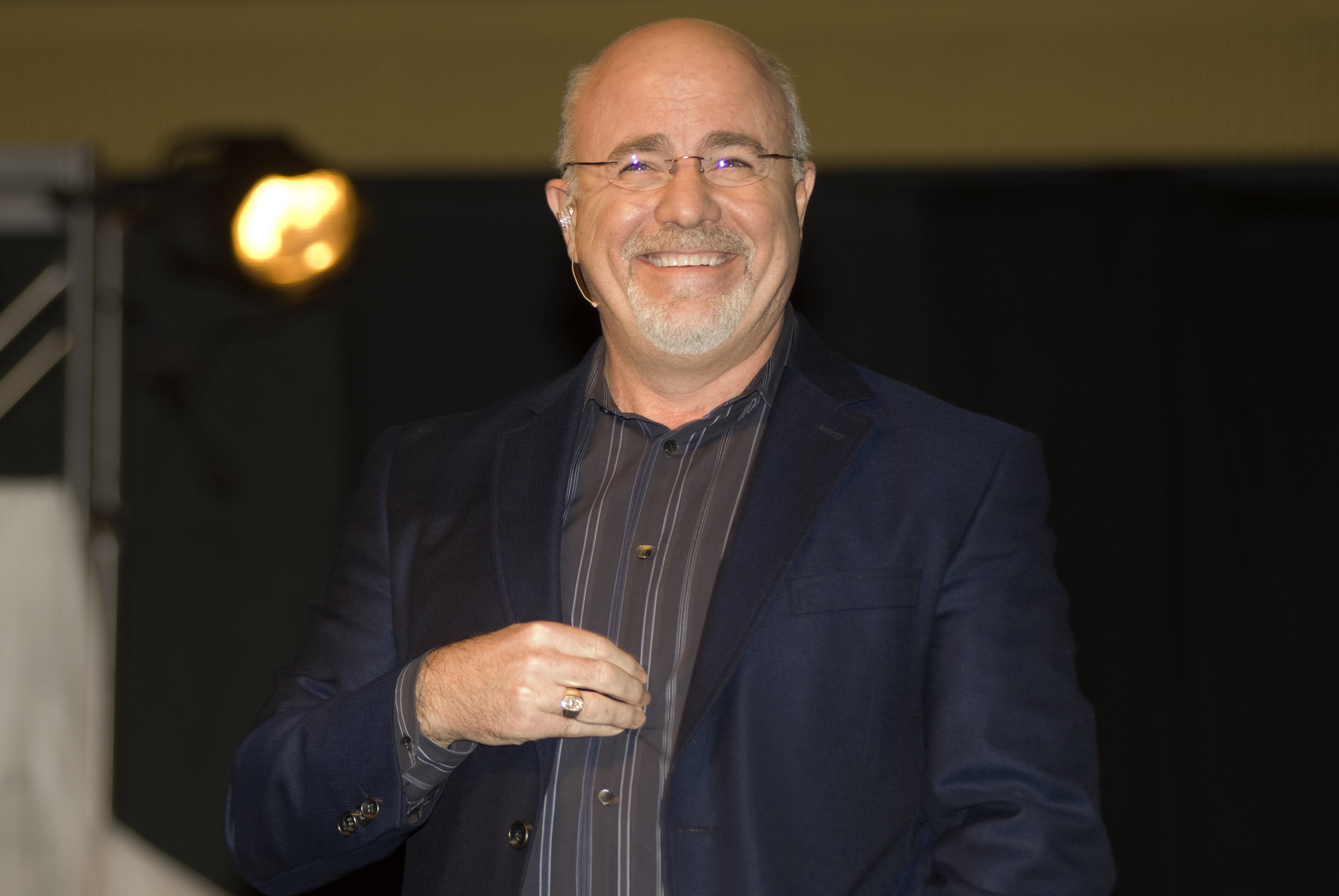
The Trouble With Teen Banking Apps, According to Clark Howard
A mom named Sandy from Michigan called into The Clark Howard Podcast this week with a parenting question. “My 12-year-old asked me about getting a Cash App teen account to learn more about finances,” she said. “I think her favorite…

This post may contain links from our sponsors and affiliates, and Flywheel Publishing may receive compensation for actions taken through them.

A mom named Sandy from Michigan called into The Clark Howard Podcast this week with a parenting question. “My 12-year-old asked me about getting a Cash App teen account to learn more about finances,” she said. “I think her favorite part is that she gets to design her own debit card. Priorities, right?”
Host Clark Howard told Sandy why the Cash App account isn’t the best choice. “The program is basically a spending program,” he explained. “They do have a little bit there about how you can have a savings account as a teen, but it’s really about having a way to spend. My problem with any bank program geared towards teens is it’s all about making them spenders and borrowers. Not investors.”
A teen account should teach them what money is for. Pick a tool that celebrates tap-to-pay, and the lesson is that money is for spending. Pick a tool that lets a teenager buy their first share of an index fund, and the lesson is that money is for owning things that grow.
A Different Option
Howard suggested Sandy instead look into a product like the Fidelity Youth Account. He said the account is “awesome because its emphasis is allowing access to funds like your 12-year-old wants, but it’s all about teaching investing. … [It creates] a mindset early about the purpose of building wealth for the future, whatever reason they’re building that wealth.”
He emphasized the long-term advantage of starting investing early. “As soon as a teen has a job, building the habit at their first jobs at 14, 15, or 16, that they’re putting money into a Roth IRA, getting 50 years approximately of growth on that money. Creating time creates so much wealth, and building habits creates so much wealth.”
Roth IRA contributions are made with after-tax dollars, every dollar of growth compounds tax-free, and qualified withdrawals in retirement are tax-free. A teenager in the 10% or 12% bracket is effectively buying tax-free retirement income at a discount no adult will ever see again.
Consider this scenario: A 15-year-old bags groceries during the summer for three years. She contributes $3,000 each year to a Roth IRA held inside a custodial brokerage account, invested in a total-market index fund. She never adds another dollar after age 17. Using standard compound growth at 8% over 50 years, each dollar becomes roughly $46. Her $9,000 of bagging-groceries money becomes over $400,000 of tax-free retirement income.
Aside from investing, Sandy wants her teenager to learn about budgeting and spending. Howard suggested a credit union account to give a teen a safe way to pay for gas and pizza. Credit unions are “fee-free almost always” and avoid the upsell layer that Cash App and most big-bank teen products bake in, Howard said.
Three Steps for Teaching Teens
- If your teen has earned income, open a Fidelity Roth IRA for Kids and make regular contributions. Consider buying a single low-cost total-market index fund. Let the teen watch the position grow and use market fluctuations as a teaching moment.
- If your teen does not have earned income yet, consider opening a credit union youth checking account for day-to-day spending.
- Sit down with the teen and show them the compound growth table for a $3,000 contribution held for 50 years at 7%, 8%, and 9%.
Contact [email protected] for any questions or corrections.
Carl Sullivan has been a Flywheel Publishing contributor since 2020, focusing mostly on personal finance, investing and technology. He started his journalism career covering mutual funds, banking and financial regulation in Washington.Carl is a contributing editor at Financial Advisor Magazine and previously served as managing editor at Financial Planning Magazine. He is a long-time manager of editorial teams covering a variety of topics including news, business and politics. He’s currently the North America Managing Editor for Flipboard and worked previously for Microsoft News and Newsweek.Carl loves exploring the world and lived in India for several years. Today, he resides in New York City’s Queens borough, where you can hear hundreds of different languages just by riding the subway.