Dave Ramsey says if you meet these simple criteria, there is no excuse for not retiring a millionaire
No doubt about it: when Dave Ramsey speaks, financially minded folks listen. And famed financial expert Dave Ramsey says that if you’re But you still have plenty of time to make up for it, especially if you’re under 40. 24/7…

This post may contain links from our sponsors and affiliates, and Flywheel Publishing may receive compensation for actions taken through them.

No doubt about it: when Dave Ramsey speaks, financially minded folks listen. And famed financial expert Dave Ramsey says that if you’re
But you still have plenty of time to make up for it, especially if you’re under 40.
Is $1 Million Still the Magic Number? The Inflation Gap
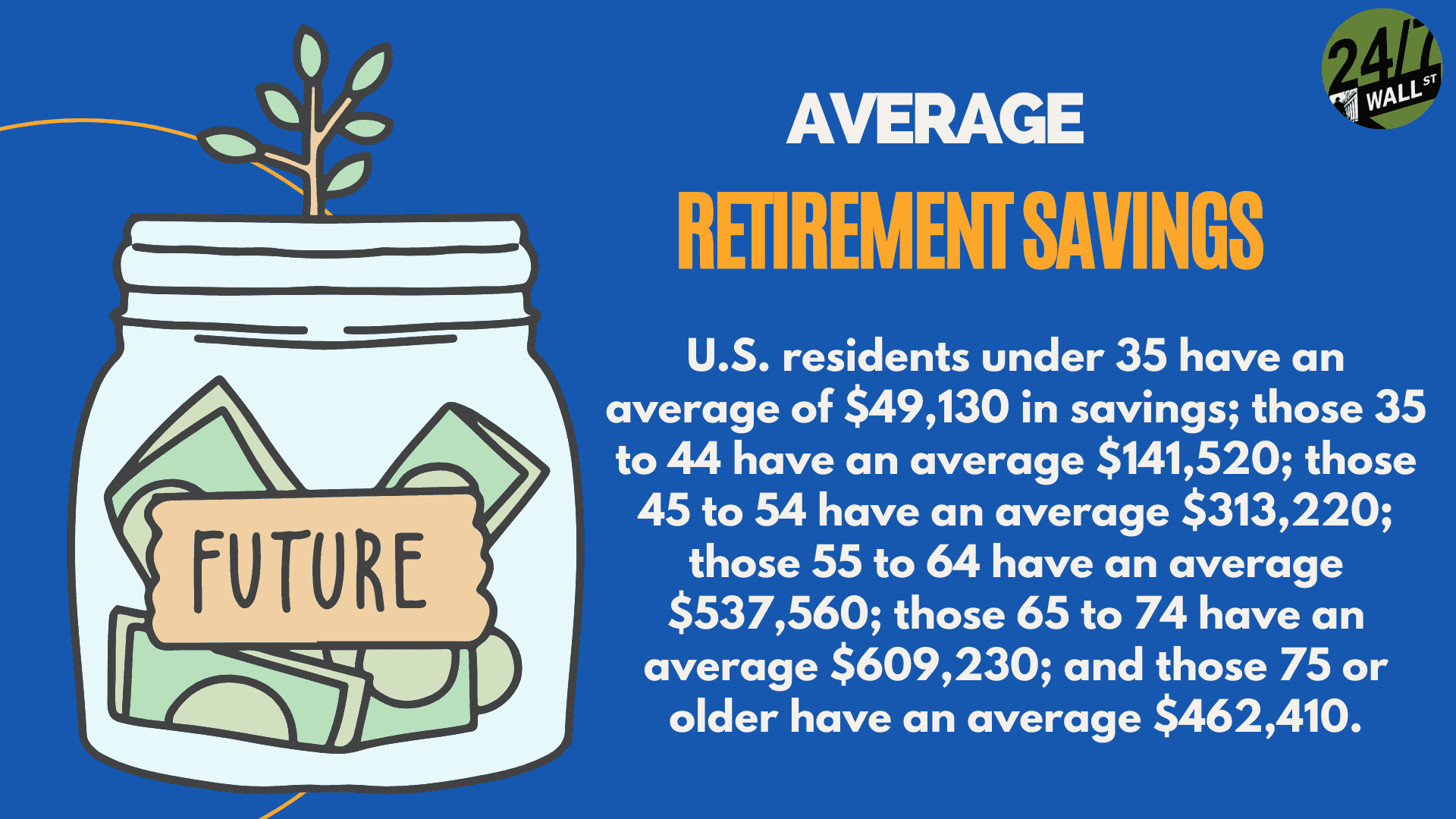
While hitting a million dollars via workplace retirement plans stands on paper, it is crucial to analyze what a million bucks actually buys in the modern economy. Recent industry data from the Fidelity Investments 2026 State of Retirement Planning Study reveals that savers under 40 now expect they will need closer to $1.4 million to retire comfortably due to stickier inflation and rising long-term healthcare costs. Under a conservative 4% withdrawal rate, a strict $1 million portfolio only nets roughly $40,000 in annual income before taxes—a critical reality check for higher-earning professionals or solo business owners pacing their runways.
In fact, one of the top ways most Americans become millionaires by retirement is by consistently contributing to retirement accounts. According to a Fidelity survey, for example, there are more 401(k) millionaires on its platform than ever before.
“As of June, there were roughly 497,000 so-called retirement-created millionaires in the U.S., according to the wealth management firm, which analyzed balances across 26,000 of its customers’ accounts. Nearly 399,000 Americans also have a least $1 million in an individual retirement account. The key to stashing away such sums? Start early and contribute to your retirement plan consistently over many years, Fidelity said,” as quoted by CBS News.
If you aren’t even in the ballpark, there are ways to help yourself.
Advanced Savings Mechanics: Maximizing Your Runway
For high-earning households or tech-adjacent professionals under 40, basic workplace contributions might leave money on the table. Beyond standard allocations, high-leverage tax vehicles can optimize wealth building. For example, utilizing a Mega Backdoor Roth strategy—where savers make after-tax non-Roth contributions to their workplace plan and roll them into a Roth IRA or Roth 401(k)—allows individuals to maximize tax-free growth. This advanced strategy creates a tax-diversified nest egg, preventing a large portion of a future retirement portfolio from being heavily reduced by future tax brackets.
For one, if you’re older than 25, put away at least 15% of your household income into retirement (only after you become debt-free and have an emergency fund). Easier said than done. But start with something and work up from there.
Two, if your employer offers a 401(k) match, try to invest up to the full match. So, if your employer offers a match up to 6% of your pay, try to max out your contribution. According to Ramsey Solutions, eight out of 10 millionaires invested in their company’s 401(k) plan.
Three, do your best to stay out of heavy debt and make sure you have an emergency fund. Fourth, put extra money on hand into retirement instead of just spending it on anything.
Modernizing the Market Portfolio
Ramsey explicitly advocates for traditional “growth stock mutual funds.” While avoiding high-risk, speculative assets is a sound fundamental baseline, contemporary portfolio construction has evolved. Modern wealth-building frequently relies on broad-market, low-cost index funds and S&P 500 ETFs rather than expensive, front-loaded mutual funds. This shift provides young savers with an automated, highly efficient path toward compounding wealth in a macroeconomy driven by technology infrastructure gains and institutional asset shifts.
“An example from Ramsey Solutions highlights how people under 40 can save $1 million for retirement. If someone is making $80,000 annually, they would need to invest $1,000 per month to reach that 15%. Putting that into “good growth stock mutual funds” could bring in more than $1.5 million in a retirement nest egg by age 65. Holding off retirement another five years could result in $2.8 million,” added Benzinga.com.
Plus, along the way, be sure to check in with a financial advisor for more advice. In the end, even if you’re behind on saving, there’s always a way to build a nest egg and eventually retire. And even if you don’t think you can do it, at least give yourself a fighting chance.
Editor’s Note: This article has been updated to include recent data from the Fidelity Investments 2026 State of Retirement Planning Study regarding updated target retirement savings milestones. The update also expands on advanced wealth-building strategies, introducing the mechanics of Mega Backdoor Roth conversions and comparing traditional growth stock mutual funds with modern, low-cost broad-market index funds and ETFs.
Contact [email protected] for any questions or corrections.
Ian Cooper is a veteran market analyst and investment strategist with more than 20 years of experience covering stocks, commodities, and macro trends. Since 1999, he has helped investors identify market opportunities using a blend of technical analysis, fundamental research, and market sentiment.
He is the creator of the ADD News Flow Strategy, which focuses on trading market reactions to major news events and investor psychology. Cooper was also among the analysts who warned about the 2008 financial crisis and major financial institution collapses ahead of the broader market.
Before joining 247 Wall St., Cooper wrote extensively for InvestorPlace and other financial publications, covering market trends, trading strategies, and investment opportunities.