AI Could Affect Your Social Security Benefit — and Not in a Good Way
There are a lot of warnings about the future of Social Security. Both the Social Security trustees and the Congressional Budget Office have sounded the alarm about the program’s trust fund running dry. An aging population and low birth rates…

This post may contain links from our sponsors and affiliates, and Flywheel Publishing may receive compensation for actions taken through them.
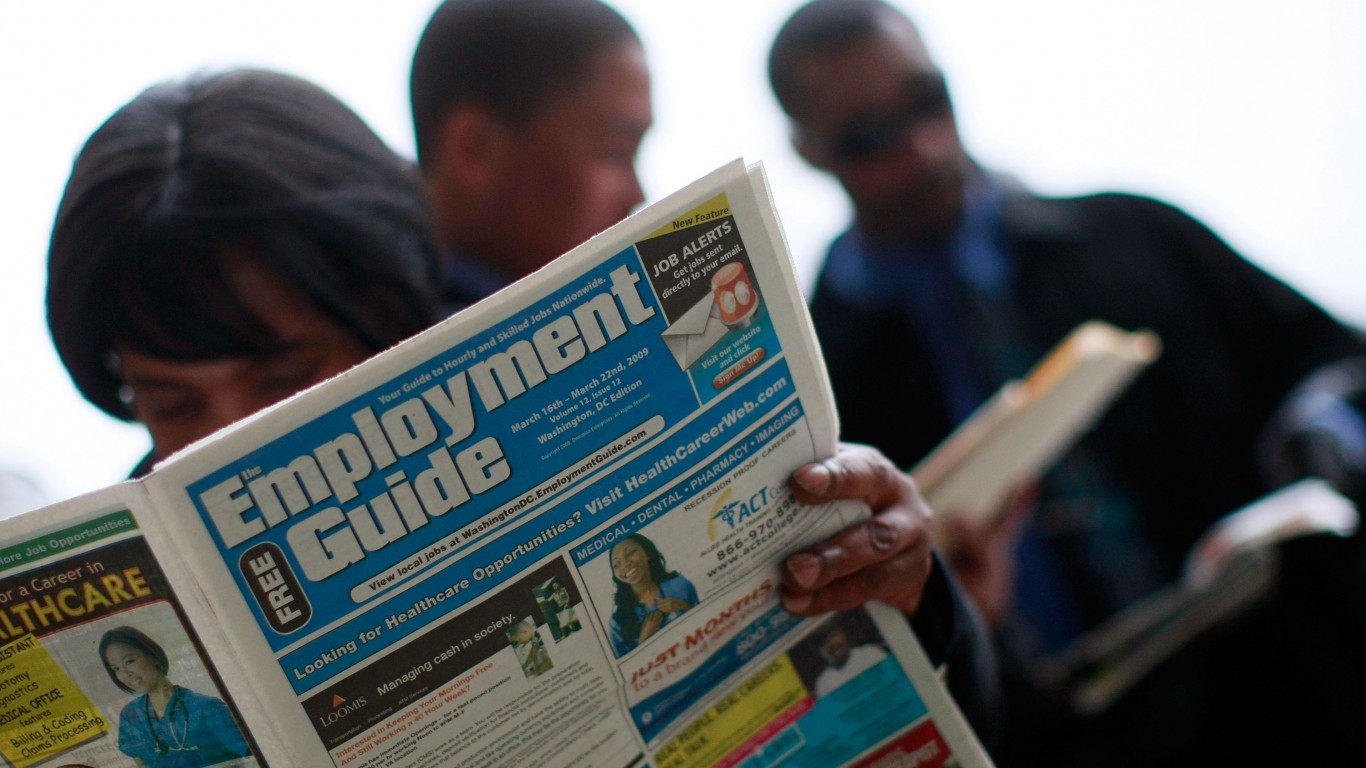
There are a lot of warnings about the future of Social Security.
Both the Social Security trustees and the Congressional Budget Office have sounded the alarm about the program’s trust fund running dry. An aging population and low birth rates are also frequent topics of discussion, as the number of workers is declining and the number of older people relying on benefits is increasing.
However, there is a new pressing issue on the horizon: The potential impact of AI on Social Security. While this is not yet a huge topic of conversation, it could become a major issue and one that causes big problems for current and future retirees who are relying on these benefits.
Why the AI boom could cause Social Security to go bust
A health economist and professor, Jennifer Schultz, sounded the alarm recently about the potential impact of AI on Social Security. Her warnings came in an article in the Minnesota Reformer, where she wrote, “After potential job loss and the inability to afford food and housing, a secondary risk is the solvency of Social Security and Medicare.”
Unfortunately, the issue is that Social Security and Medicare are both funded by payroll tax, or Federal Insurance Contributions Act (FICA) taxes. Under current rules:
- Workers and their employers split a 12.4% tax for Social Security, with each paying 6.2% of the employee’s salary per year. FICA taxes are capped by a “wage base limit” of $184,500, but most people pay this tax on all or at least the majority of their income.
- Workers and their employers also pay a 2.9% Medicare tax, which is also split between them, and high earners pay an extra 0.9%.
Both Social Security and Medicare operate on a pay-as-you-go basis. Essentially, this means that when you pay into the program, your money isn’t put in a vault somewhere for you. Instead, the taxes paid by current workers fund the benefits that are being paid to today’s retirees. This is why declining birth rates and an aging population are a problem. There aren’t enough payroll taxes coming in to pay the full amount of promised benefits, and the trust fund reserves that make up the shortfall are running dry.
Still, while this is an issue right now, the current payroll taxes coming in are enough to provide about 77% to 83% of the promised benefits. And there are solutions to make up the difference, like eliminating the wage base limit to bring in more tax revenue or changing the full retirement age to reduce outflows.
Unfortunately, what the health economist and professor is warning about is the possibility of AI decimating the job market, leaving far fewer workers to pay taxes. If millions of high-paid workers in fields like law, finance, and accounting all suddenly lose their jobs with no good jobs in the information economy to replace them, payroll tax collections could fall sharply. Not only could all of the out-of-work professionals face serious financial problems, but retirees would also be in big trouble as well.
“If AI replaces millions of American jobs, then FICA tax revenue falls due to fewer workers and declining contributions from employers. This could lead to significant reductions in Social Security benefits for today’s retirees and reduced revenue for Medicare coverage of hospital care. AI could literally break America’s financing of retirement and health care that we’ve had since 1935,” Professor Schultz wrote in The Minnesota Reformer.
What can workers do about this issue?
Unfortunately, there’s very little that individuals can do. No one really knows how AI will impact employment. But if the most dire predictions come true, lawmakers will almost assuredly have to step in because the financial crisis is going to hit everyone — seniors included.
The best thing people of all generations can do right now is to shore up their savings, and potentially work with a financial advisor to create a plan for financial independence they can work toward in case the economy takes a major hit.
Contact [email protected] for any questions or corrections.
Christy Bieber has been a personal finance and legal writer since 2008. She has a JD from UCLA School of Law and a BA in English, Media and Communications with a certification in business from the University of Rochester.
Christy has been published by a wide variety of sites, including WSJ Buy Side, Forbes, Kiplinger, Fox Business, Credit Karma, Insurify, and Annuity.org. In addition to writing for the web, she has also ghostwritten textbooks on business and law and served as a subject matter expert for course design.