Why Retirees Are Trading Florida for This Missouri Lake Town
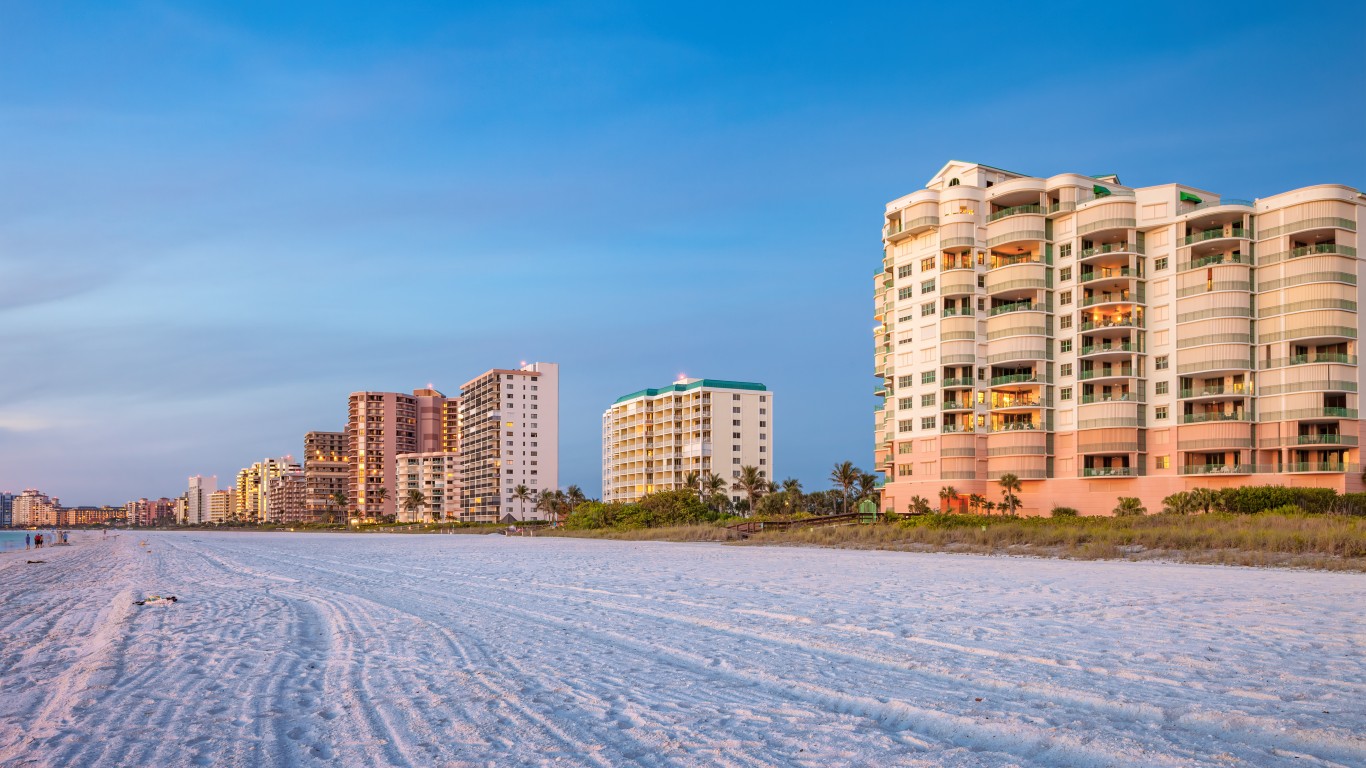
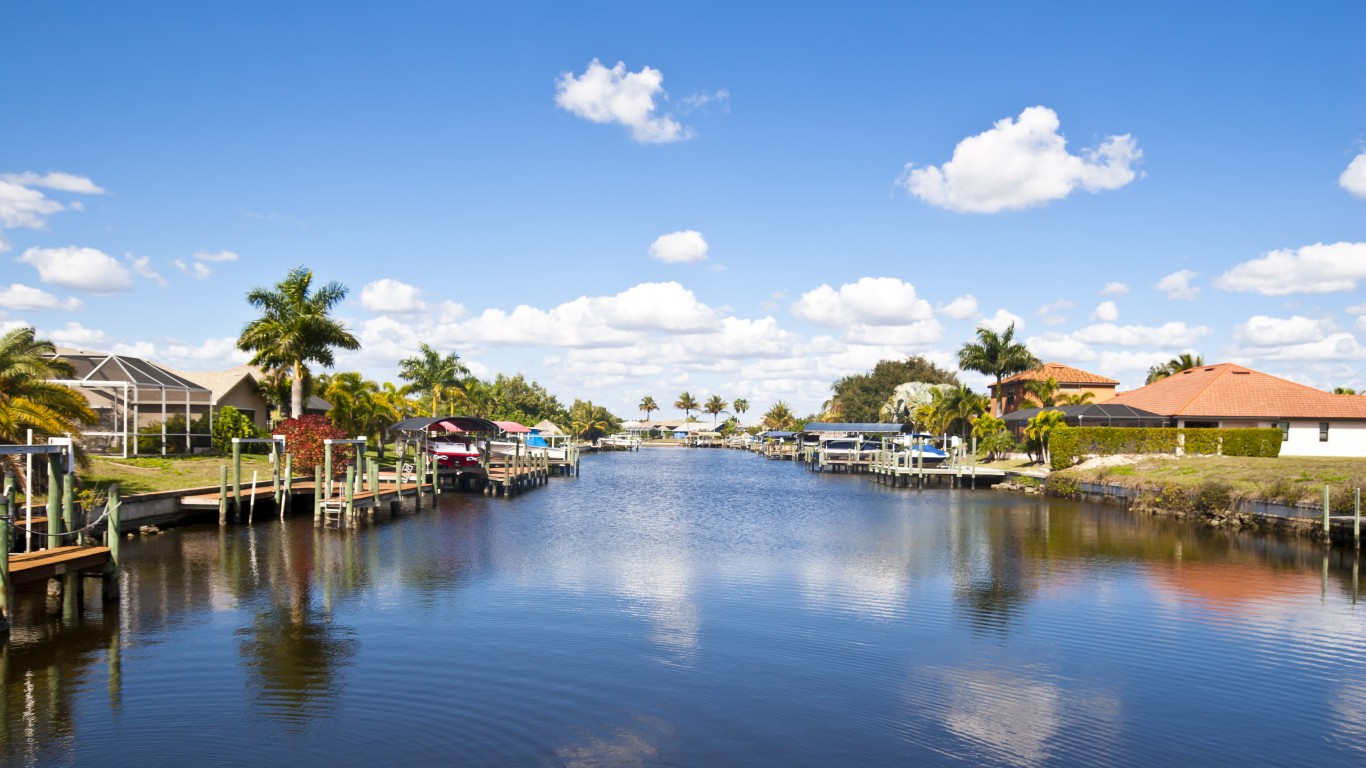
For decades, Florida has been the default retirement destination. Lately, however, rising insurance costs, higher housing prices, and mounting everyday expenses have prompted some retirees to look elsewhere. One surprising alternative is Branson, Missouri, a lake town in the Ozarks…

This post may contain links from our sponsors and affiliates, and Flywheel Publishing may receive compensation for actions taken through them.

For decades, Florida has been the default retirement destination. Lately, however, rising insurance costs, higher housing prices, and mounting everyday expenses have prompted some retirees to look elsewhere. One surprising alternative is Branson, Missouri, a lake town in the Ozarks known for its entertainment, outdoor recreation, and significantly lower cost of living. The question is whether moving there actually improves the retirement math, and by how much.
Why Retirees Keep Looking at the Ozarks
Branson offers something many retirees feel they have lost in Florida: space. Instead of traffic, crowded beaches, and rising insurance bills, daily life revolves around lake views, wooded hills, golf courses, fishing docks, and a pace that feels noticeably slower. Table Rock Lake spans nearly 800 miles of shoreline across southwest Missouri and into northwest Arkansas, the Ozark Mountains offer hiking and scenery year-round, and Branson’s entertainment district keeps live music, restaurants, and events within easy reach.
The financial side is what turns curiosity into action. Branson’s overall cost of living runs about 23% below the national average, and housing is where the difference becomes most visible. The average home value in Branson sits near $249,000, with recent median sales around $245,000, according to current market data. A retiree who sells a $475,000 home on Florida’s Gulf Coast and purchases a three-bedroom home near Branson often frees up hundreds of thousands of dollars in equity while reducing ongoing housing expenses at the same time.
What a Year Actually Costs Here
Consider a 66-year-old couple in a paid-off home near the lake. Property taxes and homeowners insurance in Taney County together run near $3,800 annually on a $260,000 house. That number stands in sharp contrast to Florida: Insurify’s 2026 report found Florida’s statewide average homeowners insurance premium reached $8,292 in 2025, and premiums in Gulf Coast counties run well above that figure. Utilities in Branson run about $3,600. Routine maintenance and reserves for the roof and HVAC add another $4,000. A vehicle replacement reserve accounts for $3,500 more.
Healthcare costs track age more than zip code. Medicare Part B in 2026 is $202.90 per person per month at the base tier, confirmed by the Centers for Medicare and Medicaid Services. The Part A inpatient deductible is $1,736, and a reasonable Medigap plus Part D plus dental brings a couple to roughly $11,500 a year. Food on the USDA moderate cost plan for a couple over 60 runs about $11,000. Transportation, entertainment, and travel add another $9,000.
That puts regular spending at roughly $46,400, before federal taxes on withdrawals. Call the full annual budget $52,000 for a comfortable Branson retirement. A more active couple who keeps a bass boat and travels twice a year should plan for $60,000 to $65,000.
Why Missouri Now Gives Florida Real Competition
For years, Florida held a clear advantage with retirees: no state tax on Social Security benefits and no state income tax. Missouri has narrowed that gap considerably. Under Senate Bill 190, signed in 2023 and effective January 1, 2024, Missouri fully exempts Social Security benefits from state income tax for residents age 62 and older, with no income limit attached. Many retirees who also receive public pension income qualify for additional favorable treatment. Once housing, insurance, and everyday living costs enter the equation, the traditional tax advantage that pushed retirees toward Florida becomes far less decisive. For many households, the savings generated by Branson’s lower home prices and cost of living outweigh the relatively small remaining difference in state and local tax burdens.
Turning the Budget Into a Portfolio Number
According to the SSA’s 2026 COLA Fact Sheet, the estimated average retired worker benefit in January 2026 is $2,071 a month. Two average earners draw roughly $49,700 a year combined. Against a $52,000 budget, the gap is about $2,300 a year, which a $60,000 to $75,000 portfolio covers at a 4% withdrawal rate.
The $60,000 to $65,000 lifestyle is the more honest target. With the same Social Security income, the gap widens to about $15,000, requiring a portfolio of roughly $375,000 at a 4% withdrawal rate, or closer to $440,000 at 3.5%. That is the practical answer to the headline question: somewhere between $375,000 and $450,000 in invested assets, on top of average Social Security and a paid-off house, lets a couple live the Branson version of retirement without rationing.
Living Here Without Living in the Traffic
Branson is really two towns. There is the West 76 corridor in summer, and there is everything off of it. Retirees who stay long term tend to buy in Hollister across the lake, in Branson West toward Kimberling City, in Reeds Spring, or out toward Forsyth on Bull Shoals. The same lake, the same favorable tax treatment, the same hospital system at Cox Branson, and a fifteen-minute drive into the shows whenever you want them. The carrying cost of that quiet is essentially zero. Buying on the strip means living with tourist traffic from May through December, a trade-off you renew every morning for thirty years.
The Branson move pencils out because Florida’s insurance and housing costs quietly grew into a second mortgage while many retirees weren’t looking, and Missouri removed the state tax on the income retirees actually live on. The portfolio number is reachable. The lifestyle is real. The only mistake is buying within earshot of the strip.
Editor’s note: This article was updated to reflect current Florida homeowners insurance data showing a statewide average premium of $8,292 in 2025, with Gulf Coast county premiums running substantially higher. It also adds context on Missouri’s Senate Bill 190, which fully exempted Social Security benefits from state income tax beginning January 1, 2024, and clarifies Table Rock Lake’s shoreline measurement at approximately 800 miles.
Contact [email protected] for any questions or corrections.
Drew Wood has edited or ghostwritten nine books and published more than 1,500 articles on investing, business, politics, travel, world cultures, wildlife, and earth science. He holds a doctorate and four master's degrees and has nearly 30 years of college teaching experience. His travels have taken him to 25 countries, including three years living in Ukraine.