Here’s How You Can Retire to the Mountains of Asheville, North Carolina, at 65 on $975,000
Asheville has long been one of the Southeast’s favorite retirement destinations, offering Blue Ridge scenery, a vibrant downtown, and easy access to hiking and outdoor recreation. Hurricane Helene changed some of the financial assumptions, but not the appeal. The question…

This post may contain links from our sponsors and affiliates, and Flywheel Publishing may receive compensation for actions taken through them.
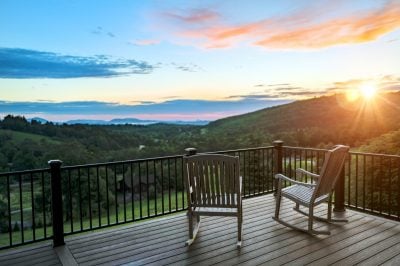
Asheville has long been one of the Southeast’s favorite retirement destinations, offering Blue Ridge scenery, a vibrant downtown, and easy access to hiking and outdoor recreation. Hurricane Helene changed some of the financial assumptions, but not the appeal. The question is whether a single retiree with about $975,000 can still make the numbers work. Here’s what the math looks like today.
What Asheville actually costs after Helene
North Carolina overall is affordable, with a state cost of living index of 94.326 against a national benchmark of 100. Asheville is the exception inside the state. Hurricane Helene reshaped the local market in late 2024, and the aftereffects are still visible in higher property insurance costs, ongoing infrastructure repairs, and a housing market that remains tighter and more expensive than much of western North Carolina. Buyers who are patient may still find opportunities, but Asheville is no longer the bargain it once was.
Assume you arrive at 65 with a modest home in West Asheville or nearby Black Mountain purchased outright for about $400,000, leaving roughly $575,000 invested. That distinction matters because long-term rental costs have risen enough that owning a reasonably priced home can significantly improve the sustainability of the retirement plan.
The working budget for a single retiree
Built in current dollars for one person, owning the home free and clear:
- Property taxes, homeowners insurance, and maintenance reserve: about $9,500. Insurance is the line that has moved most. Carriers repricing wind and water risk after Helene have pushed premiums well above the pre-storm baseline.
- Utilities, internet, and water and sewer service: about $3,400. Asheville residents should expect utility costs to remain elevated as the city continues rebuilding and upgrading infrastructure following Hurricane Helene.
- Healthcare at 65 on Medicare, including Part B, a Medigap Plan G policy, Part D, plus dental and vision: about $5,800.
- Food at the USDA moderate-cost plan for one adult over 60: about $5,400.
- Transportation, one paid-off vehicle with a replacement sinking fund: about $5,500.
- Travel, gifts, recreation, and miscellaneous personal: about $7,500.
- Federal and North Carolina income tax on portfolio withdrawals: about $2,400.
That totals roughly $39,500 a year. It is not luxurious, but it covers the brewery-and-trailhead version of Asheville with room for a couple of trips a year.
The math, in plain dollars
Social Security at 65 with full retirement age of 67 pays roughly 86.7% of your primary insurance amount. For a worker tracking the national average benefit, that lands near $21,000 a year, growing with the 2.8% COLA set for 2026. North Carolina does not tax Social Security and applies a flat tax to other retirement income, which is why the tax line stays modest.
Subtract that $21,000 from the $39,500 budget and the portfolio needs to provide about $18,500 a year. With roughly $575,000 invested after purchasing the home, that represents an initial withdrawal rate of about 3.2%, a level generally considered sustainable for a long retirement. The relatively modest withdrawal rate leaves room to absorb market volatility and unexpected expenses.
Delaying Social Security until full retirement age increases the amount you must withdraw from savings during the bridge years, but it also permanently increases your monthly benefit for the rest of your life. For retirees who can afford the delay, the larger guaranteed income can provide valuable protection against inflation over a retirement that may last three decades.
The Helene tax nobody quotes you
Beyond raising homeowners insurance, the storm created a series of recurring costs that behave like a private tax on living there: higher utility costs tied to ongoing infrastructure repairs, flood insurance that is now worth considering in areas that previously ignored it, larger insurance deductibles, and increased maintenance for hillside properties with drainage or erosion concerns. Budget another $2,500 to $4,000 a year above pre-storm assumptions. Ignore those costs, and a comfortable withdrawal rate can gradually become much tighter than planned.
What it actually takes
A $975,000 nest egg can support a comfortable retirement in Asheville if three conditions hold: the home is owned outright, the remaining portfolio is drawn conservatively, and the ongoing costs created or amplified by Hurricane Helene are built into the budget from the beginning. Housing, insurance, and infrastructure costs have become as important as investment returns. Plan for them realistically, and Asheville remains one of the Southeast’s most attractive retirement destinations.
Contact [email protected] for any questions or corrections.
Drew Wood has edited or ghostwritten nine books and published more than 1,500 articles on investing, business, politics, travel, world cultures, wildlife, and earth science. He holds a doctorate and four master's degrees and has nearly 30 years of college teaching experience. His travels have taken him to 25 countries, including three years living in Ukraine.