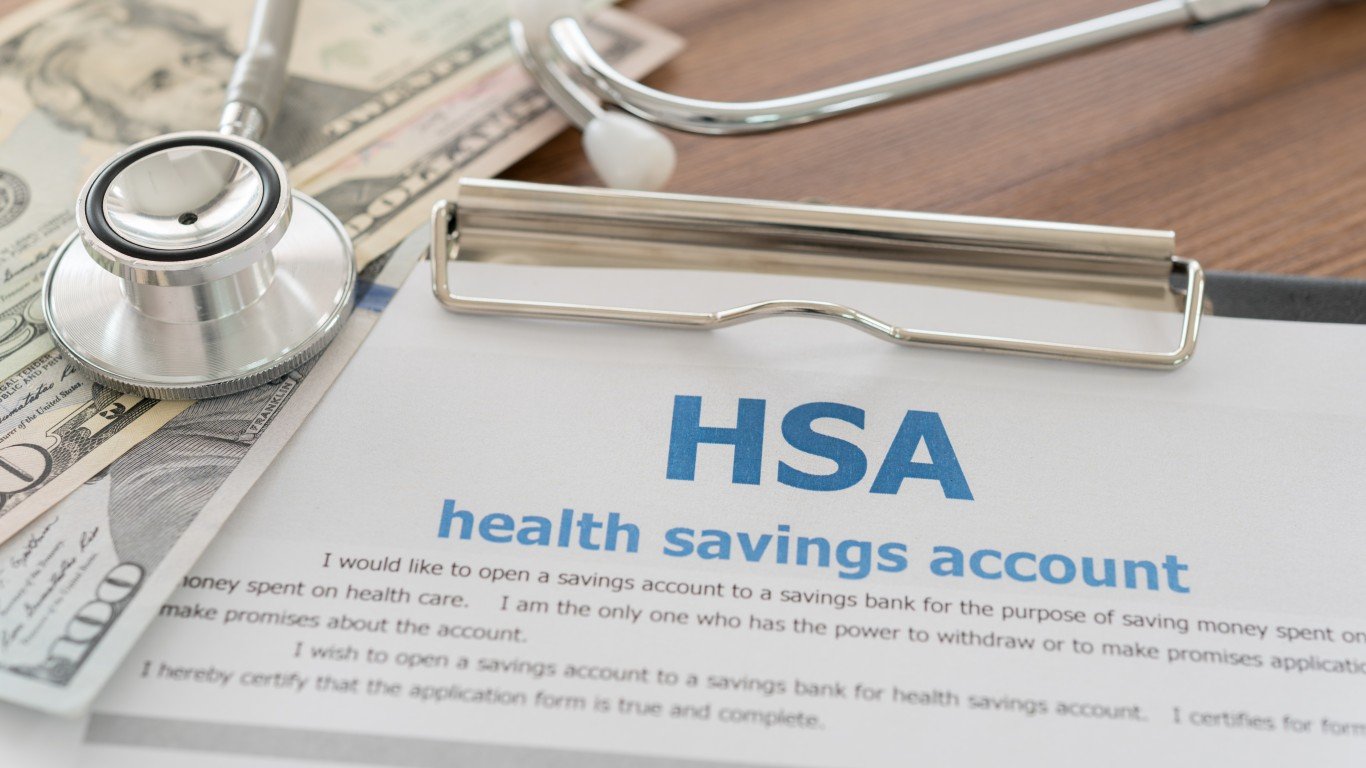
The Triple-Tax-Free Account Most Workers Leave Empty: An HSA at 65 Works Like a Second 401(k), Without the RMDs
Most workers treat an HSA as a use-it-or-lose-it medical fund, but the account quietly transforms at 65 into something far more powerful, and the tax structure behind that shift is unlike anything else in the retirement code.

This post may contain links from our sponsors and affiliates, and Flywheel Publishing may receive compensation for actions taken through them.

An HSA offered through a high-deductible health plan carries a tax treatment no other retirement account matches. Contributions reduce taxable income in the year they are made. Investment growth accumulates without tax. Withdrawals for qualified medical expenses come out tax-free. At age 65, a fourth feature activates: non-medical withdrawals become penalty-free and are taxed as ordinary income, the same treatment applied to traditional 401(k) distributions.
The account also skips one of the constraints that shape late-career retirement planning. Traditional 401(k) and IRA holders are required to take minimum distributions starting at age 73. HSAs have no RMD schedule. Balances can remain invested indefinitely, allowing compounding to continue over the years, while other tax-deferred accounts are drawn down on a government-mandated timetable.
Why the Timing Matters at 65
Healthcare is the second-largest services category in American consumer spending. In May 2026, personal consumption expenditures on healthcare services reached $3,716.0 billion at a seasonally adjusted annual rate, up from $3,512.1 billion a year earlier. Housing was the only services category larger, at $3,950.3 billion. For a household turning 65, medical costs continue climbing while Medicare covers only part of them.
Average consumer expenditures per household reached $78,535 in 2024, up from $77,280 in 2023 and $72,973 in 2022, according to the Bureau of Labor Statistics Consumer Expenditure Survey. Healthcare is embedded in that total and tends to expand as a share of spending after retirement. An HSA balance held until age 65 functions as a tax-free reimbursement pool for expenses in that category, including Medicare Parts B and D and Medicare Advantage premiums.
The Second-401(k) Comparison
After 65, the HSA operates in two modes at once. Qualified medical expenses come out tax-free. Non-medical withdrawals are subject to the account holder’s ordinary income tax rate, mirroring a traditional 401(k). The distinguishing feature is the absence of a required distribution date.
The lack of an RMD shifts sequencing choices at retirement. A 65-year-old with both a 401(k) and an HSA can draw first from taxable accounts, then from the 401(k), and leave the HSA compounding for later. Medical receipts saved from earlier years can also be reimbursed at any point, meaning a qualified expense paid out of pocket in 2020 can still be withdrawn tax-free in 2035, provided the receipt is retained, and the expense was not previously reimbursed.
The Backdrop of Household Capacity
The personal saving rate stood at 3.7% in the first quarter of 2026, down from 6.2% in the first quarter of 2024. Per capita disposable personal income reached $68,391, up from $63,638 two years earlier. Nominal income has grown, but a larger share of it is being spent rather than saved, leaving less capacity to fund supplemental accounts.
Social Security transfer receipts reached $1,630.3 billion in the first quarter of 2026, and Medicare receipts reached $1,301.0 billion. Both programs form the base layer of retirement income and healthcare coverage, and both leave gaps that out-of-pocket funds cover. The HSA is one of the few vehicles designed to fill those gaps with tax-free dollars.
Compounding Against Inflation
The Consumer Price Index reached 332.6 in June 2026, up from 322.2 in July 2025. Medical care falls within that index and has historically run above the headline rate for extended periods. Tax-free compounding runs more efficiently against a persistent inflation floor because the account escapes the drag that reduces after-tax returns in a taxable brokerage account.
Enrollment in Medicare ends the ability to make new HSA contributions. Existing balances continue compounding and remain available for qualified expenses, including a portion of Medicare premiums. Workers who remain on qualifying employer coverage past 65 and delay Medicare enrollment can continue contributing until Medicare begins.
What the Data Shows
The account combines features usually spread across three separate vehicles: the up-front deduction of a traditional 401(k), the tax-free growth of a Roth IRA, and, after 65, the flexibility to spend on non-medical items at ordinary income tax rates. The absence of an RMD removes the withdrawal timing pressure that applies to traditional retirement accounts. Healthcare spending trends and household savings compression are moving in directions that make the account’s structural features more relevant as balances remain invested.
Contact [email protected] for any questions or corrections.
David Beren has been a Flywheel Publishing contributor since 2022. Writing for 24/7 Wall St. since 2023, David loves to write about topics of all shapes and sizes. As a technology expert, David focuses heavily on consumer electronics brands, automobiles, and general technology. He has previously written for LifeWire, formerly About.com. As a part-time freelance writer, David’s “day job” has been working on and leading social media for multiple Fortune 100 brands. David loves the flexibility of this field and its ability to reach customers exactly where they like to spend their time. Additionally, David previously published his own blog, TmoNews.com, which reached 3 million readers in its first year. In addition to freelance and social media work, David loves to spend time with his family and children and relive the glory days of video game consoles by playing any retro game console he can get his hands on.