The Wellness Visit’s Memory Check Took Five Minutes. After the Deductible, Medicare Paid 80% of the Follow-Up.
She left the annual wellness visit believing everything was covered, then the explanation of benefits arrived weeks later with a number she never expected. What changed between the memory screen and the bill was something nobody in the room said…

This post may contain links from our sponsors and affiliates, and Flywheel Publishing may receive compensation for actions taken through them.

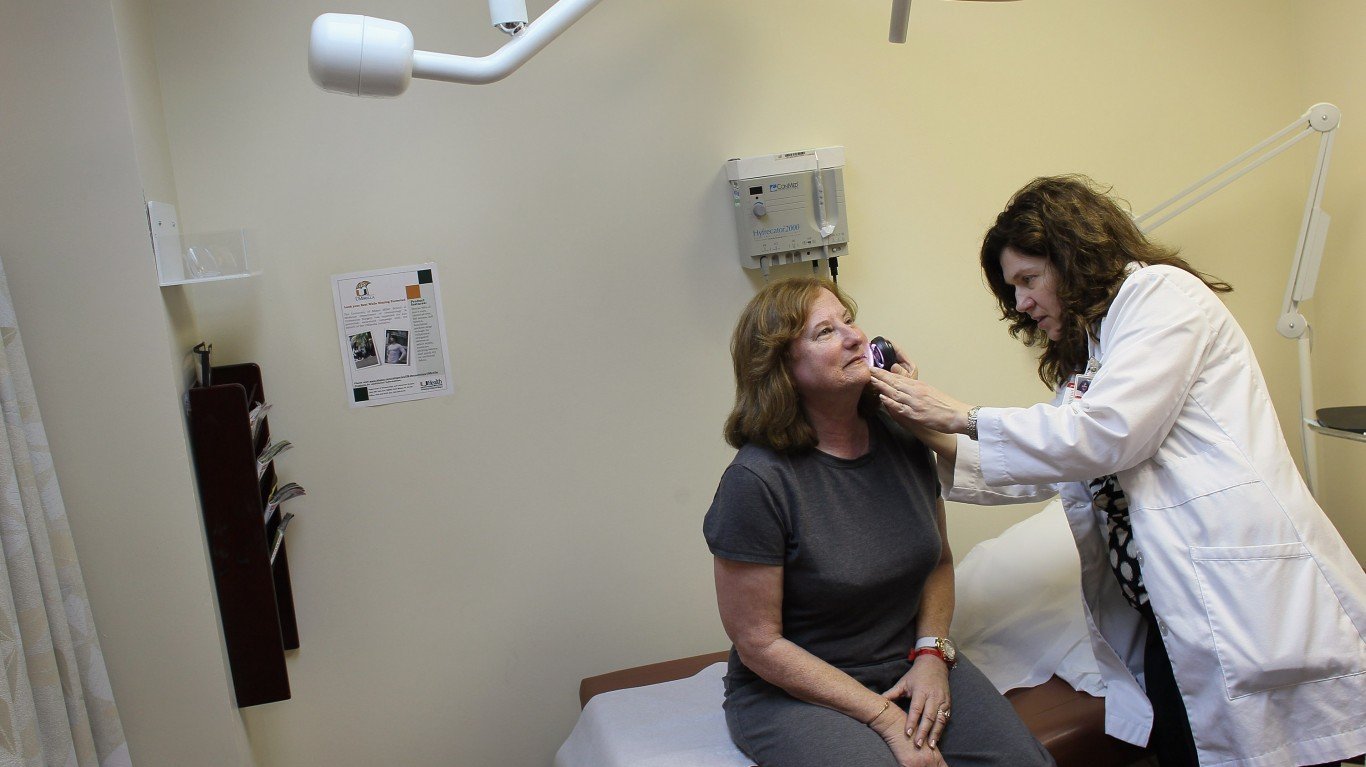
A 72-year-old walks into her doctor’s office for the Annual Wellness Visit (AWV) that Medicare describes as free. She feels fine. The nurse takes her vitals, and the doctor asks her to remember three words, draw a clock face and count backward from 100 by sevens. She stumbles on the clock.
The physician pauses. “Let’s schedule a fuller cognitive assessment,” he says. “Bring your daughter so we can talk through what you are noticing and put a care plan together.” She hears “follow-up.” What she does not hear is “separately billable visit.” Six weeks later, the explanation of benefits arrives. The wellness visit was free. The cognitive workup was not.
How One Concern Creates a Second Service
The AWV includes a required check for possible cognitive impairment. Medicare does not mandate one particular test or a five-minute limit, but clinicians may use a brief screening tool alongside their observations and information from family members.
When the provider accepts Medicare assignment, the AWV carries no Part B deductible or coinsurance. It is designed to identify a possible problem, not diagnose one. Once the physician moves from detection to evaluation, a second billing path can open. Two possibilities account for many of these surprises:
- A problem-oriented evaluation and management (E/M) service performed during the same appointment. Modifier 25 tells Medicare that the physician provided a significant, separately identifiable service beyond the wellness visit.
- Current Procedural Terminology (CPT) code 99483, covering a comprehensive cognitive assessment and written care plan. That service generally takes about an hour and requires an independent historian, such as a family member or caregiver.
Code 99483 can be performed alongside the AWV when all its requirements are met, although many practices schedule it separately. It cannot simply describe another 15 minutes of casual conversation. Either path can bring the Part B deductible and 20% coinsurance into play. The office has not changed. The purpose of the physician’s work has.
What the Patient Actually Owes
The 2026 Part B deductible is $283. Until the patient meets it, she pays the Medicare-approved amount for covered Part B services toward that deductible. After it is met, she generally pays 20%.
The deductible is not added to 20% of the entire bill. Suppose the approved amount for a cognitive service were $300 and none of the deductible had been met. The first $283 would satisfy the deductible, and 20% coinsurance would apply only to the remaining $17. Her responsibility would be $286.40.
If she had already met the deductible, her share of that same illustrative $300 service would be $60. Actual allowed amounts vary by service, provider setting and location. That difference makes the deductible status almost as important as the billing code.
Why the Shift Is Easy to Miss
Nothing dramatic necessarily happens when the appointment crosses from preventive screening into medical evaluation. The doctor may ask several more questions, discuss symptoms or order tests without leaving the room.
A physician does not necessarily stop and announce that a separately billable service has begun. The patient may first see the distinction weeks later, when the claim lists an E/M code with modifier 25 or code 99483 beside “patient responsibility.” The second service may be medically important. The surprise comes from believing that everything discussed during a no-cost wellness appointment inherits the same no-cost treatment.
Put the Billing Question in the Room
Three details can bring the price into view without interfering with necessary care:
- Ask whether anything beyond the AWV is being billed before the discussion expands.
- If a fuller assessment is recommended, ask whether it will be code 99483, how long it will take and what Medicare’s approved amount is likely to be.
- Review the resulting claim. If it includes an E/M service with modifier 25, the medical record should support work that was significant and separate from the wellness visit.
Coding surprises like this one sit alongside IRMAA surcharges and coverage gaps in a free guide we put together on Medicare’s hidden bills. The memory screen is still worth taking, and the follow-up may matter even more. The missing piece is not the care. It is knowing when the covered visit has suddenly become a medical one.
Contact [email protected] for any questions or corrections.
Gerelyn Terzo is the author of dividend investing handbook "Dividend Investing Strategies: How to Have Your Cake & Eat It Too." A veteran financial journalist, she covers agri-finance for outlets like Global AgInvesting and the broader stock market and personal finance for 24/7 Wall Street. She began at CNBC and later helped launch Fox Business in New York. Gerelyn currently resides in Woodland Park, Colorado and dabbles in nature photography as a hobby.