Everyone’s Chasing Arizona but Smart Retirees Are Buying Here Instead
Retirement planning handed everyone the same three zip codes decades ago, and most people never questioned whether the math still holds up. For a growing group of retirees, it doesn't, and they're quietly closing on homes in a state most…

This post may contain links from our sponsors and affiliates, and Flywheel Publishing may receive compensation for actions taken through them.
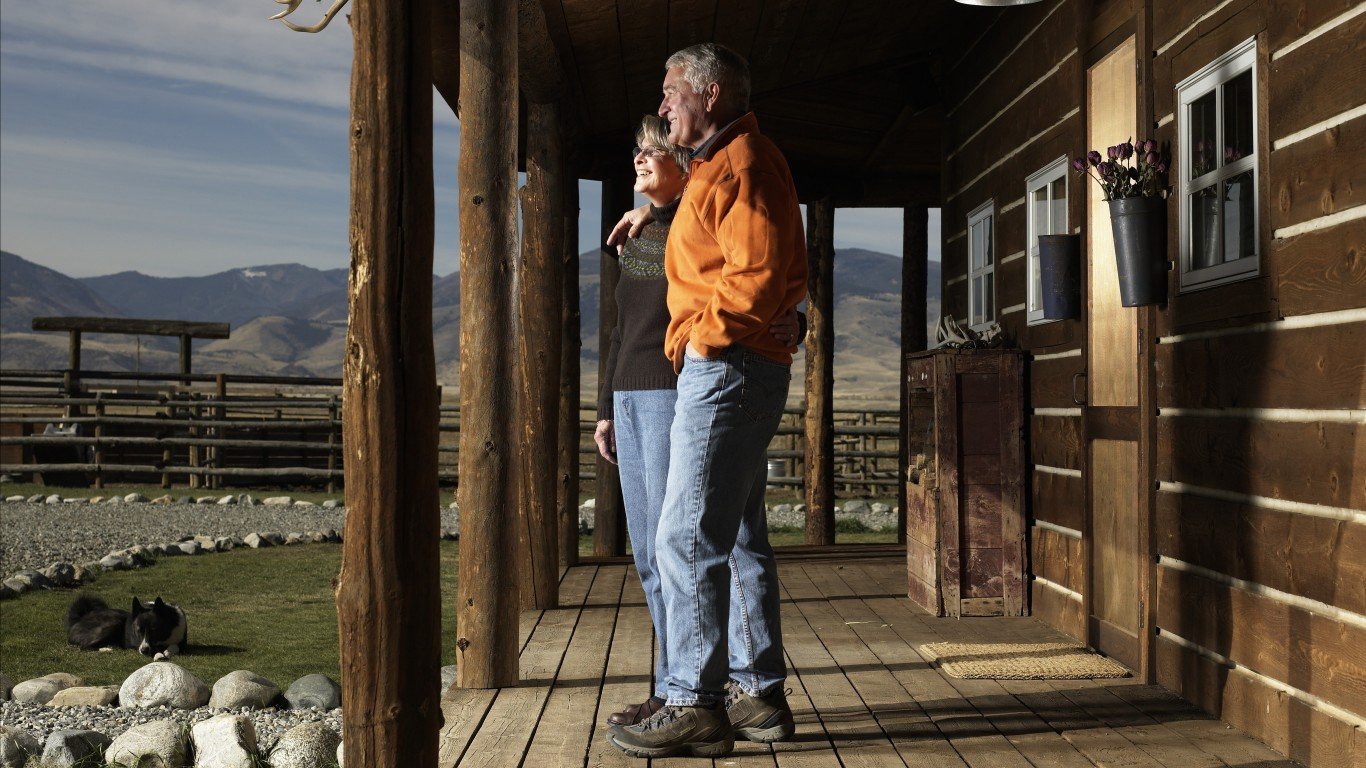
Every retirement planning conversation ends at the same three exits: Scottsdale, Sun City, Tucson. Arizona became the default answer so long ago that people forgot to check whether the math still works. It largely does not. Phoenix housing has caught up to the coasts, monsoon-season insurance premiums keep climbing, and the state’s flat 2.5% income tax touches every IRA withdrawal. Meanwhile, a growing group of retirees is closing on homes in Wyoming. For a specific kind of retiree, the numbers say Wyoming wins.
Why Wyoming Beats the Arizona Default on the Numbers
Start with two data points that reframe the conversation. Arizona’s cost-of-living index sits at 100.677, essentially the national average. Wyoming comes in at 92.691, with real income (purchasing power adjusted) at $93,438 against Arizona’s $65,580. Wyoming ranks 1st in the 2025 State Tax Competitiveness Index, with a weighted state and local tax burden of $5,335 per capita, near the bottom of the country. Arizona sits at $5,951.
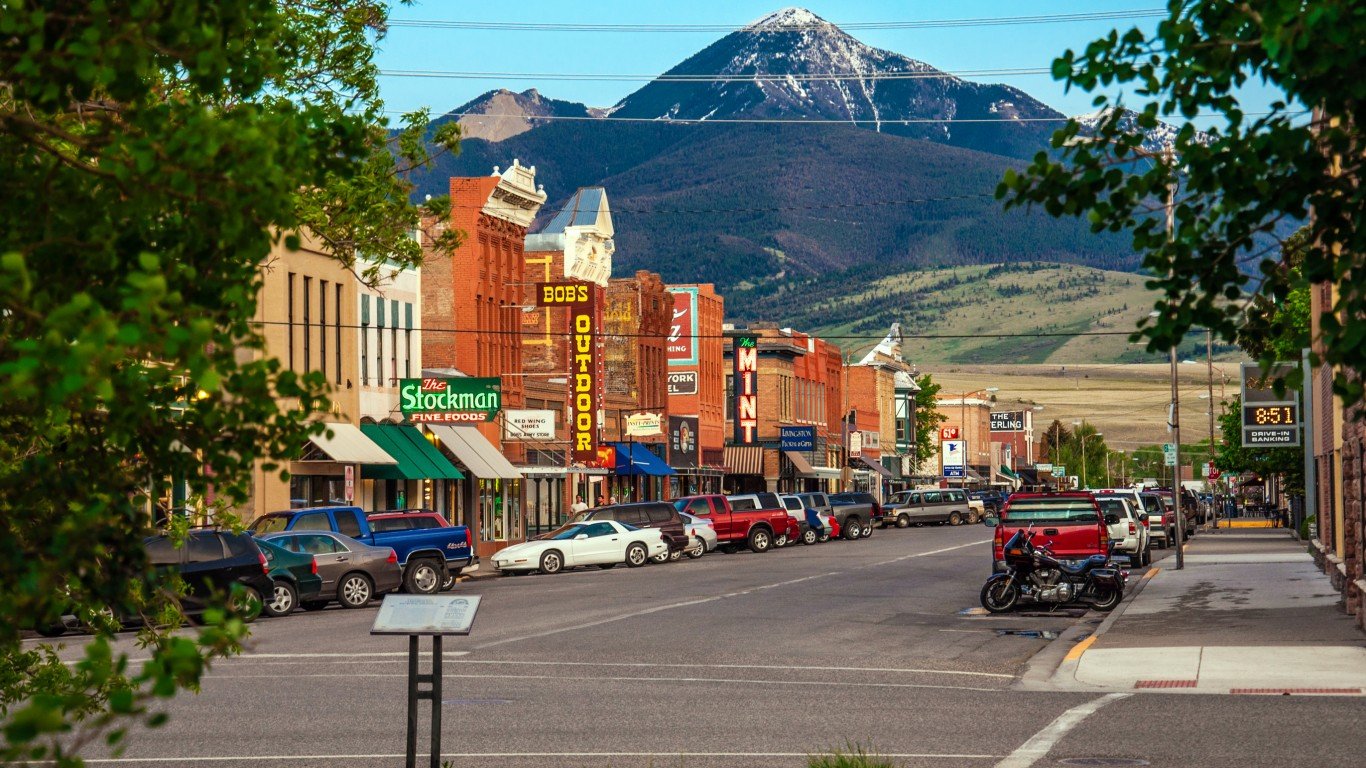
The scenario that works is Sheridan, Cheyenne, or Casper: livable small cities with hospitals and airports within reasonable reach, housing in the low-to-mid $400s for a solid three-bedroom on a quarter acre. Compare that to Phoenix suburbs where similar homes clear $550K to $600K with $300-a-month HOAs.
The Working Budget for a Couple Retiring at 62
Assume a couple, both 62, buying a $425,000 home in Sheridan with a paid-off mortgage. Annual budget in current dollars:
- Housing carrying cost: $8,500 (property taxes at roughly 0.55% effective rate, homeowners insurance, and maintenance reserve)
- Healthcare, pre-Medicare bridge: $19,200 for an ACA silver plan for two
- Food: $9,400 (USDA moderate-cost plan)
- Utilities and internet: $3,600
- Transportation: $7,200 including insurance, fuel, and vehicle replacement
- Miscellaneous, gifts, travel, reserves: $12,000
- Federal income tax on withdrawals: approximately $6,000
That comes to roughly $65,900 a year, which aligns with the BLS Consumer Expenditure Survey average annual household spend of $78,535 minus pieces retirees no longer carry. Call the working number $70,000.
The Portfolio Math, and Where Social Security Lands
Social Security is the lever. If both spouses claim at 62, average combined household benefits run about $36,000 a year. Delay one spouse to full retirement age and that number moves closer to $46,000. Delay the higher earner to 70 and household benefits exceed $58,000 in today’s dollars.
Take the $70,000 budget. Subtract $46,000 in Social Security (one at 62, one at 67) and you need $24,000 a year from the portfolio. At a 3.5% withdrawal rate appropriate for a 30-plus year horizon starting at 62, that’s a portfolio of roughly $685,000. Add a bridge reserve of $150,000 to $200,000 in a treasury ladder or short-duration bond fund for the pre-Medicare years, and the total portfolio target lands between $850,000 and $900,000.
That is meaningfully less than the same retirement in Scottsdale demands. Run the identical budget with Arizona housing, insurance, and the 2.5% state income tax on the full withdrawal stream, and the equivalent portfolio target is closer to $1.15 million. The Wyoming version buys the same lifestyle with roughly a quarter of a million dollars less in accumulated assets.
The Consideration Most Analyses Miss
Wyoming has no state income tax. What matters is how that interacts with the years between 62 and 73. Those are your Roth conversion years, the window where you can lift money out of a traditional IRA at controlled federal brackets before RMDs and Social Security push you into higher ones. In Arizona, every dollar of that conversion gets hit at 2.5% state. In Wyoming, it doesn’t. Over a decade of $40,000 to $60,000 annual conversions, that is $10,000 to $15,000 you keep, and every dollar compounds inside a Roth for life.
Lower lifetime state tax on conversions means a larger Roth balance, which means smaller taxable RMDs later, which means lower IRMAA surcharges on Medicare Part B and D once you cross 65. With the 2026 Social Security COLA at 2.8% and CPI running hot at 333.952 in June 2026, keeping IRMAA in the base tier for life is worth real money.
What It Actually Takes
A couple retiring at 62 to Sheridan or Cheyenne, buying at the $425,000 median, needs roughly $850,000 to $900,000 invested in a diversified mix of index funds and a treasury ladder bridge, a 3.5% withdrawal rate, and a Social Security strategy that delays at least one earner to full retirement age. You land a $70,000-a-year lifestyle in a state with no income tax, low property taxes, and affordable housing. The Arizona version of the same retirement asks for closer to $1.15 million and hands part of every withdrawal back to the state. The retirees closing on homes in Wyoming ran the math and noticed the default answer stopped being the right one.
Contact [email protected] for any questions or corrections.
I am a long time investor and student of business, and believe finding good companies that can become great investments is the best game on earth. After 20 years of writing and researching the public markets it is clear that individuals have never had more tools and information to take control of their financial lives. From ETFs and $0 commissions to cryptos and prediction markets there has never been a greater democratization of access to investing.
I write to help people understand the investments available to them so they can make the best choice for their portfolio, whether they're starting out or looking for income in retirement.