He Quit Farming at 64 and Cash-Rented 500 Acres for $135,500 a Year. Social Security Didn’t Count the Rent Against His Earnings Limit
A retired farmer collecting six figures in cash rent thought the Social Security earnings test was someone else's problem, but the moment his neighbor asked which fields to plant, everything changed.

This post may contain links from our sponsors and affiliates, and Flywheel Publishing may receive compensation for actions taken through them.
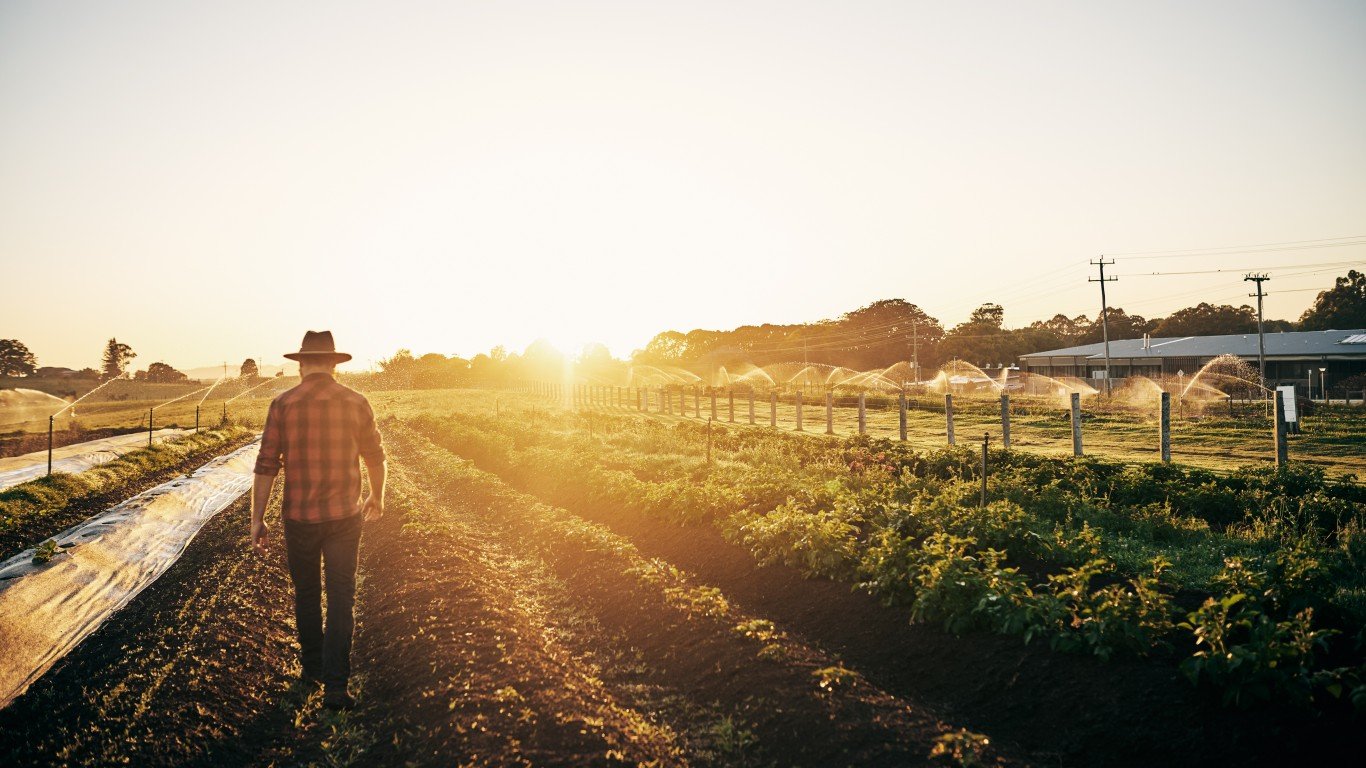
At 64, he is done with the 5 a.m. starts, but 500 acres still carry his name. He leases the ground to a neighbor and files for Social Security. Iowa State’s 2025 survey put average cash rent at $271 an acre, or $135,500 a year on 500 acres. The 2026 statewide average is $270.
A six-figure rent check looks like the kind of money that could blow through Social Security’s earnings test. But the test does not ask how large the deposit is. It asks whether the money came from work.
Because he is still below full retirement age (FRA), the 2026 limit is $24,480. Social Security withholds $1 for every $2 earned above it. If the rent counted as earnings, roughly $55,510 in annual benefits would appear to be at risk. In a fixed cash lease, it generally does not.
The Lease Decides What the Check Means
Ordinary rental income, along with pensions and dividends, generally falls outside the earnings test. Farm rental income has a special wrinkle. It can count as self-employment income when the landlord materially participates in producing or managing the crops or livestock.
A fixed cash lease gives him the cleanest path. The neighbor chooses the seed, sets the fertilizer plan, makes production decisions, sells the grain and takes the risk. The retired farmer collects rent and stays out of the operation.
That makes him a landlord, not a working farmer. The rent does not enter the Social Security earnings test.
The line gets less clear when the neighbor calls for advice.
How a Retired Farmer Can Drift Back In
Suppose the neighbor asks him which fields should be planted in soybeans. The retired farmer agrees to pay half the seed, lends out his planter and starts walking the fields every few weeks to discuss spraying and harvest timing.
He may still think of himself as retired. Social Security may see someone participating in production.
The agency does not use a simple three-of-four checklist. It looks at two questions. Did the rental agreement provide for the landlord’s participation, and did he actually participate?
Periodic advice and inspections are strong evidence. So are furnishing a substantial share of the machinery, tools or livestock, or assuming a substantial part of the production expenses. A cash-rent label does not erase what the landlord actually does.
Rent Is Not the Same as Farm Work
Some income still counts against the $24,480 limit. Wages from an off-farm job count. So does net income from custom farming. If he clears $40,000 from custom work, about $7,760 in benefits would be withheld. Those withheld months are not necessarily lost forever.
When he reaches FRA, Social Security recalculates his benefit to credit the months affected by the earnings test. Phasing out of farming creates exactly these kinds of tax and earnings-test puzzles. We mapped the four big traps that catch semi-retirees, detailed here: Retire Twice.
The Rent Can Still Raise His Tax Bill
Gross rent exaggerates what he keeps. Property taxes, repairs, insurance and maintenance come out first. The rent is also taxable income and can make more of his Social Security benefits taxable.
For a married couple filing jointly, once combined income passes $44,000, up to 85% of benefits can be included in taxable income. With farm rent in six figures, he should plan for that possibility even though the rent itself may stay outside the earnings test.
Before he signs the next lease, three details deserve attention:
- The written lease should say the tenant makes production and management decisions and supplies the inputs and equipment.
- His actual conduct matters. Regular inspections, production advice, shared costs and the use of his equipment can carry more weight than the label on the lease.
- Pay for farm work should stay separate from rent. If he hauls grain or sprays for the tenant, that work should have its own invoice.
The neighbor can keep the acres working. The retired farmer has to decide whether he is still working the farm.
Contact [email protected] for any questions or corrections.
Gerelyn Terzo is the author of dividend investing handbook "Dividend Investing Strategies: How to Have Your Cake & Eat It Too." A veteran financial journalist, she covers agri-finance for outlets like Global AgInvesting and the broader stock market and personal finance for 24/7 Wall Street. She began at CNBC and later helped launch Fox Business in New York. Gerelyn currently resides in Woodland Park, Colorado and dabbles in nature photography as a hobby.