Cramer Warns Costco May Have Lost Its Edge, Days Before Clark Howard Sends Retirees Straight Back
Jim Cramer told viewers Costco has lost its edge and pointed them toward dollar stores instead. Five days later, Clark Howard sent retirees straight back, and the math behind his advice could cost you thousands if you ignore it.

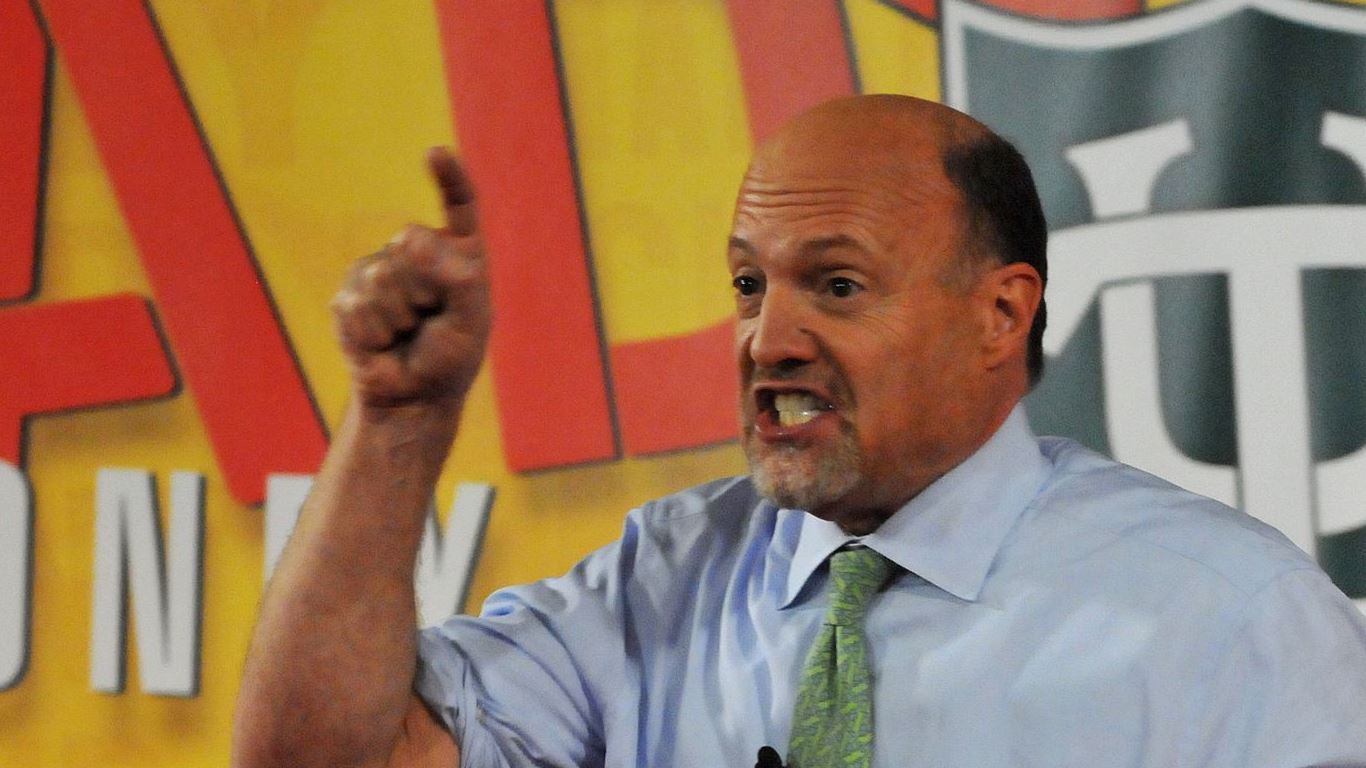
On CNBC last week, Jim Cramer told viewers he is “beginning to wonder whether this is the Costco of old” and suggested the great value in American retail may have shifted to the dollar stores. Five days later, on September 8, consumer advocate Clark Howard pointed his retirement-age audience in the opposite direction, telling them Costco’s cheaper hearing aids are just fine: “You’re not going to get a worse hearing aid” for paying less.
Two well-known money voices, one week apart, opposite verdicts on the same question: is a Costco (NASDAQ:COST | COST Price Prediction) membership still worth it? The stakes are concrete. If Cramer is right and the value has eroded, a retiree on a fixed income who renews out of habit is quietly losing money to the annual fee. If Howard is right, skipping Costco could cost that same retiree thousands on a single healthcare purchase.
Howard Wins This Round, and Here Is the Math
Howard has the stronger case, but only for shoppers who understand what they are buying. Cramer’s dollar-store pitch confuses low sticker price with low cost per unit of value. For high-ticket categories retirees actually spend on (prescription drugs, hearing aids, tires, gasoline, eyeglasses) dollar stores do not compete at all. Costco does, and the pricing gap can dwarf the membership fee many times over.
To see why, walk through the break-even. Costco’s Gold Star membership runs roughly $65 a year, with the Executive tier at $130. Executive members get 2% back on most purchases, capped annually. The break-even between the two tiers is straightforward: you need to spend enough at Costco each year for the 2% rebate to cover the extra fee. Below that threshold, Gold Star wins. Above it, Executive wins, and the reward grows with every dollar.
Now layer in Howard’s hearing aid example. Hearing aids at audiology clinics often run several thousand dollars per pair. If Costco’s private-label Kirkland Signature devices come in materially cheaper (and Howard has been telling listeners for years they do), a single purchase can pay the membership fee for decades. That is the mechanic Cramer’s “dollar store” line ignores entirely. A retiree does not buy hearing aids at Dollar Tree.
Why the Business Still Works, Even With Cramer’s Doubt
The financials back up the value story. Costco’s worldwide renewal rate sits at 89.7%, meaning nearly nine in ten members re-up every year. Executive members now drive about 75% of net sales, which tells you the heaviest users are voluntarily paying the higher fee because the math works for them. Membership fee income reached $1.37 billion in fiscal Q3 2026, up almost 11% year over year, and comparable sales rose 9.8%. Shoppers who feel ripped off do not behave that way.
The stock, meanwhile, has cooled. Shares closed near $910, down about 4% over the past year and up roughly 6% year to date. Costco reports fiscal Q4 results after the close on September 24, 2026, which is when the value argument gets tested in numbers rather than soundbites.


One Variable Decides It for You
The factor that swings the membership from smart to wasteful is annual spend at the warehouse. Run two scenarios:
- Light user: a retiree who visits twice a month for household staples and spends $1,500 a year. A 2% Executive rebate returns $30, which does not cover the $65 upgrade over Gold Star. Stick with Gold Star, and even that only pays off if the per-trip savings on groceries, gas, and pharmacy beat the $65 fee.
- Heavy or healthcare-driven user: a retiree who spends $6,000 a year across groceries, gas, tires, and one hearing aid or eyeglass purchase. Executive rebate returns $120, nearly covering the fee, and the healthcare purchase alone likely saves four figures versus retail. Membership pays for itself many times over.
What to Do Before You Renew
Pull last year’s Costco receipts or the annual summary Costco emails Executive members. Add the total. If you spent under about $3,250, the 2% Executive rebate cannot cover the tier upgrade on its own, so downgrade to Gold Star and reassess. Then price one or two big-ticket items you are likely to buy in the next year (hearing aids, tires, a mattress, prescription eyeglasses) against Costco. If any single purchase saves more than the fee, Howard’s advice holds and Cramer’s doubt does not apply to you. The membership question comes down to arithmetic.
Contact [email protected] for any questions or corrections.
Jake has been been working in financial media for almost 15 years. He focuses on all things personal finance for 24/7 Wall St. with high hopes to educate and entertain. Most recently, Jake spent 12 years working various roles at The Motley Fool. He started copy editing fool.com content, worked on premium and marketing campaigns, and helped launch The Ascent, a personal finance brand.
His work has been featured on platforms like MSN, Yahoo Finance, USA Today, and more. He's written about credit cards, social security, ETFs, savings accounts, and just about anything else you can imagine when thinking about money. Jake love to cook, play golf, and tell people he's never had a cavity. (It's true!)