An Italian Wine Family Keeps Buying Oregon Vineyards as Lodi’s Grape Market Falls 50%. At 63, a Vineyard Sale Can Buy Time Before Social Security.
When a vineyard sale lands a grower a large check, the IRS sees multiple assets changing hands at different tax rates, and Social Security may not be done with the math either. A willing buyer could hand a 63-year-old something…

This post may contain links from our sponsors and affiliates, and Flywheel Publishing may receive compensation for actions taken through them.
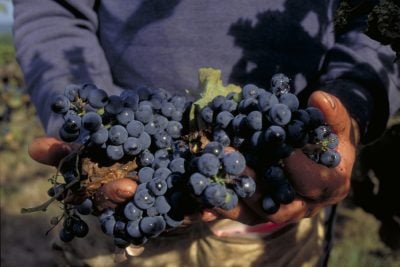
Two corners of West Coast wine country are moving in very different directions. In California’s Lodi region, the grape market is now about 50% below its 2018 peak, according to industry officials, and roughly 30,000 vineyard acres have disappeared over the past decade. Growers entered the 2026 harvest with grapes still looking for buyers. Farther north, Italy’s Marzotto family keeps expanding its footprint in Oregon. Herita Marzotto Wine Estates made its fourth Willamette Valley investment with the acquisition of 59 acres of Domaine Lumineux vineyards, bringing its productive holdings in the region to roughly 110 acres.
For a 63-year-old vineyard owner wondering whether this is the year to stop farming, those two trends point to the same question: if a buyer comes along, could selling the vineyard fund retirement long enough to leave Social Security alone for a few more years? It can, but the check from a vineyard sale is not nearly as simple as it looks.
The Sale Can Buy Four Years of Time
For someone born in 1960 or later, full retirement age (FRA) is 67. Claiming Social Security at exactly 63 generally pays 75% of the benefit available at FRA. Someone entitled to $2,500 a month at 67 would receive roughly $1,875 if he starts four years earlier.
Selling the vineyard can create another option. Instead of filing simply because farm income stopped, the owner can potentially use after-tax sale proceeds to cover some or all of the years between 63 and 67. Waiting until FRA would lift that hypothetical benefit by $625 a month. Waiting beyond FRA can add delayed retirement credits of 8% a year until 70. The sale is not automatically a reason to delay. Health, cash needs and longevity all matter. Its value is that it can separate two decisions that otherwise tend to arrive together: stopping work and starting Social Security.
A Vineyard Is Not One Asset to the IRS
The buyer may write one large check, but the tax code sees several things changing hands. A working vineyard can include land, grapevines, buildings, tractors and other equipment, plus grapes or wine held for sale. The IRS requires the gain or loss on different farm assets to be calculated separately. That distinction also matters to Social Security.
Gain from selling land and other qualifying business property generally stays outside net earnings from self-employment. Inventory is different. Grapes, bottled wine or other property held primarily for sale to customers can still produce ordinary farm or business income. So a 63-year-old who has already claimed benefits should not assume the entire vineyard sale is invisible to the earnings test merely because he is selling the business. The allocation inside the deal matters.
Time Can Change the Tax Calendar
A vineyard owner also does not necessarily have to receive every dollar at closing. Certain farm property can qualify for an installment sale, allowing eligible gain to be recognized as payments arrive over several years. That can turn one large exit payment into a retirement-income stream. There are limits. Inventory generally follows different rules, and depreciation recapture on assets such as equipment may have to be recognized in the year of sale even when other gain is deferred.
For a 63-year-old, spreading eligible gain can matter for another reason: Medicare. Income-related Part B and Part D surcharges generally look back two tax years. A large taxable gain at 63 can therefore help determine Medicare premiums at 65. An installment structure may alter when some eligible gain reaches the return, although the tax consequences need to be modeled before the contract is signed.
Price the Exit Before Pricing Social Security
Before accepting an offer for the vineyard, three steps are worth your time:
- Calculate the after-tax proceeds. Land, vines, equipment and inventory can produce different tax results.
- Compare Social Security at 63 and 67. The useful question is how much bridge money is actually required to make waiting possible.
- Model the sale year and payment schedule. A large gain can reach Medicare two years later, while an installment sale may spread certain eligible gains across multiple years.
Lodi growers are pulling vines while an Italian wine family keeps adding them in Oregon. For a grower nearing retirement, the most valuable thing a willing buyer may offer is not simply a price for the vineyard. It may be enough time to choose when the Social Security check begins.
Contact [email protected] for any questions or corrections.
Gerelyn Terzo is the author of dividend investing handbook "Dividend Investing Strategies: How to Have Your Cake & Eat It Too." A veteran financial journalist, she covers agri-finance for outlets like Global AgInvesting and the broader stock market and personal finance for 24/7 Wall Street. She began at CNBC and later helped launch Fox Business in New York. Gerelyn currently resides in Woodland Park, Colorado and dabbles in nature photography as a hobby.