America Has Lost 35% of Its Christmas Tree Acreage. At 63, a Tree’s 7th Year Can Change What Social Security Counts.
A Christmas tree grower who waits one extra season before cutting can step through a federal tax door that Social Security cannot follow through, but the timing has to be planned long before the trees come down.

This post may contain links from our sponsors and affiliates, and Flywheel Publishing may receive compensation for actions taken through them.
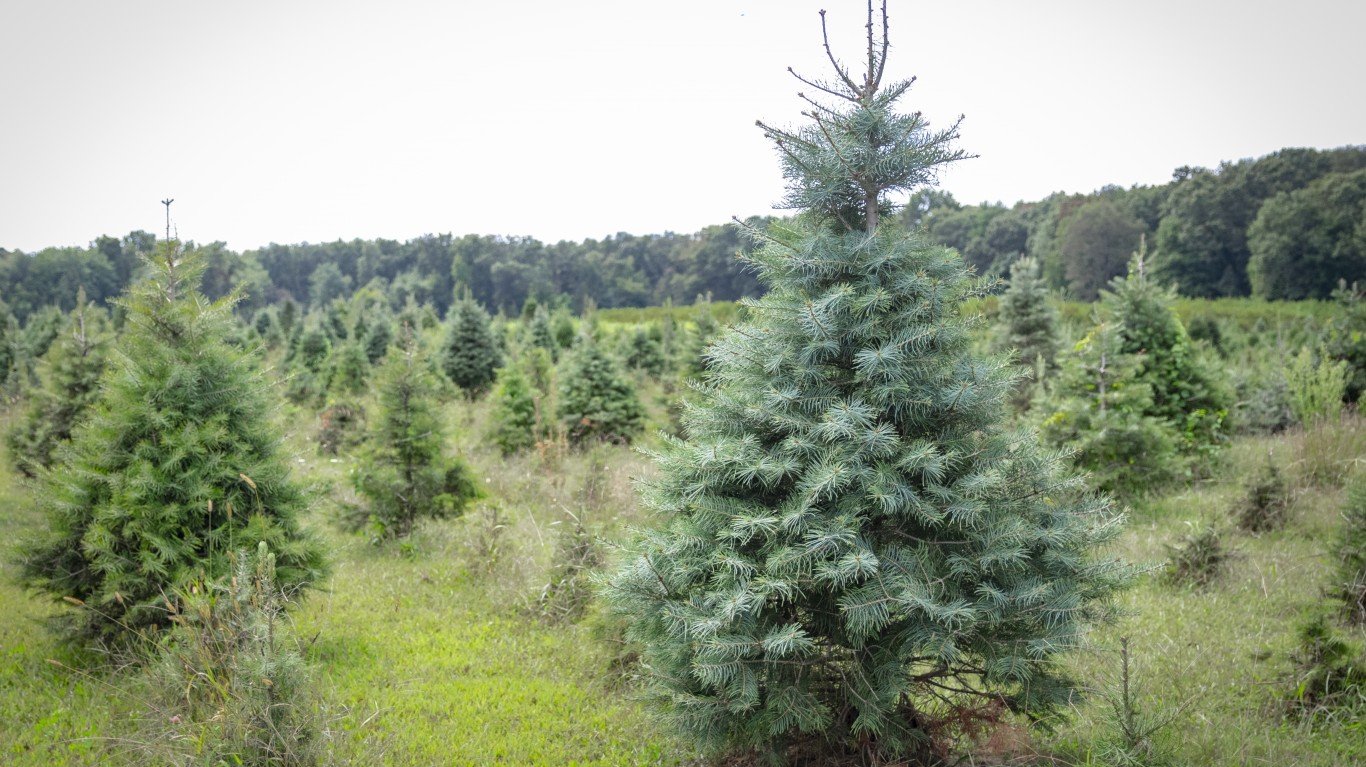
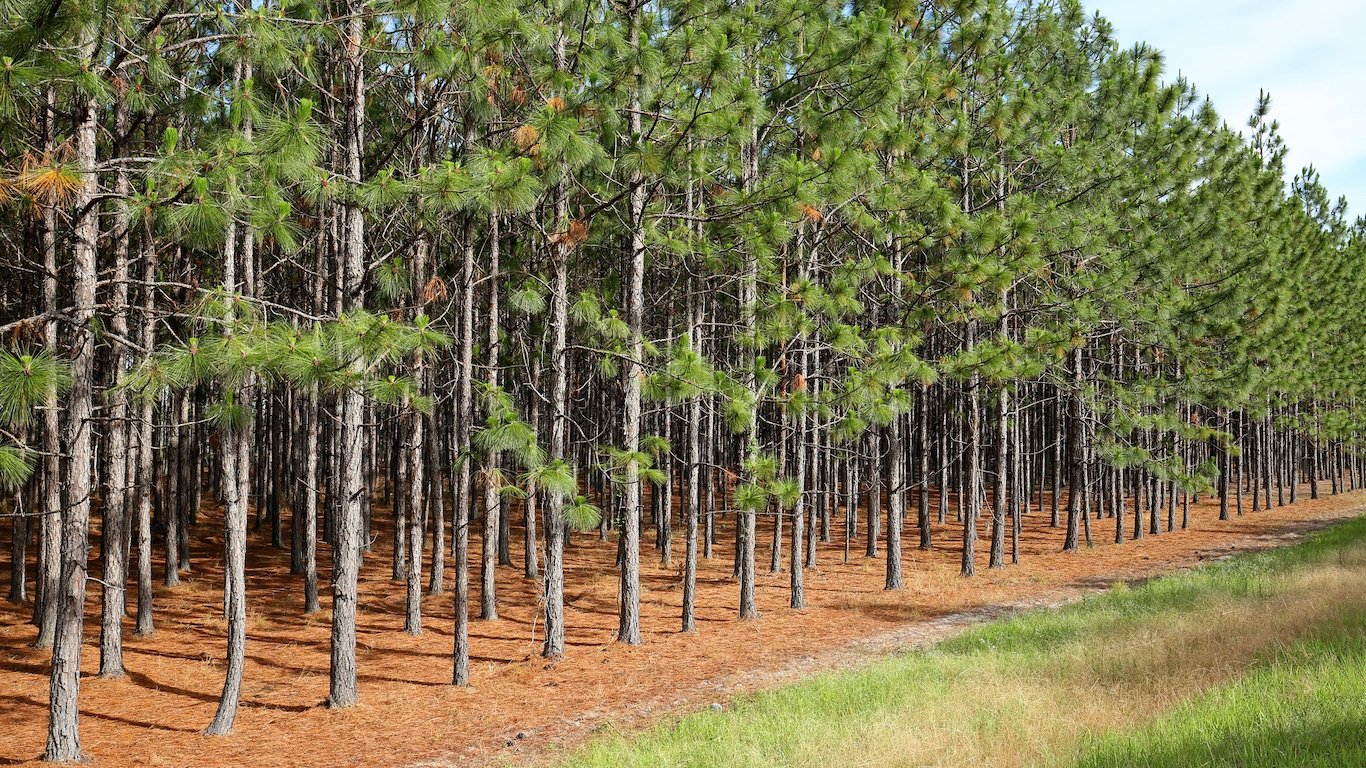
A Christmas tree grower may tend the same tree more than 100 times before it reaches a living room. The crop itself typically takes seven to 10 years to mature. That long growing cycle has become harder to sustain. From 2002 to 2022, U.S. Christmas tree acreage fell 35%, from roughly 450,000 acres to 293,000, while the number of farms harvesting trees dropped nearly 30%. About 10,000 farms still harvested 14.5 million trees worth $553 million in 2022.
For a 63-year-old grower collecting Social Security while still working the farm, one more growing season can matter for an entirely different reason. Federal tax rules treat ornamental evergreens differently once they are more than six years old when cut. That can change how much of the harvest Social Security sees as earnings.
The 7th Year Opens a Different Tax Door
For someone born in 1960 or later, full retirement age (FRA) is 67. In 2026, someone under FRA all year can earn $24,480 before Social Security begins withholding $1 in benefits for every $2 above the limit. The earnings test counts wages and net earnings from self-employment.
Christmas trees usually belong to a farm’s ordinary business. But the IRS specifically says ornamental evergreens that are more than six years old when severed from their roots and sold for ornamental purposes qualify as timber. If the other requirements are met, a grower can elect Section 631(a) treatment. That election separates the value built into the standing tree from the business income generated after it is cut. The gain on the cutting is treated as a Section 1231 transaction, while a later sale of the cut tree can still produce ordinary business income.
Social Security makes the distinction especially valuable: qualifying gain from timber cutting under Section 631 is specifically excluded from net earnings from self-employment. A younger tree generally does not get through that door.
Same Farm, Different Growing Season
Picture two blocks on the same Christmas tree farm. One contains trees that are six years old or younger when cut. Sales from those trees generally remain ordinary farm-business income after expenses. The neighboring block contains trees that have passed the six-year threshold. If the grower qualifies and makes the Section 631(a) election, the gain attributable to the standing timber can fall outside Social Security’s self-employment earnings calculation.
Not every dollar from selling the older trees disappears from the earnings test. Once the trees are cut, any additional business profit from processing and selling them can still be ordinary income. That is the important distinction. The seventh year does not make the Christmas tree tax-free. It can change how the income is divided between a timber transaction Social Security excludes and ordinary farm earnings it may count.
The Election Requires More Than Counting Rings
Section 631(a) is not automatic. The grower generally must have owned the timber, or held the contractual right to cut it, for more than a year. The election is made on the tax return for the cutting year and cannot be added later on an amended return. Once made, it generally continues into later years unless revoked.
Valuation also matters. The gain on the cutting is based on the difference between the timber’s adjusted depletion basis and its fair market value as standing timber on the first day of the tax year. That fair market value then becomes the basis for calculating ordinary income when the cut trees are eventually sold. So this is not a strategy to invent in December after the trees have already left the farm. Age records, basis and standing-tree values need to support the treatment.
The Section 631 gain can still reach the income-tax return even when Social Security excludes it from the earnings test. For a 63-year-old, a sufficiently large taxable gain can also matter later because Medicare generally looks back two tax years when determining income-related premiums (phasing out of full-time work has four tax traps of its own, and we mapped them in a free semi-retirement guide: Retire Twice).
Before the Trees Come Down
Three things deserve a closer look before harvest:
- Know the age of each block. The federal timber rule begins only once an ornamental evergreen is more than six years old when cut.
- Know what portion of the transaction Section 631 actually covers. The standing-tree gain can receive different treatment from the ordinary business income earned after cutting.
- Put the harvest beside the Social Security calendar. Before FRA, ordinary net self-employment earnings can still trigger benefit withholding.
America has lost more than a third of its Christmas tree acreage in two decades. For a 63-year-old still tending the trees that remain, one extra season in the ground can change more than the size of the tree. It can also decide whether Social Security sees part of the harvest as farm earnings or leaves it in the timber bucket.
Contact [email protected] for any questions or corrections.
Gerelyn Terzo is the author of dividend investing handbook "Dividend Investing Strategies: How to Have Your Cake & Eat It Too." A veteran financial journalist, she covers agri-finance for outlets like Global AgInvesting and the broader stock market and personal finance for 24/7 Wall Street. She began at CNBC and later helped launch Fox Business in New York. Gerelyn currently resides in Woodland Park, Colorado and dabbles in nature photography as a hobby.