Everyone’s Chasing Florida’s Gulf Coast. The Retirees Who Priced It Twice Bought Somewhere Else
The Gulf Coast retirement price looks reasonable until the second round of numbers arrives: the actual insurance quote, the post-sale tax reset, and the condo reserve study that Zillow never shows you.

This post may contain links from our sponsors and affiliates, and Flywheel Publishing may receive compensation for actions taken through them.

A retired couple in their early sixties visits Naples or Sarasota, falls for the water, and pencils out a number that seems to work. Then the second pricing pass arrives: an actual insurance quote on a specific address, the tax bill the county will assess, and the reserve study from the condo association. The number moves, but what really happens when you run the figures and realize you might want to buy somewhere else entirely.
Where the Gulf Coast Number Actually Lands
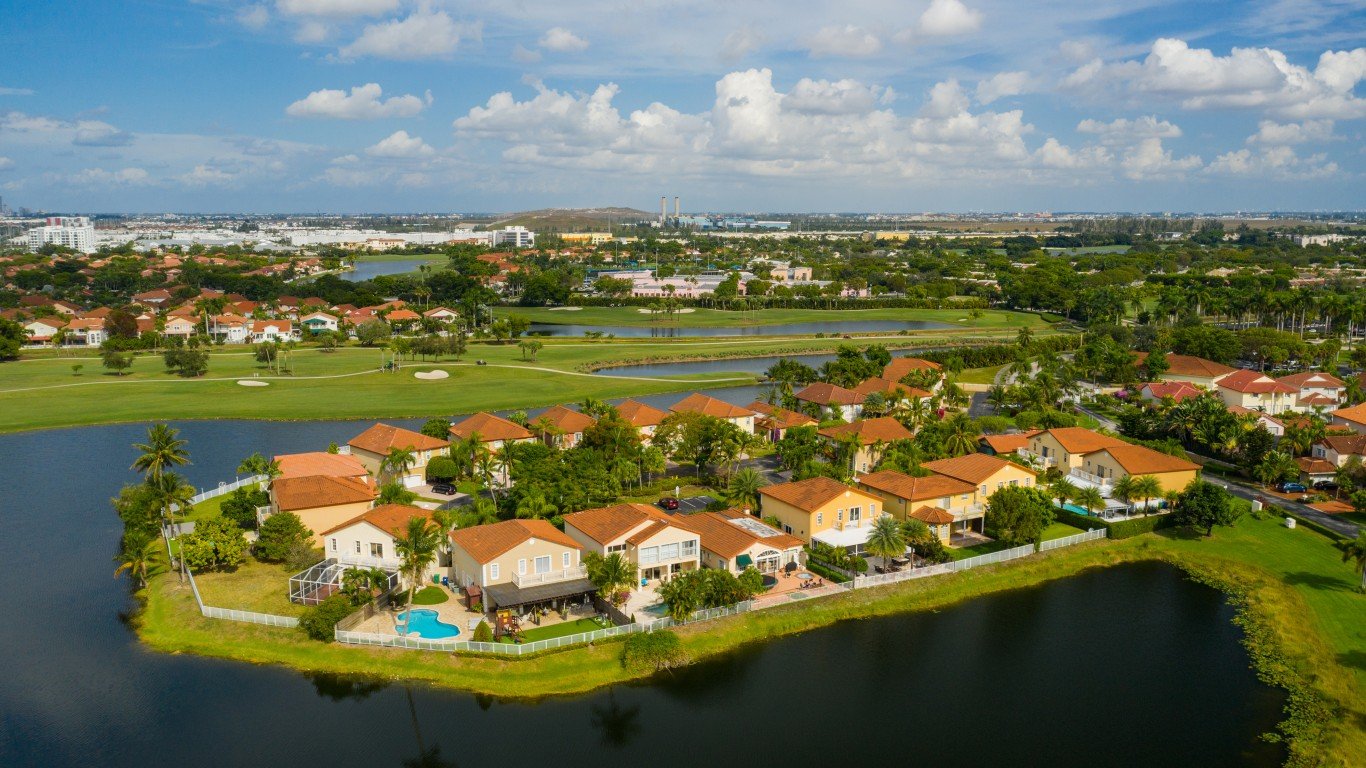
The sticker on a Gulf Coast retirement condo or single-family home understates what a new buyer actually pays to hold it. Florida’s statewide cost-of-living index sits at 103.4, above the national benchmark of 100, and coastal counties run well ahead of the state figure. The Case-Shiller index reached 336.7 in June 2026, a fresh high, meaning anyone buying in has to insure and tax a peak-priced asset.
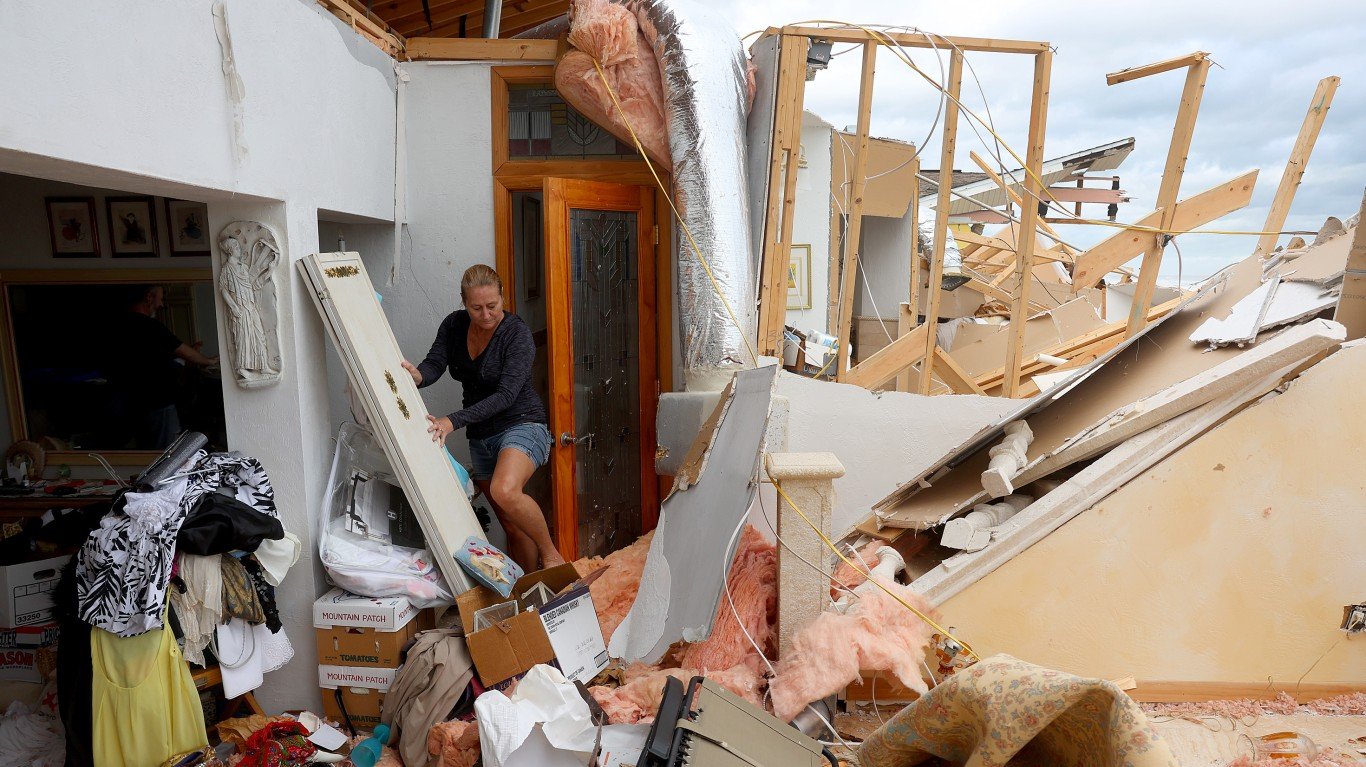
Four line items do the damage on the second pass. Wind and hail premiums on coastal single-family homes have climbed for years, with Citizens Property Insurance quotes regularly clearing five figures for modest homes near the water.
Flood insurance under the NFIP’s Risk Rating 2.0 methodology is priced to the individual structure, so a house in an AE or VE zone can carry a premium that would have shocked the prior owner. Property taxes reset to market on transfer once the seller’s Save Our Homes cap is stripped away, typically doubling or tripling the annual bill.
For anything in an association, Florida’s post-Surfside structural integrity reserve study and milestone inspection regime has forced boards to fully fund reserves, producing special assessments that show up in board minutes long before the MLS. The challenge is that none of this information appears on Zillow as buyers shop around. It only appears on the second pricing pass.
Buyer Who Priced It Twice Lands in Baldwin County, Alabama
The destination that keeps winning the like-for-like comparison is the eastern shore of Mobile Bay: Fairhope, Daphne, and Spanish Fort in Baldwin County, Alabama. It is coastal, warm, has a walkable downtown and hospital system, and prices very differently. Alabama’s cost-of-living index is 88.8, versus Florida’s 103.4, and Alabama’s purchasing-power-adjusted real income of $64,455 reflects how much further a dollar goes there.
Alabama does not tax Social Security or defined-benefit pension income from qualifying plans. It does tax IRA and 401(k) withdrawals at ordinary rates, which matters for retirees whose income is mostly portfolio distributions. On the WSJ’s national ranking of retiree-relevant tax structures, Alabama ranks 38, well behind Florida’s rank 4. The buyer still comes out ahead because property tax and insurance savings on a specific Fairhope address dwarf the Alabama income tax on a mid-six-figure withdrawal.
What Alabama Costs the Buyer
Baldwin County has fewer direct flights than Tampa or Fort Myers, which matters when grandchildren live in the Northeast. Healthcare capacity is real but thinner than Sarasota or Naples, and specialist depth trails Florida’s larger retiree markets. The transplant community is smaller. Moving 150 miles west along the same coastline does not reduce hurricane exposure; Baldwin County took a direct hit from Sally in 2020, and insurance underwriters price it accordingly. Wind premiums are lower than in Lee or Collier County, Florida, but a coastal AE-zone address still carries an NFIP flood policy.
Verdict and the Document That Decides It
A retiree whose retirement is defined by a specific Florida community, an existing medical relationship, or family within an hour should buy on the Gulf Coast and budget realistically for what it costs. A retiree whose priority is stretching a portfolio against a fixed benefit stream, with the 2027 Social Security COLA tracking near 3.3% and roughly $78,535 in average annual household spending to fund, is better served in Baldwin County. The deciding factor is whether the water view is the point or the byproduct.
The document that changes the math is the binder from an admitted carrier quoting wind and flood on the exact address, stapled to the county’s post-sale tax estimate and, for any association, the current reserve study. Retirees who ask for those three pieces of paper before writing an offer are the ones who end up in Fairhope.
Contact [email protected] for any questions or corrections.
David Beren has been a Flywheel Publishing contributor since 2022. Writing for 24/7 Wall St. since 2023, David loves to write about topics of all shapes and sizes. As a technology expert, David focuses heavily on consumer electronics brands, automobiles, and general technology. He has previously written for LifeWire, formerly About.com. As a part-time freelance writer, David’s “day job” has been working on and leading social media for multiple Fortune 100 brands. David loves the flexibility of this field and its ability to reach customers exactly where they like to spend their time. Additionally, David previously published his own blog, TmoNews.com, which reached 3 million readers in its first year. In addition to freelance and social media work, David loves to spend time with his family and children and relive the glory days of video game consoles by playing any retro game console he can get his hands on.