She’ll Retire in Florida With $150,000. Then the State’s Condo Crisis Will Hand Her a $3,600-a-Month Job in Her Own Building
A paid-off condo near the Gulf sounded like the finish line, but a single letter from the association board turned her retirement plan into something closer to a second career. Florida's condo crisis is forcing owners in older buildings to…

This post may contain links from our sponsors and affiliates, and Flywheel Publishing may receive compensation for actions taken through them.

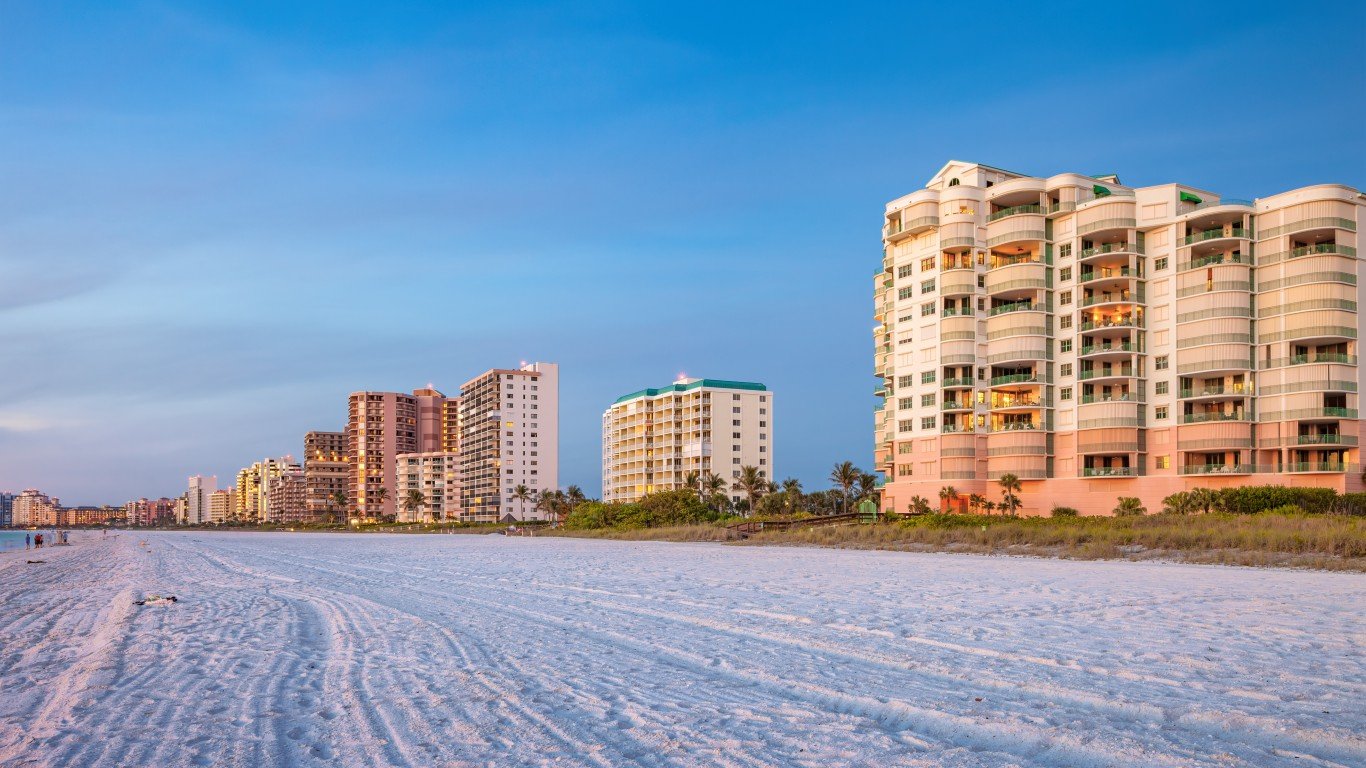
Picture a 65-year-old widow. She sells her house up north, buys a paid-off two-bedroom condo in an older building near the Gulf, and keeps $150,000 in an IRA alongside her Social Security check. Two years later, the association board mails a notice. Regular dues plus payments on a special assessment for concrete repairs and newly required reserves now total $3,600 a month.
That bill is the size of a paycheck. To keep her home, she effectively needs a job whose entire purpose is funding her building, and Florida condo owners in older buildings are working through some version of this decision right now.
Why Florida Condo Owners Are Suddenly Paying for Decades of Delay
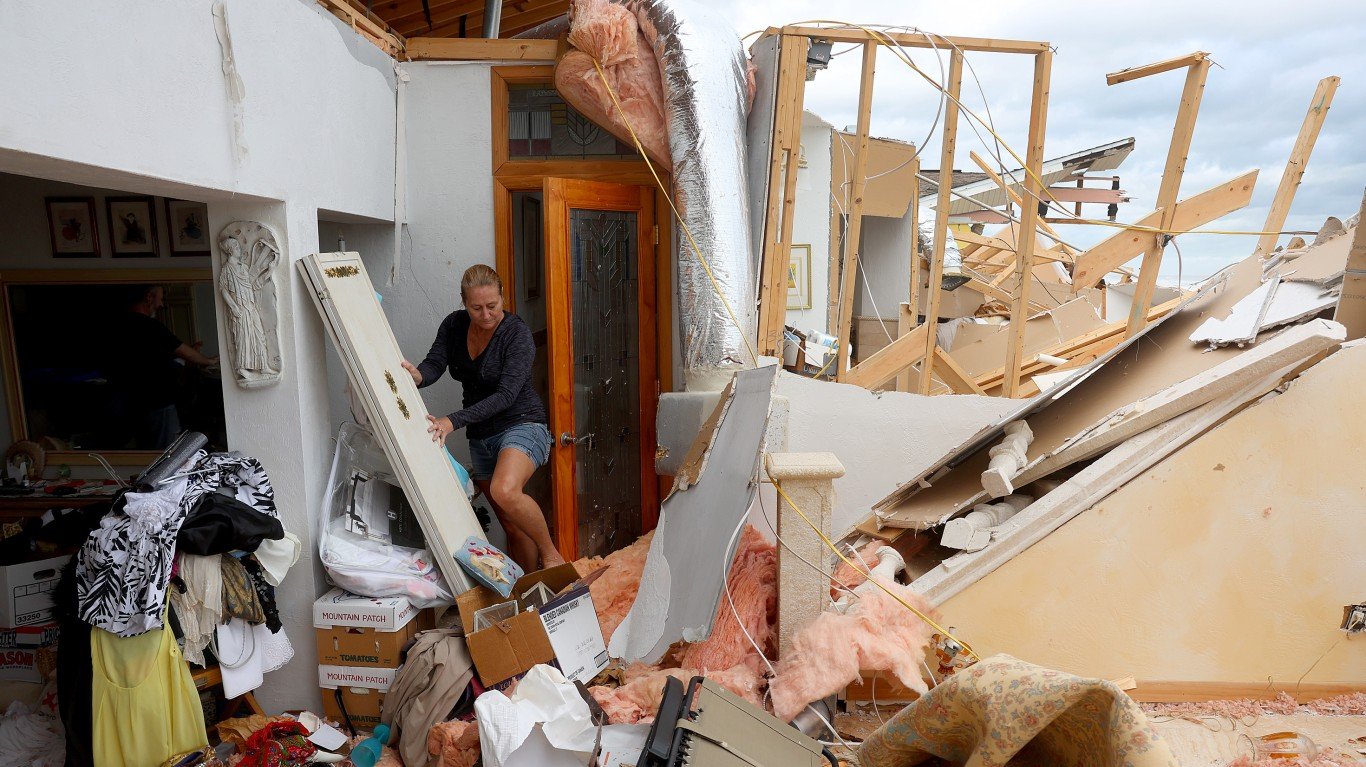
After the 2021 collapse of Champlain Towers South in Surfside, Florida lawmakers required milestone structural inspections for older multistory condo buildings and structural integrity reserve studies. They also ended the long-standing practice of letting owners vote to waive reserve funding for major structural components like roofs, load-bearing walls, and foundations.
Many associations had kept dues low for years by skipping those reserves. The new rules pushed that deferred bill onto whoever owns the units today, often in the form of large special assessments or sharply higher monthly dues.
Florida Costs More Than Its Tax Reputation Suggests
Florida earns its retiree-friendly image on taxes. It ranks 4th overall on the 2025 State Tax Competitiveness Index and 1st on individual income tax. Its income-adjusted state and local tax burden of $5,110 per person sits among the lowest in the country.
Everyday costs tell a different story. Florida’s cost-of-living index is 103, above the national benchmark of 100 and higher than Georgia at 96 or Tennessee at 92. Tax rankings also leave out condo dues and insurance, which is exactly where her budget is breaking.
One Question Decides Whether She Can Stay
Everything depends on whether her guaranteed income can cover the new housing cost without touching principal. If Social Security alone can’t carry the $3,600, the IRA has to, and a bill that size would consume the whole account within a few years.
Her cushion is thin to begin with. Fidelity puts the average 401(k) balance for savers aged 65 to 69 at $251,400, and Northwestern Mutual’s survey respondents said they need $1.26 million to retire comfortably. Already, 51% of Americans think they are likely to outlive their savings.
Taxes make the IRA path worse. Florida collects no income tax, but every traditional IRA dollar is federally taxable. Pulling a lump sum to pay an assessment can push a single year’s income into a higher federal bracket, reducing what actually reaches the association. (The quiet years before required withdrawals begin are usually the best window to reshape a pre-tax balance. That is the whole subject of our free Roth conversion guide.)
Path One: Keep the Unit and Earn the Difference
Staying can work under three conditions. The assessment has a fixed end date, usually because the association financed repairs with a loan, and the building will be fully funded and marketable once repairs finish. And she is healthy enough to take steady part-time work for the full repayment period.
She would be working in retirement to cover her building’s past neglect, with no guarantee the unit’s resale value recovers, since many buyers avoid buildings with open assessments.
Path Two: Sell, Rent, and Protect the $150,000
For most retirees in her position, this is the stronger choice because selling converts an open-ended liability into a known number. Renting replaces surprise assessments with a predictable monthly cost she can match against Social Security.
She may take a lower sale price, because buyers will discount for the assessment. Accepting that loss still beats spending her only liquid savings on repairs and reserves. Relocating is another option: Tennessee also ranks 1st on individual income tax and carries a lower cost-of-living index than Florida.
What to Check Before This Bill Reaches Your Mailbox
- Get the building’s paperwork first. Request the structural integrity reserve study, the milestone inspection report, and the current reserve balance. If reserves look underfunded, assume an assessment is coming and price it into any decision to buy or stay.
- Avoid draining the IRA in one tax year. The priciest mistake is a large single withdrawal to pay an assessment, which creates a federal tax bill and leaves nothing for health costs later. If pre-tax money must cover the bill, a CPA who can spread withdrawals across tax years or line them up with an association payment plan can save real dollars.
If her Social Security can’t cover the new dues on its own, keeping the condo only delays the same decision while the savings reducing. Selling early preserves both the money and her options.
Contact [email protected] for any questions or corrections.
Jake has been been working in financial media for almost 15 years. He focuses on all things personal finance for 24/7 Wall St. with high hopes to educate and entertain. Most recently, Jake spent 12 years working various roles at The Motley Fool. He started copy editing fool.com content, worked on premium and marketing campaigns, and helped launch The Ascent, a personal finance brand.
His work has been featured on platforms like MSN, Yahoo Finance, USA Today, and more. He's written about credit cards, social security, ETFs, savings accounts, and just about anything else you can imagine when thinking about money. Jake love to cook, play golf, and tell people he's never had a cavity. (It's true!)