The Retirees Who Left Florida for Good Say the Bill That Broke Them Was Not the One They Feared
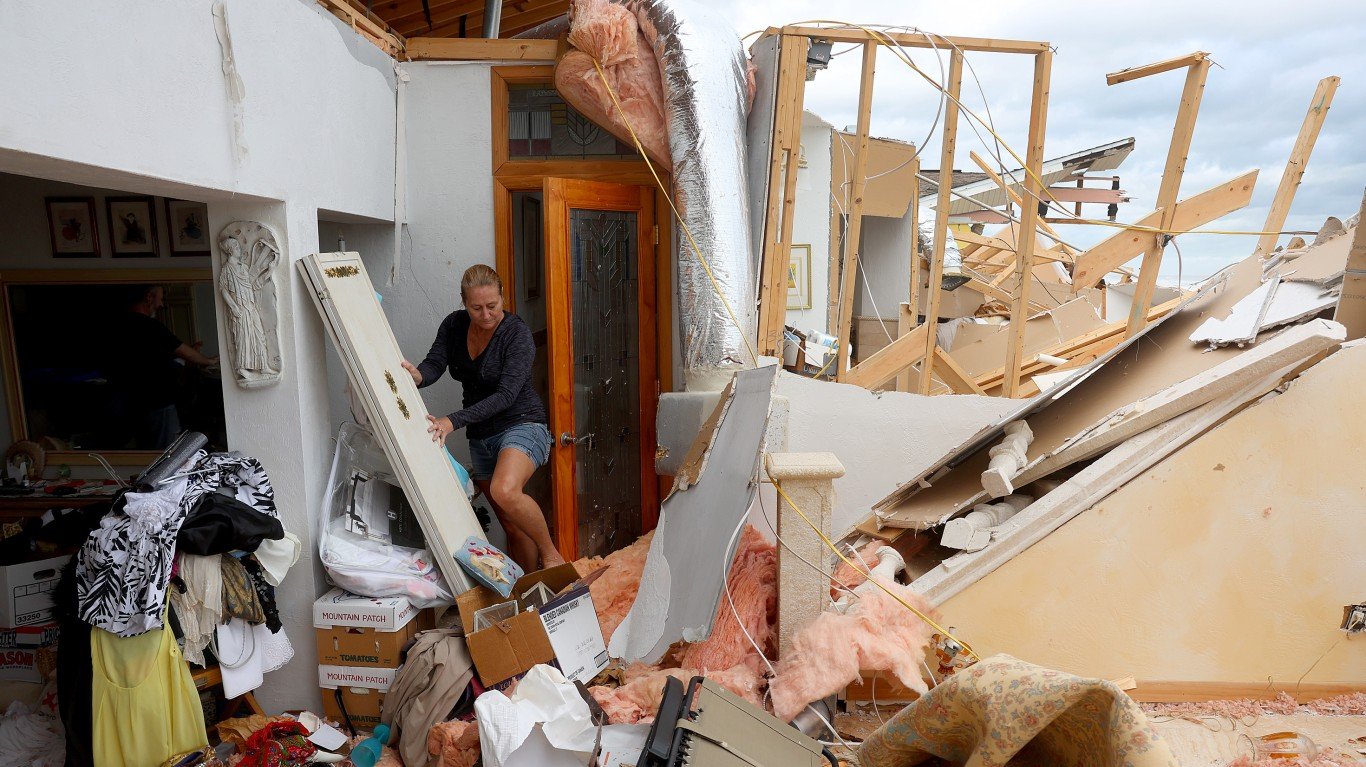
Florida retirees planned carefully for the cost everyone warned them about, and it was not the bill that broke them. A different charge, one that arrives without warning and locks the exit behind it, has pushed hundreds out of the…

This post may contain links from our sponsors and affiliates, and Flywheel Publishing may receive compensation for actions taken through them.

Retirees in their late fifties and early sixties often ask whether moving to Florida was a mistake and what it will cost to relocate. Most arrived braced for the expected villain: homeowners insurance. What forced many out was something else entirely: a trap that is specific, unusual, and largely invisible until it lands.
Bill Retirees Feared Versus the One That Actually Landed
Insurance premiums in Florida have climbed sharply, and every retiree who bought a coastal or near-coastal property in the last decade planned for that line to keep climbing. A rising recurring cost is visible: you see it renewal after renewal; you can shop carriers, raise a deductible, and build the increase into next year’s withdrawal. A retiree on a fixed income can absorb a rising recurring cost far more easily than a single large demand.
The bill driving people to the exits is the condominium special assessment triggered by Florida’s post-Surfside structural integrity regime. It arrives as a lump sum, is non-negotiable, cannot be shopped to another provider, and frequently arrives when it also erases the resale value that would have funded the exit. One you budget for. The other cashes a check you may not have.
Why the Assessment Math Breaks a Fixed-Income Budget
Florida now requires milestone structural inspections for condominium and cooperative buildings three stories or higher, generally at 30 years of age, or 25 years within three miles of the coast, and requires associations to complete a Structural Integrity Reserve Study covering major structural components, with reserves that can no longer be waived or reduced by a membership vote for those items. Where prior boards had underfunded reserves for decades, the catch-up is being levied on current owners.
Reported per-unit assessments across older Florida buildings have ranged from the mid-five figures to well into the six figures depending on age, height, coastal exposure, and reserve funding. The shape is consistent: a lump sum due on a payment schedule the board sets, with no option to opt out and limited ability to finance at favorable rates.
Average annual household expenditures ran about $78,535 in 2024, and retiree households typically run below that. The 2027 Social Security COLA is tracking toward 3.3%, which covers a rising insurance premium and not much else. A $60,000 assessment landing on that household is a full year of gross withdrawals in one bite, and if it comes from a taxable IRA, it drags the next year’s IRMAA tier and ACA subsidy with it.
Trap That Closes the Exit Door
A unit with a known or pending assessment is harder to sell. Florida disclosure rules require sellers to provide association financials, recent board minutes, and information about pending assessments to prospective buyers. Buyers discount for the number, demand credits, or walk. The owner who most needs to leave, the retiree whose fixed income cannot absorb the lump sum, is the same owner least able to sell without first paying the assessment that created the problem. The Case-Shiller national index sat at 336.7 in June 2026, but older Florida condo stock has not tracked that line.
Documents to Demand Before You Sign
If you are looking at a Florida condo purchase, ask for the full Structural Integrity Reserve Study, the association’s current reserve balance measured against the study’s required funding, the milestone inspection report and its findings, board meeting minutes from the last twelve months where assessments are discussed, any assessment already approved or under discussion, and the last five years of dues history. If any of those are slow to arrive, treat that as the answer.
Who Is Actually Exposed, and What the Escape Math Looks Like
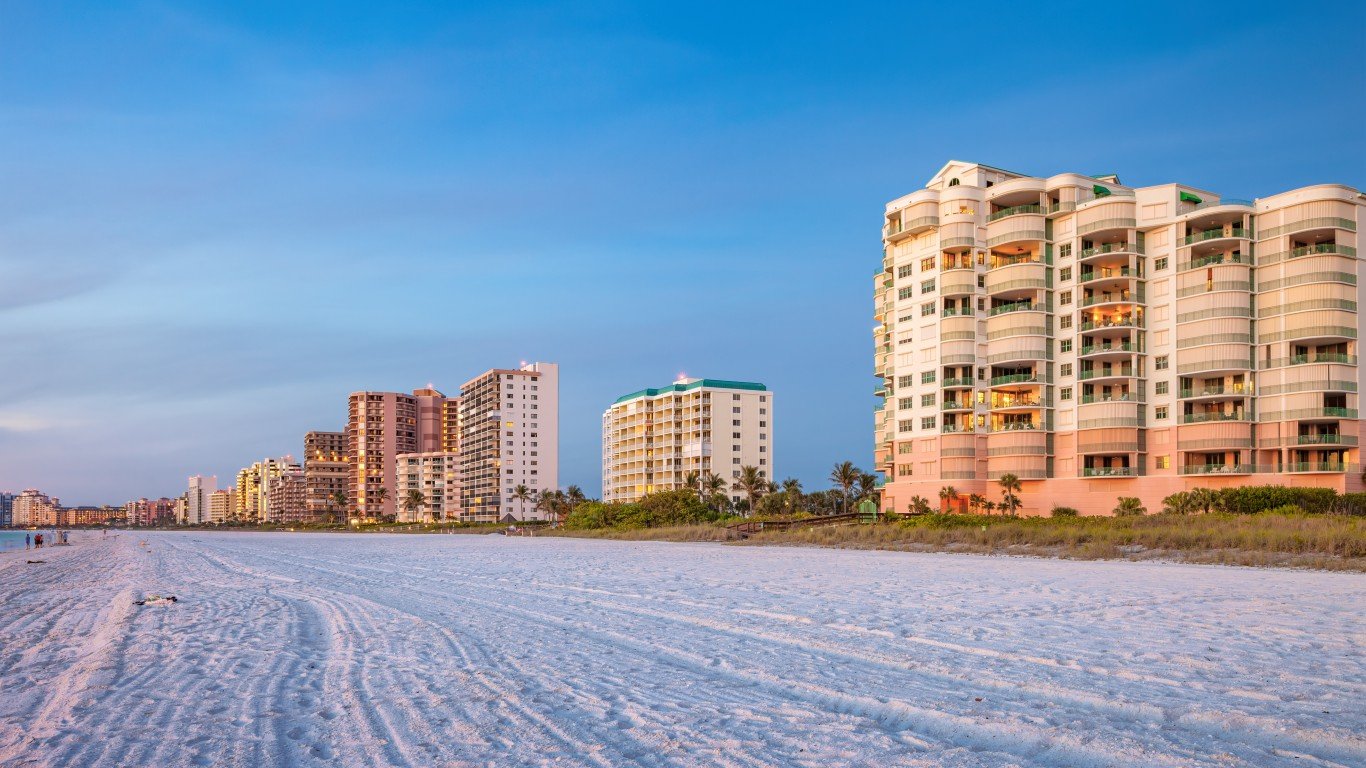
This risk is concentrated on owners of older mid-rise and high-rise condominiums, especially near the coast, and on association-governed cooperatives under the same rules. A single-family homeowner outside an HOA faces insurance, property tax reset risk, and roof age, but not this specific lump-sum mechanism.
For the retirees who have left, the exit math has been consistent. Relocating to a lower-cost state with comparable purchasing power tends to lift the standard of living even before the assessment risk disappears. Florida’s cost-of-living index reads 103.4 against a national benchmark of 100, with real income of $70,919; Tennessee posts a 91.9 cost-of-living index and $72,154 in real income; and Texas comes in at 97.1 with $71,877.
With CPI at 334.1 in August 2026, a household that trims annual spending by roughly 10% through relocation frees several percentage points of withdrawal capacity, which, at a 4% rate, implies needing several hundred thousand dollars less in the portfolio to maintain the same lifestyle.
Plan on a portfolio that supports your target spending at a 3.5% to 4% withdrawal rate in the destination state’s cost basis, hold twelve to eighteen months of that spending in cash so a surprise assessment cannot force a bad sale (the same early-withdrawal fragility we mapped out in a free guide on defending the first five years of retirement, here), and price your Florida exit against the reserve study rather than the Zillow estimate. The reserve study decides whether you stay or go. Read it before you buy, and read yours again before you list.
Contact [email protected] for any questions or corrections.
David Beren has been a Flywheel Publishing contributor since 2022. Writing for 24/7 Wall St. since 2023, David loves to write about topics of all shapes and sizes. As a technology expert, David focuses heavily on consumer electronics brands, automobiles, and general technology. He has previously written for LifeWire, formerly About.com. As a part-time freelance writer, David’s “day job” has been working on and leading social media for multiple Fortune 100 brands. David loves the flexibility of this field and its ability to reach customers exactly where they like to spend their time. Additionally, David previously published his own blog, TmoNews.com, which reached 3 million readers in its first year. In addition to freelance and social media work, David loves to spend time with his family and children and relive the glory days of video game consoles by playing any retro game console he can get his hands on.