Retirees Who Buy in Florida Sight Unseen Will Learn the Listing Left Out the Part That Costs Them Most
Florida listings show the asking price, a tax figure, and monthly dues, but those numbers belong to someone else's policy history, decade of ownership, and debt payoff timeline. The costs that derail a retirement budget hide in documents most buyers…

This post may contain links from our sponsors and affiliates, and Flywheel Publishing may receive compensation for actions taken through them.
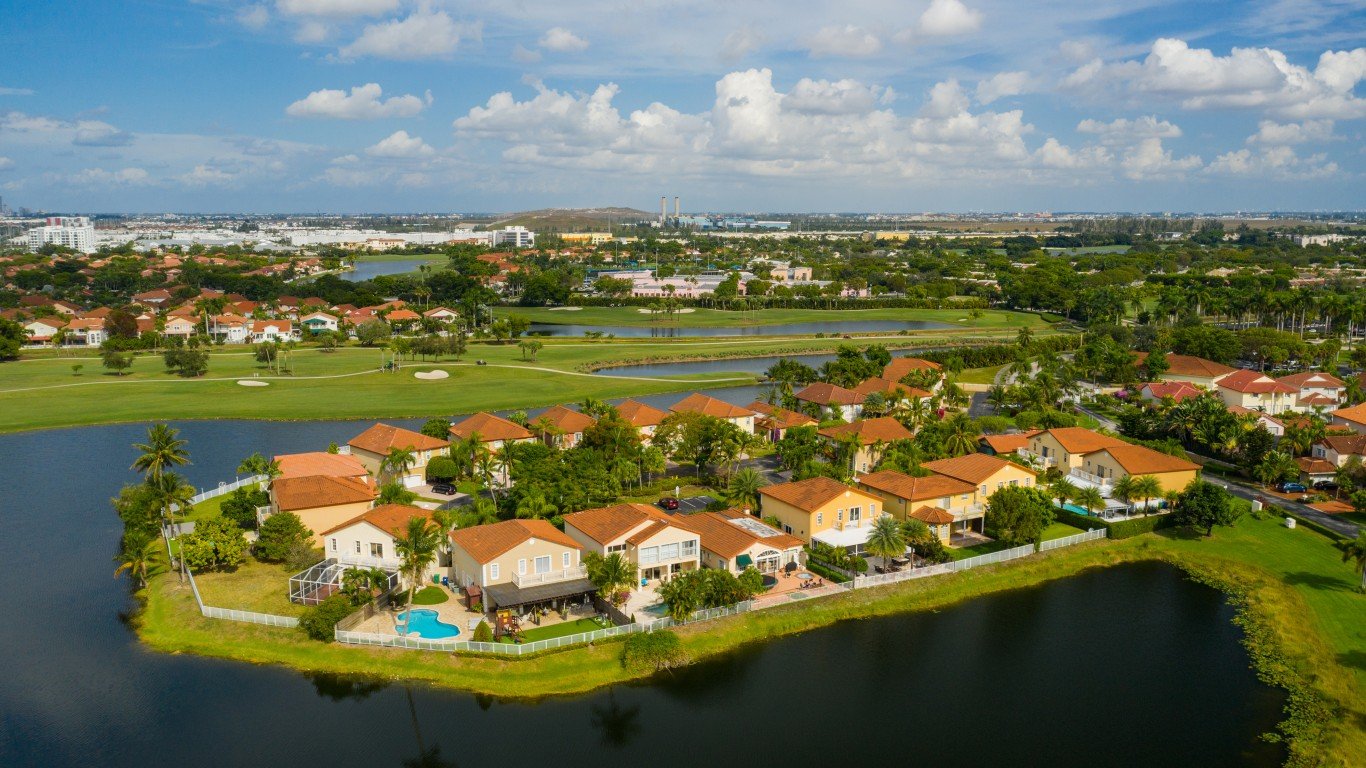
Buying a Florida retirement home sight unseen, based on listing photos and video tours, is common. One retiree featured by The Wall Street Journal paid roughly $630,000 in 2021 for a home in Lakewood Ranch. His property taxes rose by more than $2,200 a year, and association dues jumped from about $120 a month in Colorado to more than $700 a month in Florida. Listings show price, taxes, and dues. Most costs that determine affordability emerge only when buyers ask the right questions.
Why the Seller’s Insurance Premium Won’t Be Yours
Florida homeowners pay an average of $5,838 a year for insurance, about 142% more than the national average. After years of increases, rates are starting to ease. The premium listed with a home reflects the seller’s claim history, deductible, and the age of the policy. The age of the roof also plays a big role in coverage costs and whether a home can be insured.
Under Florida Statute 627.7011, an insurance company cannot refuse or drop a policy solely because a roof is under 15 years old. Beyond that, an insurer can require an inspection, charge more, or decline coverage. A wind mitigation inspection documents hurricane-resistant features and can earn premium discounts.
Standard homeowners policies exclude flood. A National Flood Insurance Program policy in Florida averages about $938 a year. FEMA’s Flood Map Service Center lets buyers screen a specific address. Combined insurance, flood coverage, and dues like the Lakewood Ranch retirees total $15,176 yearly. At a 4% withdrawal rate, this requires about $379,400 of portfolio.
A Tax Bill Built on Someone Else’s Decade of Ownership
The homestead exemption reduces taxable value by up to $50,000. Save Our Homes limits yearly increases to 3% or the inflation rate, whichever is lower. When the house sells, the SOH clock resets and the new owner gets assessed close to market value. The tax figure on a long-time owner’s listing is misleading. The county property appraiser’s office can estimate post-sale taxes.
Newer communities often sit inside a community development district (CDD), a special taxing district that sells bonds for roads, utilities, and amenities. Homeowners repay through assessments on the property tax bill. Bonds typically run 20 to 30 years, the debt stays with the property, and owners can generally pay off their lot’s portion in a lump sum. Listings may show it as a single line or drop it entirely.
Condo Safety Laws Can Mean Five-Figure Bills
Florida requires condo and co-op buildings three stories or taller to get milestone structural inspections at 30 years (or 25 if coastal) and every 10 years after. They also need a structural integrity reserve study. In older buildings, this has pushed dues up and caused special assessments, one-time charges that can reach five figures with little warning. Before closing, buyers should request association financials, the reserve study, 12 months of meeting minutes, and any pending assessments.
What a Video Walkthrough Leaves Out
Video tours don’t capture road noise, seasonal traffic changes, water pooling after rain, neighboring properties, or drive times to hospitals or stores. Remote buying works for those who have rented in the area or have family nearby to visit. Distance combined with unfamiliarity creates risk.
Before the inspection period ends, get an insurance quote for the exact address, the roof’s age and any wind mitigation report, and check the flood zone. Call the county property appraiser for a post-sale tax estimate and ask directly about CDD payoff figures. Review association documents and hire an independent inspector.
One Phone Call That Prevents Most Surprises
Florida’s living-cost index is 103.414, above the national benchmark of 100. Florida has no state income tax, yet its living costs run above the national benchmark. A retiree with roughly $80,000 annual budget should price insurance, flood coverage, dues, CDD payments and the new tax bill as fixed costs before closing. The county property appraiser’s office provides the post-sale tax figure, shows CDD assessments, and supplies the number every other budget element depends on.
Contact [email protected] for any questions or corrections.
David Beren has been a Flywheel Publishing contributor since 2022. Writing for 24/7 Wall St. since 2023, David loves to write about topics of all shapes and sizes. As a technology expert, David focuses heavily on consumer electronics brands, automobiles, and general technology. He has previously written for LifeWire, formerly About.com. As a part-time freelance writer, David’s “day job” has been working on and leading social media for multiple Fortune 100 brands. David loves the flexibility of this field and its ability to reach customers exactly where they like to spend their time. Additionally, David previously published his own blog, TmoNews.com, which reached 3 million readers in its first year. In addition to freelance and social media work, David loves to spend time with his family and children and relive the glory days of video game consoles by playing any retro game console he can get his hands on.