In 1934 a Grandmother Named Sarah Getty Put the Family’s Oil Shares Into a Trust for Her Grandsons. Ninety Years Later Her Descendants Still Draw on It, and the Kind of Trust She Signed Costs a Few Thousand Dollars to Draft Today
A trust Sarah Getty signed during the Depression still pays her descendants today, and the same legal structure that kept billions out of the taxman's reach costs a few thousand dollars to set up in 2026.

This post may contain links from our sponsors and affiliates, and Flywheel Publishing may receive compensation for actions taken through them.

If you hold a brokerage account, a family business, or real estate that you plan to leave to grandchildren, federal law gives you a tax break that most families never use. An irrevocable trust for grandchildren, combined with the generation-skipping transfer (GST) tax exemption, can move assets past the children’s generation for good. In 2026, that exemption is $15 million per person. One of America’s best-known oil families has used a version of this setup for about 90 years.
A Depression-Era Trust Still Shapes Getty Family Wealth
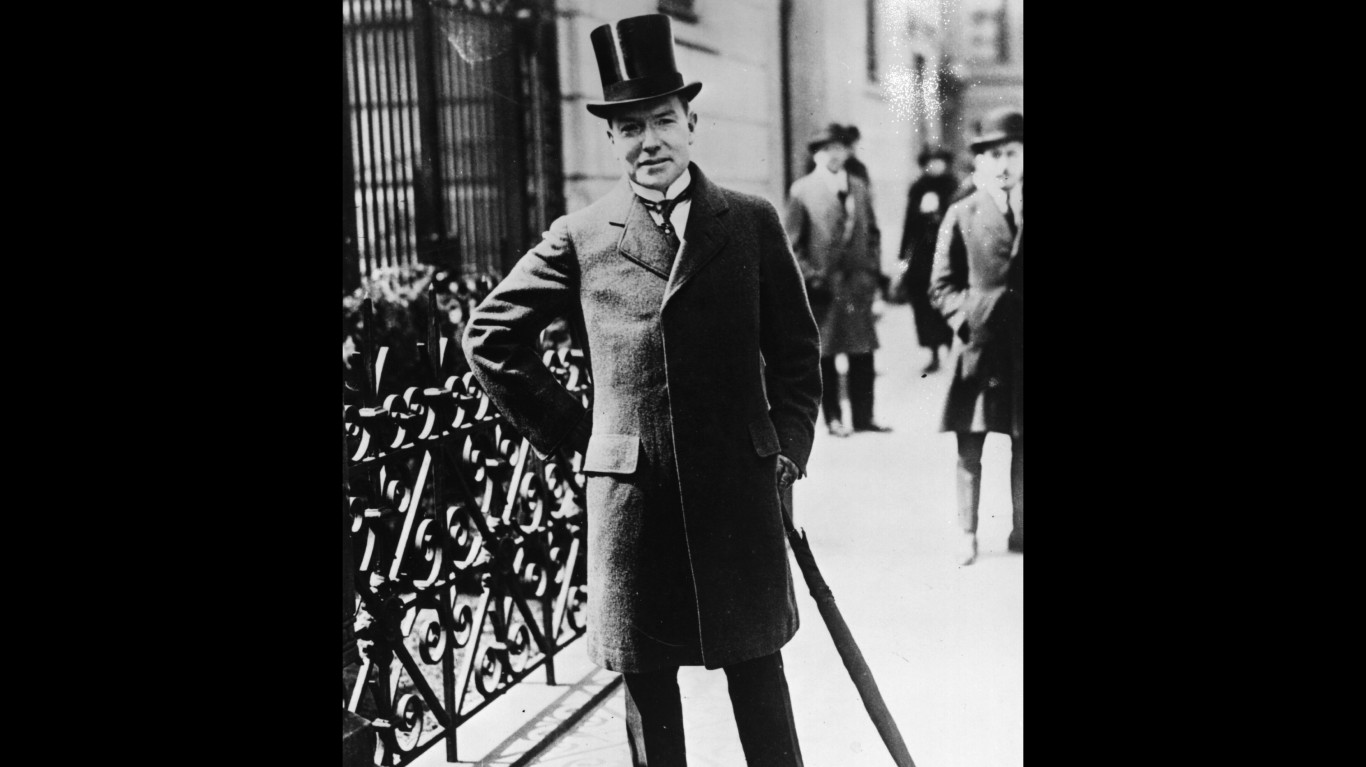
Sarah C. Getty’s trust dates to 1934, when it held Getty Oil shares for later generations. Gordon Getty took control after his father died in 1976. Before the company sold to Texaco, the trust owned 40.2% of Getty Oil’s stock, and Gordon Getty arranged the $10 billion sale.
A fight over dividing the trust, valued at $ 4 billion, was settled in 1985. The trust was split, with large shares going to the families of the three surviving sons. A recent family history says the trust still “continues to bind them.”
How Skipping a Generation Keeps Estate Tax From Hitting Twice
Unsurprisingly, federal taxes can hit wealth each time it moves down a generation. A parent’s estate pays estate tax, and the child’s estate may pay it again before grandchildren inherit. When a gift skips the middle generation, a separate GST tax applies at a flat 40%. The exemption shields transfers from that tax up to its limit. If the exemption is allocated to a properly written trust, assets and their later growth can pass to grandchildren and more distant descendants without GST tax.
Where the $15 Million Figure Comes From
The exemption comes from Internal Revenue Code Section 2631, even though the One Big Beautiful Bill Act raised it to $15 million and matched it to the estate tax basic exclusion. The IRS sets that exclusion at $15,000,000 for people who die in 2026, up from $13,990,000 in 2025. A married couple can shelter about $30M combined. The law made the higher level permanent. The annual gift exclusion is $19,000 per person.
Who Gains the Most and Who Gains Little
Any U.S. individual who wants to leave assets to grandchildren or much younger beneficiaries can use the exemption. The tax benefit is largest for families whose total wealth, plus expected growth over decades, could exceed the exemption. Households well below that level get little tax savings, because estate tax would likely never apply to them. For them, the case for a trust rests on control and creditor protection. Anyone who may need the money back should know that an irrevocable trust generally cannot be reversed.
Steps for Setting Up a Grandchildren’s Trust in 2026
- Hire an estate attorney. State law determines how long a trust can last. Some states limit trust length through the rule against perpetuities, while others allow trusts that run for many generations.
- Name a trustee and set rules for distributions. A spendthrift clause blocks a beneficiary’s creditors from getting trust assets before the money is paid out.
- Fund the trust. Gifts above the $19,000 annual exclusion use up part of the $15 million lifetime exemption. Gifts to a trust count for the annual exclusion only if the trust includes specific terms.
- File IRS Form 709 to report the gift and allocate GST exemption to the trust.
One Missed Form Can Expose the Trust to a 40% Tax
Most plans go wrong when allocating the exemption. Trusts that can also pay out to children may fall outside automatic allocation rules, leaving assets exposed to the 40% GST tax. Gift donors must generally file Form 709 by April 15 of the following year. A late allocation is valued at the assets’ current worth, so any growth before filing uses up more of the exemption.
Income tax is a separate cost, and for 2026, individuals are taxed at the top 37% rate on income above $640,600. Trusts get that rate at a much lower income level. Income kept inside the trust is taxed under tighter brackets unless paid out to beneficiaries.
Contact [email protected] for any questions or corrections.
David Beren has been a Flywheel Publishing contributor since 2022. Writing for 24/7 Wall St. since 2023, David loves to write about topics of all shapes and sizes. As a technology expert, David focuses heavily on consumer electronics brands, automobiles, and general technology. He has previously written for LifeWire, formerly About.com. As a part-time freelance writer, David’s “day job” has been working on and leading social media for multiple Fortune 100 brands. David loves the flexibility of this field and its ability to reach customers exactly where they like to spend their time. Additionally, David previously published his own blog, TmoNews.com, which reached 3 million readers in its first year. In addition to freelance and social media work, David loves to spend time with his family and children and relive the glory days of video game consoles by playing any retro game console he can get his hands on.