The du Ponts Have Been Passing Money Down in Delaware for Generations. The Trust Laws They Helped Shape Are Why America’s Family Fortunes Bank There Today, and You Don’t Have to Be a du Pont, or Live in Delaware, to Use Them
Delaware repealed a centuries-old inheritance rule in 1995, and the du Pont family's long influence over that tiny state explains exactly why it happened and who it benefits now.

This post may contain links from our sponsors and affiliates, and Flywheel Publishing may receive compensation for actions taken through them.
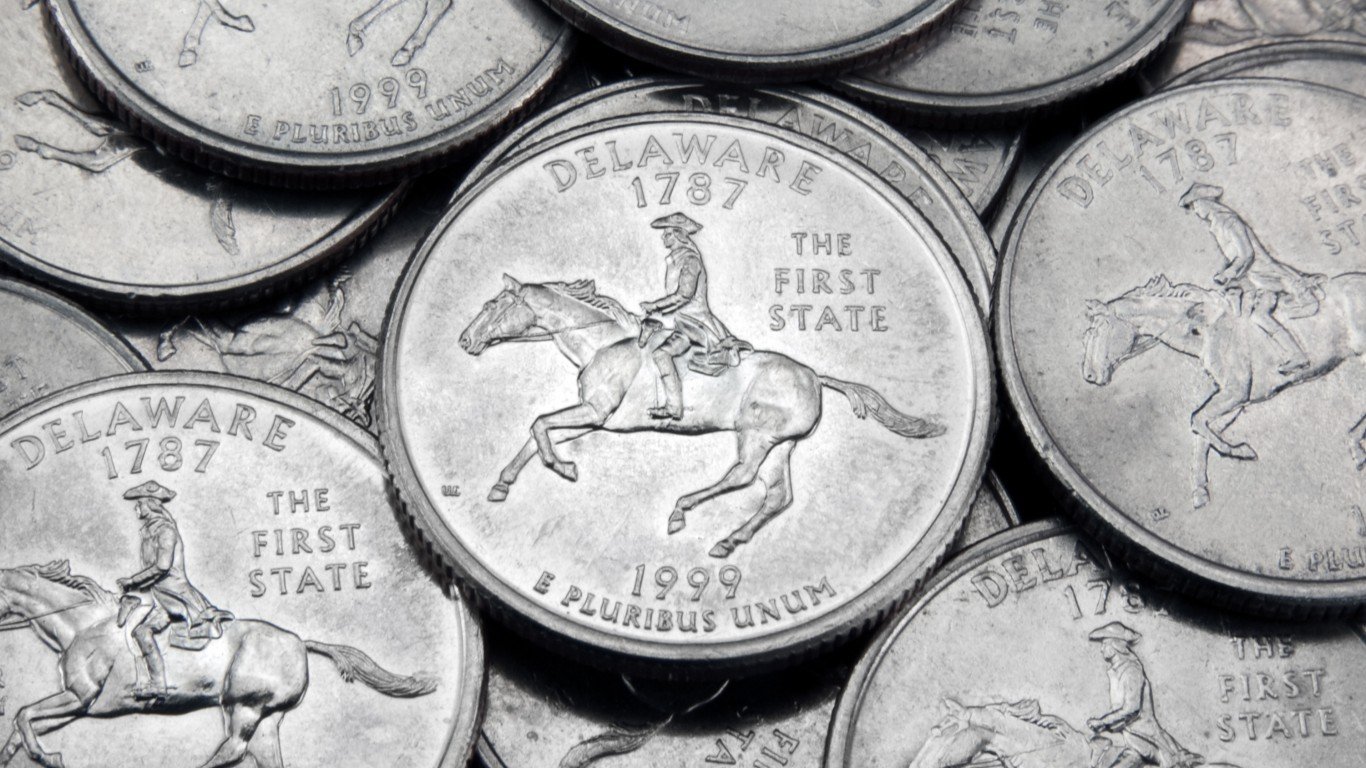
Delaware became the address of choice for American family fortunes because of its trust laws. A Delaware situs is created by a Delaware trustee and administration within the state. Your own zip code is irrelevant, which is why families in California, Texas, and New York fund trusts in Wilmington every week.
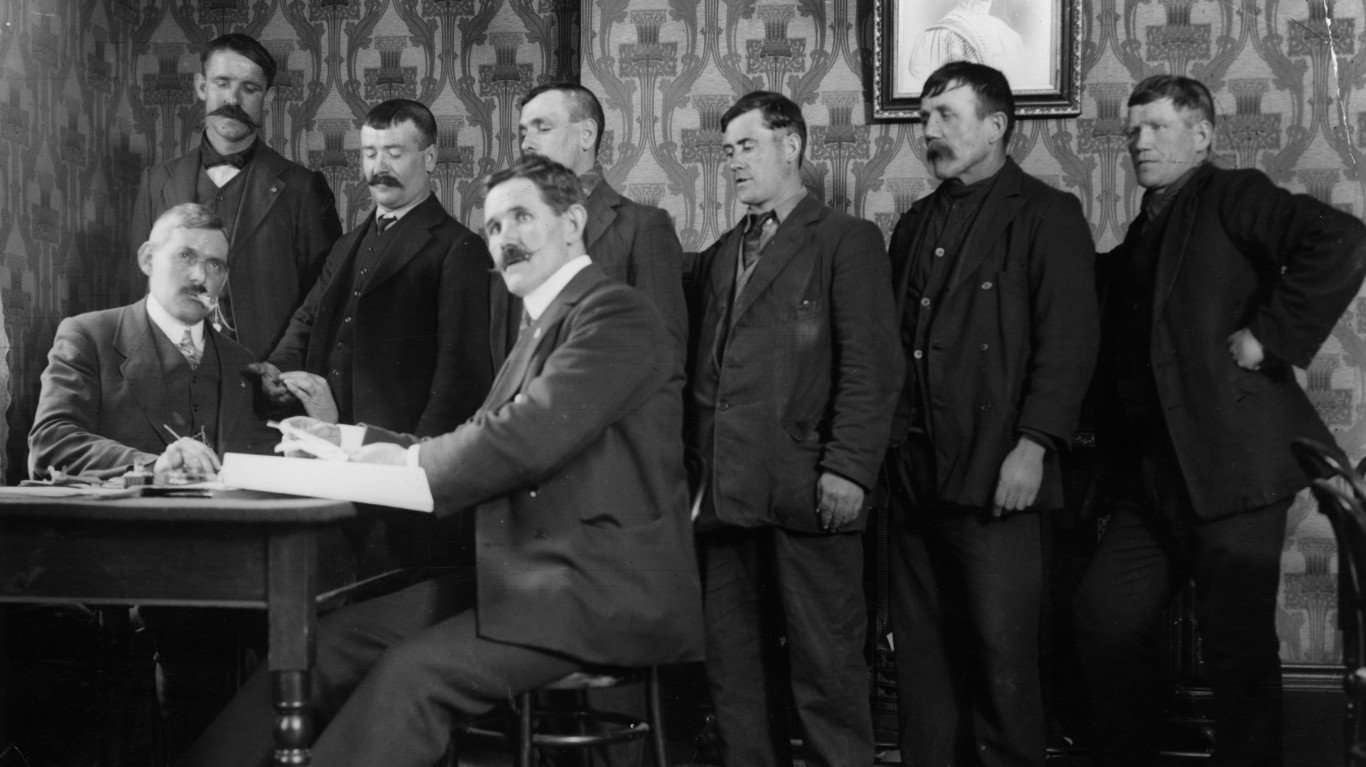
The du Pont story explains why the infrastructure exists. Éleuthère Irénée du Pont built a black powder mill on the Brandywine River in 1802, and by the twentieth century the family and its company were the largest private employers and taxpayers in a state with fewer than a million residents. Delaware’s courts and legislature grew up next to concentrated family wealth and learned to serve it.
What Actually Changed, and When
The modern Delaware dynasty trust is much younger than the family behind it. English common law’s rule against perpetuities forced most trusts to end within roughly a century, triggering a fresh transfer tax each generation. Delaware repealed the rule against perpetuities for personal property held in trust in 1995 (12 Del. C. § 503), letting a trust hold financial assets indefinitely. Real estate still carries a 110-year cap. A trust funded today can compound for centuries without another estate or generation-skipping tax event.
State Tax Shelter, and Its Limits
Delaware does not tax the accumulated income of a trust when none of the current beneficiaries live in Delaware (30 Del. C. § 1636). Interest and gains that stay inside the trust escape Delaware state income tax entirely.
Federal income tax and federal transfer taxes apply in full, and your home state may still tax the trust based on the settlor’s residence, beneficiaries’ residence, or income source. California, New York, and Massachusetts assert authority aggressively. Whether the shelter works depends on how the two states’ rules interact, so you need counsel in both.
Directed Trusts, Asset Protection, Quiet Trusts
Delaware’s directed trust statute (12 Del. C. § 3313) splits the job. An investment direction adviser controls what the trust owns, a distribution adviser decides what beneficiaries receive, and a Delaware institutional trustee handles administration. Families with concentrated stock or an operating business keep control while Delaware supplies the trust.
The Qualified Dispositions in Trust Act (12 Del. C. § 3570) lets a settlor be a discretionary beneficiary of an irrevocable trust and shield assets from most future creditors after a four-year seasoning period. It does not defeat pre-existing creditors, spousal claims, or child support. Delaware also permits sealing of trust files, and its quiet trust provision (12 Del. C. § 3303) allows withholding information from beneficiaries. That feature has a cost: beneficiaries who do not know a trust exists cannot plan around it, and family conflict often erupts when silence ends.
Whether Any of This Applies to You
The 2026 federal estate and gift tax exemption sits at $15,000,000 per decedent under the One, Big, Beautiful Bill, and the generation-skipping transfer tax exemption tracks it. If your net worth is comfortably below those numbers, a Delaware dynasty trust solves a federal transfer tax problem you do not have, forfeits the step-up in basis at death, and adds permanent cost. Institutional trustee fees recur annually, legal fees land in two jurisdictions, and undistributed trust income hits the top federal 37% rate at a low threshold, which can wipe out the Delaware state-tax savings on a small trust.
Legitimate reasons an ordinary family reaches for Delaware are asset protection, multigenerational control over distributions, and, at scale, the state income tax treatment. That scale is larger than most readers will hit. If your estate sits well under $15 million and your goal is passing money to your kids cleanly, a well-drafted trust in your own state, prepared by a local estate planning attorney, does the job (we put the full beneficiary, titling, and trust checklist in a free estate guide here: Die With a Plan). Delaware is for the problem that begins when the federal exemption runs out.
Contact [email protected] for any questions or corrections.
David Beren has been a Flywheel Publishing contributor since 2022. Writing for 24/7 Wall St. since 2023, David loves to write about topics of all shapes and sizes. As a technology expert, David focuses heavily on consumer electronics brands, automobiles, and general technology. He has previously written for LifeWire, formerly About.com. As a part-time freelance writer, David’s “day job” has been working on and leading social media for multiple Fortune 100 brands. David loves the flexibility of this field and its ability to reach customers exactly where they like to spend their time. Additionally, David previously published his own blog, TmoNews.com, which reached 3 million readers in its first year. In addition to freelance and social media work, David loves to spend time with his family and children and relive the glory days of video game consoles by playing any retro game console he can get his hands on.