The Rockefellers Have Moved the Same Fortune Through Six Generations Without a Single Estate-Tax Bill. The 1934 Trusts They Used Are Still Legal, and Still for Sale.
The Rockefeller family has passed the same fortune through six generations without triggering a single federal estate tax bill, and the legal structure they used in 1934 is still available to wealthy families today.

This post may contain links from our sponsors and affiliates, and Flywheel Publishing may receive compensation for actions taken through them.
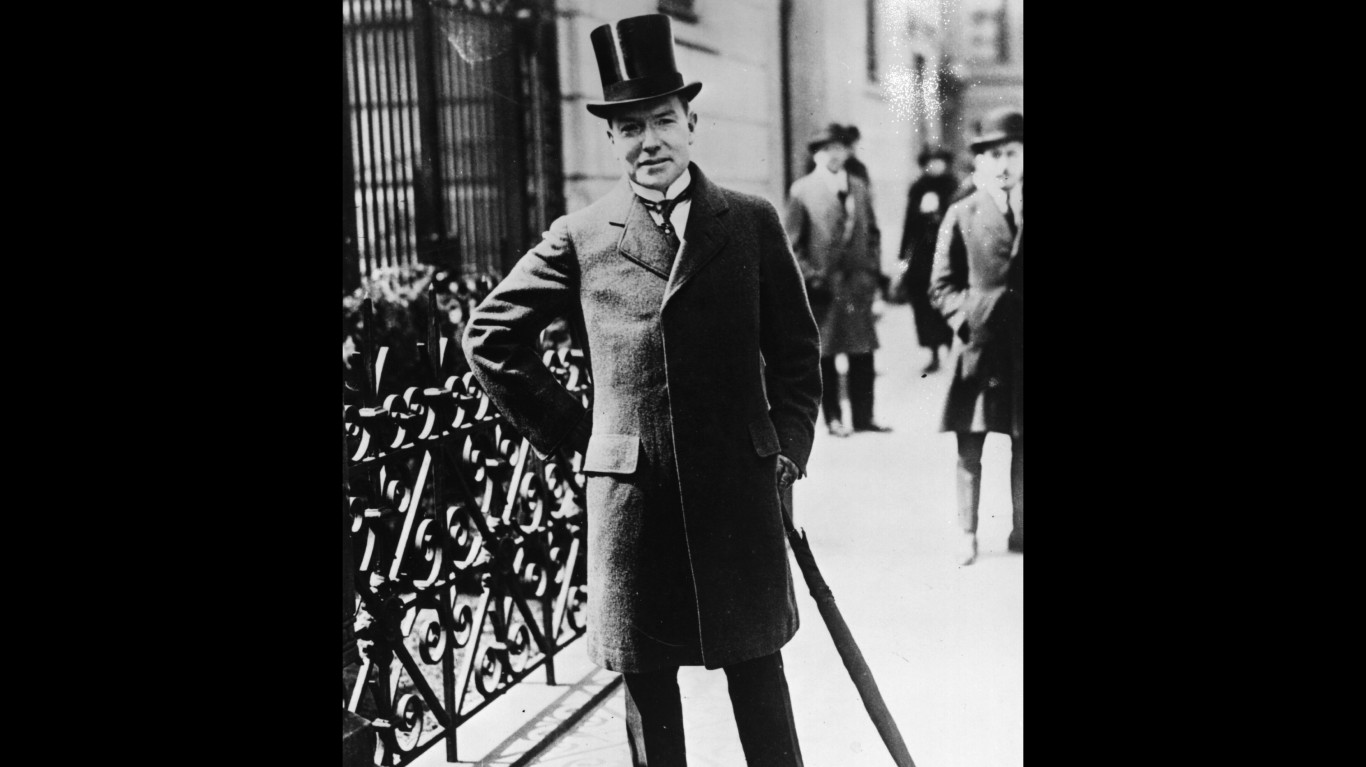
If you have real wealth and a taxable estate on the horizon, the Rockefeller family structure offers a template. In 1934, John D. Rockefeller Jr. locked most of the family fortune into a set of irrevocable trusts that have since carried assets through six generations without a single federal estate tax bill. The structure has a name: Dynasty Trust, and it is still legal in 2026.
What a Dynasty Trust Actually Does
The trust can own almost anything: public stock, private company shares, real estate, life insurance, a family business. Distributions go to beneficiaries under rules written into the document. Everything the trust does not distribute keeps compounding outside the transfer-tax system.
Where the Rule Comes From
Two federal laws make this whole arrangement possible. The estate and gift tax rules are found in Subtitle B of the Internal Revenue Code, with sections 2001 through 2058 covering the estate tax and sections 2501 through 2524 covering the gift tax. Then there is the generation-skipping transfer tax, or GST tax, which Congress added in 1976 specifically to close the dynasty-trust loophole, and that lives in IRC sections 2601 through 2664. The GST tax hits at a flat 40% on any transfers that skip a generation. The real key that makes a dynasty trust work today is IRC section 2631, which grants every individual a GST exemption that can be allocated to a trust so future distributions never trigger that tax.
Those famous Rockefeller trusts from 1934 were set up long before the GST tax existed, so they were grandfathered in when Congress finally passed it. New trusts today do not get that same free pass, but the GST exemption, paired with favorable state law, can deliver almost the same outcome. Several states, including South Dakota, Nevada, Delaware, Alaska, and Wyoming, have either repealed or dramatically extended the common-law Rule Against Perpetuities, so a trust properly established in one of those places can legally run for centuries.
Who This Is Actually For
The math only helps estates larger than the exemption. For estates of decedents dying in 2026, the basic exclusion amount is $15,000,000, up from $13,990,000 in 2025 after the One, Big, Beautiful Bill made the higher figure permanent. The GST exemption is unified with that number, and married couples can combine their individual exemptions.
If total assets sit comfortably below those limits, a dynasty trust is overkill. For a business, concentrated stock, or real estate that will likely blow through the exemption, the structure was designed for that situation.
Setting One Up in 2026
- Jurisdictions that allow long or perpetual trusts include South Dakota, Nevada, Delaware, Alaska, and Wyoming.
- An estate attorney typically drafts the trust and names an independent trustee, usually a trust company in the chosen state.
- Funding can include up to the grantor’s remaining lifetime gift and GST exemption in one move. Anything above the exemption is taxed at 40%.
- Annual top-ups use the gift-tax exclusion, which remains at $19,000 per recipient for 2026, or $194,000 to a non-citizen spouse.
- GST exemption is allocated on IRS Form 709 in the year of the gift. This step keeps future skips out of the 40% GST tax.
- Investing for duration matters. With the 10-year Treasury yield at 4.69% and the 30-year at 5.27% as of August 21, 2026, trustees can build a mix of long-duration income and growth assets sized to a horizon measured in generations.
Common Pitfalls to Watch
An irrevocable trust is exactly that. Once the assets go in, the grantor cannot take them back, change beneficiaries at will, or use the property as their own. That is the price of removing it from the estate. The second trap is administrative. If an accountant forgets to allocate GST exemption on Form 709 in the year of a gift, the trust can become GST-taxable at every skip, and the 40% rate compounds against the family across generations. Most estate messes trace back to a missed form, a stale beneficiary, or an untitled account, the same checklist items we walked through in a free estate guide here. The Rockefellers avoided that bill because their 1934 trusts were grandfathered. New trusts will not be. The paperwork determines the outcome.
Contact [email protected] for any questions or corrections.
David Beren has been a Flywheel Publishing contributor since 2022. Writing for 24/7 Wall St. since 2023, David loves to write about topics of all shapes and sizes. As a technology expert, David focuses heavily on consumer electronics brands, automobiles, and general technology. He has previously written for LifeWire, formerly About.com. As a part-time freelance writer, David’s “day job” has been working on and leading social media for multiple Fortune 100 brands. David loves the flexibility of this field and its ability to reach customers exactly where they like to spend their time. Additionally, David previously published his own blog, TmoNews.com, which reached 3 million readers in its first year. In addition to freelance and social media work, David loves to spend time with his family and children and relive the glory days of video game consoles by playing any retro game console he can get his hands on.