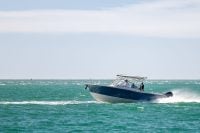
The Boat Is the First Thing Florida Retirees Buy and the First Thing They Stop Using
Florida retirees buy boats at record rates, but a fixed annual cost keeps draining the portfolio long after the novelty wears off and the trips grow infrequent. The real question is how much bigger your nest egg needs to be…

This post may contain links from our sponsors and affiliates, and Flywheel Publishing may receive compensation for actions taken through them.
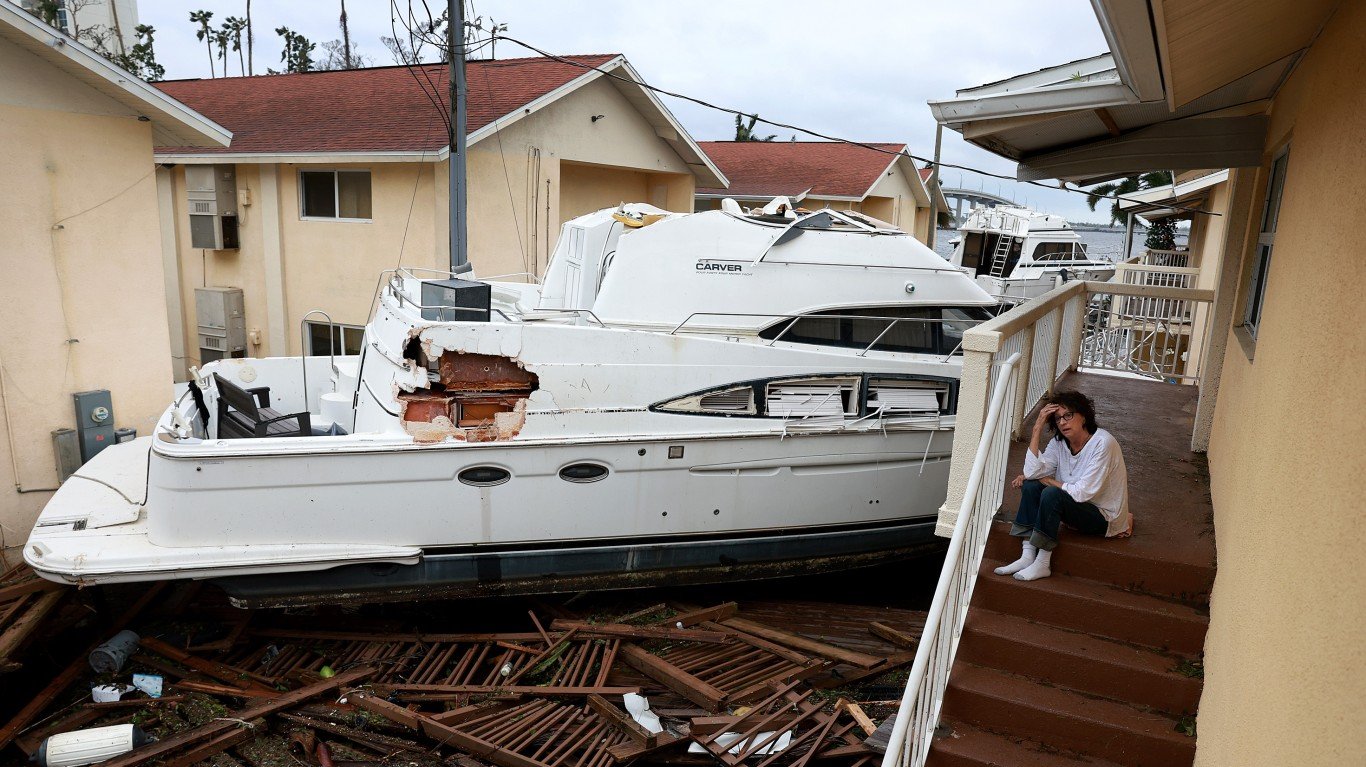
It’s all too common for people who retire to Florida to buy a boat. In the latest IRS migration data, 111,742 more people moved to Florida than left, and the state ranked first in the nation for net income gained through migration. Some of those boats may end up getting used less than their owners planned, so it’s worth asking what one really costs over a 30-year retirement and how much bigger your portfolio has to be to carry it.
What a $150,000 Boat Costs You Every Year
Boat owners use a rough guide called the 10% rule: plan on spending about 10% of the boat’s value each year on maintenance. On a $150,000 boat, that’s $15,000 a year. Insurance usually runs 1% to 3% of the boat’s value per year. At the middle of that range, the bill is $3,000, plus Florida marinas often charge $18 to $22 per foot per month for a 25-foot slip, which works out to another $5,400 to $6,600 a year. Downtown waterfront costs more. The City of Miami lists non-liveaboard dockage at $27.50 per foot per month.
Put those together, and you get about $24,000 a year in boat ownership costs. Of course, this number doesn’t include fuel, the replacement trailer, or hurricane prep. Your insurance company will want a written storm plan. Haul-out coverage helps, but it’s often capped. In one case, it paid back up to $1,000 of the haul fee.
Running the Retirement Math With and Without the Boat
Take the boat out of the equation for a moment: the average U.S. household spent $78,535 in 2024. For Floridians, the state’s cost-of-living index is 103.414, slightly above the national average of 100. Adjusting for that puts a Florida baseline at about $81,000. That budget must cover Medicare Part B at $202.90 per person per month, about $4,870 a year for a couple.
It also has to cover federal income tax on IRA withdrawals. Florida has no state income tax, and the Tax Foundation ranks its individual income tax structure 1st in the country. The money you save there tends to show up as higher insurance and property costs instead.
Starting in January, the SSA estimates the average benefit for a retired worker and aged spouse will be $3,354 a month after a 3.6% COLA. That’s $40,248 a year, which leaves a gap of $40,968. At a 4% withdrawal rate, covering that gap takes about $1.02 million. Add the boat and the gap grows to $64,968, which takes about $1.62 million.
The boat alone needs $600,000 in assets to support it. If you retire early enough to justify a 3.5% withdrawal rate, the total rises to about $1.86 million. Claiming Social Security at 70 earns delayed retirement credits that increase guaranteed income and close that gap for life.
Why the Boat Gets Used Less but Costs the Same
Most of the boat’s cost is fixed. A couple who goes out 50 times a year pays about $480 per trip. At 12 trips, the same boat costs $2,000 per trip. Inflation adds to the pressure. The CPI for Americans 62 and older rose 3.6% over the past year, and that index weights housing and medical costs more heavily, leaving less room for discretionary spending like a boat.
How you pay for the boat matters too, and Medicare premiums are part of that. Say you take a $150,000 IRA withdrawal to buy the boat, and it pushes your joint income above $218,000. Medicare looks back two years, so two years later each spouse’s Part B premium rises to $284.10, and Part D adds a $14.50 surcharge on top. That’s about $2,300 in extra premiums for the couple, plus federal tax at a higher bracket. Paying from a taxable account or spreading withdrawals over several years avoids that.
A boat club is the main alternative. One Florida member reported paying a $3,999 initiation fee and $425 a month. That’s $5,100 a year in dues, which needs about $127,500 of portfolio at 4%.
What It Takes to Keep the Boat and the Retirement
For a couple collecting average Social Security, a full Florida retirement with a $150,000 boat takes about $1.6 million at a 4% draw, or nearly $1.9 million at 3.5%. The 4% figure itself has taken a lot of criticism lately, and we laid out the case for an income-first approach instead in a free report.
Some retirees use a mix of broad index funds and a Treasury ladder aimed at a real return close to the withdrawal rate. Buying the boat with taxable money avoids causing IRMAA, and claiming Social Security later raises guaranteed income for those whose health allows it.
The $24,000 a year keeps coming whether the boat goes out or not. Some buyers set a minimum number of trips a year before purchase to judge whether the boat is worth keeping. If usage falls below that number, selling and switching to a club frees up part of the portfolio that the boat was tying up.
Contact [email protected] for any questions or corrections.
David Beren has been a Flywheel Publishing contributor since 2022. Writing for 24/7 Wall St. since 2023, David loves to write about topics of all shapes and sizes. As a technology expert, David focuses heavily on consumer electronics brands, automobiles, and general technology. He has previously written for LifeWire, formerly About.com. As a part-time freelance writer, David’s “day job” has been working on and leading social media for multiple Fortune 100 brands. David loves the flexibility of this field and its ability to reach customers exactly where they like to spend their time. Additionally, David previously published his own blog, TmoNews.com, which reached 3 million readers in its first year. In addition to freelance and social media work, David loves to spend time with his family and children and relive the glory days of video game consoles by playing any retro game console he can get his hands on.