The Retirees Who Bought Near the Water Say the Flood Insurance Bill Was the Number Nobody Quoted Them
The lender required flood insurance before closing, but nobody ran the numbers on what happens when that premium climbs 18% a year against a fixed Social Security check. The gap adds up faster than most retirement budgets can absorb.

This post may contain links from our sponsors and affiliates, and Flywheel Publishing may receive compensation for actions taken through them.

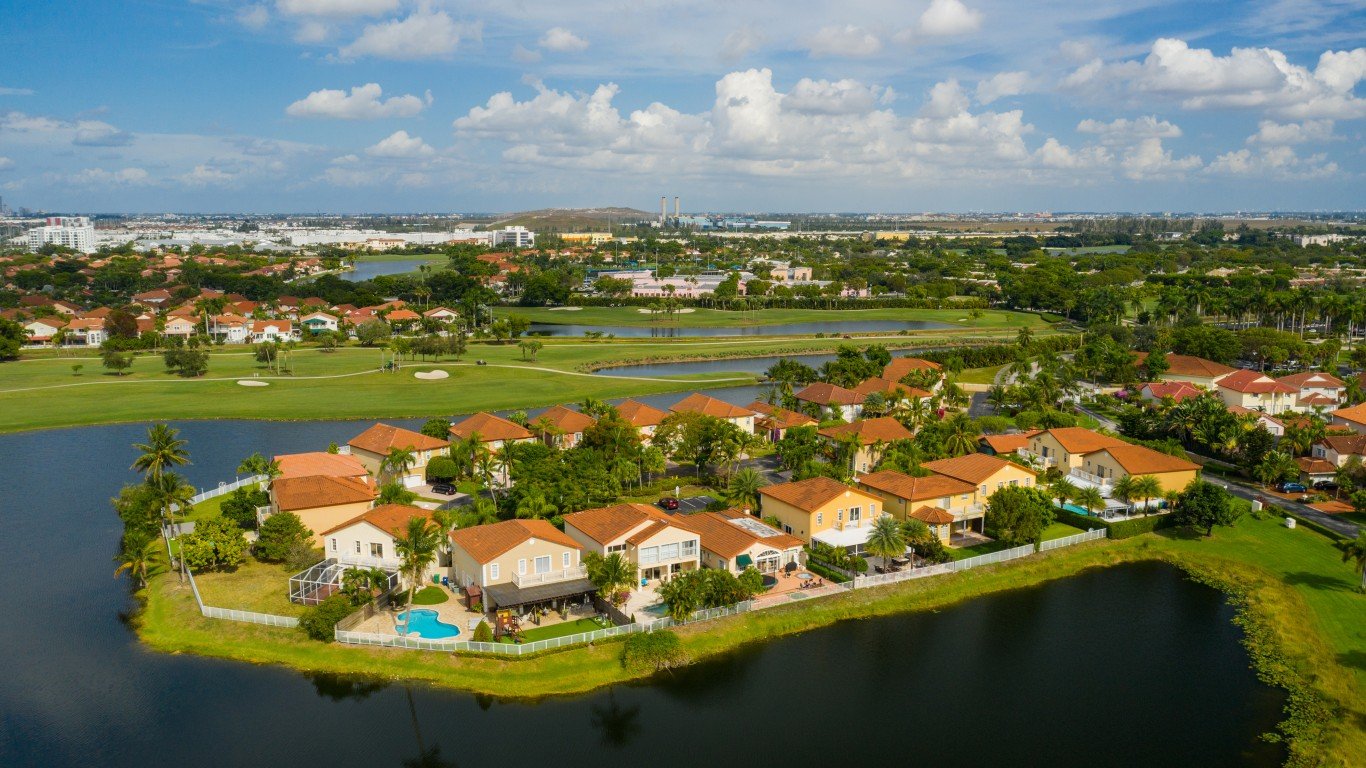
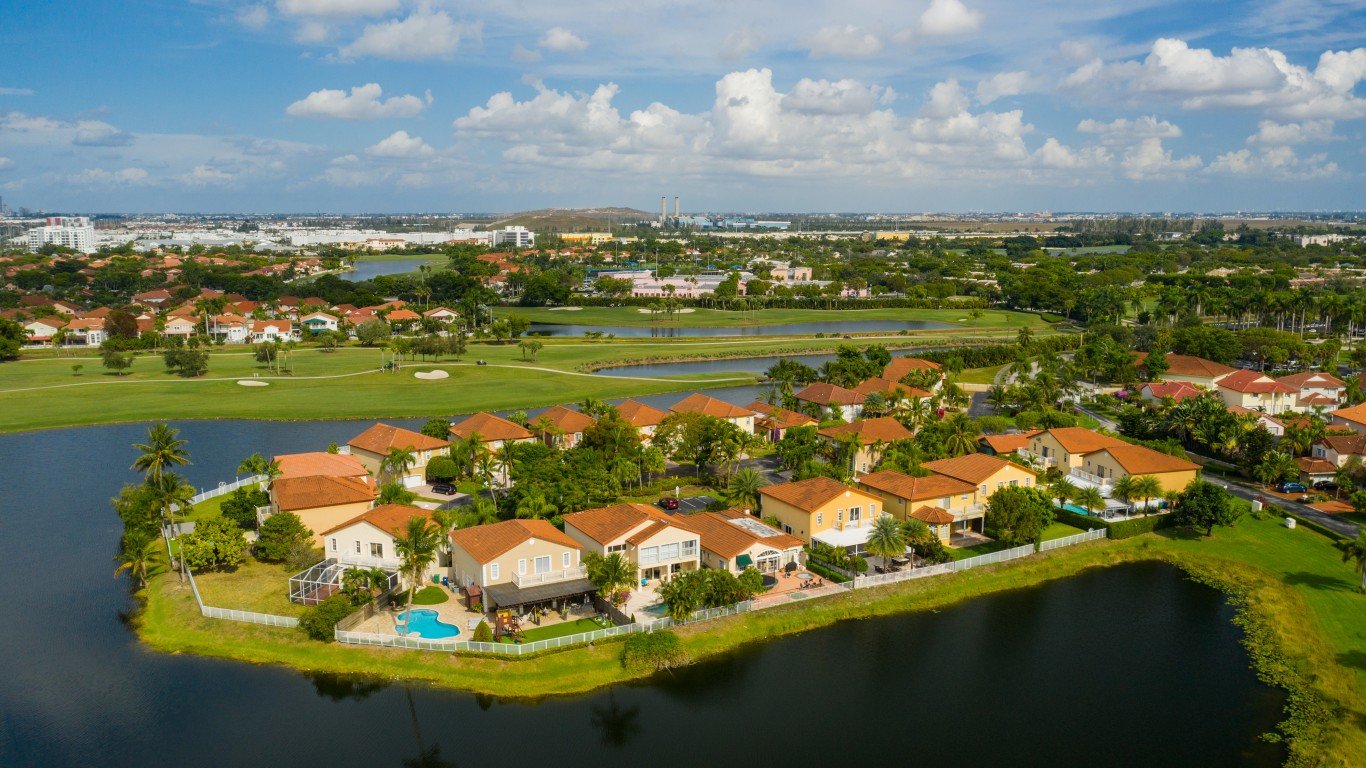
When retirees buy a house near the water, lenders usually require proof of flood insurance before closing. That’s often the first time the flood premium shows up as a real number for retirees buying on a bay, a canal, or a stretch of coast. By then, the purchase price, property taxes, and homeowners policy are already built into the budget. This breakdown explains how that bill is calculated, why it tends to rise, and how those increases affect a fixed retirement income for several years.
Why the Lender Wants a Second Policy
Standard homeowners policies exclude flooding, and federal flood coverage takes 30 days to start. The wait doesn’t apply when you buy the policy with a mortgage loan because coverage starts at closing as long as you apply by then, but cash buyers still face the 30-day wait. By law, any federal entity that makes, guarantees, or buys mortgages has to require flood insurance for owners in a Special Flood Hazard Area.
That’s land with a 1% or greater chance of flooding in any given year. HUD’s counseling handbook notes that “some areas have been rezoned as flood zones requiring flood insurance for the first time,” and that a lender can force-place a policy that “may be more expensive than the borrower’s own policy.”
Most of these policies come through the National Flood Insurance Program, run by FEMA. It caps coverage on a single-family home at $250,000 for the structure and $100,000 for its contents. On a pricier waterfront home, that cap can sit well below what a rebuild would cost. Private flood insurance typically offers higher coverage and is the usual way to fill that gap.
How FEMA Prices the Bill Now
Since April 1, 2022, every NFIP policy has been priced under a method called Risk Rating 2.0. The premium is based on the house itself: how far it sits from water, what kind of flooding hits the area and how often, the foundation type, how high the lowest floor is compared with expected flood levels, and what the home would cost to rebuild. Flooding from heavy rain now counts too.
Older discounts are going away under the Risk Rating 2.0 pricing method. Properties that kept lower “grandfathered” rates are moving toward full risk-based rates. For a primary home, the law limits increases to 18% a year. Second homes go up 25% a year until they reach the full rate.
A policy priced well under its full-risk number can keep climbing at the cap for years. Flood maps add another unknown. FEMA updates them on a priority basis, and an update can take three to five years or more.
What an 18% Cap Does to a Fixed Income
Here’s an example with stated assumptions: a primary home with a $3,000 starting premium that’s still below its full-risk price, so it rises by the full cap every year. Year one comes to $3,540. Year three hits about $4,930, and year five lands near $6,860. Over six years, that’s roughly $28,300 paid in premiums. By year five, the annual bill is about $3,860 higher than where it started.
On the income side, the SSA’s average for a senior couple both collecting benefits is $3,208 a month, or about $38,500 a year. The 3.6% COLA for 2027 adds roughly $1,390 to that. Prices for Americans 62 and older rose 3.6% over the past year. The COLA follows general inflation, and a flood premium below its full-risk price can rise by up to 18%. Covering that extra $3,860 a year at a 4% withdrawal rate would take about $96,600 in added savings.
Ways the Bill Can Come Down
FEMA gives credits for raising the home, moving equipment like the furnace and water heater above the lowest floor, and adding flood openings, which are vents that let water pass through the lower walls. Towns in FEMA’s Community Rating System get discounts of 5% to 45%, depending on their score.
An elevation certificate is a surveyor’s record of how high the house sits. It isn’t required, but it can lower the premium. Buyers can also take over the seller’s policy, which keeps the history and the yearly cap. FEMA’s FloodSmart site has tools to look up a home’s flood zone and local flood claims.
One Page That Shows the Real Number
In this scenario, a budget built around the full-risk flood premium would be higher than this year’s bill. It should also assume yearly increases up to the 18% cap until the policy reaches that full rate. On top of that, it takes enough extra savings to cover the gap, drawing roughly 4% a year.
In the example above, that comes to about $96,600 beyond the rest of the retirement plan. Elevation, mitigation credits, a community discount, or a private quote can bring that figure down. Taking over the seller’s policy can also help. Those figures appear on one document from the seller: the current flood insurance declarations page. It lists the premium, coverage amounts, and deductibles. It shows the policy’s current cost before closing.
Contact [email protected] for any questions or corrections.
David Beren has been a Flywheel Publishing contributor since 2022. Writing for 24/7 Wall St. since 2023, David loves to write about topics of all shapes and sizes. As a technology expert, David focuses heavily on consumer electronics brands, automobiles, and general technology. He has previously written for LifeWire, formerly About.com. As a part-time freelance writer, David’s “day job” has been working on and leading social media for multiple Fortune 100 brands. David loves the flexibility of this field and its ability to reach customers exactly where they like to spend their time. Additionally, David previously published his own blog, TmoNews.com, which reached 3 million readers in its first year. In addition to freelance and social media work, David loves to spend time with his family and children and relive the glory days of video game consoles by playing any retro game console he can get his hands on.