The Retirees Who Pick Hot Springs, Arkansas, Are Trading Big-City Amenities for Thermal Baths and Cheap Houses
Thermal baths, 26 miles of trails, and houses far below coastal prices make Hot Springs tempting. But a split in the housing data and a few trade-offs no budget captures could change how comfortable that retirement feels.

This post may contain links from our sponsors and affiliates, and Flywheel Publishing may receive compensation for actions taken through them.
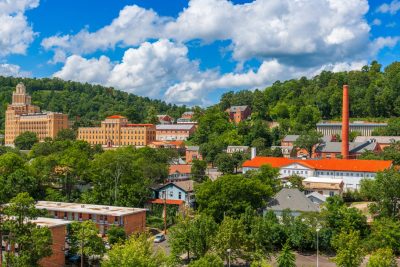
Hot Springs, Arkansas, draws retirees with its Bathhouse Row thermal baths, outdoor access, and affordable homes. You can soak in thermal water, then hit the park’s 26 miles of hiking trails without leaving town. Local home prices sit well below those in big coastal metros. This article breaks down the home costs, monthly budget, savings, and taxes involved in retiring there.
Cheap Houses Hold Up, With a Soft-Market Twist
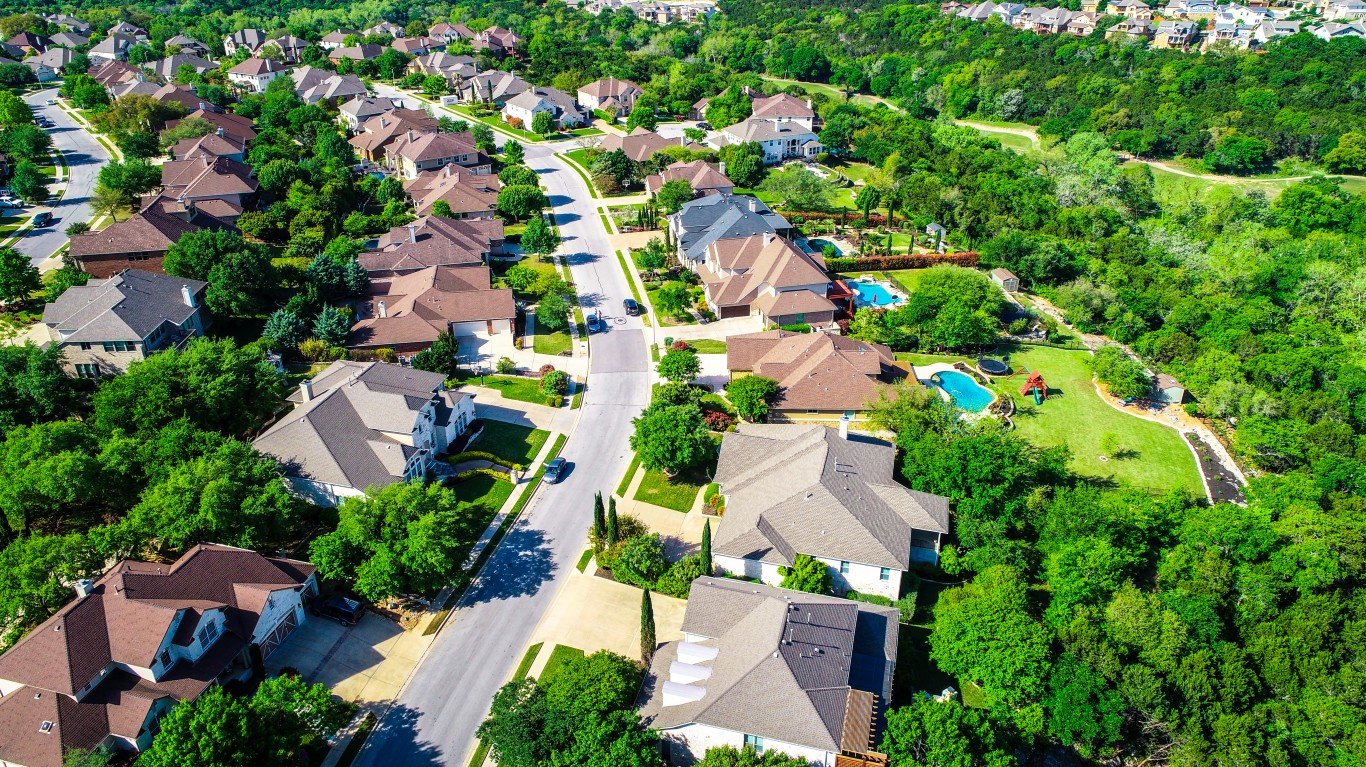
Redfin put the Hot Springs median sale price at $270K for the three months ending in September. The National Association of Realtors’ national median for existing homes was $417,500. That makes Hot Springs about 35% cheaper. In Hot Springs Village, the lake and golf community north of town, Resideline reported a median sale price of $310,000 over six months. Arkansas also has the lowest cost-of-living index in the BEA’s data, at 86.937, compared with a national average of 100.
Price direction depends on who’s measuring. Redfin shows Hot Springs up 7.9% from a year ago, while the FHFA’s metro index fell 1.31% over the past year. The two measures point to mixed price signals in the local market. It also means you shouldn’t count on a quick gain if you ever need to sell.
A Monthly Budget for One or Two
These numbers assume a $270K house bought with cash and everyone on Medicare. Social Security uses the SSA’s average estimates after the cost-of-living raise: $3,208 a month for a couple and $2,071 for a single retiree. Property tax uses Garland County’s 0.48% effective rate, minus the state homestead credit. That credit rises to as much as $600 on 2026 tax bills. Part B costs $202.90 per person per month. On top of that, the health line covers a Medigap policy (insurance that fills Medicare’s gaps), a drug plan, and out-of-pocket costs. The house line sets aside 2% of the home’s value each year for insurance, a roof, and an air conditioner that runs through the summer.
| Monthly Estimate | Single | Couple |
|---|---|---|
| Property tax after credit | $58 | $58 |
| Home insurance and maintenance | $450 | $450 |
| Utilities | $275 | $350 |
| Food | $475 | $900 |
| Health care | $553 | $1,106 |
| Car, insurance, replacement fund | $350 | $500 |
| Travel, gifts, personal, reserves | $500 | $800 |
| Income taxes | $50 | $50 |
| Total | $2,711 | $4,214 |
After Social Security, the couple needs about $12,070 a year from savings, and the single retiree needs about $7,680. At a 4% withdrawal rate, that works out to roughly $302,000 and $192,000. A 3.5% rate gives you more room for a long retirement, and we made the full case for an income-first approach over the classic 4% rule in a free report here. At 3.5%, the targets rise to about $345,000 and $219,000. Remember, that’s on top of the house.
Arkansas Taxes Favor a Particular Income Mix
Arkansas doesn’t tax Social Security. It excludes the first $6,000 per person of pension, 401(k), and IRA withdrawals, though IRA money only counts after age 59½. State rates run from 0% to 3.7%, and the top rate kicks in at $26,399 of taxable income. Half of your net long-term capital gains is also excluded.
The couple’s withdrawals fit almost entirely inside two $6,000 exclusions. Federal taxable income probably lands near zero after deductions, too, which is why the tax line is so small. Sales tax works the other way. The state rate alone is 6.5%, before local add-ons.
The exclusion only covers retirement-plan money, and it’s per person. A surviving spouse generally keeps one $6,000 retirement income exclusion, which can increase taxable income depending on the income sources and amounts. Mixing IRA withdrawals with brokerage gains keeps that bill low. Then there’s the property tax freeze. Homeowners 65 and older can lock the home’s taxable value at the next assessment after they turn 65, or after they buy if they’re already 65. You have to apply with the county assessor, and the freeze cannot pass to the next owner. Buying in a soft market and applying for the freeze can help control property taxes, though tax rates and major improvements can still raise the bill.
Trade-Offs No Budget Covers
Summers are hot and sticky, so the air conditioning runs for months. Most flights mean driving to Little Rock. You’ll find fewer museums and concerts than in a big metro. Advanced specialty care is concentrated at places like UAMS Medical Center in Little Rock, which is about an hour away by car.
To retire in Hot Springs, you need a paid-off home in the $270,000 to $310,000 range. A couple needs about $300,000 to $345,000 invested on top of that, and a single retiree needs $190,000 to $220,000. Withdrawals remain at 3.5% to 4%, from a mix of index funds and a Treasury ladder. Waiting past full retirement age increases Social Security benefits until 70, which reduces that gap. Before you sign anything, time one drive: from the house you’re considering to the nearest major hospital, then on to Little Rock.
Contact [email protected] for any questions or corrections.
David Beren has been a Flywheel Publishing contributor since 2022. Writing for 24/7 Wall St. since 2023, David loves to write about topics of all shapes and sizes. As a technology expert, David focuses heavily on consumer electronics brands, automobiles, and general technology. He has previously written for LifeWire, formerly About.com. As a part-time freelance writer, David’s “day job” has been working on and leading social media for multiple Fortune 100 brands. David loves the flexibility of this field and its ability to reach customers exactly where they like to spend their time. Additionally, David previously published his own blog, TmoNews.com, which reached 3 million readers in its first year. In addition to freelance and social media work, David loves to spend time with his family and children and relive the glory days of video game consoles by playing any retro game console he can get his hands on.