At 74 With $1 Million and a Paid-Off House, She’ll Learn a Stranger Tried to Sell Her Home. Deed Fraud Targets Owners Like Her

This post may contain links from our sponsors and affiliates, and Flywheel Publishing may receive compensation for actions taken through them.
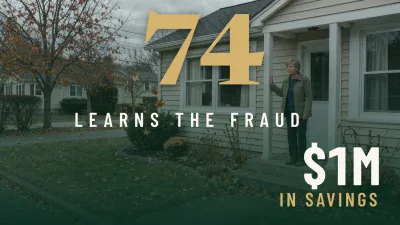
The call comes from a title company. A woman on the line says her house closing is set for Friday, and she just needs to confirm a few details. The person receiving this call is 74 and has never listed the house. This means that somebody else did, using her name.
What makes this frightening is that she has $1 million in savings and a home with no mortgage, and that paid-off house is exactly why she was picked. No bank holds a loan on it, so no lender is watching the title. Many retirees are in her spot, and most have never heard of deed fraud.
What a Deed Is and Why Thieves Can Fake One
A deed is the document that shows who owns a property. When a home changes hands, the new deed gets filed with the county recorder. That’s the local office (sometimes called the clerk or register of deeds) that keeps the public record of who owns what.
In an April 1, 2025 warning, the FBI’s Boston office described fraudsters who forge documents to “record a phony transfer of property ownership.” Once they look like the owner on paper, they can sell the home, take out a mortgage on it, or rent it out. The real owners are then forced to head to court to reclaim their property.
The FBI says scammers search public records for vacant land and properties without a mortgage or other lien, then pose as the owner and ask a real estate agent to list it. Older owners also get targeted by relatives who push them to sign the property over. Rentals and second homes fit the same pattern: the owner isn’t there to notice a stranger showing the place.
Why Her House Is a Bigger Target Than Her Savings
Her brokerage and bank accounts have logins, fraud teams, and alerts. Her house has a public record anyone can look up. Her most valuable single asset often has the least protection.
Many people her age share that profile. Households led by someone 70 or older hold 27% of all owner-occupied real estate in the U.S. but carry just 11% of home mortgage debt, according to Federal Reserve data. That’s a lot of free-and-clear houses.
The losses are real, too. From 2019 through 2023, 58,141 victims nationwide reported $1.3 billion in real estate fraud losses to the FBI’s Internet Crime Complaint Center. That category goes beyond deed fraud alone. The FBI also says actual losses are most likely much higher because many victims are embarrassed or don’t know where to report.
Free County Alerts Beat Paid Title Lock Plans
The best first move costs nothing. Many county recorders run a property fraud alert service. Owners sign up with their name, and the county alerts subscribers via email whenever a land records document is recorded under that name. The national Property Fraud Alert program says the service “is provided by your County Land Records office and there is no cost”. Some large counties, such as Cook County in Illinois, run their own sign-up.
Paid “title lock” plans are the weaker choice for most people. In an August 2024 consumer alert, the FTC called these products “a service that claims to monitor your deed,” adding that “you’d only find out AFTER” the title was already affected. A monthly fee buys about what the county gives away.
Two more steps help. First, dig out the owner’s title insurance policy from the original purchase and ask the insurer what it covers if a forged deed turns up. The second is to consider that some states and title insurers offer extra protections, so it’s worth asking both.
What to Do in the First 24 Hours
- Contact the county recorder. Ask what was filed, by whom, and how to flag the record as disputed.
- File a police report. Banks, title companies, and courts will ask for it.
- Report it to the FBI. Use the Internet Crime Complaint Center at ic3.gov, which takes reports even when victims aren’t sure the case fits.
- Hire a real estate attorney. Undoing a forged deed usually means going to court, and a lawyer can try to stop a pending sale or loan.
- Lock down credit. Place a fraud alert with the credit bureaus. Identity theft victims who do that are entitled to a free file disclosure under federal law. A credit freeze adds another layer. Our identity theft and elder fraud coverage walks through each step.
Estate Paperwork Closes a Second Gap
A house sitting empty after an owner dies looks a lot like the vacant properties the FBI flagged. Keeping the deed, will, and any trust current reduces that window. Where state law allows it, a transfer-on-death deed passes the home straight to a named heir without probate. Most estate messes trace back to a missed form or a stale title, which is exactly what our free estate checklist walks through. Our estate planning coverage also explains how transfer-on-death deeds work and which documents to review.
One Sign-Up Worth Doing This Week
Look up the county recorder’s website and search for “property fraud alert.” If the county offers it, enter the owner’s name exactly as it appears on the deed. The biggest mistake here is paying for monitoring before trying the free version. For a paid-off home that may be worth as much as a big piece of her savings, a five-minute sign-up is the cheapest protection she’ll ever get.
Contact [email protected] for any questions or corrections.
David Beren has been a Flywheel Publishing contributor since 2022. Writing for 24/7 Wall St. since 2023, David loves to write about topics of all shapes and sizes. As a technology expert, David focuses heavily on consumer electronics brands, automobiles, and general technology. He has previously written for LifeWire, formerly About.com. As a part-time freelance writer, David’s “day job” has been working on and leading social media for multiple Fortune 100 brands. David loves the flexibility of this field and its ability to reach customers exactly where they like to spend their time. Additionally, David previously published his own blog, TmoNews.com, which reached 3 million readers in its first year. In addition to freelance and social media work, David loves to spend time with his family and children and relive the glory days of video game consoles by playing any retro game console he can get his hands on.